
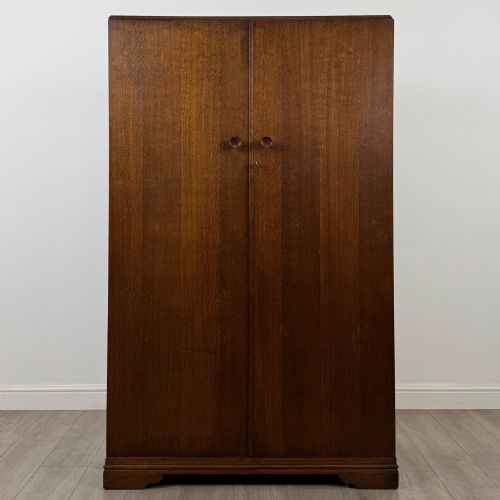
Wooden Storage Wardrobe
A wooden storage wardrobe solves bedroom clutter with enduring craftsmanship, bringing period character and generous hanging space to any interior.
Wooden Storage Wardrobe
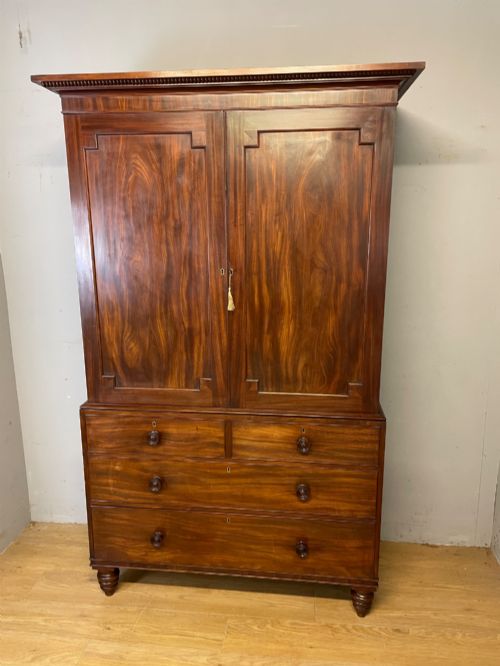
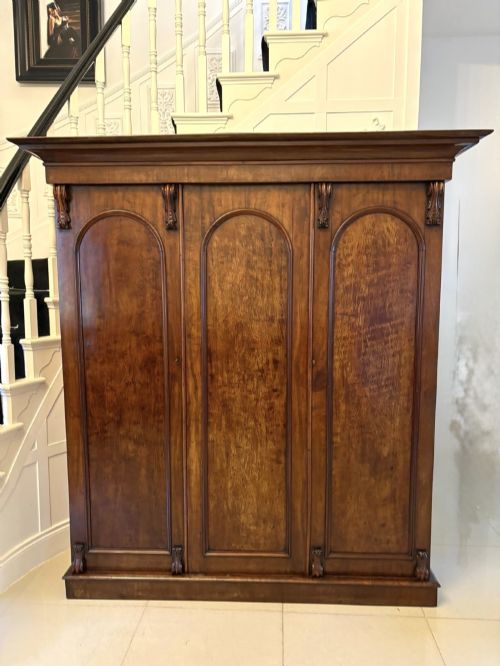
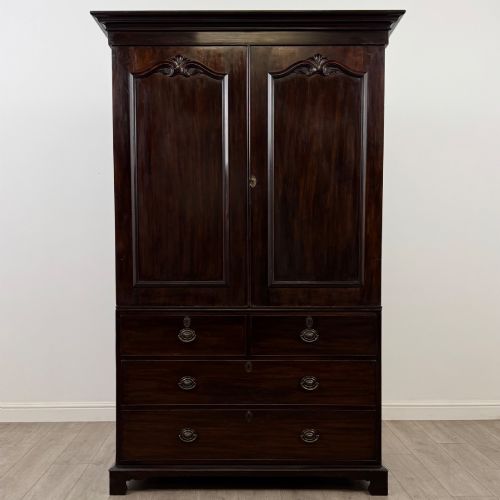
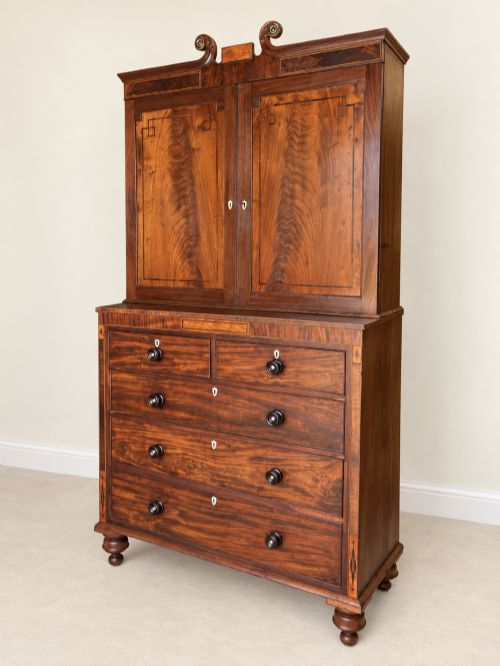
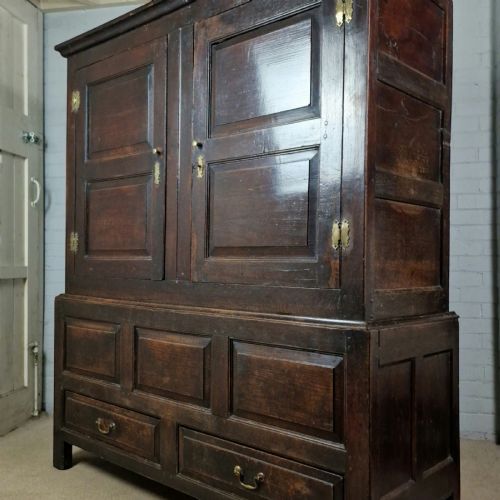
A wooden storage wardrobe encompasses traditional tallboys, linen presses, armoires, and fitted cupboards designed for clothing organisation. The selection spans robust Georgian and Regency designs through to Victorian mahogany pieces and lighter Edwardian and 1920s variants.
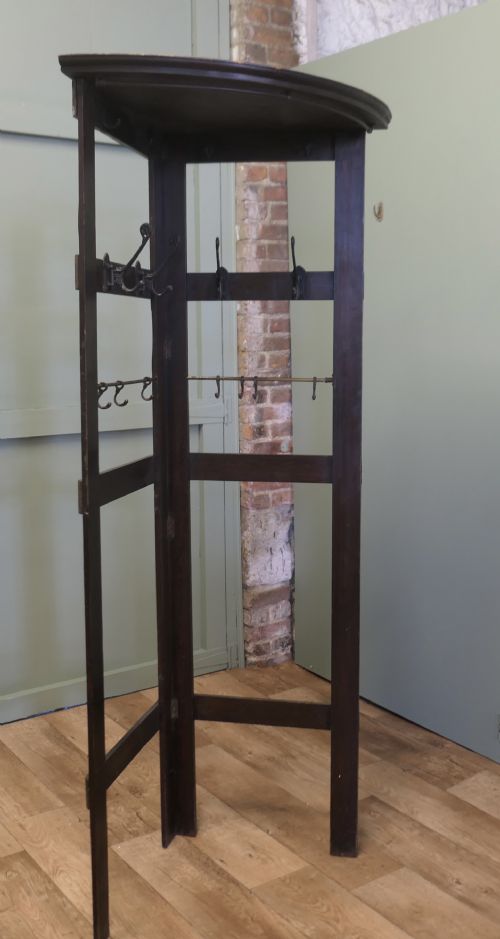
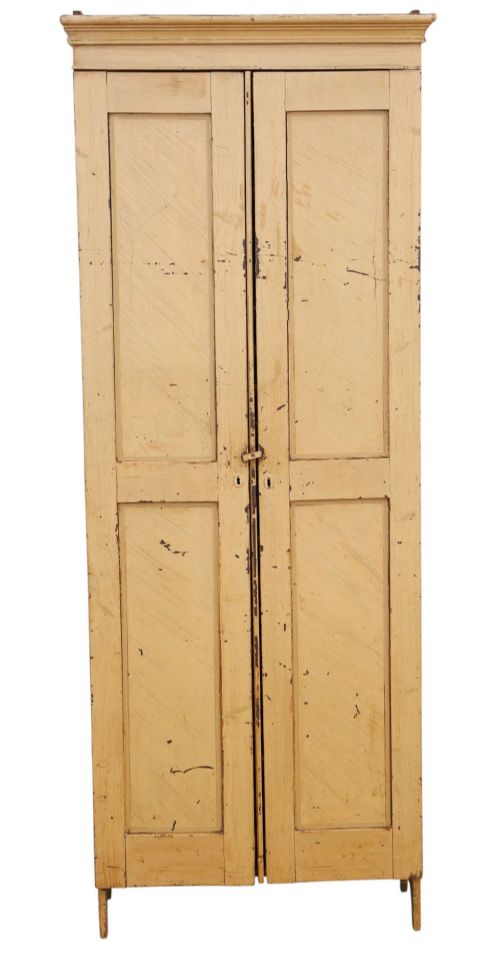
Buyers frequently encounter large double wardrobes and linen presses featuring internal sliding trays or hanging rails. These items utilise dense timbers like mahogany, oak, and walnut, alongside painted pine and ash surfaces suitable for daily domestic use.
Materials and Joinery
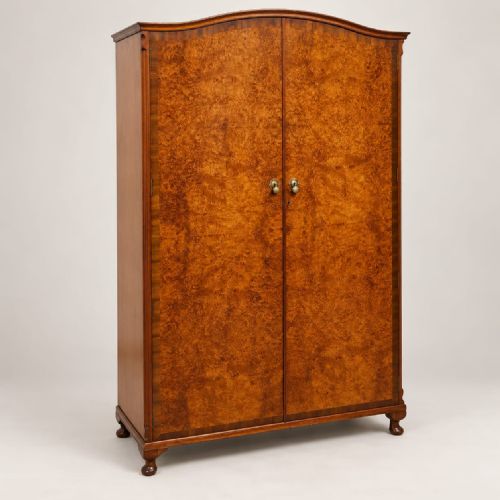
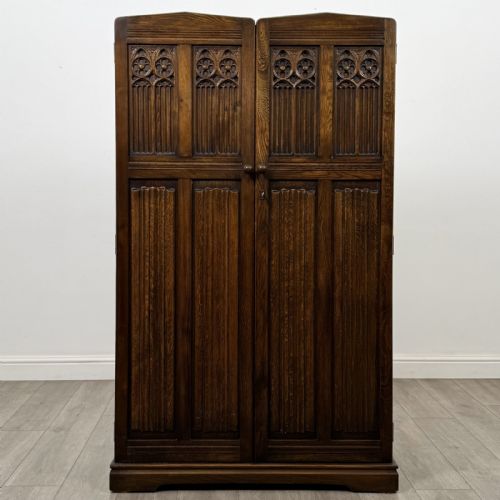
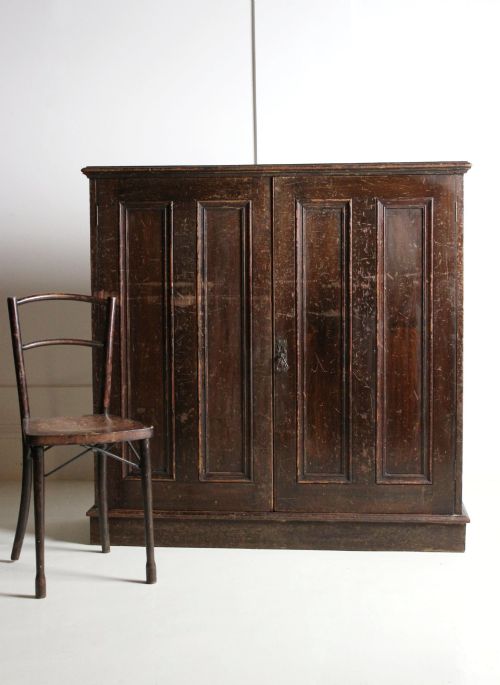
Cabinet makers built these wardrobes using solid hardwoods and decorative veneers such as flame mahogany, burr walnut, and oak, often reinforced with secondary pine internals. Timber panels were framed to allow for natural expansion and contraction across seasonal humidity shifts.
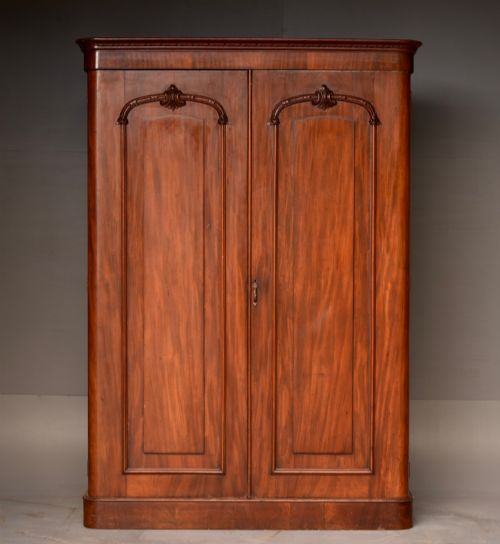
Construction details include hand-cut dovetail joints on internal drawer boxes, brass hanging hardware, and carved wooden detailing. Surface finishes range from clear polish and wax to original painted schemes and red lacquer.
Listings feature oak, mahogany, walnut, pine, and teak woods across periods from the Georgian era to the 1930s.
Quality Variations
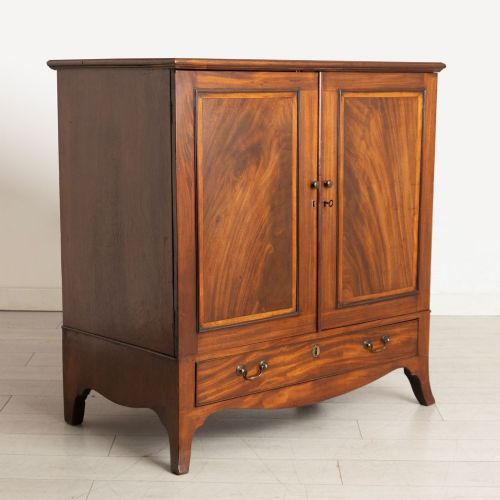
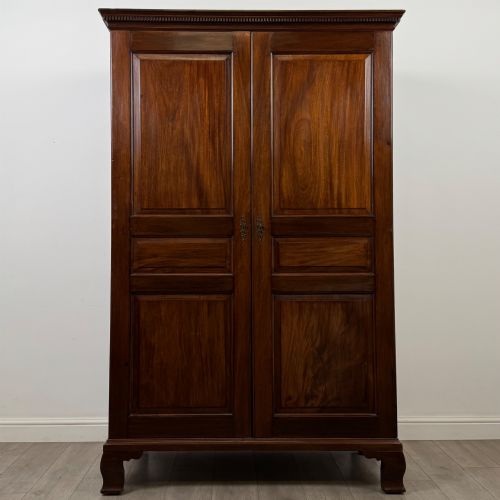
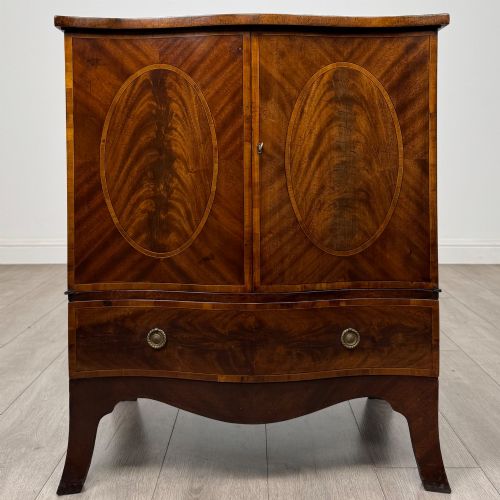
The standard of a piece depends heavily on the selection of timber veneers and the crispness of architectural details such as dentil cornices and bracket feet. Superior examples display carefully matched grain patterns across large doors and drawer fronts.
Internal configuration also distinguishes finer pieces, with fitted sliding linen trays, linen slides, and integrated drawers demonstrating higher utility and more considered original construction than basic hanging spaces.
Crown Furniture
The Wooden Storage Wardrobe Glossary
- Linen Press
- A tall storage piece traditionally combining upper sliding tray compartments with lower drawer storage for textiles. These units often feature panelled doors and moulded cornices.
- Tallboy
- A vertical storage cabinet or chest standing high off the floor, combining wardrobe space with multi-drawer capacity. It offers a compact footprint for smaller rooms.
- Dentil Cornice
- A decorative architectural moulding featuring a repeating series of small rectangular blocks resembling teeth. This detail typically caps the top of formal Georgian and Regency wardrobes.
- Bracket Feet
- Small architectural feet that support the base of a cabinet, shaped like corner brackets. They elevate the body slightly off the floor.
- Flame Mahogany
- A highly decorative tropical hardwood veneer prized for its dynamic, flickering flame-like grain pattern. Cabinet makers used it on prominent exterior door panels.
Wooden Storage Wardrobe: Frequently Asked Questions
What is a linen press?
A linen press is a tall storage cabinet designed originally for storing folded textiles on internal sliding trays rather than hanging garments. They usually combine upper panelled doors with a chest of drawers forming the base.
Over time, many of these pieces have had their internal trays removed and converted into hanging wardrobes to suit modern clothing storage requirements.
How do I date an antique wardrobe?
Dating relies on observing timber choices, hardware, and structural joinery techniques. Georgian and Regency pieces often feature solid mahogany with bracket feet and hand-cut dovetails, while Edwardian and 1920s examples introduce burr walnut and factory-produced fittings.
Secondary woods inside drawers and the style of the cornice moulding provide additional clues to the era of manufacture.
Can I dismantle these wardrobes for moving?
Many older wardrobes are constructed as single solid carcasses that do not dismantle easily, reflecting a time before modern flat-pack furniture. However, larger Victorian and Edwardian multi-door models often break down into sections for transport.
It is essential to check the construction method before purchase if the piece needs to navigate tight stairwells or narrow hallways.
How do I care for antique wood?
Antique timber benefits from stable indoor humidity and protection from direct sunlight, which can fade sensitive veneers like mahogany and walnut. Regular dusting with a soft, dry cloth prevents particulate build-up.
Applying a traditional beeswax polish occasionally maintains the lustre of the polished surface without sealing the wood against its natural environment.