



Wooden Storage Hutch
A wooden storage hutch offers sturdy, honest utility, bringing character and practical display space into any room.
Wooden Storage Hutch
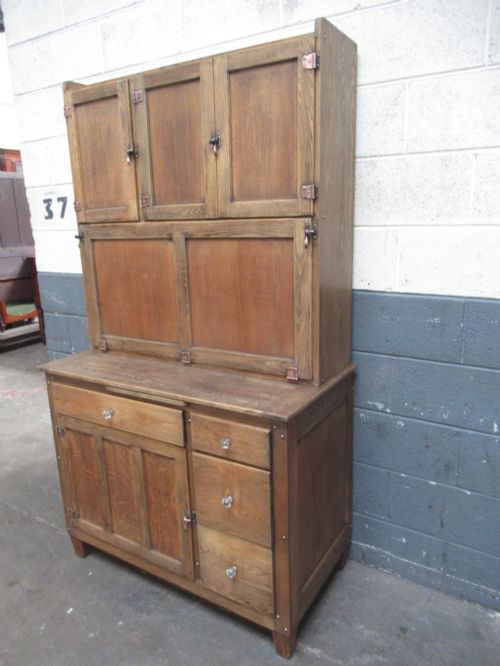
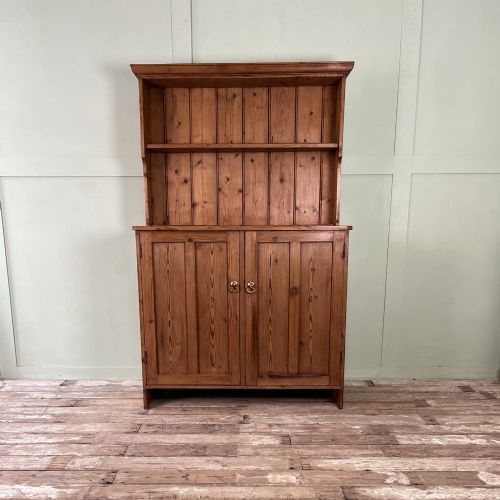
When you search for a wooden storage hutch, you encounter an array of utilitarian furniture designed for holding tableware and household provisions. These items range from open-shelf kitchen dressers to enclosed cupboards and sideboards.
The selections on this page lean heavily towards country and farmhouse origins. You will frequently find oak, pine, and mahogany pieces spanning the eighteenth century through to the 1930s.
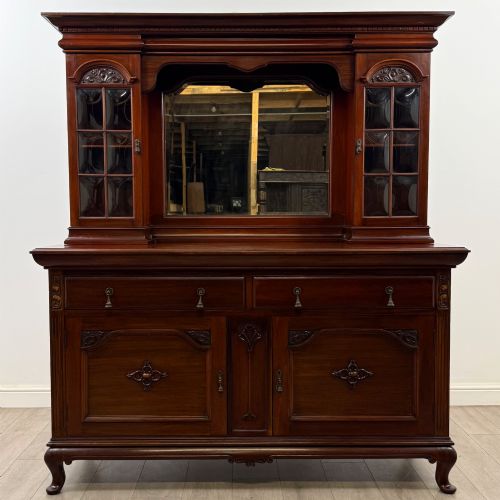
Formations vary from tall Welsh dressers featuring glazed or open upper racks to low painted cabinets and French provincial buffets. Each variation provides a distinct method for organising and displaying domestic goods.
How they were made
Construction relies upon solid timber foundations, predominantly oak and pine, alongside mahogany and walnut in more formal expressions. Carpenters utilised traditional joinery methods to build carcasses capable of enduring heavy daily use.
Surface treatments range from waxed or polished grains to hand-painted folk art finishes. Glazed doors, brass hardware, and mirror glass panels appear on Edwardian and mid-nineteenth-century examples to refine the utilitarian aesthetic.
Wooden Storage Hutch Retail Price Guide 2026
Typical asking prices for wooden storage hutch among the pieces listed under this phrase on Sellingantiques today, from the lower quarter to the upper quarter. They describe what is for sale here now, not the wider market.
Some eighteenth-century oak dressers come complete with carved kings, watching silently over your morning toast.
What varies in quality
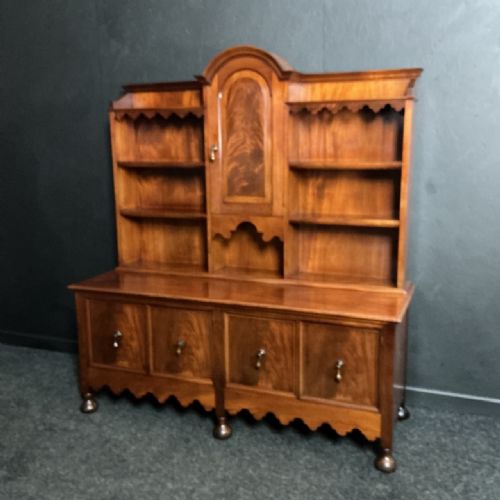
Quality rests in the selection of timber and the ambition of the construction. Pieces utilising dense, figured woods such as flame mahogany or richly grained eighteenth-century oak sit at the upper end of the spectrum.
The finesse of the joinery and decorative detailing also distinguish standard utility pieces from finer commissions. Carved elements, balanced proportions, and integrated hardware elevate the piece from basic storage to exceptional cabinetwork.
The Wooden Storage Hutch Glossary
- Dresser
- A piece of furniture comprising lower cupboards or drawers, often surmounted by open shelves for displaying plates. It serves as a central fixture in traditional kitchens and dining rooms.
- Hutch
- An enclosed piece of furniture featuring shelving or cupboards, traditionally used for keeping provisions. It provides vertical storage with a compact footprint.
- Buffet
- A sideboard or cabinet designed for storing and serving food. French provincial examples often combine lower storage with upper display sections.
- Flame mahogany
- A veneer cut from timber where the branch meets the trunk, producing a rippling, fiery grain pattern. It was favoured by nineteenth-century cabinetmakers for formal display pieces.
- Folk art
- Decorative painting and ornamentation executed by regional artisans rather than trained academics. It imparts unique character to Swedish and country European cupboards.
Wooden Storage Hutch: Frequently Asked Questions
What is a wooden storage hutch?
A wooden storage hutch is a combination of shelving and cupboards built to house and display household items. These pieces typically combine a lower cabinet or drawer base with upper display racks.
Originating as practical kitchen furniture, they provide substantial storage while showcasing ceramics, glassware, or provisions in domestic spaces.
How do I date an old hutch?
Dating relies on observing the timber species, construction methods, and stylistic cues present in the piece. Eighteenth-century examples often feature heavy oak construction and hand-carved details, whereas nineteenth-century pieces may incorporate pine or mahogany.
Hardware styles, glass types, and painted finishes also offer reliable clues to the era of manufacture. Examining the interior construction reveals the hand-working methods of period joiners.
Where should I place a hutch?
A hutch suits kitchens, dining rooms, and living spaces where both display and concealed storage are required. Tall dressers anchor large walls, while lower cabinets fit comfortably in narrower hallways or alcoves.
Ensure the room has adequate ceiling height for taller upper racks. Positioning the piece away from direct heat sources protects the antique timber from drying out.
Are these hutches made of solid wood?
The pieces listed here utilise traditional timber construction, predominantly featuring solid oak, pine, and mahogany. Cabinetmakers built these items to withstand heavy domestic workloads using robust natural materials.
Finer examples may incorporate decorative veneers over secondary woods on prominent surfaces. This technique allowed makers to showcase striking grain patterns like flame mahogany without compromising structural integrity.