
Wooden Storage Armoire
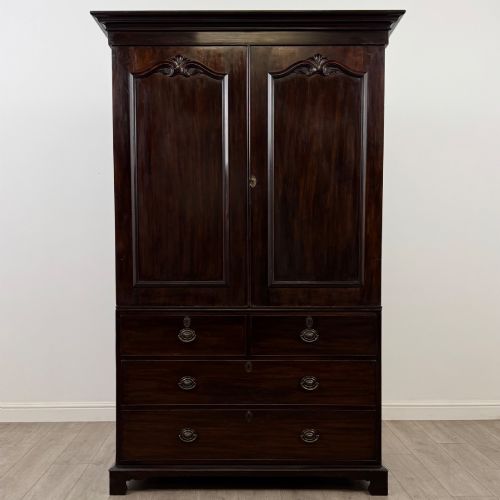
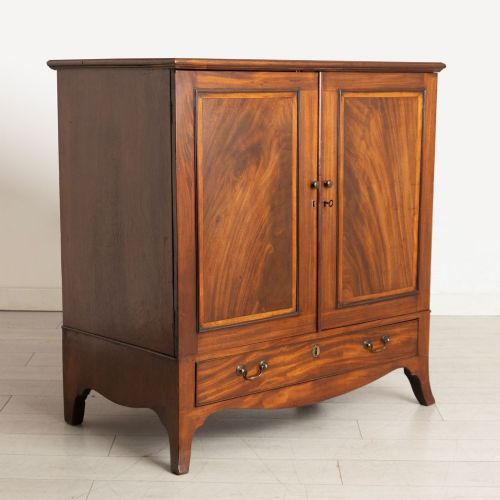
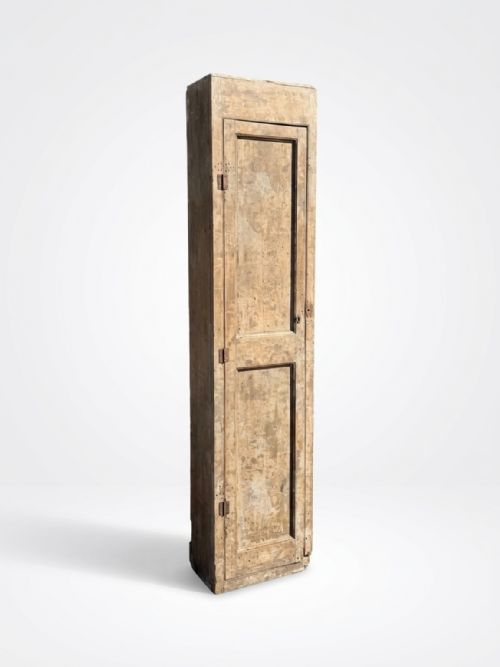
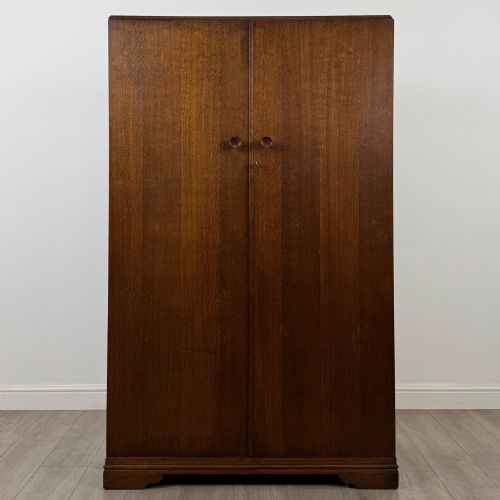
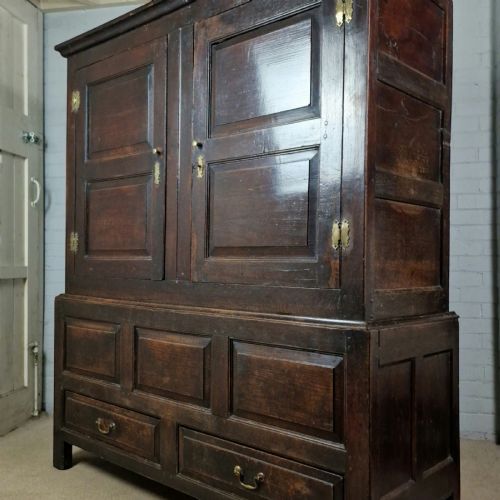
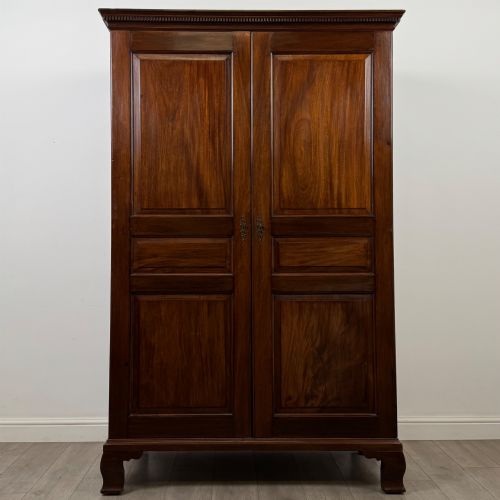
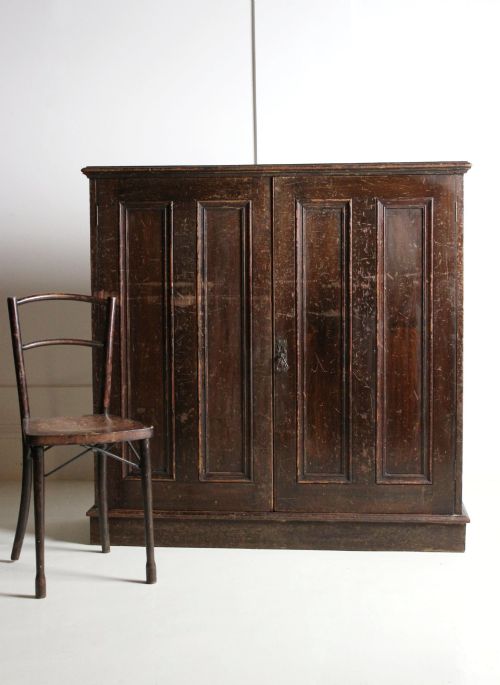
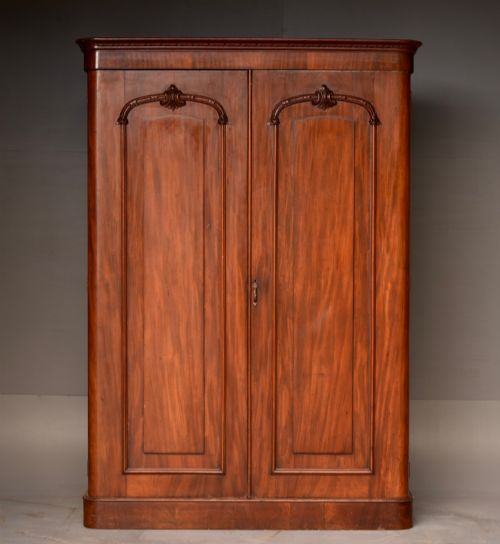
These wooden storage armoire examples bring period character and deep capacity to a room, offering substantial timber housing for clothing and household goods.
Wooden Storage Armoire
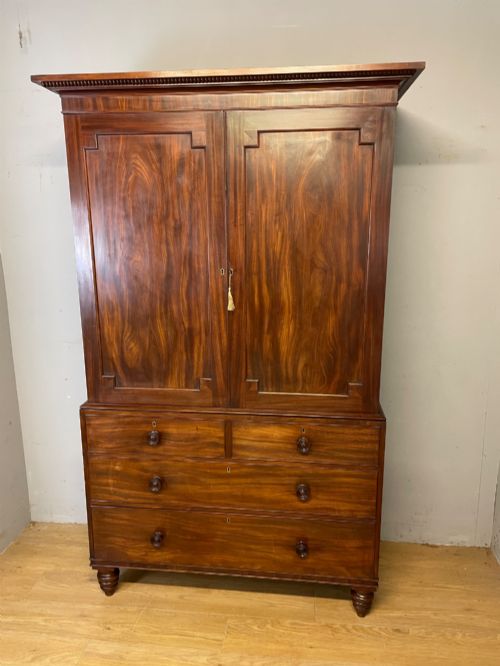
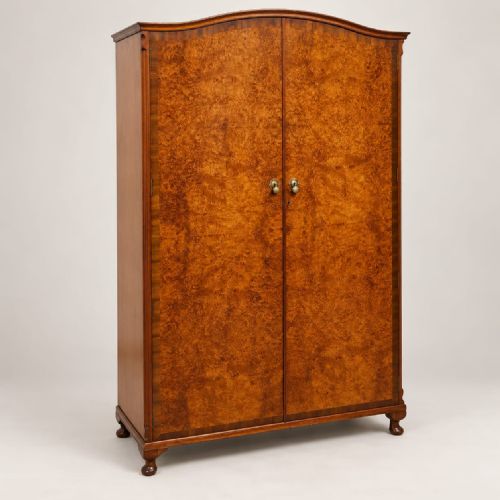
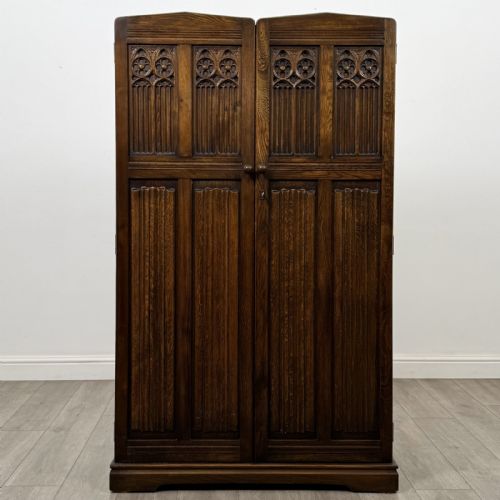
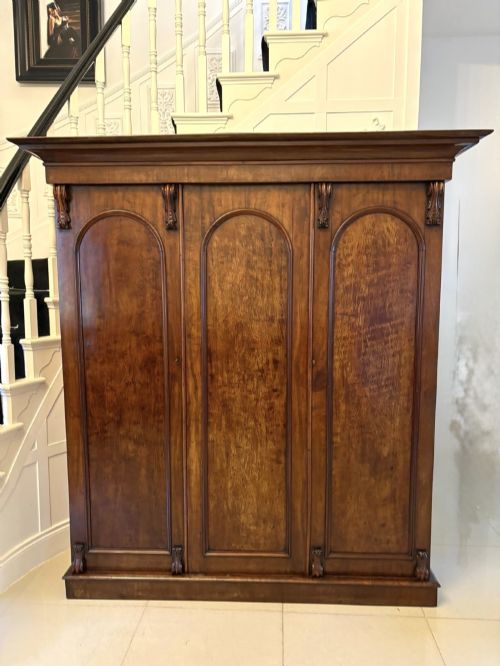
A wooden storage armoire serves as the primary freestanding wardrobe or linen store in traditional interiors, providing tall doors and internal shelving or hanging space. When searching this phrase, buyers encounter substantial case furniture designed to hold garments and linens out of sight.
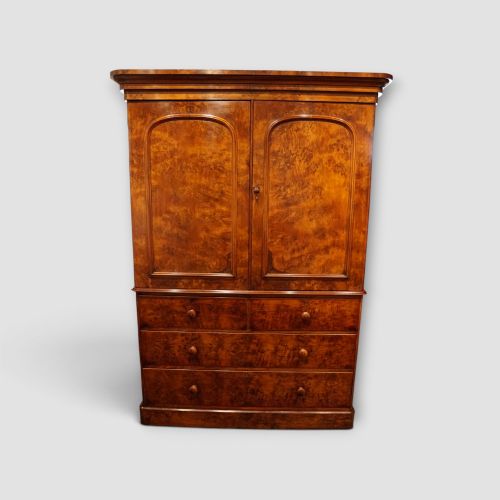
The selection ranges across Georgian, Victorian, and early twentieth-century periods, alongside regional items from France, India, and Scandinavia. Formats include traditional linen presses with sliding trays above drawers, grand double wardrobes, and heavy cupboards.
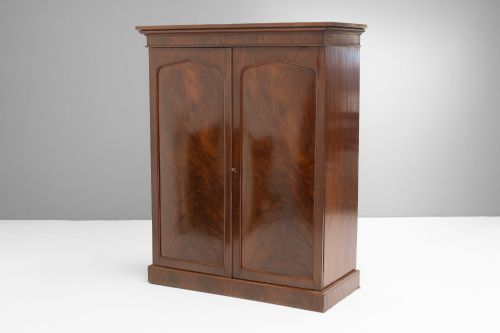
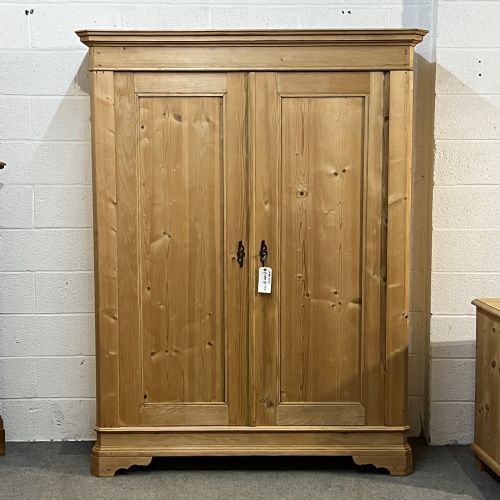
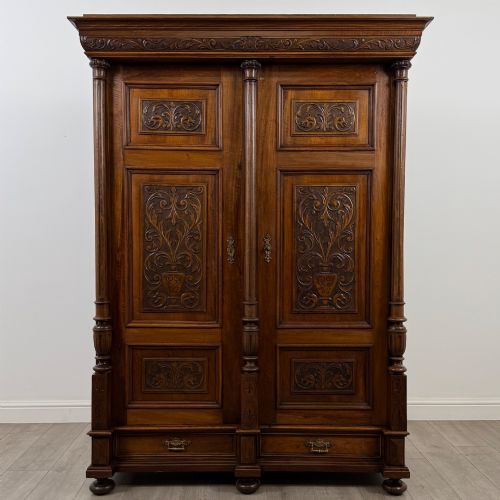
Mahogany, oak, and pine dominate the structural timber choices, shaped into everything from clean Georgian lines to heavily carved French walnut and brightly painted rustic Indian dowry chests. Buyers most frequently meet nineteenth-century mahogany and pine carcasses equipped with panelled doors and bracket feet.
How they were made
Cabinet makers built these carcasses using dense hardwoods like mahogany, oak, and walnut, frequently employing flame veneers or burr figures on primary display surfaces. Secondary timbers like pine provided internal framing and drawer linings.
Joinery relied on hand-cut dovetails for drawers and mortise and tenon frames for panelled doors, ensuring structural stability across large expanses of timber. Brass hardware, iron strap hinges, and carved mouldings finished the construction.
Listings span multiple centuries from the Georgian era through to the 1930s, using mahogany, pine, oak, teak, and walnut.
What varies in quality
Construction standards separate standard utilitarian cupboards from high cabinet work, evident in the thickness of drawer bottoms and the crispness of dentil cornices or carved detailing. Superior pieces maintain straight carcass alignment so heavy doors swing true on their original brass hinges.
Timber selection and surface preservation dictate the standing of an item, with matched flame mahogany or figured burr walnut commanding greater attention than plain stained pine. Original painted finishes or untouched patinated surfaces preserve the integrity of the piece far better than later heavy sanding.
Crown Furniture
The Wooden Storage Armoire Glossary
- Linen press
- A tall cupboard featuring upper sliding trays or shelves traditionally used for flat linens, positioned above a chest of base drawers. These hybrid pieces combined wardrobe and chest functions in wealthier households.
- Cornice
- The decorative moulding crowning the top of a tall cabinet or wardrobe. Dentil cornices use a series of small square blocks set beneath the upper projection.
- Bracket foot
- A simple, corner-supporting foot shaped like a bracket, commonly found on Georgian and Regency cabinets. It lifts the heavy carcass slightly clear of uneven floors.
- Almirah
- A regional term for a cupboard or wardrobe, frequently seen on Indian teak storage pieces and dowry chests. These units often display heavy hardware and carved panels.
- Flame mahogany
- A decorative veneer cut from timber where the grain creates a flame-like pattern. Cabinet makers used this figure on prominent drawer fronts and door panels.
Wooden Storage Armoire: Frequently Asked Questions
What is the difference between an armoire and a linen press?
An armoire primarily provides vertical hanging space and shelving behind tall doors for garments. A linen press traditionally houses horizontal sliding trays in the upper section for folded textiles, sitting above a chest of drawers.
While both terms apply to large wooden storage furniture, the internal configuration determines the historical usage of the piece.
How do I fit modern clothes inside an antique wardrobe?
Many period wardrobes were built with shallow depths or fixed wooden peg rails rather than modern metal hanging rails. Buyers often add a slim brass hanging rail or utilise the existing shelves for folded knitwear and boxes.
Checking the internal depth before purchase ensures standard coat hangers fit comfortably inside the closed doors.
How do I tell a Georgian wardrobe from a Victorian one?
Georgian pieces from the eighteenth and early nineteenth centuries typically display restrained proportions, architectural cornices, and bracket feet in solid mahogany or oak. Victorian examples from later in the nineteenth century tend to be larger, featuring heavier mouldings, plinth bases, and burr walnut or figured veneers.
Construction details such as drawer dovetailing and backboard fixings also help confirm the manufacturing era.
Can these large wardrobes be dismantled for transport?
Many large nineteenth-century wardrobes and presses were constructed as knock-down units held together by internal bolts or pegged joints. This allowed domestic staff to move them between rooms or houses.
Solid pine farmhouse cupboards and smaller cabinets usually remain as one single piece, requiring careful measurement of stairwells and doorways.