
Wooden Sideboard
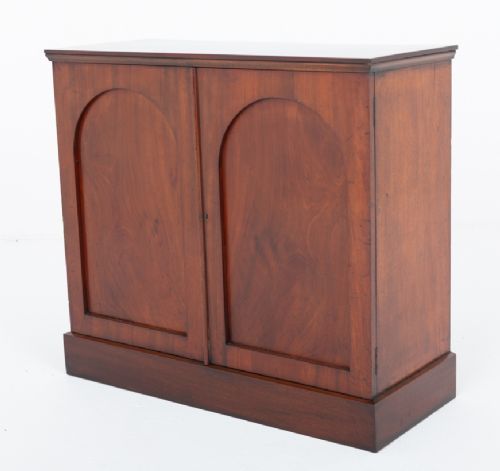
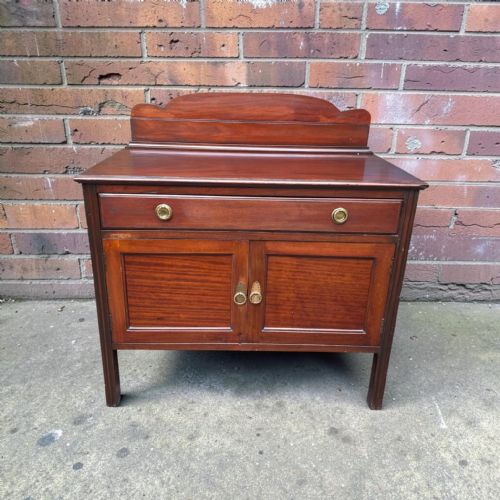
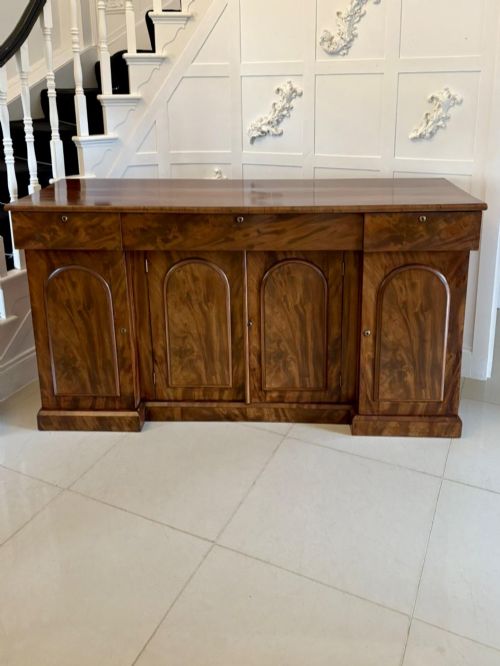
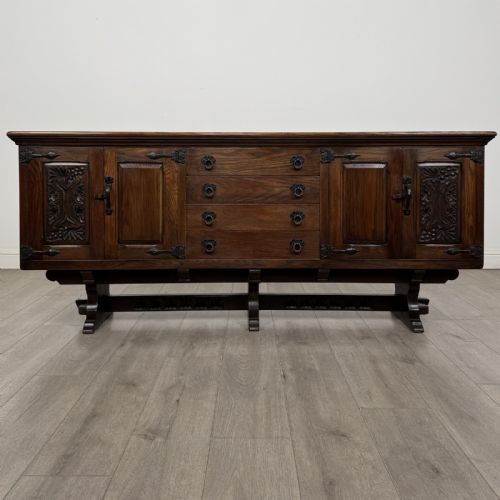
A wooden sideboard anchors a dining room or hallway, providing generous storage while bringing rich grain and period character to an interior.
Wooden Sideboard
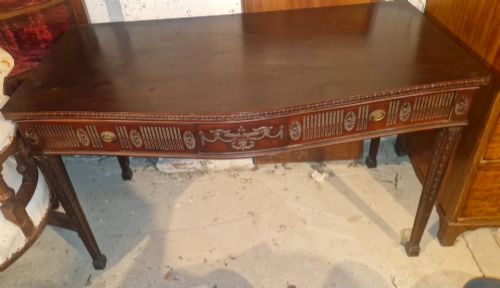
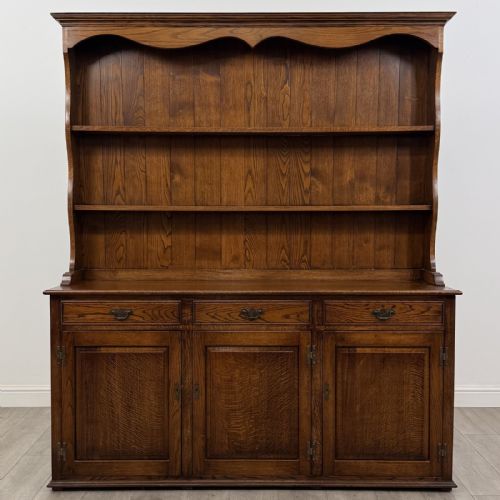
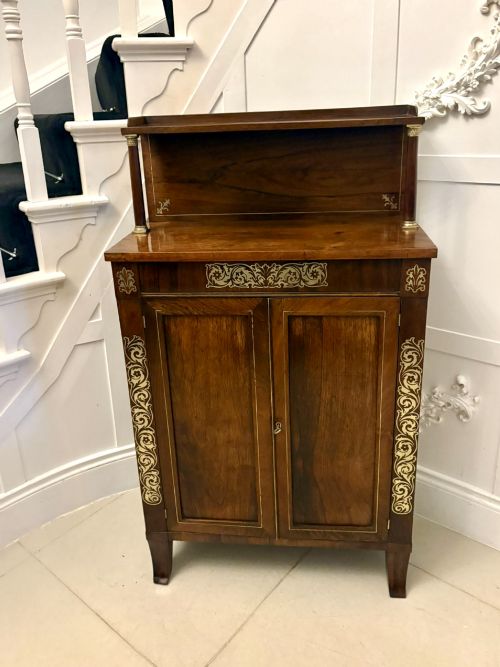
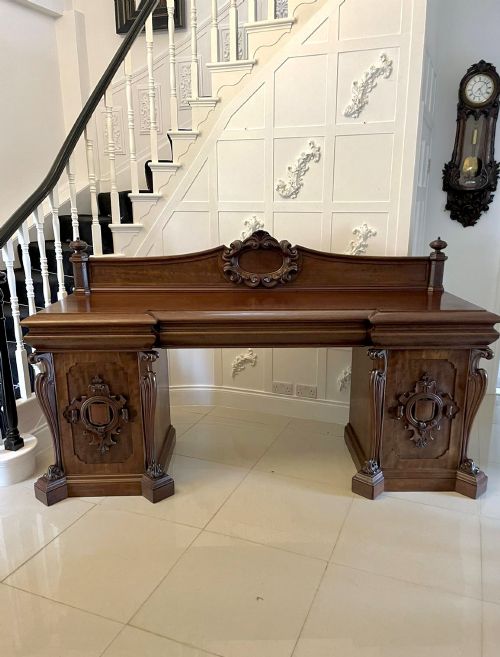
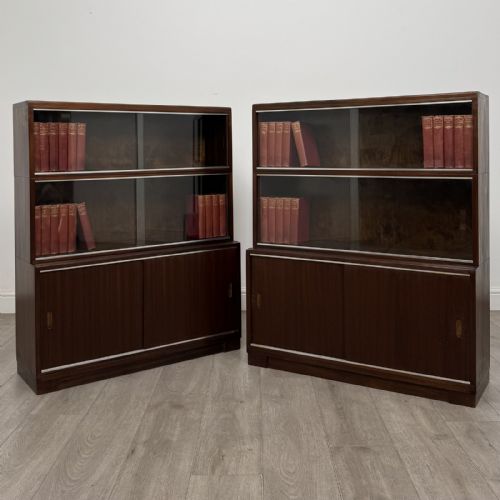
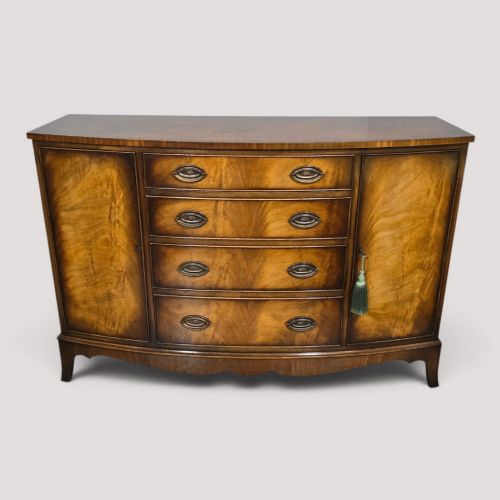
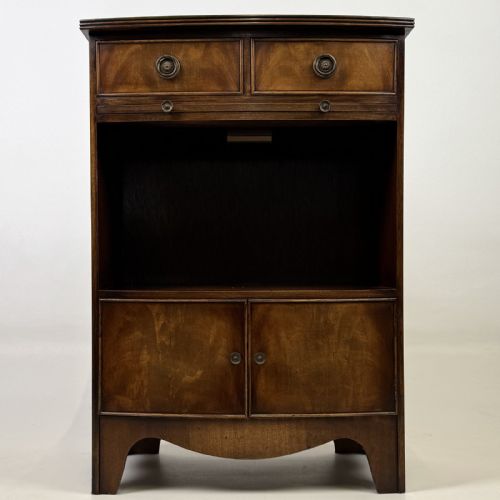
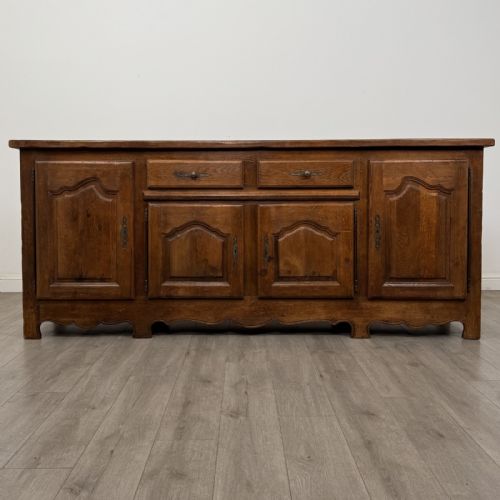
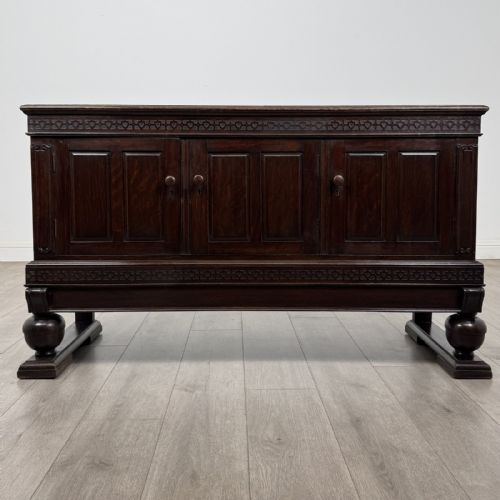
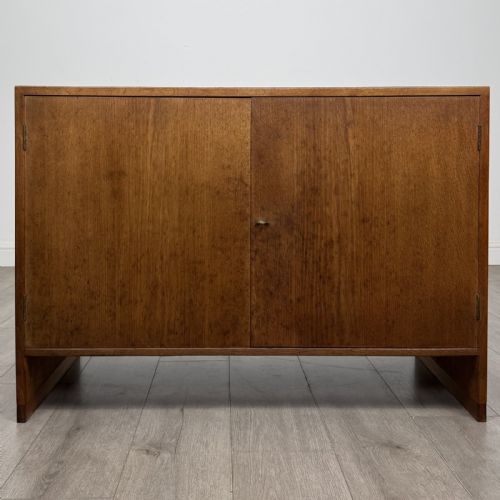
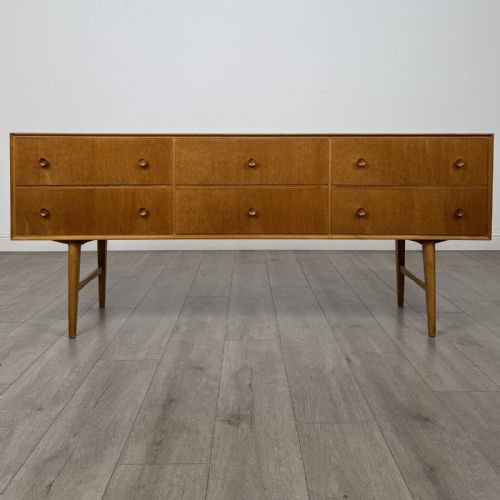
A wooden sideboard encompasses large storage furniture designed for dining spaces, taking forms from robust oak dresser bases and cupboards to formal mahogany cabinets and chiffoniers. Pieces span the eighteenth, nineteenth and early twentieth centuries, drawing on Victorian, Georgian, Edwardian and mid-century styles.
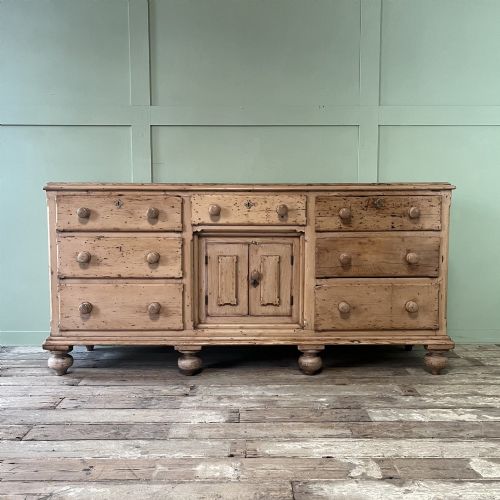
The most common examples on this page are sturdy oak sideboards and cupboards from the early twentieth century alongside nineteenth-century mahogany pieces. Buyers also encounter painted pine dresser bases, walnut credenzas and occasional fruitwood or ash examples.
Regional variations emerge clearly across the selection, with English country oak, Scottish dresser bases, French fruitwood consoles and Swedish bowfront buffets each displaying distinct local timber choices and construction habits.
Materials and Technique
Timbers dictate the visual weight of these pieces, pairing dense domestic woods like oak, elm and pine with finer imported hardwoods including mahogany, walnut and satinwood. Veneers appear frequently, utilised with flame mahogany or burr walnut to create striking figured grain patterns across large door surfaces.
Construction relies on traditional joinery methods appropriate to each period, incorporating hand-carved detailing, turned legs, stretcher bases and dovetailed drawer construction. Hardware typically includes brass handles, escutcheons and occasionally marble tops or inset ceramic tiles.
Lion masks stare steadfastly from Victorian ebonised doors, guarding the cutlery drawers with permanent ferocity.
Judging Quality
Quality rests upon the selection of timber and the precision of its assembly, distinguishing workshop pieces built with figured veneers and careful crossbanding from utility items. The integration of decorative elements, such as carved lion masks, linenfold panels or delicate inlay, separates standard storage from pieces of higher ambition.
Proportion and the retention of original surfaces govern desirability, as untouched patination on older oak and mahogany carries more integrity than over-restored finishes. The weight of the timber, stability of the carcass and integrity of internal fittings like pigeon holes or shelved interiors define the standard of the piece.
G Bartholomew & Co
The Wooden Sideboard Glossary
- Chiffonier
- A low sideboard or cabinet developed in the nineteenth century, typically featuring enclosed storage below and sometimes a small shelf superstructure above.
- Dresser base
- A lower kitchen or dining cabinet fitted with drawers and frequently a potboard shelf beneath, originating from vernacular country traditions.
- Credenza
- A grand display cabinet or sideboard, often associated with Victorian walnut and amboyna work featuring glazed doors or mirrored backs.
- Crossbanding
- A decorative border technique where thin strips of veneer are laid across the grain direction of the primary panel to frame the timber.
- Bowfront
- A curved cabinet front that swells outward in a convex arc, popular in Georgian and later mahogany pieces.
Wooden Sideboard: Frequently Asked Questions
How do I choose the right size wooden sideboard?
Measure your wall space carefully, allowing clearance for doors and drawers to open fully without obstruction in the room.
Consider the height and depth in relation to surrounding dining tables or mirrors to maintain balanced proportions.
What is the difference between a sideboard and a credenza?
A sideboard traditionally serves dining rooms for storing plates and serving food, featuring cupboards and drawers.
A credenza often denotes a more decorative, formal cabinet with glass doors or mirrored components, frequently used for display.
How should I care for antique wood furniture?
Keep wooden pieces away from direct sunlight and heat sources to prevent the timber and veneers from drying out or splitting.
Apply quality beeswax periodically and buff gently with a soft cloth to nourish the grain and maintain the patina.
Can I use a dresser base in a hallway?
Dresser bases work exceptionally well in hallways or living areas, offering useful surface space and deep drawers for everyday items.
Purchasing pieces with lower potboards or enclosed cupboards provides hidden storage for boots and household clutter.