







Wooden Shadow Box
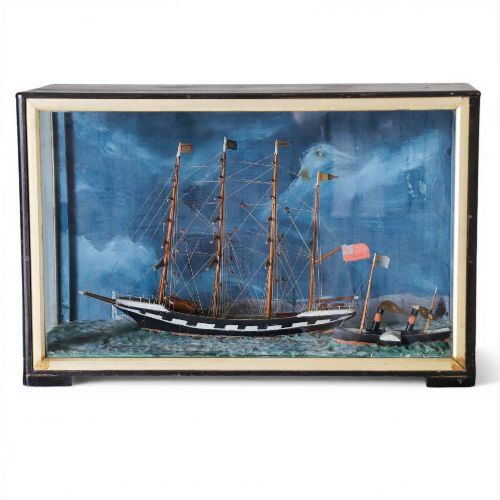
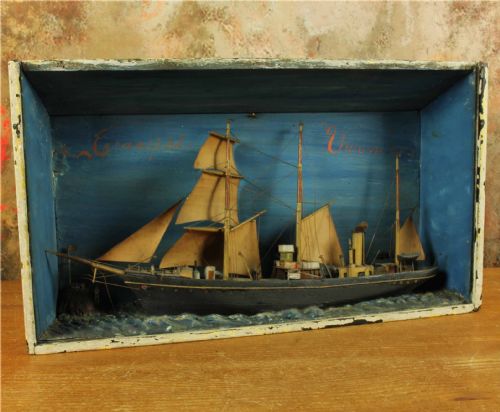
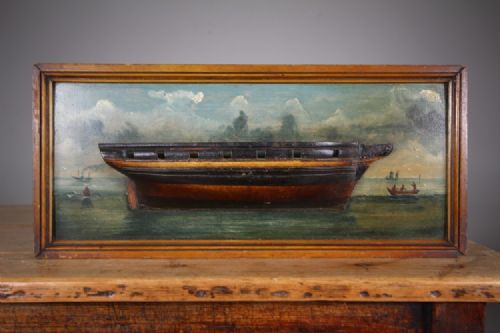
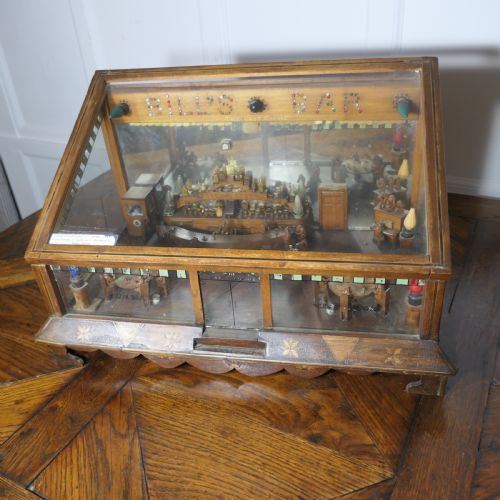
These wooden shadow box pieces capture maritime scenes and folk art miniatures preserved behind glass.
Wooden Shadow Box
When you search for a wooden shadow box, you encounter cased dioramas and wall art framing three-dimensional scenes. These pieces combine wooden frames and glass glazing to protect intricate interior models from dust and damage.
The selections on this page lean heavily towards Victorian maritime folk art, featuring sailing ships, racing vessels, and coastal models. Alongside maritime subjects, you find townscapes, straw work, cork work, and shell dioramas from the nineteenth and early twentieth centuries.
Makers utilised mahogany and other timbers to build sturdy cases designed for wall hanging or tabletop display. Bijouterie tables also appear, offering glass-topped compartments that function as horizontal wooden shadow boxes for displaying small collections.
Materials and construction
Makers constructed the primary housings from wood, frequently employing mahogany for freestanding tables and wall-mounted frames. Glass front panels were fitted to seal the interior space and protect the delicate components housed within.
Interior scenes relied on varied materials including painted canvas, paper, plaster, and fabric to build up backgrounds and landscapes. Artisans shaped cork, straw, and shells into miniature figures, architectural elements, and intricate maritime rigging.
Specialist elements such as clockwork mechanisms or detailed model ships demonstrate the hand-assembled nature of these folk art objects. Painted backdrops introduced depth and perspective behind the physical models.
Wooden Shadow Box Retail Price Guide 2026
Typical asking prices for wooden shadow box among the pieces listed under this phrase on Sellingantiques today, from the lower quarter to the upper quarter. They describe what is for sale here now, not the wider market.
One remarkably niche diorama captures an Eastern European townscape entirely in the snow.
Quality differences
The standard of a wooden shadow box rests primarily on the complexity and execution of the interior diorama. Finely rendered rigging on a sailing ship or detailed miniature architecture indicates superior craftsmanship by the maker.
The quality of the housing matters equally, with well-joined timber frames and intact glass casing preserving the contents effectively. Mahogany display tables with inlaid woodwork demonstrate higher material investment than plain utilitarian boxes.
Preservation of the delicate internal components, such as painted paper backdrops and fabric elements, dictates the overall integrity of the piece. Intact original materials without modern replacement parts command greater appreciation among collectors.
The Wooden Shadow Box Glossary
- Diorama
- A three-dimensional scene enclosed in a box with a glass front for display. These compositions often depict sailing ships at sea or detailed townscapes.
- Bijouterie table
- A glass-topped display table designed to exhibit small decorative objects and curiosities. They function essentially as horizontal wooden shadow boxes on legs.
- Folk art
- Artistic work created within a traditional culture by self-taught makers. These pieces often utilise accessible local materials like cork, straw, and shells.
- Straw work
- A decorative technique using flattened pieces of straw applied to surfaces to create geometric or pictorial patterns. In dioramas, this material adds texture and sheen to maritime elements.
Wooden Shadow Box: Frequently Asked Questions
What is a wooden shadow box?
A wooden shadow box is a glazed container built to house and display three-dimensional objects or miniature scenes safely.
In historical pieces, these enclosures typically protect delicate folk art dioramas, model ships, and collection displays from environmental wear.
How were maritime dioramas displayed?
Maritime dioramas were constructed either as wall-hanging frames or as standalone items placed on furniture surfaces.
They allowed owners to showcase detailed models of sailing ships and marine scenes within domestic interiors while keeping the fragile rigging clean.
What materials make up these dioramas?
Makers built the exterior cases using timber, most notably mahogany, fitted with protective glass panels on the front.
Inside, the scenes incorporate painted canvas, paper, fabric, plaster, cork, shells, and straw to construct landscapes and ship models.
How do I date a shadow box?
Dating relies on examining the construction methods of the wooden frame, the materials used, and the style of the interior diorama.
Nineteenth and early twentieth-century examples often exhibit specific folk art traits, maritime subjects, and hardware consistent with Victorian and Edwardian manufacturing.