





Wooden Pedestal Mirror
A wooden pedestal mirror offers both practical function and period warmth, bringing traditional craftsmanship and rich timber tones into a dressing room.
Wooden Pedestal Mirror
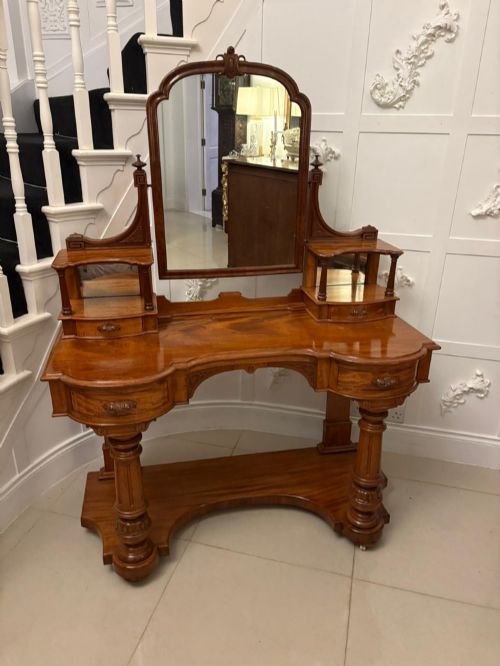
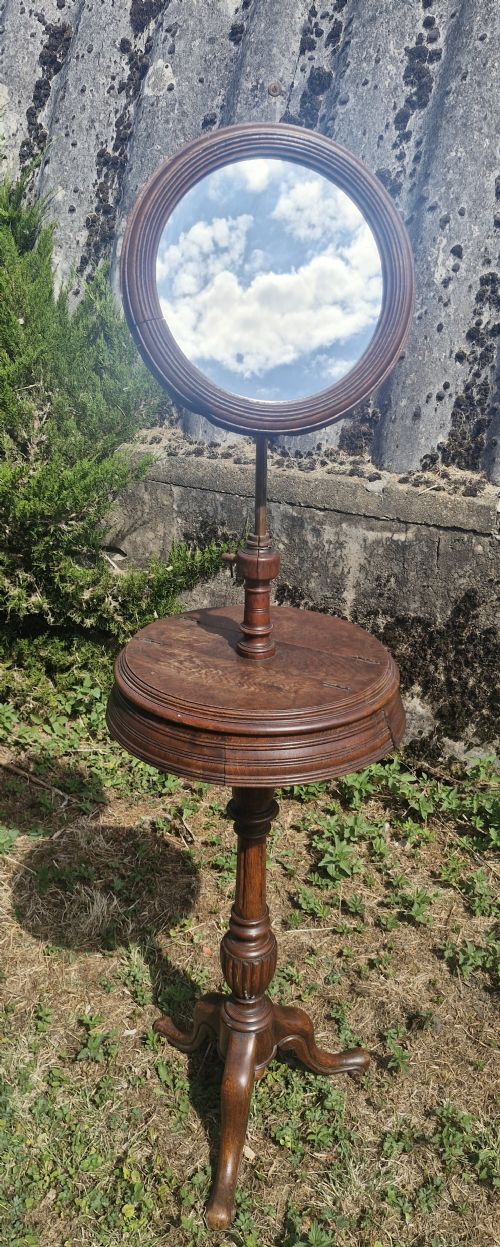
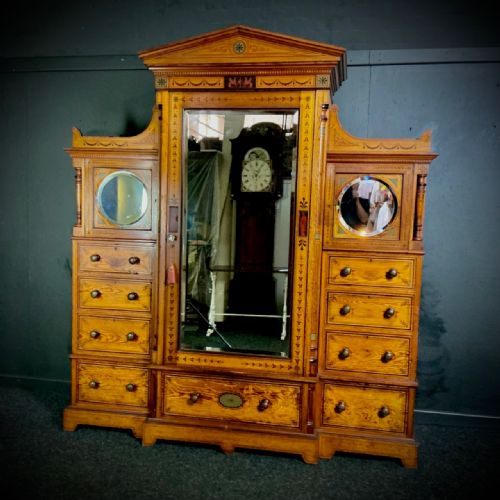
A wooden pedestal mirror is typically encountered as part of a larger dressing table, a cheval mirror arrangement, or a dedicated shaving stand. These pieces span the Victorian and Edwardian eras, utilising timbers such as mahogany, oak, walnut, and satinwood.
The selections on this page showcase how mirrors were integrated into bedroom furniture during the nineteenth and early twentieth centuries. Pieces range from simple freestanding toilet glasses to elaborate dressing chests fitted with adjustable swivel plates.
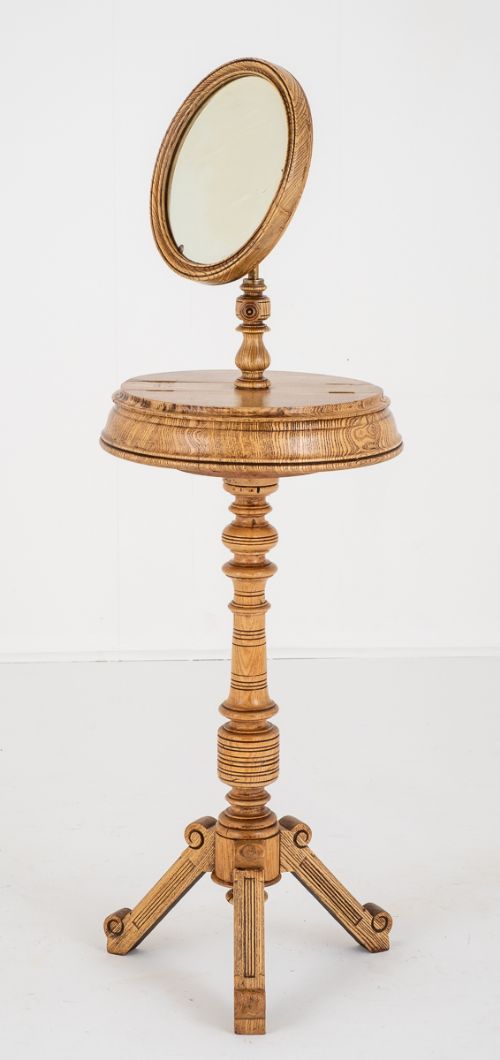
Victorian examples dominate the listings, often featuring carved mahogany or ash frames, alongside later Edwardian and Cotswold School interpretations. Buyers frequently encounter adjustable mechanisms designed for practical use in domestic settings.
Materials and construction methods
Cabinetmakers built these mirrors using solid hardwoods and decorative veneers, selecting mahogany, walnut, oak, and satinwood for their rich grain patterns. Brass fittings were commonly utilised for adjustable hinges, pivots, and support arms.
Framing techniques involved traditional joinery to secure the glass plate while allowing it to tilt on pivots mounted to upright pedestals or side supports. Inlaid details and carved mouldings added decorative depth to the surrounding wood.
Current listings feature Victorian, Edwardian, and 1930s periods, incorporating materials such as mahogany, oak, walnut, satinwood, and pitch pine.
Indicators of quality
The distinction between standard items and superior examples lies in the selection of timber and the precision of the joinery. Finely figured mahogany or satinwood veneers demonstrate greater workshop skill than plain secondary woods.
The robustness of the pivoting mechanism and the quality of the brass hardware indicate the original tier of manufacture. Integrated designs where the mirror housing matches the proportions of the pedestal demonstrate superior cabinetmaking.
James Shoolbred
The Wooden Pedestal Mirror Glossary
- Pedestal mirror
- A glass plate mounted on vertical supports or columns, allowing the user to adjust the angle. These units sit upon chests of drawers, dressing tables, or floor bases.
- Shaving stand
- A specialised furniture form incorporating an adjustable mirror, small drawers, and often a basin ring or shelf. They date predominantly to the Victorian and Edwardian periods.
- Cheval mirror
- A full-length freestanding mirror supported by a frame with four legs and vertical pivots. They allow the user to view their entire reflection.
- Satinwood
- A light-coloured, lustrous timber native to India and Ceylon, frequently utilised for inlaid decorative banding on nineteenth-century furniture.
- Aesthetic movement
- A late nineteenth-century design style emphasising decorative arts for their own sake, often featuring ebonised details and inlaid decoration.
Wooden Pedestal Mirror: Frequently Asked Questions
What is a wooden pedestal mirror?
A wooden pedestal mirror is a freestanding or table-mounted looking glass supported by vertical columns or uprights. These pieces were historically designed for bedrooms and dressing rooms.
They allow the glass to tilt on pivots, providing adjustable angles for grooming and dressing. Surviving examples reflect the timber preferences of the Victorian and Edwardian eras.
How do I date a wooden pedestal mirror?
Dating relies on observing the timber species, construction joints, and stylistic details present in the frame. Victorian examples often feature heavy mahogany or walnut, while Edwardian pieces lean towards lighter satinwood or inlaid mahogany.
The presence of original brass pivot screws and backboards also helps establish the manufacturing period. Consulting the recorded production eras on this page offers a reliable benchmark.
Were these mirrors made separately?
Many mirrors were produced as integral components of larger dressing chests, chiffoniers, or shaving stands rather than standalone items. Shaving stands combined the mirror with small storage drawers and sometimes washing facilities.
Over time, some dressing table mirrors became separated from their original base pieces. Checking the mounting points reveals how the mirror originally attached to the furniture.
How should I care for the wood?
Maintain the timber surfaces by keeping them away from direct sunlight and excessive humidity. Gentle dusting with a dry cloth preserves the polished finish of mahogany, oak, or walnut.
Avoid applying modern silicone polishes, as traditional cabinet finishes respond best to occasional waxing. Inspect the brass pivots periodically to ensure they remain properly adjusted.