



Wooden Park Bench
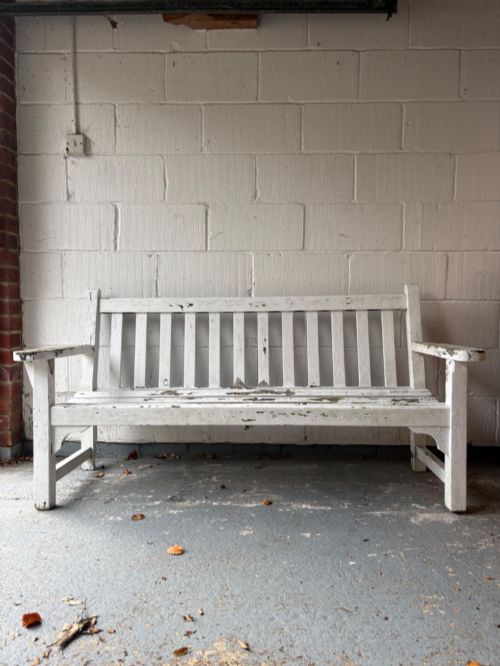
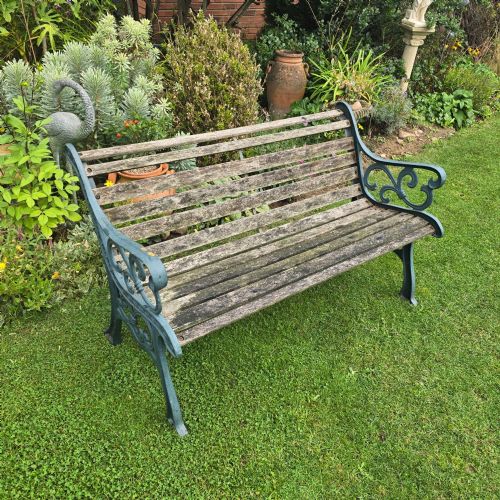
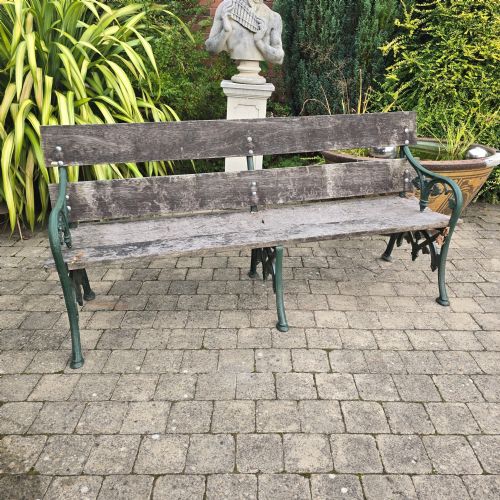
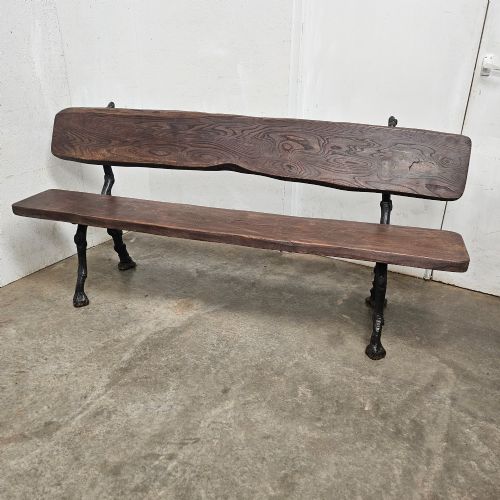
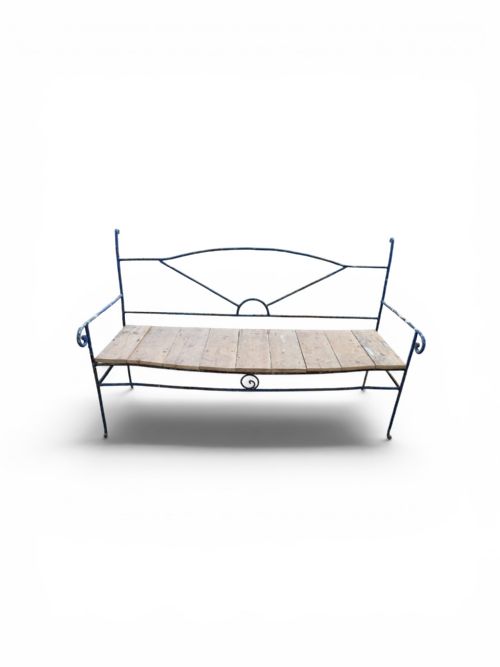
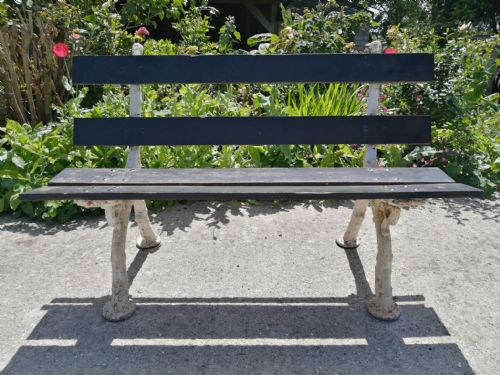
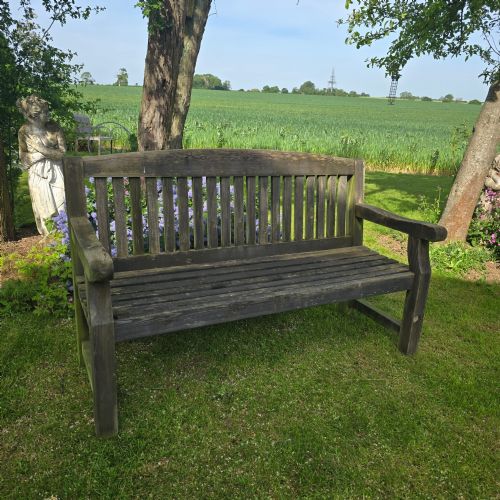
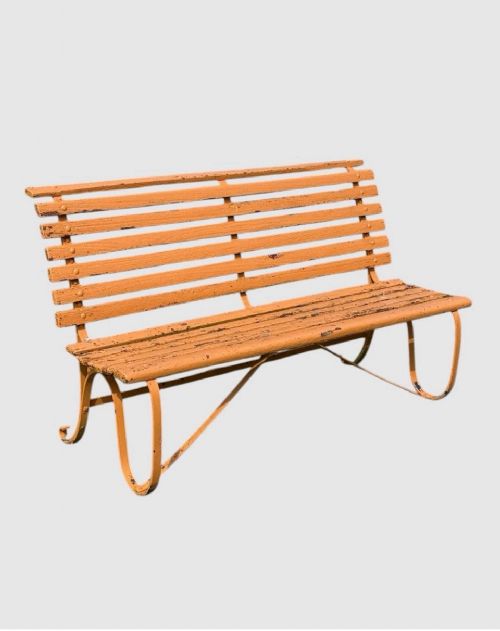
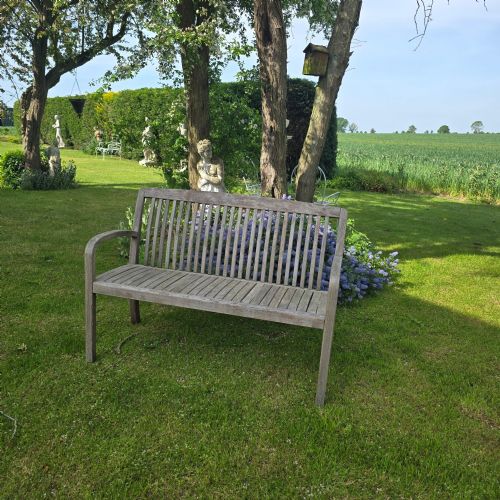
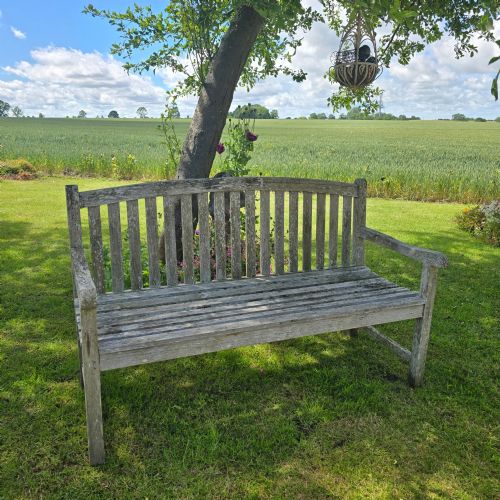
These wooden park bench examples bring enduring charm to any outdoor space, combining robust metal frames with classic slatted seating.
Wooden Park Bench
A wooden park bench serves as both a practical outdoor seat and a focal point for gardens, terraces, and parklands. These pieces span periods from the nineteenth century through the interwar years, offering various interpretations of traditional garden seating.
Materials combine timber and metal, frequently pairing resilient hardwoods with cast iron or wrought iron supports. These designs reflect historical manufacturing traditions rooted in functional outdoor living.
How they were made
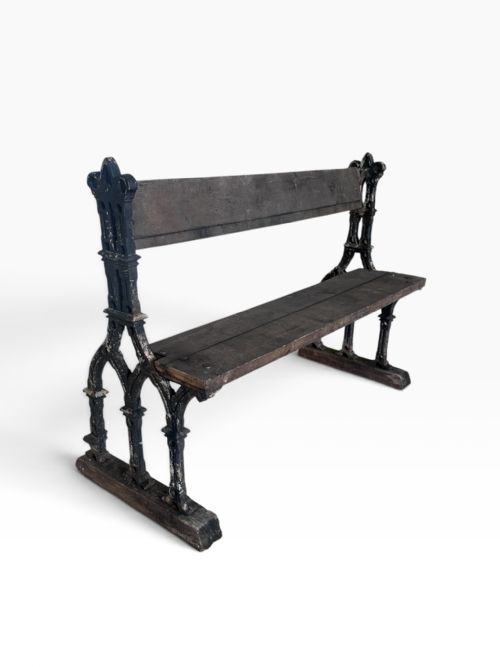
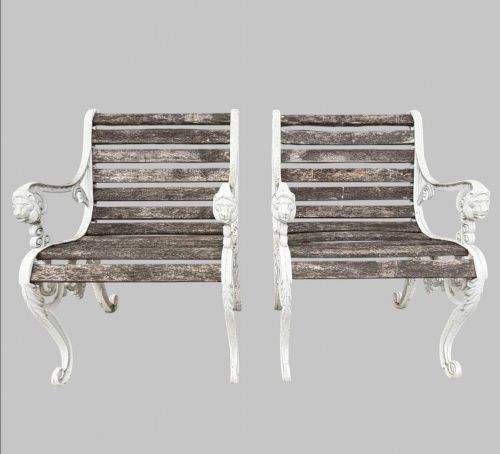
Construction relies on the combination of durable timbers such as teak, elm, and general wood with robust metal components. Cast iron and wrought iron provide sturdy frames, often incorporating decorative details like lion masks or Gothic tracery.
Teak and elm elements withstand outdoor elements naturally, developing silvered or weathered patinas over decades of exposure. Metal frames frequently feature painted finishes or retain the dark tones characteristic of nineteenth-century foundry work.
Wooden Park Bench Retail Price Guide 2026
Typical asking prices for wooden park bench among the pieces listed under this phrase on Sellingantiques today, from the lower quarter to the upper quarter. They describe what is for sale here now, not the wider market.
Listings feature teak, elm, paint, timber, wrought iron, and cast iron across Victorian, Edwardian, and interwar periods.
What varies in quality
Quality in these pieces depends on the integrity of the original construction and the harmony between timber slats and metal supports. Superior examples demonstrate refined casting in iron components alongside well-proportioned woodwork that retains its structural stability.
The degree of weathering on wooden surfaces contributes to the character of each piece, distinguishing items that have aged gracefully outdoors. Original foundry marks and distinct decorative motifs elevate the standing of individual benches within their period.
Coalbrookdale
The Wooden Park Bench Glossary
- Cast iron
- A strong, hard alloy of iron and carbon poured into moulds to create intricate decorative frames. This material forms the sturdy base of many period garden benches.
- Faux bois
- An artistic imitation of wood grain applied to materials such as concrete or iron. This style appears on nineteenth-century garden furniture to mimic natural branches.
- Teak
- A dense, durable tropical hardwood valued for its high natural oil content and resistance to moisture. It is frequently utilised for garden seating designed to remain outdoors.
- Victorian Gothic
- A nineteenth-century design style drawing on medieval architectural motifs such as pointed arches and trefoils. This aesthetic is found on cast iron bench ends from the period.
Wooden Park Bench: Frequently Asked Questions
How do I care for a teak bench?
Teak naturally develops a silvered patina when exposed to outdoor weather over time. Regular cleaning with mild soapy water helps remove surface dirt without stripping natural oils.
Applying protective oils is optional and depends entirely on personal preference regarding the wood colour. Most owners simply leave the timber to weather naturally in the garden.
Can these benches stay outside all winter?
Hardwoods like teak and elm combined with cast iron frames are designed to withstand changing seasonal weather. Their robust construction handles rain, frost, and sun exposure successfully throughout the year.
Placing the feet on small stones or paving slabs prevents moisture absorption from damp ground. This simple measure protects the lower wooden elements during prolonged wet periods.
What distinguishes Victorian garden benches?
Victorian examples frequently incorporate ornate cast iron ends featuring Gothic patterns, plant motifs, or manufacturer designs. The woodwork consists of heavy timber slats secured directly to the metal frame.
These pieces often display a heavier, more substantial construction than later twentieth-century alternatives. Their decorative ironwork reflects the industrial manufacturing capabilities of the nineteenth century.
How are two seater benches best placed?
Positioning these seats along garden pathways, beneath trees, or against patio walls creates inviting resting spots. Their scale suits smaller courtyards as well as expansive lawns and traditional park settings.
Pairing a bench with matching garden armchairs creates a cohesive seating arrangement for outdoor entertaining. The natural materials blend harmoniously into planted borders and landscape designs.