



Wooden Kitchen Credenza
These wooden kitchen credenza pieces provide sturdy storage and useful work surfaces, grounding a room with rustic character and history.
Wooden Kitchen Credenza
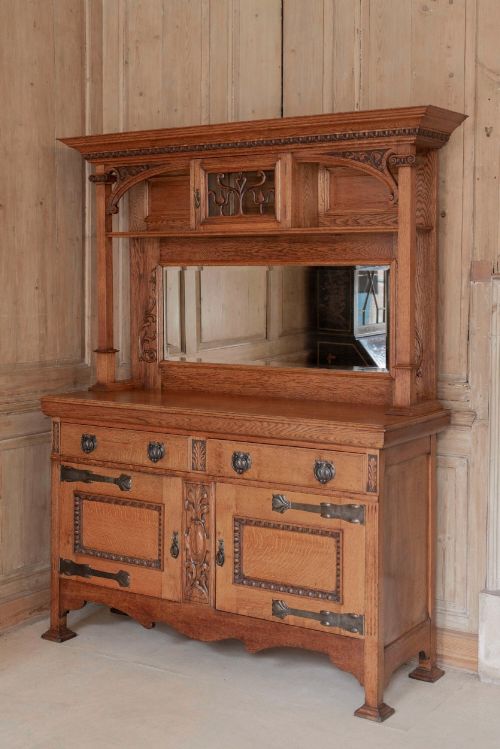
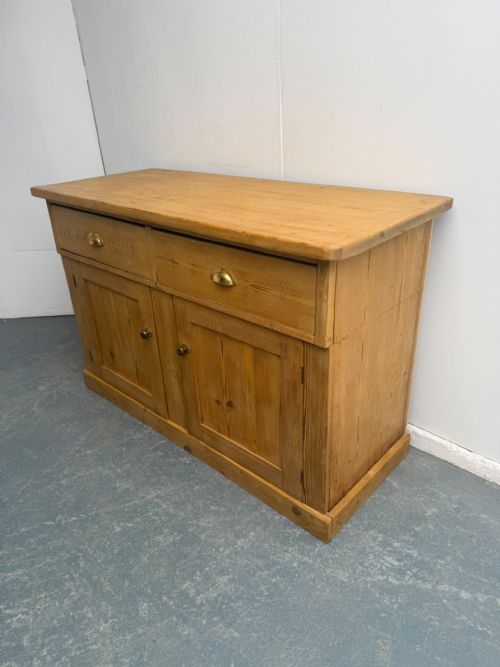
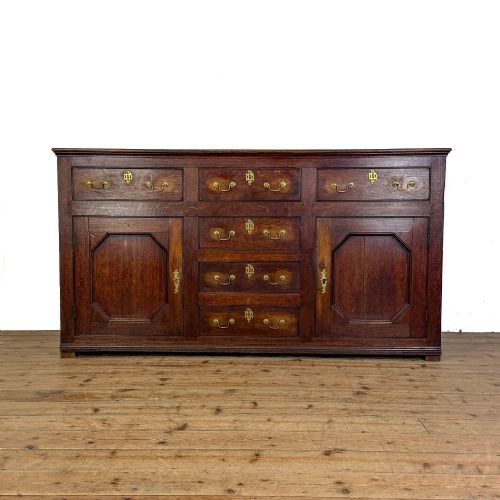
When searching for a wooden kitchen credenza, buyers encounter sturdy low cupboards, dresser bases, and sideboards originating from the eighteenth and nineteenth centuries. These items served domestic utility in country houses, farmhouses, and provincial interiors, designed to store provisions and tableware while providing a solid working top.
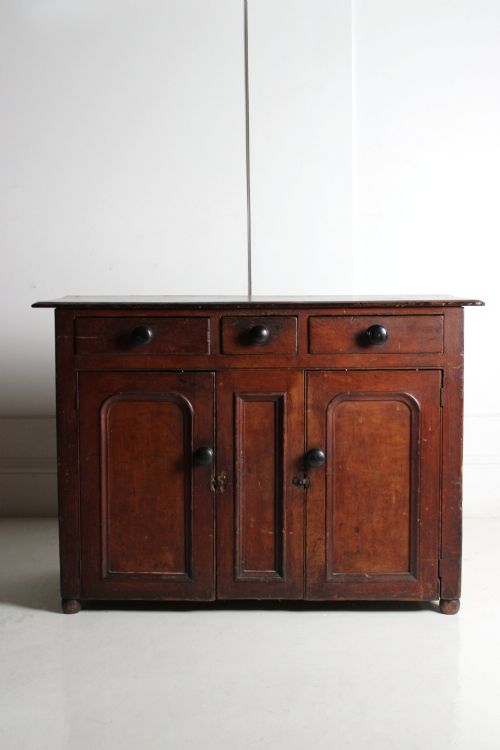
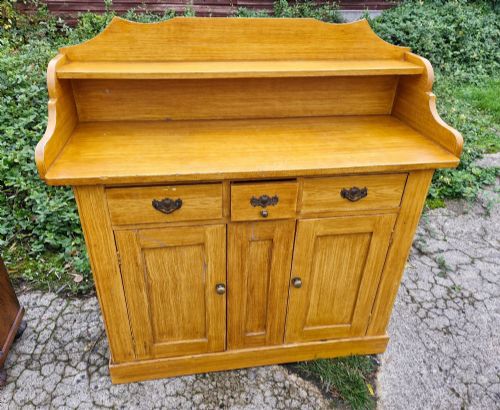
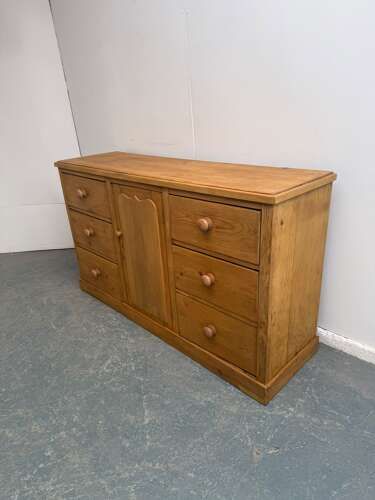
The most common examples on this page are pine and oak dresser bases from the Victorian period and earlier nineteenth century. English country and French provincial workshops produced these robust forms, alongside occasional Swedish and Scottish regional variations.
Object types include housekeepers cupboards, low buffets, and chiffoniers, all sharing a low profile suited to kitchen or dining environments. Their enduring appeal lies in straightforward construction and honest domestic utility.
What varies in quality
Quality rests in the integrity of the timber and the honesty of the surfaces. Pieces retaining original paint finishes or mellow waxed patinas hold greater historical interest than stripped or heavily altered examples.
Proportion and structural soundness separate standard utility pieces from finer vernacular examples. Well-proportioned drawer arrangements and sturdy original base framing indicate careful regional craftsmanship.
Wooden Kitchen Credenza Retail Price Guide 2026
Typical asking prices for wooden kitchen credenza among the pieces listed under this phrase on Sellingantiques today, from the lower quarter to the upper quarter. They describe what is for sale here now, not the wider market.
Certain Swedish cupboards carry cheerful ragwork paint finishes applied by rural hands centuries ago.
The Wooden Kitchen Credenza Glossary
- Dresser base
- A low kitchen or dining room sideboard featuring drawers above cupboards, historically used for food preparation and storage. They lack the upper plate racks associated with full kitchen dressers.
- Housekeepers cupboard
- A large storage cabinet utilised in country houses for linens, dry goods, and domestic equipment. These tall or low cupboards demonstrate heavy-duty vernacular construction.
- Chiffonier
- A small sideboard or low cabinet popular during the nineteenth century, often equipped with enclosed shelving beneath a surface top. They offered compact storage in dining spaces.
- Ragwork paint
- A decorative surface technique where rags or cloths are used to apply or manipulate paint on wooden furniture. This method created textured, mottled colour finishes popular in Scandinavian and British country pieces.
- Provincial
- Describing furniture made in regional areas outside metropolitan centres, often reflecting local design traditions and readily available native timbers. These pieces emphasise utility over high-style ornament.
Wooden Kitchen Credenza: Frequently Asked Questions
What is a wooden kitchen credenza?
A wooden kitchen credenza generally refers to low sideboards, dresser bases, and cupboards used for storage in domestic spaces. These antique items provide flat working surfaces and lower compartments originally intended for kitchen provisions.
Such pieces range from eighteenth-century oak and pine examples to Victorian country furniture. They function well in modern kitchens and dining rooms as practical storage units with historical charm.
How do I care for antique pine furniture?
Antique pine and oak surfaces respond best to gentle cleaning and occasional waxing to maintain the natural patina of the wood. Avoid placing these items near direct heat sources or excessive moisture to prevent timber movement.
Original painted finishes require particular care to preserve the historical pigment. Using soft cloths and mild cleaners ensures the surface remains stable over time.
Where were these cabinets made?
The pieces listed originate from various British and European regions, including English country houses, French provincial workshops, and Swedish rural districts. Local joiners utilised regional timbers such as pine, oak, and walnut.
Regional differences appear in the hardware, paint treatments, and overall proportions. This local variation gives each piece a distinct character rooted in its place of origin.
Can I use a dresser base in a modern kitchen?
Dresser bases and low cupboards integrate smoothly into modern kitchens by offering functional surface areas and deep drawer storage. Their shallow depths make them suitable for narrower rooms and hallways.
These low wooden units provide an alternative to fitted cabinetry while introducing historic texture. They serve well for storing tableware, linens, or dry goods.