






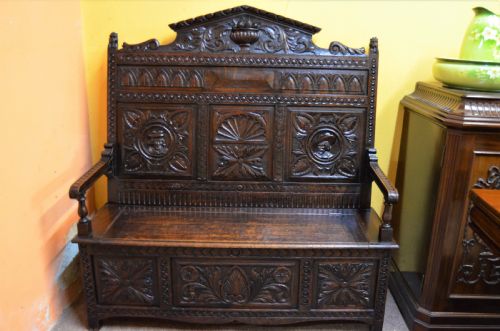


Wooden Hall Table Seat
These wooden hall table seat pieces offer dual purpose functionality and compact seating, perfect for narrow entryways.
Wooden Hall Table Seat
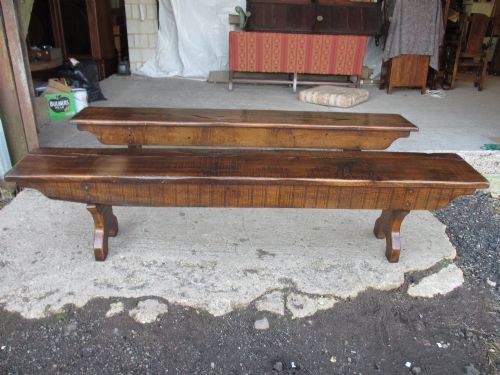
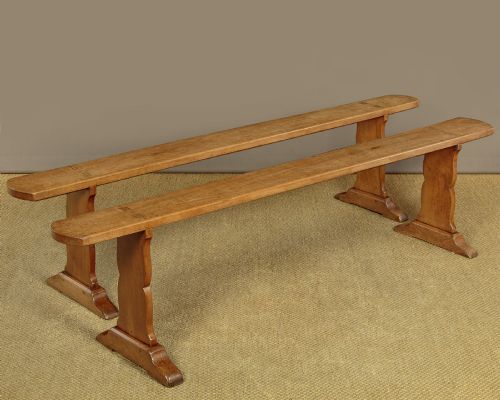
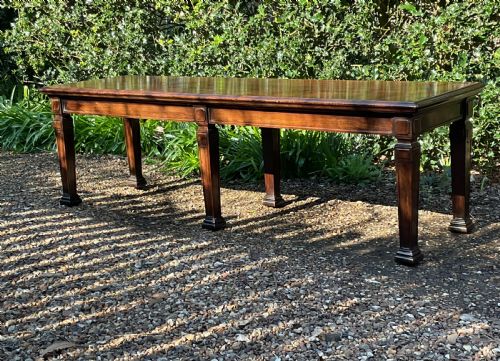
A wooden hall table seat serves as practical entrance furniture, combining a place to sit with a table surface or storage compartment. When searching for a wooden hall table seat, buyers encounter variations ranging from monastic benches with fold-over tops to long elm benches and Edwardian mahogany window seats.
Materials and Construction
Makers utilised solid timbers such as oak, mahogany, cherrywood, pine, and elm to construct these robust hall furnishings. Joinery techniques varied from simple pegged construction on rustic country pieces to intricate hand-carving and inlay work on Edwardian and Victorian models.
Secondary elements include fabric upholstery on specific stools and window seats, alongside hinged mechanisms that allow table tops to convert into chair backs. Timber selection dictated the structural integrity, with dense hardwoods like oak providing durability for daily hallway use.
Wooden Hall Table Seat Retail Price Guide 2026
Typical asking prices for wooden hall table seat among the pieces listed under this phrase on Sellingantiques today, from the lower quarter to the upper quarter. They describe what is for sale here now, not the wider market.
Several unusual pieces incorporate hand-carved elephants into their woodwork, offering a whimsical twist on traditional hallway seating.
Assessing Quality and Execution
Quality in these items rests upon the crispness of the carving, the selection of timber grain, and the mechanical precision of folding tops or storage compartments. Superior examples display balanced proportions, tight joints, and harmonious integration of decorative elements without excessive ornamentation.
The integrity of the original timber and the subtlety of period alterations separate standard utility items from finer decorative pieces. Better examples retain their original surfaces and functional hardware, demonstrating careful consideration by the cabinetmaker.
The Wooden Hall Table Seat Glossary
- Monks Bench
- A multifunctional piece of furniture featuring a hinged top that folds down to convert a chair or settle back into a table. This form gained popularity during revival periods utilising dark oak.
- Settle
- A wooden bench with a high back, solid arms, and often a storage compartment beneath the seat designed to block draughts in hallways. These items utilise panelled construction.
- Window Seat
- An elongated stool or low bench built to sit beneath a window recess, frequently constructed from mahogany or cherrywood during the Edwardian era. Upholstered pads often accompany the wooden frames.
- Trestle Ends
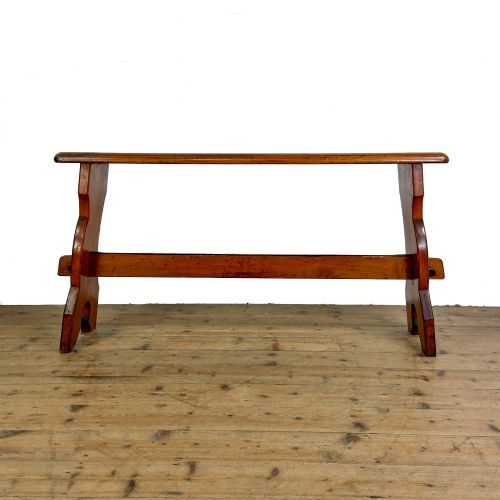
- Support structures at either end of a bench or table connected by a central stretcher, visible on heavy oak benches. This design provides stable floor contact in narrow spaces.
- Centre Table
- A freestanding table designed to be viewed from all sides, occasionally utilised in large entrance halls alongside companion seating. Square or circular tops accommodate multiple people.
Wooden Hall Table Seat: Frequently Asked Questions
What is a monks bench?
A monks bench is a convertible piece of furniture featuring a solid wooden seat and a backrest that folds down horizontally to form a table top. This dual-purpose design conserved space in traditional hallways and living areas.
Most surviving examples date from the Victorian era onwards, constructed primarily from dark carved oak with hinged compartments hidden beneath the seat.
How were hall seats used historically?
Hall seats provided a convenient spot for putting on or removing outdoor footwear and heavy garments upon entering a home. They also served as a secure place to store accessories within built-in lift-up compartments.
In larger properties, grander versions made from mahogany or cherrywood acted as decorative focal points for visitors waiting in the entrance vestibule.
Where should I place a hall seat?
These pieces suit narrow hallways, corridors, and entrance porches where floor space is limited yet practical seating is required. The convertible nature of folding table versions allows them to function as occasional surface space when not occupied.
Matching the timber tone to existing entrance furniture helps integrate the piece into the architectural style of the hallway.
How do I identify an Edwardian hall seat?
Edwardian hall seats often feature lighter mahogany or quarter-sawn oak construction, occasionally incorporating subtle inlay work or shaped trestle ends. The proportions tend to reflect domestic spaces of the early twentieth century.
Makers of this period combined traditional joinery methods with refined decorative carving, distinguishing them from heavier, darker Victorian styles.