

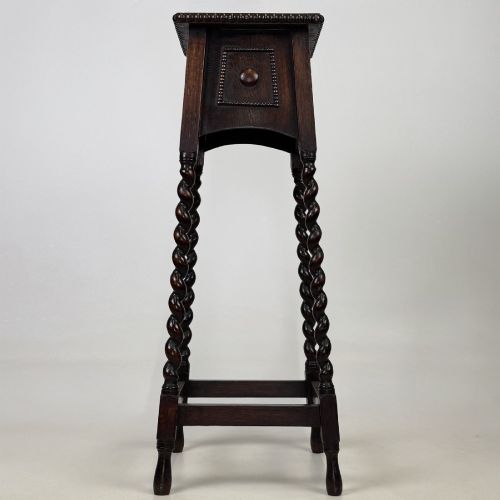
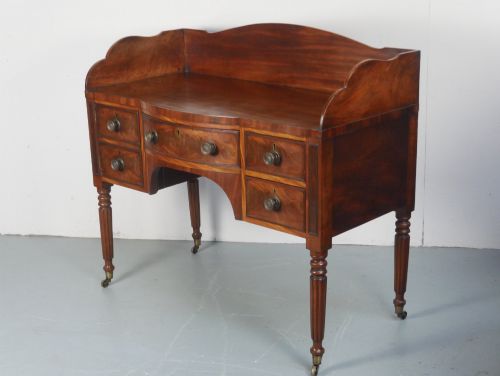
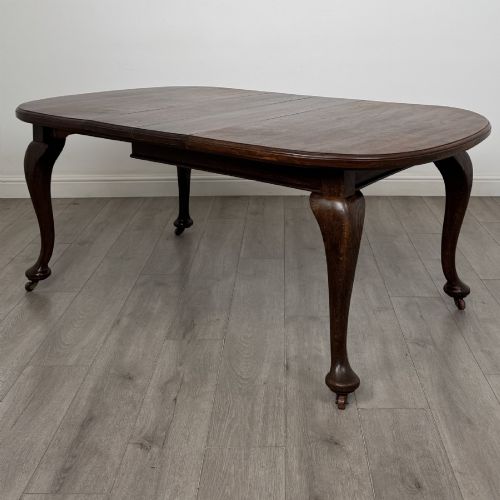
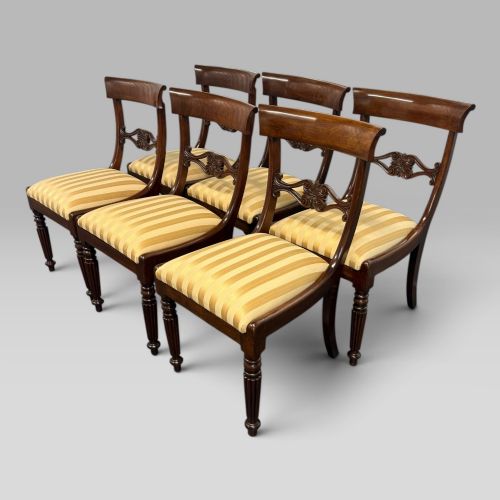
Wooden Furniture Legs
Solid wooden furniture legs reveal much about a piece's period and structural grace, carrying the weight of tables, chairs, and cabinets through centuries of daily use.
Wooden Furniture Legs
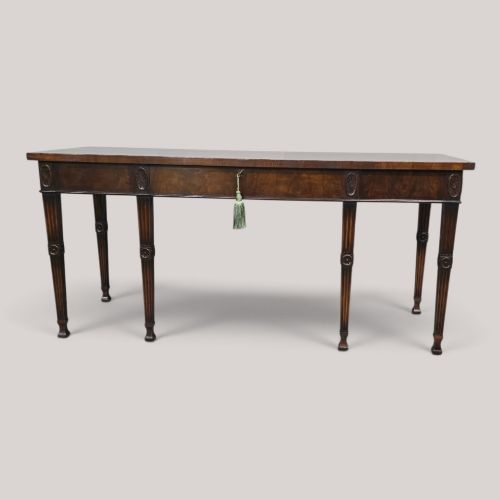
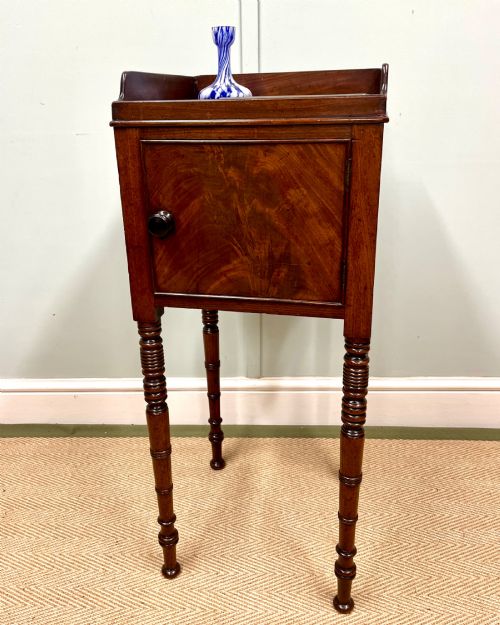
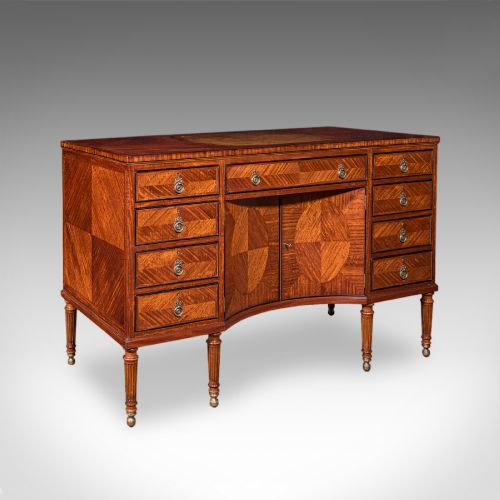
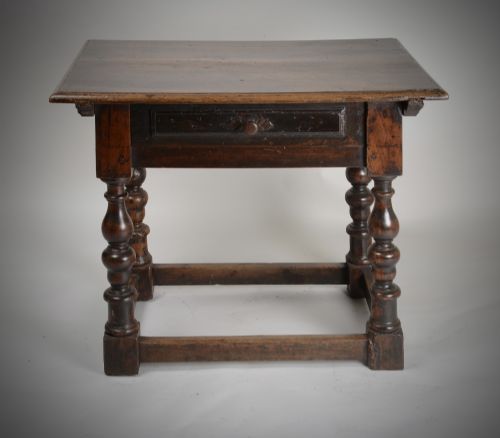
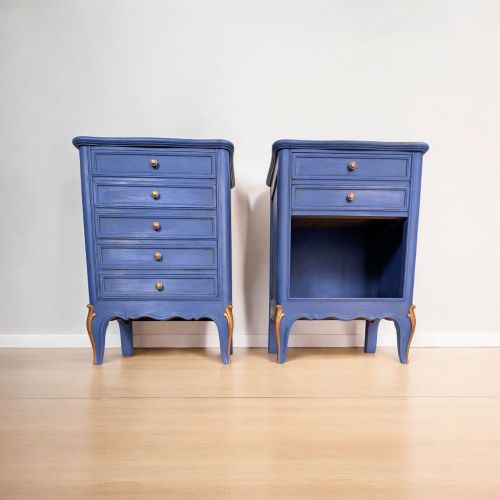
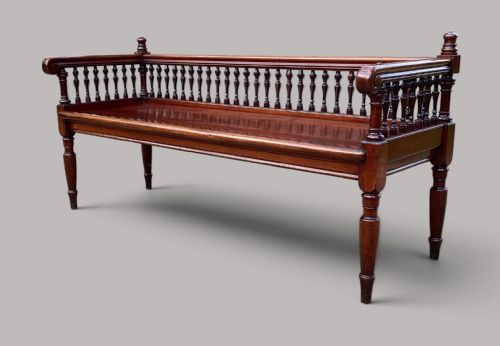
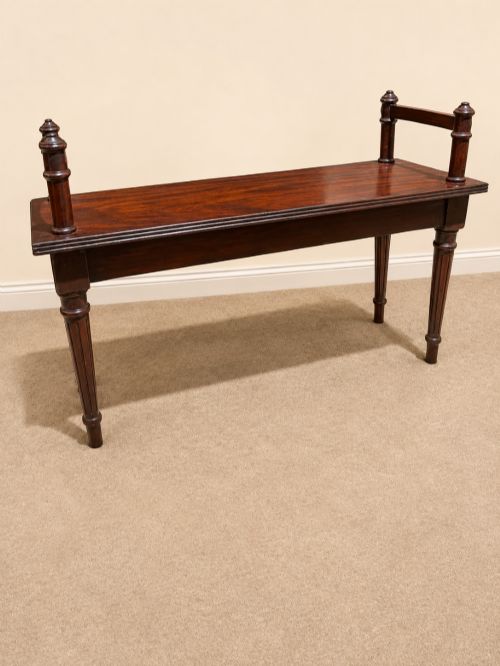
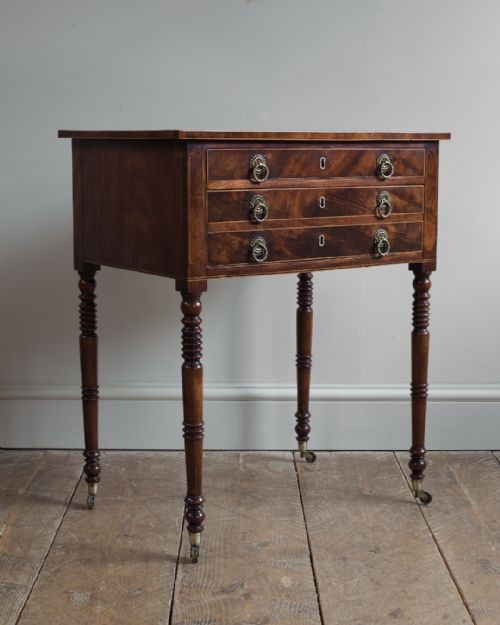
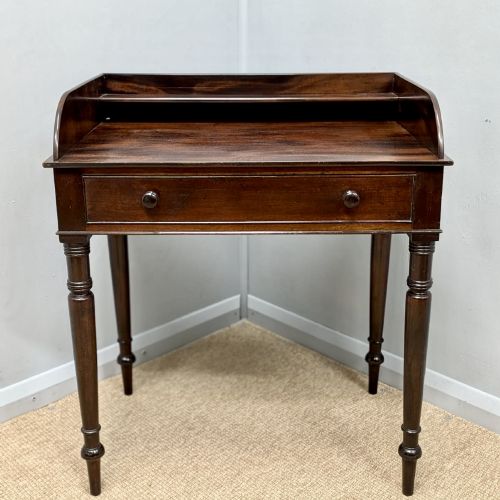
Wooden furniture legs support an array of items such as side tables, dining chairs, chests of drawers, and benches found in this collection. These structural supports anchor larger forms like wine coolers, washstands, and low boys, dictating the stance and profile of the item.
Most examples hail from the 18th and 19th centuries, alongside Edwardian and 1930s interpretations, showing how makers adapted support to shifting domestic fashions. Whether turned on a lathe or carved by hand, these components form an integral part of the furniture's architectural vocabulary.
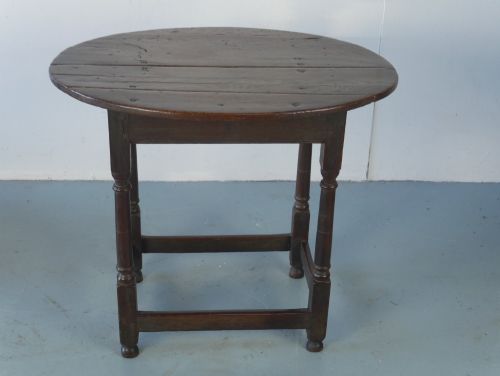
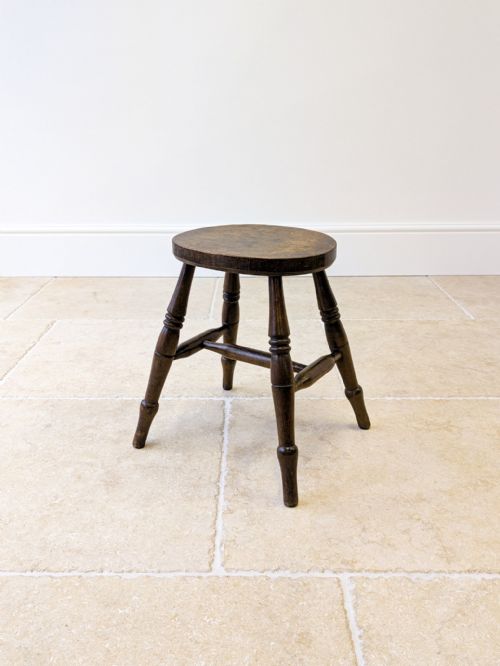
While shoppers search for wooden furniture legs specifically, complete items like joint stools, tavern tables, and window benches demonstrate how these supports integrate into historic seating and surface designs. Each piece reflects the structural demands of its specific era, from simple rustic framing to refined parlour styling.
How they were made
Craftsmen shaped these supports primarily from hardwoods like mahogany, oak, walnut, and elm, selecting timber for grain strength and density. Brass fittings occasionally reinforced stress points or protected foot terminals on finer tables and desks.
Turnery lathes produced uniform cylindrical or bobbin-turned profiles on early supports, while manual chisels achieved cabriole curves and tapered shapes. Joinery techniques such as mortise and tenon joints secured the leg firmly to the apron or frame of the host piece.
Wooden Furniture Legs Retail Price Guide 2026
Typical asking prices for wooden furniture legs among the pieces listed under this phrase on Sellingantiques today, from the lower quarter to the upper quarter. They describe what is for sale here now, not the wider market.
One surviving tavern table leg acts as a memento of the lively 1880 Chester Electoral Beer Riots.
What varies in quality
The sophistication of the carving and the choice of primary timber separate standard utility items from high-status commissions. Finely figured mahogany or burr elm displays superior visual depth compared to plain utility hardwoods.
Proportional harmony between the leg and the overarching body dictates the success of the design. Crispness in turned rings or carved details indicates skilled execution by the maker.
Maple and Co·Liberty and Co·Guillows
The Wooden Furniture Legs Glossary
- Cabriole leg
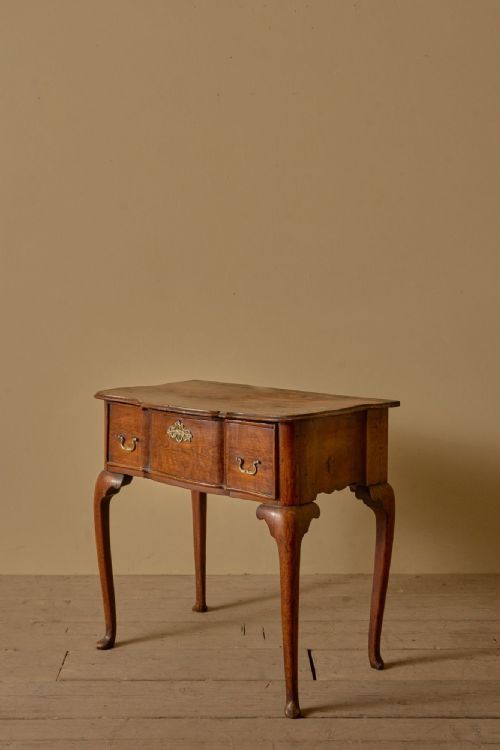
- A furniture support curving outwards at the knee and inwards at the ankle, ending in a pad or foot. This form derives from animal limbs and gained popularity during the 18th century.
- Bobbin-turned
- A cylindrical wooden support shaped on a lathe to resemble a series of rounded reels or bobbins. This decorative turning technique appears frequently on 17th and early 18th century oak furniture.
- Tapered leg
- A straight support that gradually narrows toward the base. It is commonly found on Edwardian and neoclassical pieces.
- Joint stool
- A sturdy wooden seat constructed with mortise and tenon joints rather than turned legs alone. These early domestic items provided heavy-duty seating before upholstered chairs became widespread.
- Low boy
- A small side table featuring drawers beneath the surface and elevated on four relatively tall legs. These low tables served various domestic functions in Georgian interiors.
Wooden Furniture Legs: Frequently Asked Questions
How do I identify the period of wooden furniture legs?
Examine the silhouette, tool marks, and timber choice to determine the manufacturing era. Turned bobbins often indicate 17th century oak work, while smooth cabriole shapes point toward 18th century mahogany styles.
Compare the stretcher placement and joint construction against dated examples from the same region. Regional variations in timber use further help narrow down the decade of production.
Were these supports always attached permanently?
Most historic supports form an integral part of the main frame, secured with pegged mortise and tenon joints. Dining tables and larger cabinets relied on fixed framing to maintain stability under heavy loads.
Removable screw-in variations appeared more commonly in later manufacturing periods. Fixed construction remains the standard hallmark of earlier craftsmanship.
How should I clean antique wooden furniture legs?
Dust the surfaces gently with a soft, dry cloth to remove everyday grit without harming the finish. Avoid modern silicone sprays that can penetrate porous old timber and soften historic wax.
Apply a traditional beeswax polish sparingly if the wood appears dry or dull. Buffing gently with a clean cloth restores a natural, historic sheen.
Can I mix different furniture leg styles in one room?
Mixing period styles works well if the timber tones share a similar warmth or patina. An 18th century mahogany low boy pairs comfortably with later Edwardian seating when the wood grain complements the overall room palette.
Balance heavy turned oak pieces with lighter tapered legs to prevent the floor space from feeling visually cluttered. Scale and proportion matter more than matching every decorative detail.