



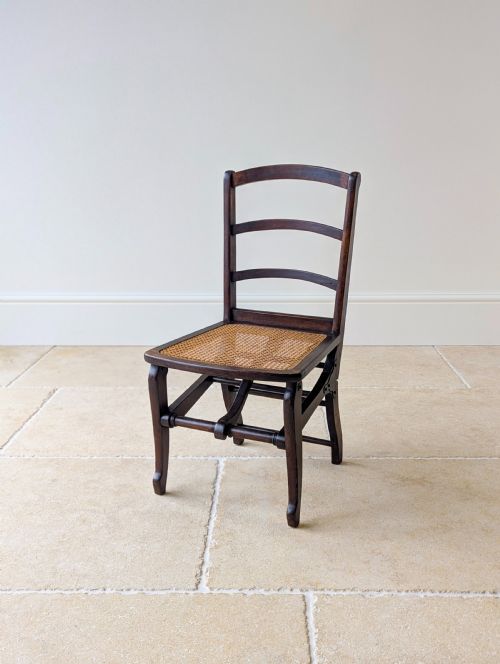


Wooden Folding Chairs
These wooden folding chairs bring clever engineering and portable comfort to any room, turning simple timber into versatile seating with centuries of history behind it.
Wooden Folding Chairs
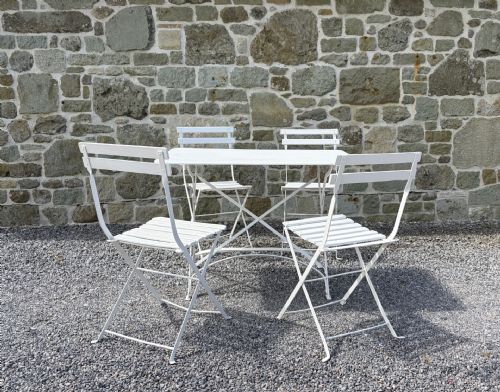
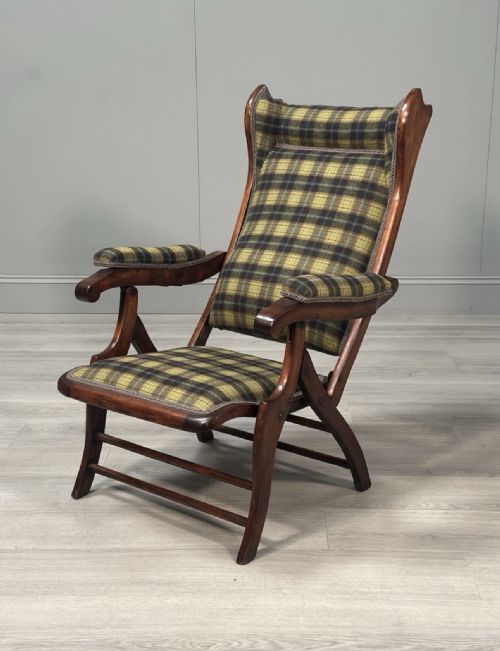
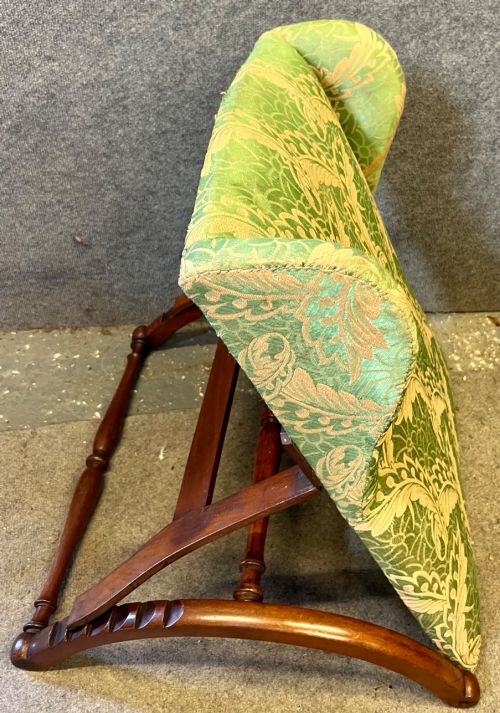
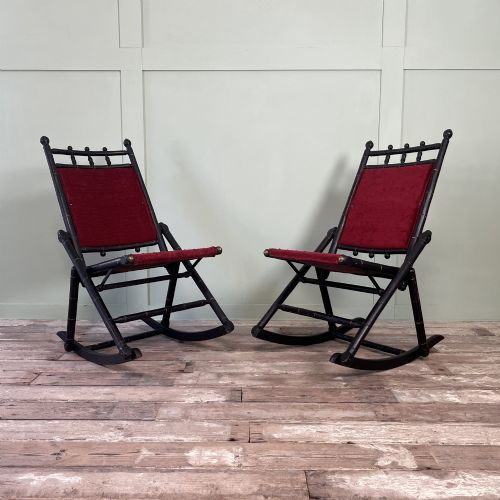
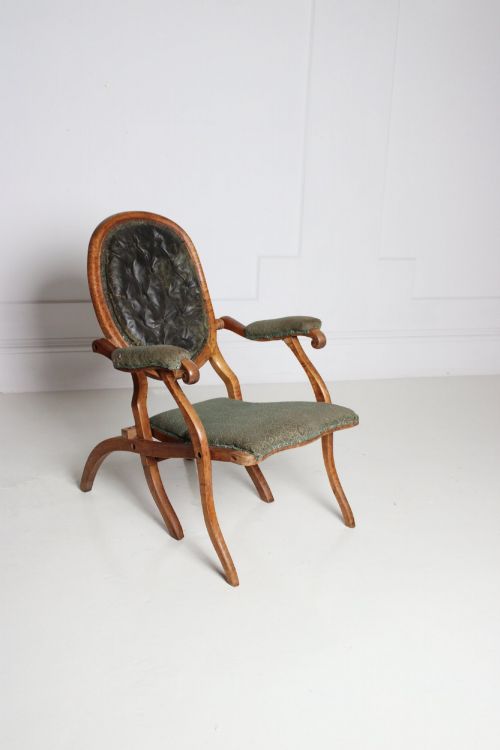
Wooden folding chairs span portable campaign furniture, metamorphic library steps that transform into seats, and relaxed deck chairs designed for travel or garden use. Collectors encounter pieces from the Regency and Victorian eras alongside Edwardian designs and early twentieth-century examples.
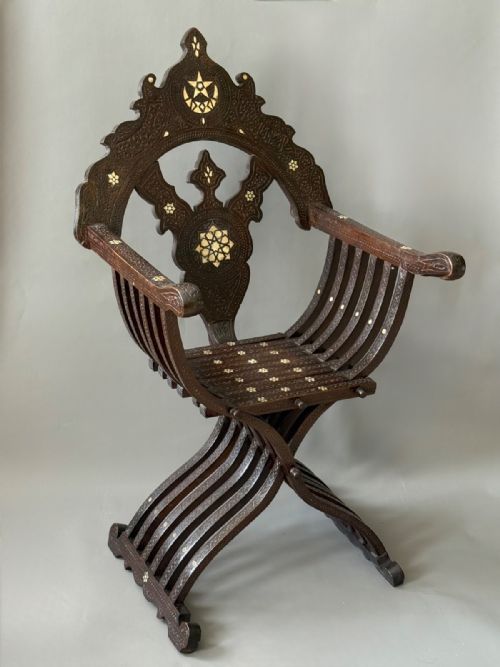
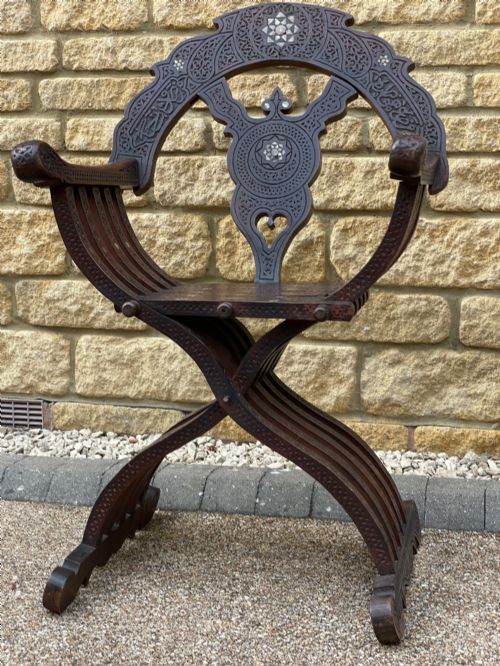
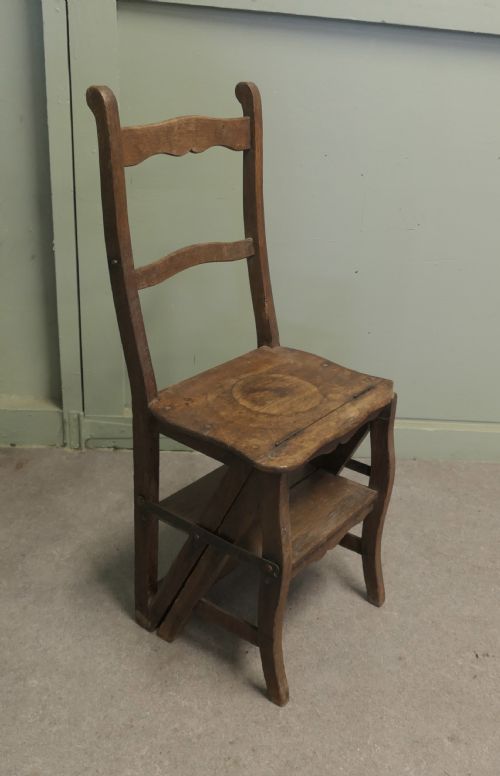
The selection ranges from sturdy oak hall seats and walnut campaign chairs to exotic Syrian mother-of-pearl inlaid items and French rustic ladder steps. Each form demonstrates how makers solved the problem of space-saving seating long before modern mass production.
Many items serve dual purposes, functioning as armchairs, rocking chairs, or daybeds that collapse neatly when not in use. These versatile pieces suit contemporary interiors just as well as they served nineteenth-century libraries and officers on campaign.
How they were made
Carpenters utilised dense timbers like oak, walnut, mahogany, and birds-eye maple to ensure the folding frames remained structurally sound despite repeated movement. Joints required precise cutting so hinges and pivots operated smoothly without compromising the load-bearing strength of the seat.
Decorative elements often included brass fittings, bone button decorations, and intricate mother-of-pearl inlays set directly into the wood. Caned panels, fabric upholstery, and iron hardware completed the construction, balancing utility with aesthetic appeal across different cultural traditions.
Wooden Folding Chairs Retail Price Guide 2026
Typical asking prices for wooden folding chairs among the pieces listed under this phrase on Sellingantiques today, from the lower quarter to the upper quarter. They describe what is for sale here now, not the wider market.
Listings feature oak, walnut, mahogany, and iron, spanning the Regency, Victorian, and Edwardian periods.
What varies in quality
The degree of refinement in the carving, such as pierced crest rails and delicate fluting, distinguishes standard utility seating from high-end library chairs and salon pieces. Superior examples maintain tight, original joints that allow the folding mechanism to operate without slack or wobble.
Material selection plays a major role, with figured walnut and richly carved mahogany commanding greater appreciation than plain utilitarian hardwoods. The preservation of original decorative components, from brass hinges to bone buttons, elevates the standing of any piece.
The Wooden Folding Chairs Glossary
- Metamorphic
- Furniture designed to transform from one object into another, such as an armchair that unfolds into a set of library steps.
- Campaign style
- Portable furniture built for travel and military campaigns, typically featuring folding frames and dismantling components.
- Savonarola chair
- A type of X-framed folding chair originating in the Italian Renaissance, constructed from multiple curved wooden slats.
- Glastonbury chair
- A traditional folding armchair with a panel back and X-form underframe, often associated with medieval ecclesiastical designs.
- Aesthetic Movement
- A late nineteenth-century design style emphasising visual beauty and craftsmanship over orthodox historical revivalism.
Wooden Folding Chairs: Frequently Asked Questions
Are wooden folding chairs comfortable?
Many examples include upholstered seats, reclining backs, or ergonomic wooden slats designed to support the body during extended periods of sitting. Campaign and steamer chairs specifically prioritized relaxation for travellers and readers.
Simpler hall seats and metamorphic steps offered sturdy temporary perches rather than deep lounging comfort. The addition of cushions or fabric slings transformed rigid wooden frames into relaxing seats.
How do metamorphic chairs work?
Metamorphic chairs use clever pivot points and sliding sections that allow the backrest to swing over and convert the seat into a stable staircase. This dual functionality saved space in compact nineteenth-century libraries.
Operating these pieces requires gentle handling to guide the wooden tracks and brass hinges safely into their alternate configuration. The mechanism remains hidden when used as a standard armchair.
Where were campaign chairs used?
Campaign chairs travelled with military officers, colonial administrators, and explorers who required portable furniture that packed flat into trunks. Their folding design made transport on horseback, ships, and wagons manageable.
As travel became more comfortable in the Victorian era, similar folding designs found their way onto domestic verandas, lawns, and yachts. Their durable construction ensured they survived arduous journeys across different continents.
How do I date an antique folding chair?
Dating relies on identifying stylistic markers, such as Gothic Revival tracery, Aesthetic Movement faux bamboo, or Regency mahogany reeding. The presence of specific hardware and construction methods also points to distinct manufacturing eras.
Comparing the timber choice and decorative carving styles against documented periods helps narrow down the decade of production. Maker signatures or patent stamps occasionally appear on the underside of the frame.