

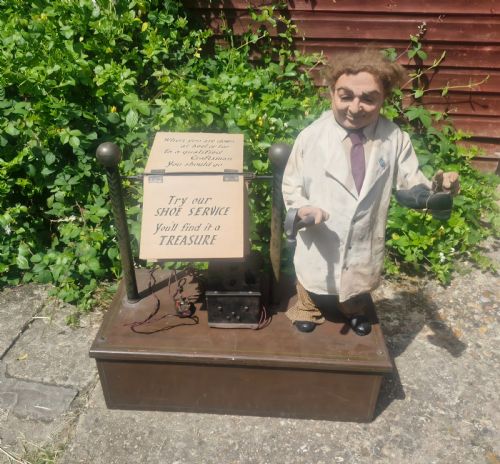


Wooden Figure Model
A wooden figure model brings character to a room, offering everything from articulated artist mannikins to naive folk art carvings.
Wooden Figure Model
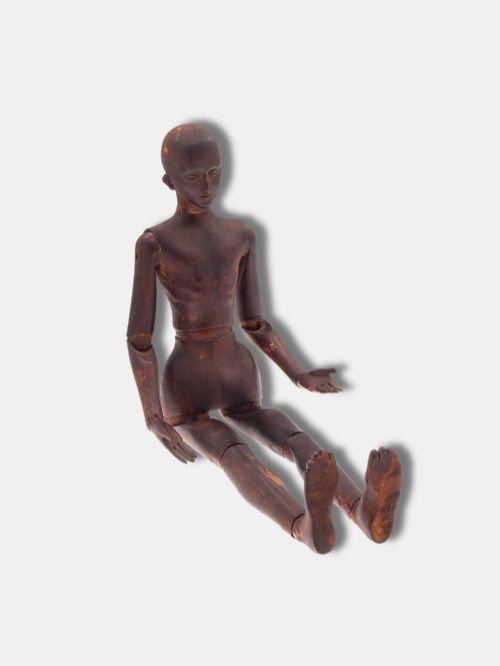
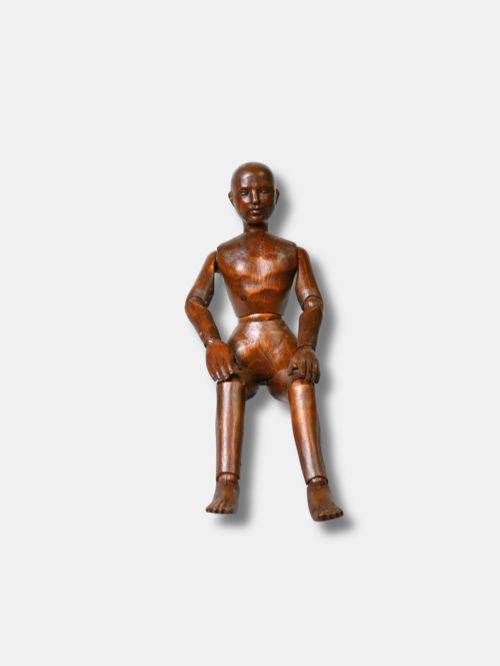
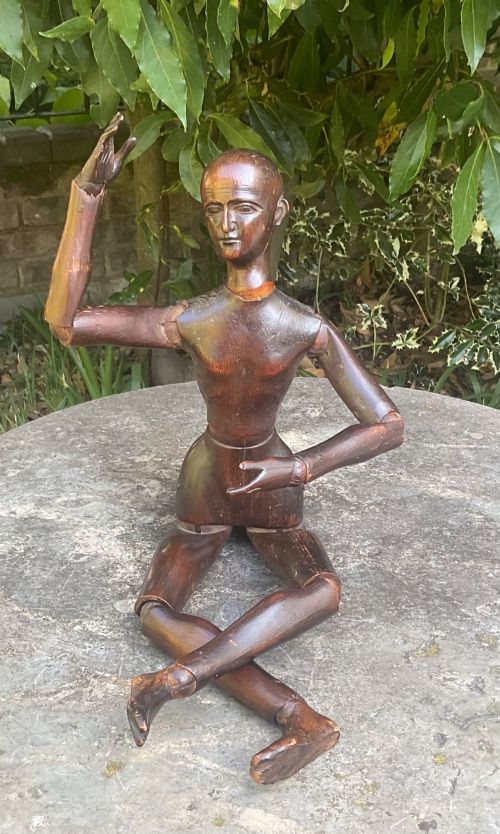
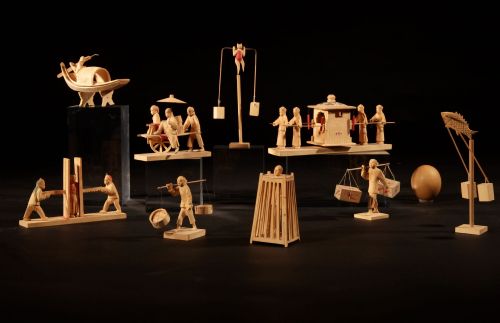
When you search for a wooden figure model, you encounter a varied assortment of carved objects spanning utility and display. The selection encompasses artist lay figures, shop display models, folk art sculptures, and carved animal figures.
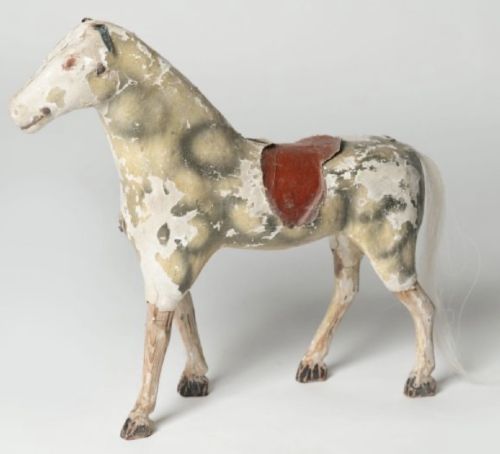
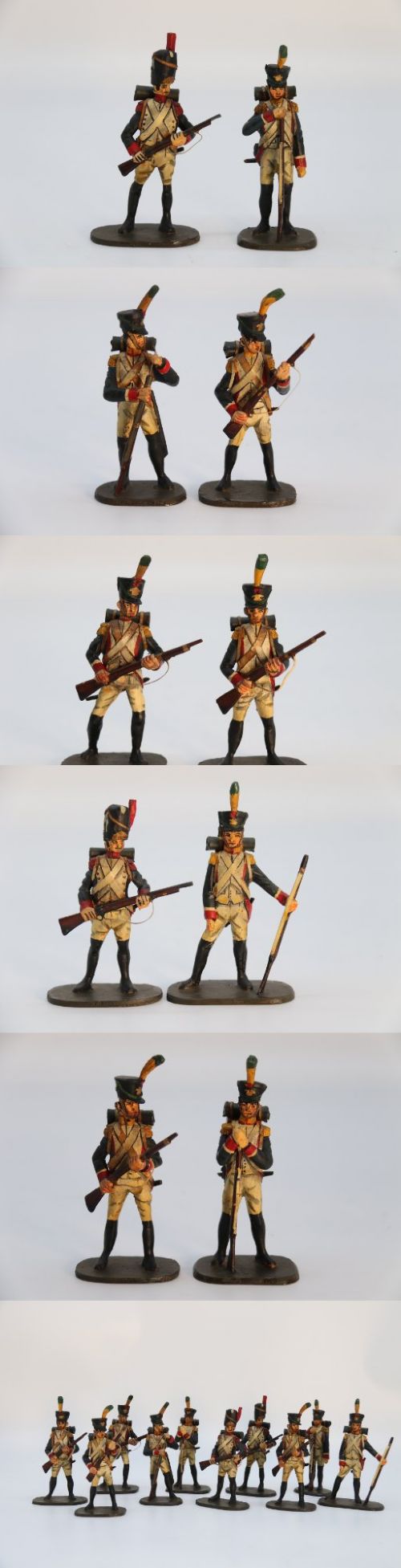
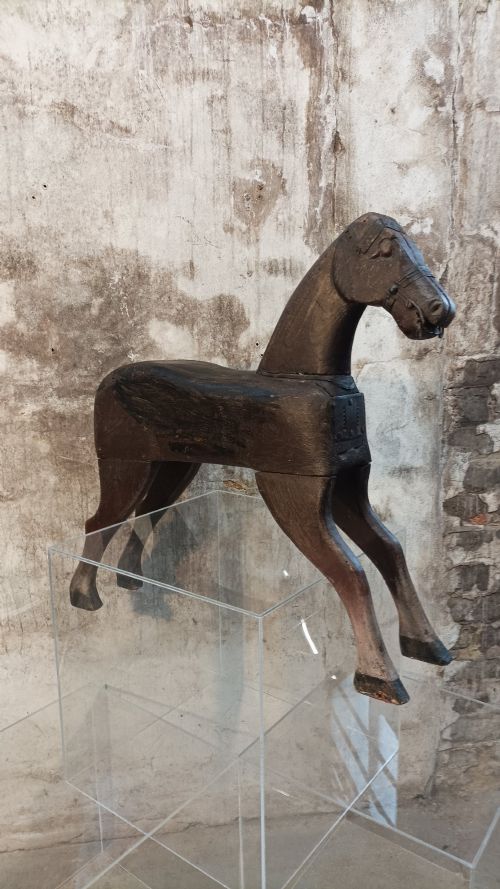
The most common forms on this page include articulated mannequins from French and German workshops, alongside painted wooden horses, soldiers, and shop displays. These objects bridge the gap between practical studio tools and decorative folk sculpture.
Origins stretch across Europe and Asia, featuring French and German studio pieces, Chinese wood carvings, Russian Bogorodskoe carvings, and Indo-Persian hardwood horses. Each piece reflects the functional or decorative traditions of its specific origin.
How they were made
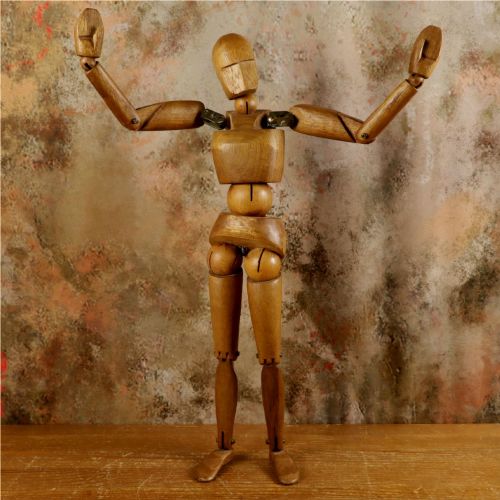
Makers utilised various woods including teak, hardwood, and general carved wood, shaping them with hand-carving techniques. Metal joints appear in fully articulated artist lay figures to allow movement.
Surface treatments range from plain polished wood to applied paint and leather. Painted finishes define many folk art animal sculptures and military figures from the nineteenth and early twentieth centuries.
Wooden Figure Model Retail Price Guide 2026
Typical asking prices for wooden figure model among the pieces listed under this phrase on Sellingantiques today, from the lower quarter to the upper quarter. They describe what is for sale here now, not the wider market.
Listings span the 19th Century through to 1930, incorporating materials such as wood, paint, metal, iron, leather, hardwood, and teak.
What varies in quality
Quality rests in the precision of the carving and the complexity of the form. A fully articulated lay figure with functional joints demonstrates superior craftsmanship compared to a rigid model.
The sophistication of the surface finish further separates examples. Hand-painted details on naive animal sculptures and military figures elevate the visual depth of the piece.
The Wooden Figure Model Glossary
- Artist lay figure
- A wooden articulated mannequin used by painters and sculptors to study the human form and drapery. These figures feature movable joints held together with metal or wooden pins.
- Folk art
- Objects created by self-taught or traditional makers outside the formal academic tradition. These pieces often display a naive or primitive aesthetic.
- Shop display model
- A three-dimensional object utilised by retailers to advertise goods or attract customers to a business. Examples include butchers shop displays and cobblers models.
- Memento mori
- An artistic reminder of the inevitability of death, frequently represented by skeleton figures. These objects served as philosophical reflections in interior settings.
Wooden Figure Model: Frequently Asked Questions
What is an artist lay figure?
An artist lay figure is a jointed wooden mannequin designed to hold poses for painters and sculptors. They helped artists study anatomy, perspective, and the fall of fabric.
These models date from the nineteenth and early twentieth centuries, constructed in varied sizes with metal or wooden linkages inside the limbs.
How were shop display models used?
Shop display models served commercial purposes in nineteenth and twentieth-century retail environments. Butchers, cobblers, and other tradesmen used them to draw attention to their shops.
These functional items often took the form of animals or trade-specific scenes, carved and painted to attract passing customers.
How do I identify folk art wooden figures?
Folk art wooden figures display naive or unpolished characteristics that set them apart from academic studio pieces. Makers focused on expressive forms rather than strict anatomical proportions.
Surface paint, tool marks, and simple construction methods typically define these regional carvings from European and Asian traditions.
Are these wooden figures articulated?
Articulation depends entirely on the specific type of model. Artist lay figures feature fully articulated joints designed for movement.
Other objects such as animal sculptures, soldiers, and architectural displays remain rigid in a single fixed pose.