

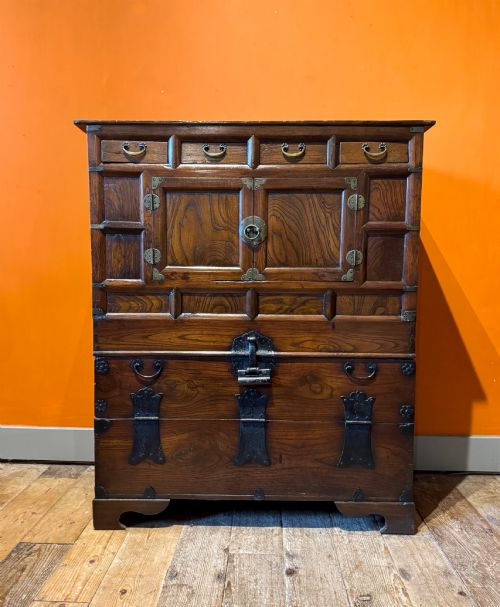
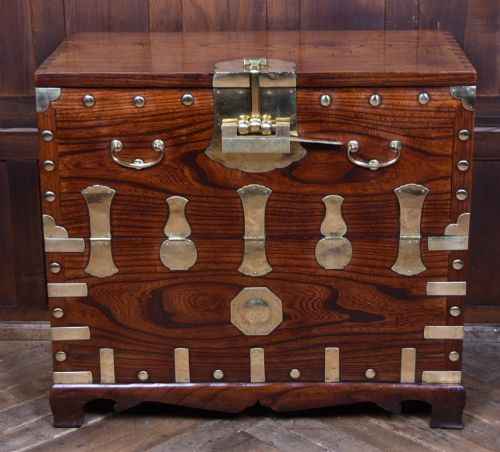
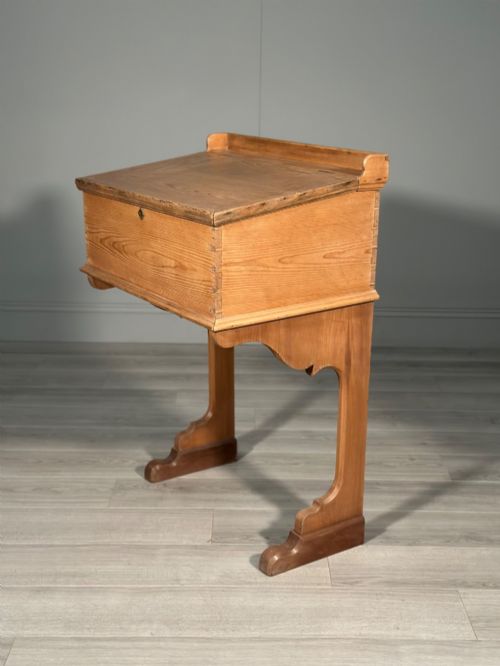
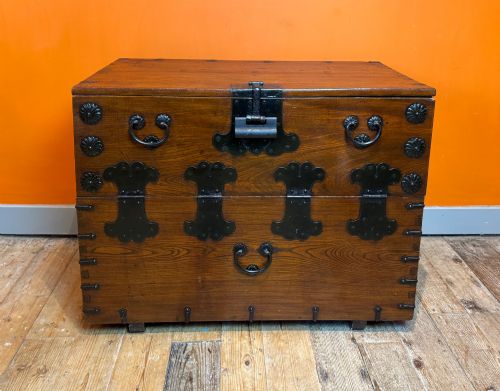


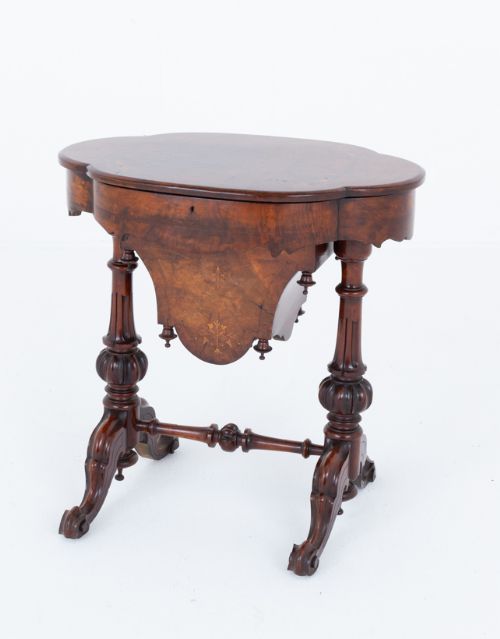

Wooden Drop Box
A wooden drop box serves as a functional compartment for letters or stationery, offering period charm and practical storage for the home.
Wooden Drop Box
When you search for a wooden drop box, you encounter items designed for correspondence and storage, notably stationery cabinets with drop fronts and specialised letterboxes dating from the Victorian and Georgian eras.
How they were made
Cabinet makers utilised dense hardwoods such as mahogany and walnut, frequently selecting burr veneers and satinwood to create decorative exterior surfaces on drop-front enclosures.
Construction relied on traditional joinery methods, incorporating brass mounts, glass panels, and iron hardware to secure the drop doors and internal compartments.
Wooden Drop Box Retail Price Guide 2026
Typical asking prices for wooden drop box among the pieces listed under this phrase on Sellingantiques today, from the lower quarter to the upper quarter. They describe what is for sale here now, not the wider market.
Some items feature brass mounts originally intended for busy country house hotels.
What varies in quality
The standard of a piece depends on the selection of timber veneers, such as figured burr walnut or satinwood, and the precision of the joinery around the drop mechanism.
Superior examples display careful attention to interior fittings, including fitted letter slots and well-cast brass or iron mounts that endure frequent use.
The Wooden Drop Box Glossary
- Drop front
- A hinged panel that folds downwards to provide access to an interior compartment or writing surface. This feature is common on stationery cabinets.
- Mahogany
- A durable, reddish-brown tropical hardwood frequently used for fine cabinetry throughout the Georgian and Victorian periods. It took a high polish.
- Burr walnut
- A prized timber harvested from the burl growths of walnut trees, yielding intricate, swirling grain patterns. It was often applied as a veneer on high-end Victorian tables and cabinets.
- Fusee movement
- A clockwork mechanism incorporating a conical pulley to maintain even tension as the mainspring unwinds. This system ensures consistent timekeeping on dial clocks.
Wooden Drop Box: Frequently Asked Questions
What is a wooden drop box?
A wooden drop box generally refers to cabinetry with a drop-front mechanism, such as a stationery cabinet or letterbox designed for correspondence.
These pieces range from Victorian oak and walnut stationery boxes to brass-mounted letter receptacles used in country houses.
How were stationery cabinets used?
Stationery cabinets provided organised storage for writing paper, envelopes, and ink in studies and offices. The drop-front design allowed quick access to desk supplies.
Larger versions accommodated ledgers and incoming mail in Victorian households and institutions.
How do I date a wooden cabinet?
Dating relies on timber selection, hardware, and construction methods. Georgian pieces often show simpler satinwood or mahogany surfaces, while late Victorian examples feature elaborate burr walnut veneers.
Brass mounts and lock mechanisms also offer clues to the manufacturing period, spanning from the eighteenth to the early twentieth century.
Where should I place a drop-front cabinet?
These cabinets suit desks, sideboards, or tabletops where they can serve as practical storage for letters and small items. Their enclosed fronts keep surfaces tidy.
Placing them away from direct sunlight helps protect the walnut and mahogany veneers from fading over time.