




Wooden Display Tray
These wooden display tray items offer practical utility and timeless charm, making them sought-after additions to any home.
Wooden Display Tray
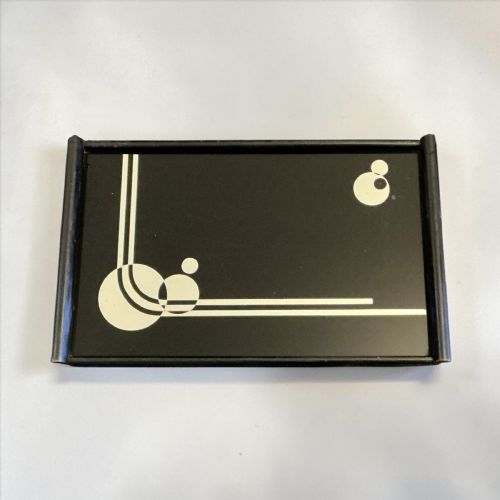
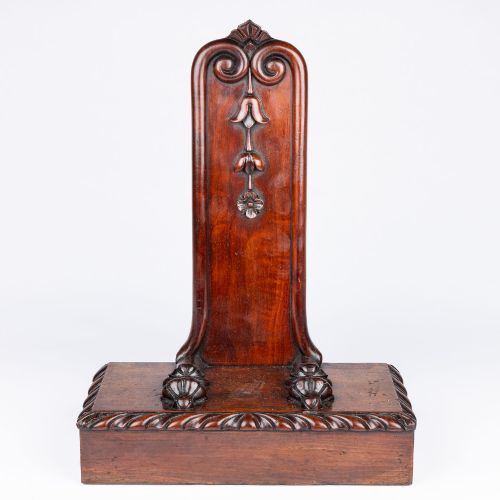
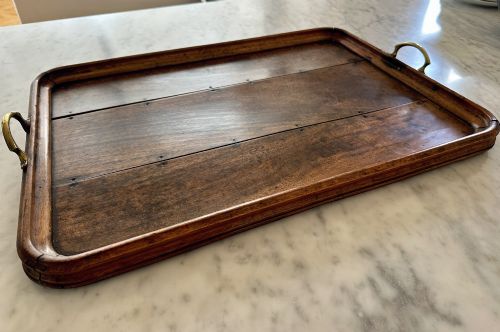
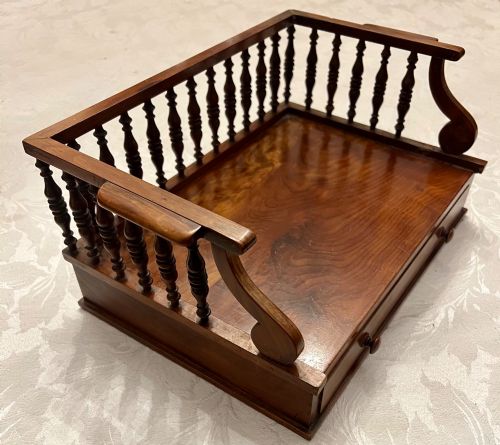
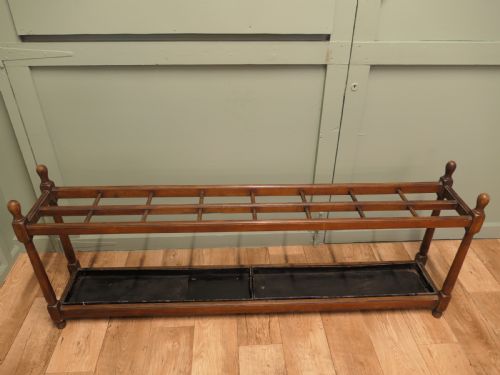
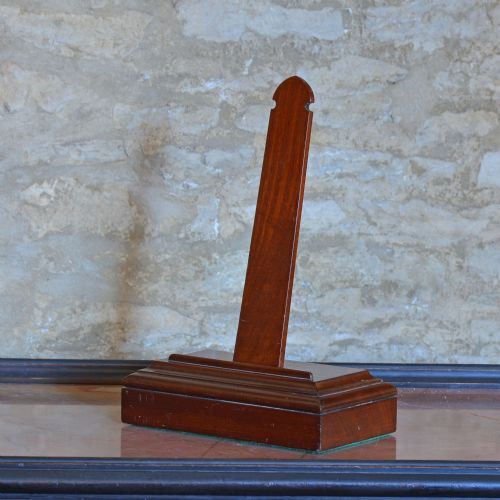
When you search for a wooden display tray, you are looking at items designed for presentation and serving across several historic periods. The selections span from the eighteenth century through the Edwardian era, encompassing formats like oval tea trays, plate stands, and coin trays.
You are most likely to encounter nineteenth-century and Edwardian examples on this page. These pieces often feature mahogany or oak construction, reflecting the prevailing domestic and mercantile styles of their respective decades.
The objects grouped under this heading range from simple tabletop servers to specialised stands and folding cake units. Their varied forms illustrate how timber was shaped for display and hospitality over successive generations.
How they were made
Carpenters and cabinetmakers utilised dense hardwoods such as mahogany, oak, satinwood, and yew wood to construct these items. These timbers provided the structural stability necessary for daily handling and tiered formats.
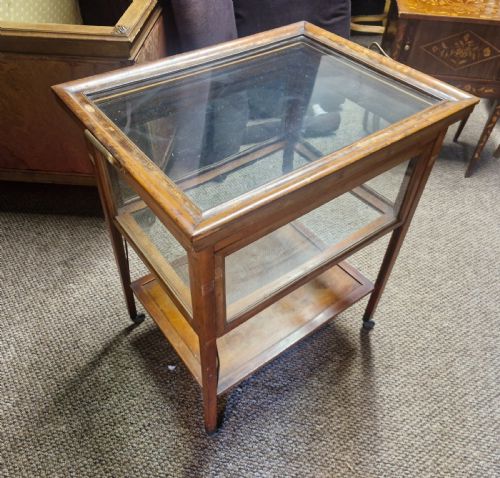
Craftsmen incorporated secondary elements like brass handles, glass panels, iron components, and felt linings to finish the surfaces. Inlaid decoration in contrasting woods was also applied to enhance the visual appeal of surfaces during the Edwardian period.
Wooden Display Tray Retail Price Guide 2026
Typical asking prices for wooden display tray among the pieces listed under this phrase on Sellingantiques today, from the lower quarter to the upper quarter. They describe what is for sale here now, not the wider market.
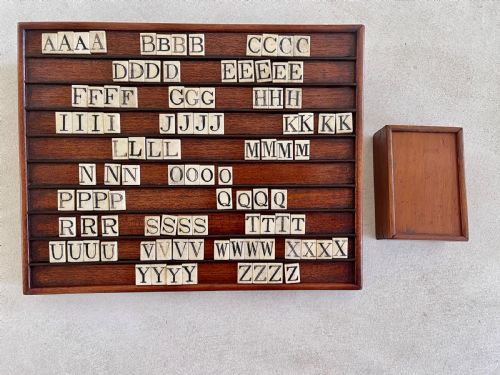
Some trays come paired with unexpected companions, including bone alphabet letters and butterfly wings preserved beneath glass.
What varies in quality
The standard of a piece depends upon the selection of timber and the precision of its joinery. Superior examples display carefully matched wood grain and tightly fitted joints that withstand repeated movement.
The refinement of inlaid details and the integration of metal or glass elements distinguish finer items from simpler utilitarian versions. Attention to proportion and finish separates everyday domestic accessories from more ambitious display furniture.
The Wooden Display Tray Glossary
- Mahogany
- A durable reddish-brown tropical hardwood frequently utilised for fine furniture and decorative trays throughout the eighteenth and nineteenth centuries. Its stability made it a preferred choice for complex cabinetwork.
- Satinwood
- A luminous timber with a fine grain and yellowish sheen, often used for decorative inlay and banding on late nineteenth-century tables and trays. It provided a striking visual contrast against darker woods.
- Étagère
- A French term for a piece of furniture consisting of a set of open shelves for displaying small objects. These tiered structures appeared in various wood types during the nineteenth and early twentieth centuries.
- Inlay
- A technique where pieces of contrasting timber or shell are inserted into depressions within a solid wood base to create decorative patterns. Edwardian makers frequently applied this method to tea trays and occasional tables.
Wooden Display Tray: Frequently Asked Questions
What is a wooden display tray used for?
These pieces served practical roles in domestic and mercantile settings for holding, organising, or presenting items such as teaware, coins, and plates.
Over time, their functions evolved from active service use to decorative display surfaces within period interiors.
How do I care for antique wooden trays?
Keep wooden surfaces away from direct heat sources and excessive moisture to prevent timber from warping or splitting. Regular dusting with a soft cloth helps preserve the polish and natural grain of the wood.
Avoid using harsh chemical cleaners that can strip historic finishes. Applying occasional appropriate wax maintains the protective sheen.
How can I tell the period of a tray?
Dating relies on observing the timber choices, construction techniques, and decorative styles characteristic of specific eras like the Georgian or Edwardian periods. For example, inlaid satinwood often points toward the late nineteenth or early twentieth century.
Examining the underside and joints reveals hand-working signs that distinguish older pieces from later revivals.
Are these trays suitable for daily use?
Many solid hardwood pieces retain the structural integrity required for light daily serving or display duties. However, delicate inlaid surfaces or fragile glass elements benefit from careful handling rather than heavy service.
Assessing the build quality of each individual item helps determine its capacity for modern utility.