






Wooden Display Head
These wooden display head pieces bring shop floors and studios into the home, offering striking sculptural forms carved from walnut, oak, beech and fruitwood.
Wooden Display Head
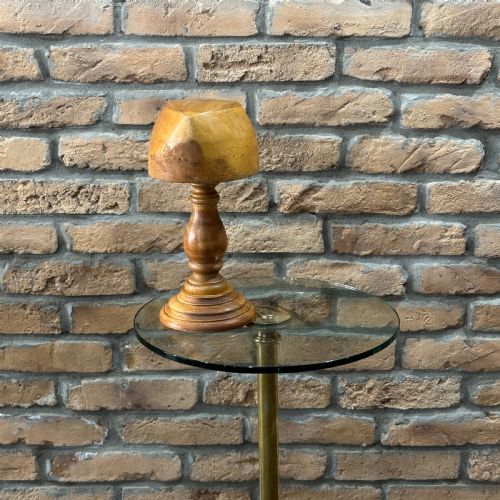
A wooden display head serves as a sculptural bust or practical stand for hats, wigs and millinery, originating from shop windows, studios and workshops. You will encounter milliner forms, hat stretchers and carved character heads spanning the nineteenth and twentieth centuries.
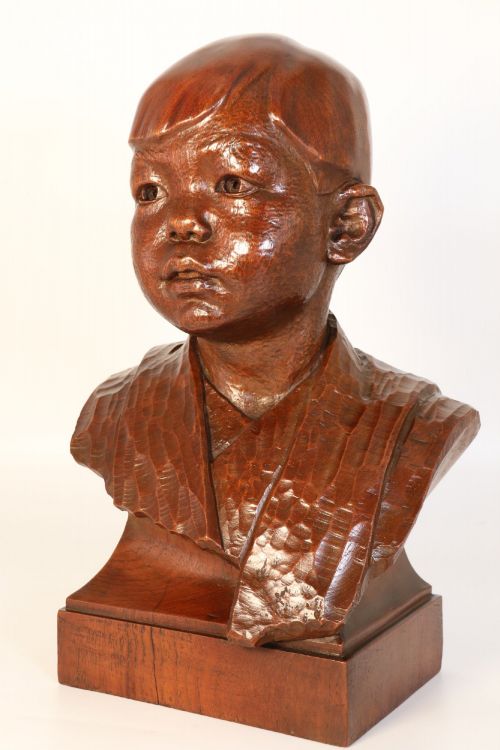
The selection includes utilitarian hat blocks alongside decorative works like folk art carvings and Spanish polychrome religious figures. Makers utilised durable timbers such as beech, walnut, oak and fruitwood to shape these lifelike and stylised forms.
Periods represented stretch from the seventeenth century through the Victorian and Edwardian eras into the nineteen-twenties. These objects reflect commercial haberdashery use as well as sculptural portraiture and regional craftsmanship.
How they were made
Carvers shaped these pieces from solid hardwoods like walnut, oak, beech and fruitwood using traditional hand chisels and gouges. Grain patterns remain visible across the surfaces, showing tool marks left by the maker.
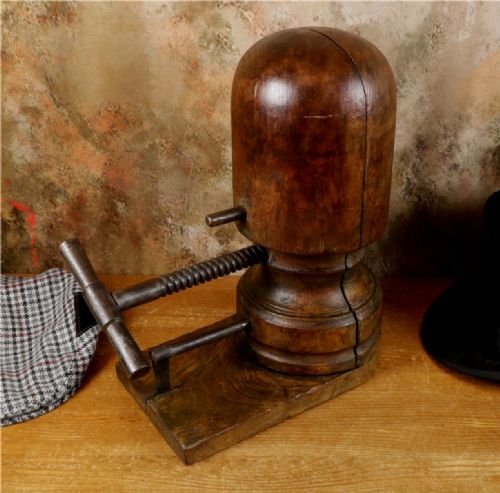
Some functional millinery forms feature hinged mechanisms or wooden pegs designed for expanding and adjusting hats. Decorative character heads often receive applied paint or polychrome finishes over the carved timber base.
What varies in quality
Patina built up from decades of handling and exposure in hat shops and studios adds depth to the surface. Original unpainted wood surfaces show age through a rich warmth, whereas painted examples depend on the preservation of the pigment.
George Henry Paulin RBS
The Wooden Display Head Glossary
- Milliner
- A maker and seller of hats who utilised wooden blocks and display forms to shape and exhibit headwear. These working pieces often show pin holes and wear from daily use in the shop.
- Hat block
- A solid wooden form carved to the exact shape of a human head for constructing hats. Milliners steamed felt and straw over these blocks.
- Hat stretcher
- A mechanical wooden tool inserted into hats to increase or adjust the inner circumference. They feature segmented wooden sections operated by a central screw mechanism.
- Polychrome
- Decorated in multiple colours, often found on carved wooden religious figures and character heads. Pigments were applied directly over the timber ground.
- Folk art
- Objects created by self-taught or traditional craftsmen outside academic artistic traditions. These carved heads display idiosyncratic proportions and direct tool work.
Wooden Display Head: Frequently Asked Questions
What is a wooden display head used for?
These pieces served practical roles in millinery workshops and shop windows for shaping, sizing and displaying hats and wigs. Today, collectors utilise them as sculptural objects of art in domestic interiors.
Their substantial timber forms make them suitable for displaying contemporary millinery, scarves or vintage accessories on shelves and tables.
How do I date a wooden display head?
Dating relies on the tool marks left by the maker, the timber species utilised and the prevailing style of the carving. Nineteenth and early twentieth-century examples often exhibit machine-sawn bases or turnery marks.
Earlier seventeenth and eighteenth-century pieces display heavier hand-adze work, pegged joints and denser hardwoods with deep oxidation and wear.
How should I clean a wooden display head?
Maintenance requires only a soft, dry cloth to remove dust from the carved surfaces and crevices. Avoid water, harsh cleaning agents or modern polishes that can penetrate and soften old timber.
Keeping the piece away from direct sunlight and radiators prevents the hardwood from drying out and splitting over time.