
Wooden Dining Furniture
Solid wooden dining furniture brings together centuries of craftsmanship, offering lasting utility and character through periods ranging from the seventeenth century to the Edwardian era.
Wooden Dining Furniture
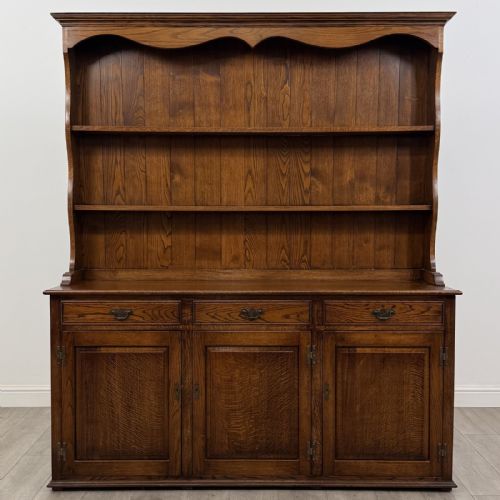
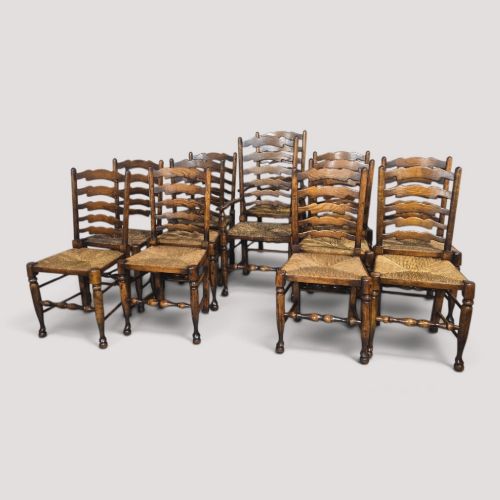
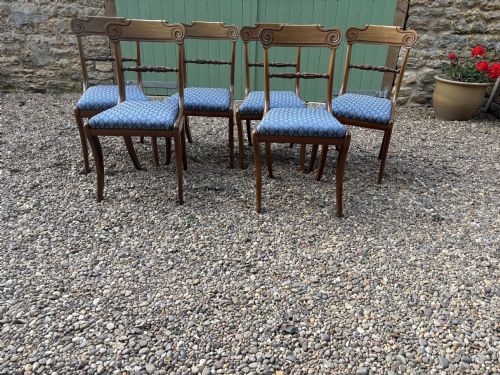
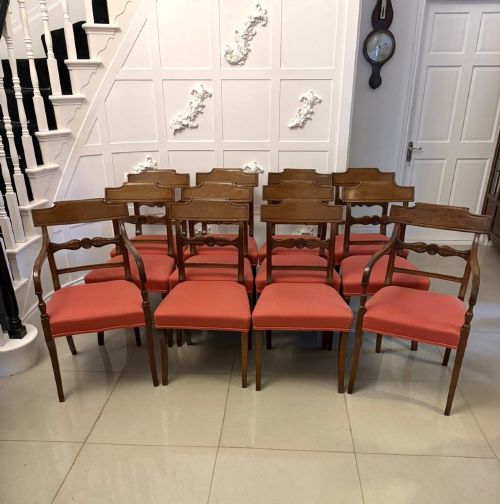
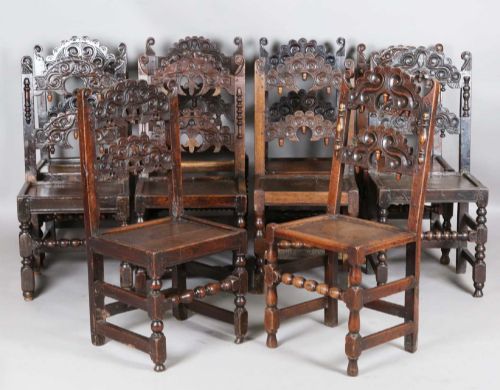
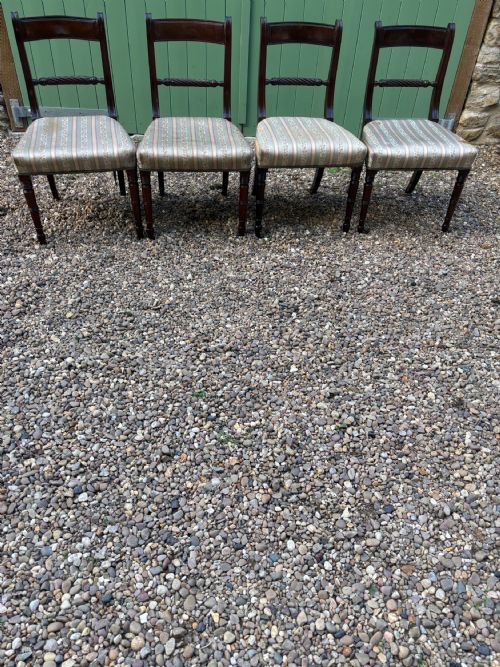
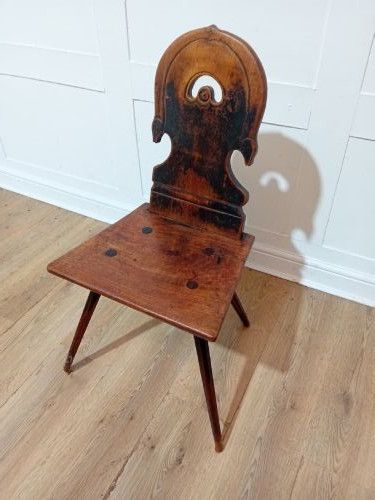
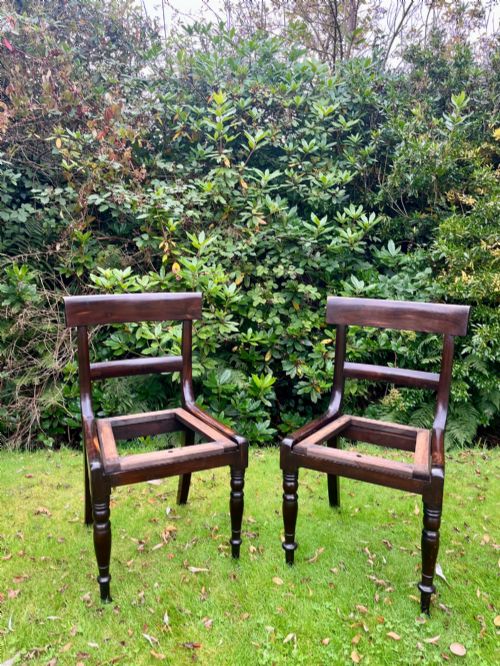
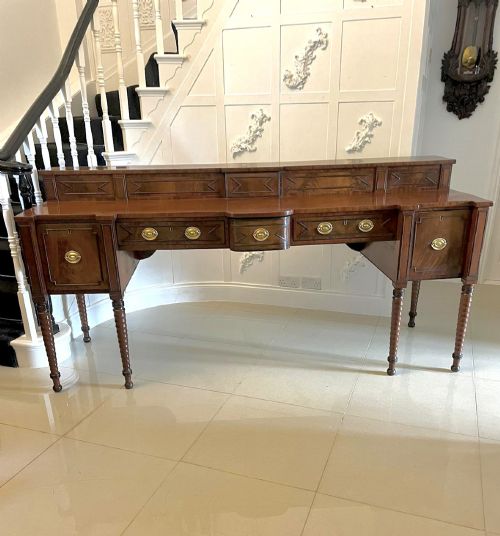
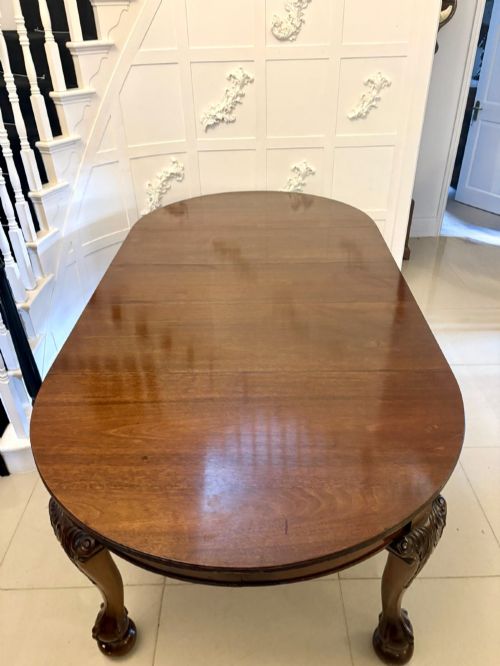
When you search for wooden dining furniture, you encounter a diverse array of seating, extending tables, and sideboards spanning multiple centuries. The selection on this page relies heavily on nineteenth-century pieces alongside Georgian, Regency, and earlier oak examples from the seventeenth and eighteenth centuries.
Materials and construction
Cabinet makers and joiners utilised native and imported hardwoods like mahogany, oak, walnut, and fruitwood to build pieces designed for daily endurance. Joinery methods relied on mortise and tenon frames, dovetail drawers, and turned supports rather than modern fasteners.
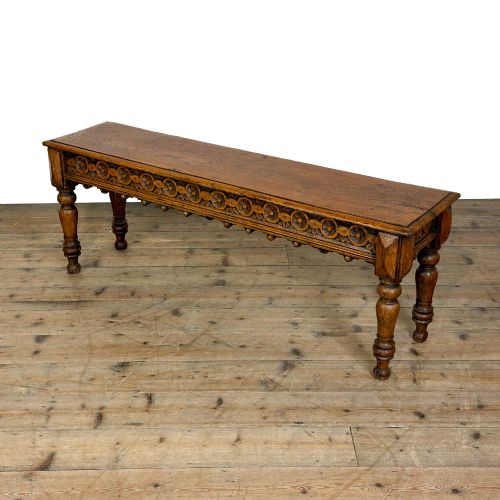
Decorative surface treatments included brass inlay, figured veneers, and hand-carved details such as claw and ball feet or trefoil supports. Upholstered elements frequently feature traditional horsehair stuffing secured beneath fabric or velvet.
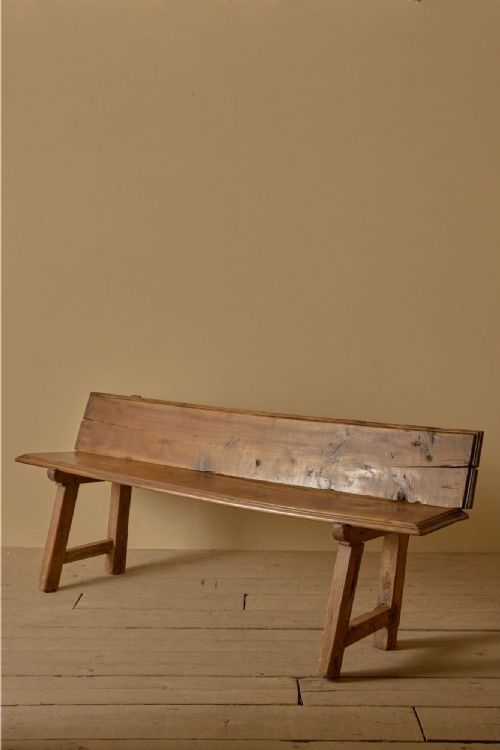
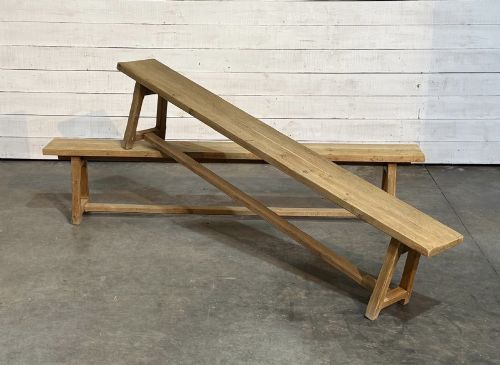
Several pieces feature flip-over mechanisms designed for medieval chapel benches that had to pull double duty as tables.
The markers of distinction
The standard of timber selection largely dictates the caliber of a piece, with figured mahogany, pollard oak, and burr walnut representing the more ambitious end of production. High-grade items display careful book-matching in veneers and dense, mature grain patterns that suggest careful selection at the timber yard.
Construction integrity and proportion also separate utilitarian items from sophisticated commissions. A well-proportioned frame with crisp hand-carving and tight joints demonstrates the hand of a skilled maker who prioritized structural longevity.
Jack Grimble·Maple Co
The Wooden Dining Furniture Glossary
- Carver
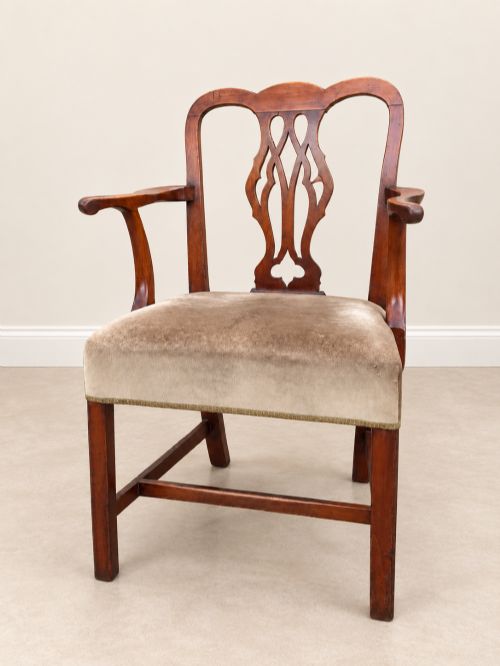
- An armchair designed to match a set of dining chairs, typically positioned at the head of the table.
- Sideboard
- A long low piece of dining furniture used for serving food and storing tableware.
- Refectory table
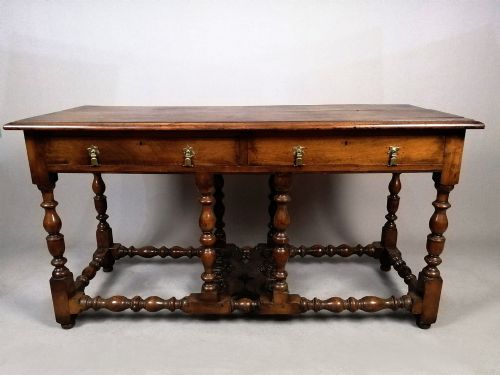
- A long narrow dining table historically used in monasteries and large halls, characterised by sturdy legs connected by stretchers.
- Extending table
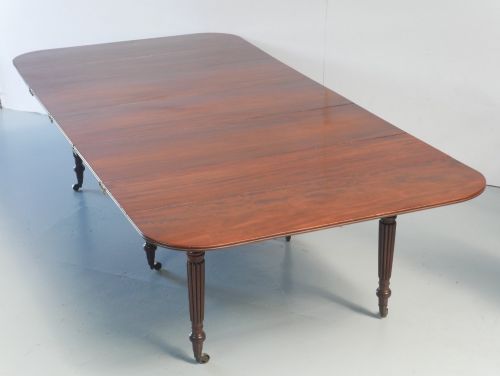
- A dining table fitted with a mechanism or removable leaves to increase surface area for guests.
- Dovetail
- A traditional interlocking woodworking joint used in drawer construction for maximum tensile strength.
Wooden Dining Furniture: Frequently Asked Questions
How do I care for antique wooden dining tables?
Maintain timber surfaces by applying bees-wax periodically and avoiding direct heat sources or excessive moisture.
Use coasters and felt mats beneath hot dishes to protect polish and prevent ring marks from forming on the grain.
Can I mix different periods of dining chairs?
Pairing mismatched chairs with a large dining table introduces eclectic character and echoes historic domestic accumulation.
Ensure seat heights remain uniform so diners sit comfortably at an even level around the board.
What defines a Regency dining table?
Regency tables often feature pedestal bases with brass paw castors and mahogany timber construction dating from the early nineteenth century.
Many examples incorporate clever mechanical leaves that allow the surface to expand smoothly for dinner parties.
How are sideboards used in modern homes?
Sideboards provide generous surface space for serving food during gatherings while concealing tableware within deep cupboards and drawers.
In contemporary dining rooms, they also serve as display surfaces for lamps, ceramics, and art.