



Wooden Child Highchair
These timber wooden child highchair examples span centuries of domestic life, offering sturdy seats built to keep little ones safe at the family table.
Wooden Child Highchair
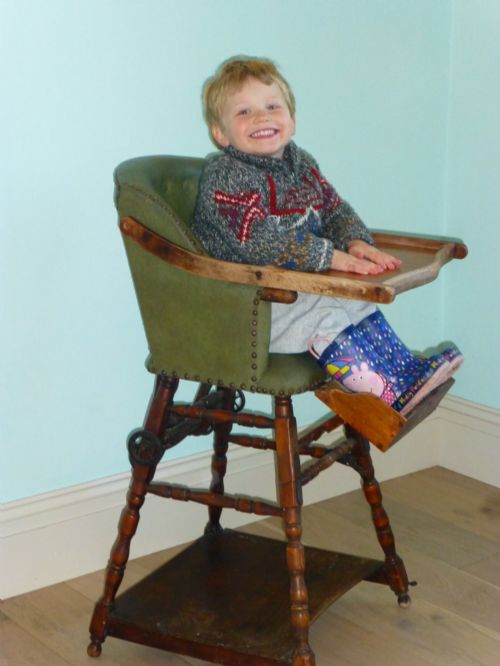
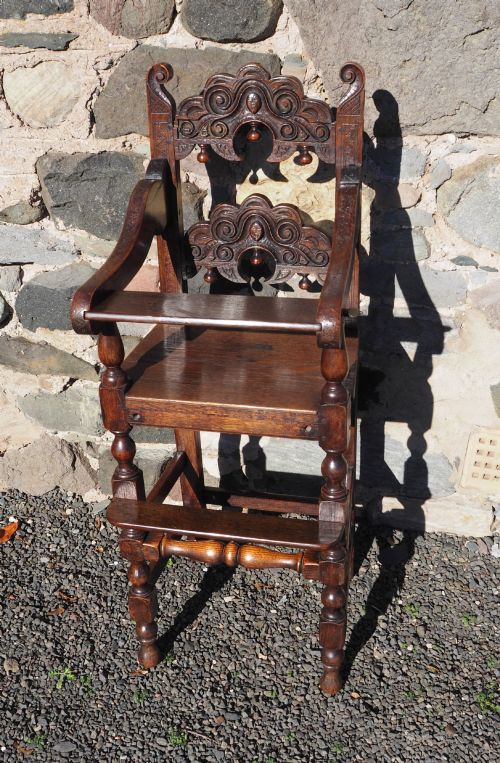
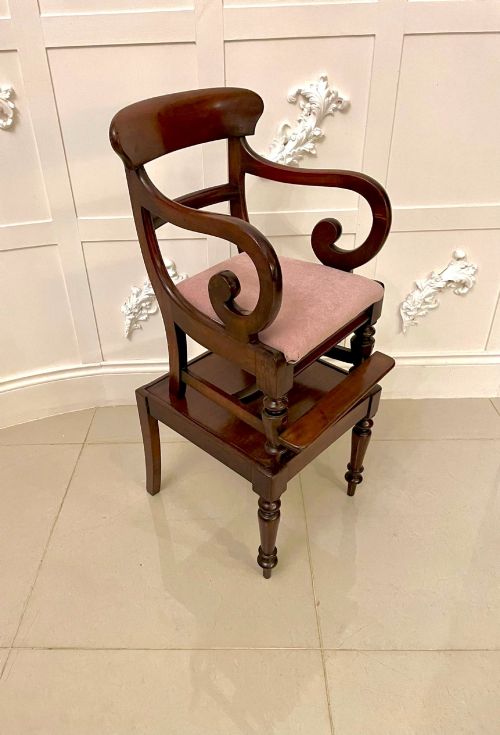
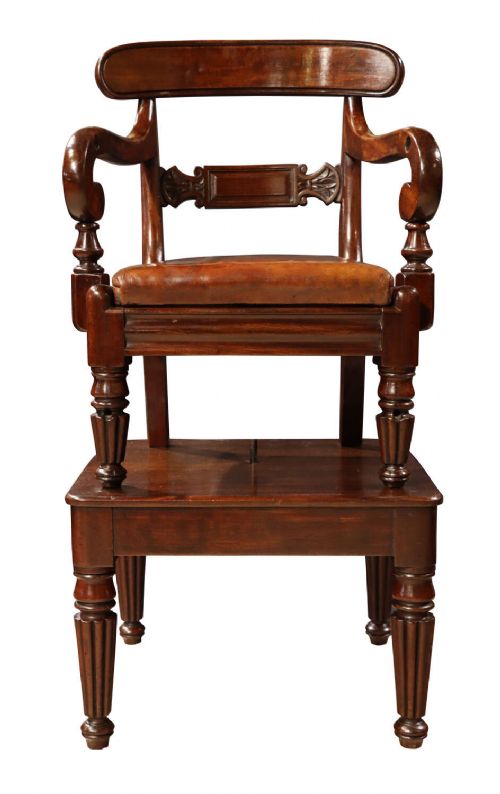
A wooden child highchair brings historical domestic seating into the present, taking forms from simple vernacular ash and elm chairs to sophisticated mahogany pieces on separate stands. Buyers searching for a wooden child highchair encounter diverse styles ranging from austere 18th-century oak designs to 19th-century metamorphic examples that convert from high chairs to low seats.
The selection includes rustic Windsor hoopbacks, caned tub highchairs, and painted European specimens showing folk art traditions. Many pieces utilise ingenious mechanical arrangements like stands and removable frames, reflecting the changing demands placed on nursery furniture over successive generations.
How they were made
Cabinetmakers and local joiners built these items using dense hardwoods such as mahogany, oak, elm, and ash to withstand robust daily use by infants. Construction methods combined traditional mortise and tenon joinery with turned spindles, steam-bent hoops, and sturdy underframes.
Surfaces were finished with natural oils, wax, or occasionally painted decoration, while functional details incorporated cane seating, leather pads, or fabric upholstery. Metamorphic versions relied on clever pivot hinges and locking pins to alter the physical configuration of the chair and its stand.
Wooden Child Highchair Retail Price Guide 2026
Typical asking prices for wooden child highchair among the pieces listed under this phrase on Sellingantiques today, from the lower quarter to the upper quarter. They describe what is for sale here now, not the wider market.
Listings feature periods spanning from the 18th century through to the Edwardian era, incorporating mahogany, elm, oak, ash, and bamboo.
What varies in quality
Quality rests upon the selection of timber and the integrity of the joinery, distinguishing utilitarian country workshop output from formal cabinet-made pieces. Superior examples display refined turning, well-proportioned Windsor hoops, and intact original mechanisms on metamorphic stands.
The survival of original surfaces, whether polished mahogany or early painted finishes, significantly influences the standing of an item. Greater care in construction and finer materials separate simple vernacular seating from exceptional stylistic specimens.
The Wooden Child Highchair Glossary
- Metamorphic
- Describing furniture designed to transform into multiple forms, such as a high chair converting into a low armchair and play table. This dual-purpose engineering allowed nurseries to maximise utility from single items.
- Windsor
- A chair style characterised by wooden seats into which stick legs and back spindles are direct-inserted. Hoopback versions feature a continuous bentwood bow forming the arm and upper back rest.
- Tub highchair
- A seating form featuring a rounded, enclosing upper back and sides resembling a half-barrel. This design provided young children with secure lateral support during feeding.
- Vernacular
- Objects built by local tradesmen or regional makers following traditional local patterns rather than high-style metropolitan fashions. These pieces often utilise native timbers like elm and ash.
- Stand
- A separate raised frame or base upon which certain chair bodies rest to achieve elevated seating height. Many utilise a removable configuration to drop the seat down.
Wooden Child Highchair: Frequently Asked Questions
How do metamorphic high chairs work?
Metamorphic high chairs operate through integrated pivot points or removable mounting frames that allow the chair top to separate from its base. This lets the piece function as an elevated feeding chair or a low ground-level seat.
Such dual designs saved space in historical homes and extended the usable lifespan of the furniture as the child grew.
What woods were used for these chairs?
Makers selected dense hardwoods capable of enduring heavy daily wear from children, most commonly utilising oak, mahogany, elm, ash, and beech. Formal urban pieces favoured polished mahogany, while regional vernacular workshops relied on tough native timbers.
Secondary additions sometimes included cane work, leather, or fabric for padding.
Are these chairs safe for modern children?
These antique chairs were constructed for historical domestic standards and generally lack modern safety certifications, harness systems, or contemporary stability testing. Most buyers acquire them for decorative display, collections, or gentle supervised use.
Careful inspection of joints and overall structural integrity is necessary if intended for actual seating.