



Wooden Bread Cupboard
These wooden bread cupboard pieces offer practical kitchen storage rooted in centuries of vernacular tradition, bringing tactile warmth and history to any home.
Wooden Bread Cupboard
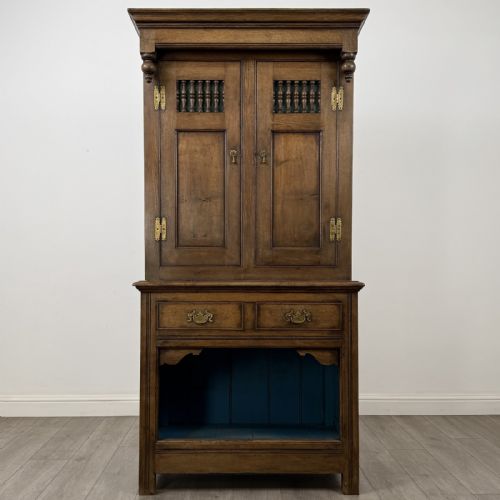
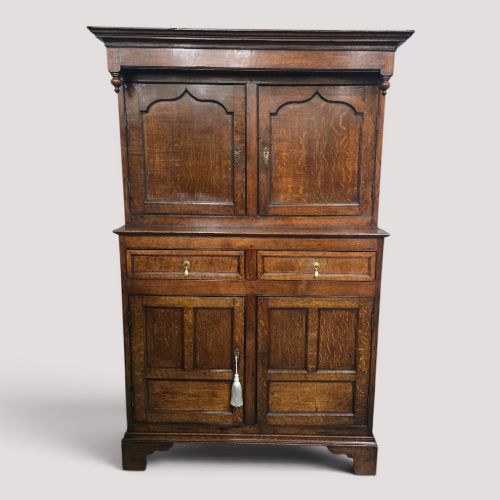
A wooden bread cupboard encompasses various utilitarian storage forms designed to keep provisions secure, ranging from traditional English court cupboards to French panetieres and Welsh food safes. When exploring a wooden bread cupboard, buyers encounter sturdy pieces built from robust native timbers intended for daily household sustenance.
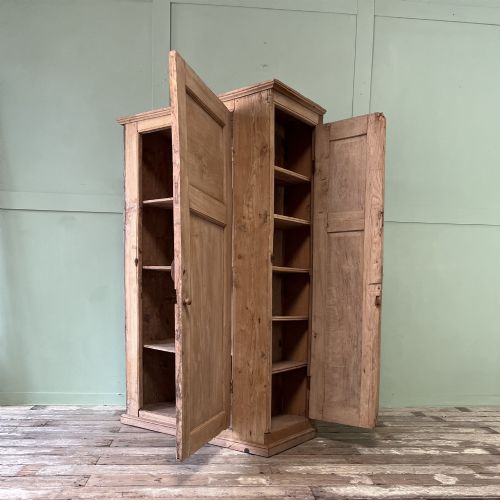
The selections span distinct historical eras, featuring heavy seventeenth-century joined oak alongside eighteenth-century walnut provincial examples and nineteenth-century pine or elm creations. These varied forms reflect regional domestic needs, combining ventilation panels or carved details with practical shelving for food storage.
Originating from diverse domestic settings, these items bridge the gap between primitive utility and decorative regional furniture. Buyers typically find sturdy wall-mounted cabinets, standing court cupboards, and specialised dough bins that served central roles in historic kitchens.
Materials and construction methods
Makers relied heavily on solid hardwoods like oak, walnut, and elm, selecting timber for strength and local availability. Carpenters utilised traditional joinery techniques, such as panel-and-frame construction and pegged joints, to ensure the furniture endured decades of heavy kitchen use.
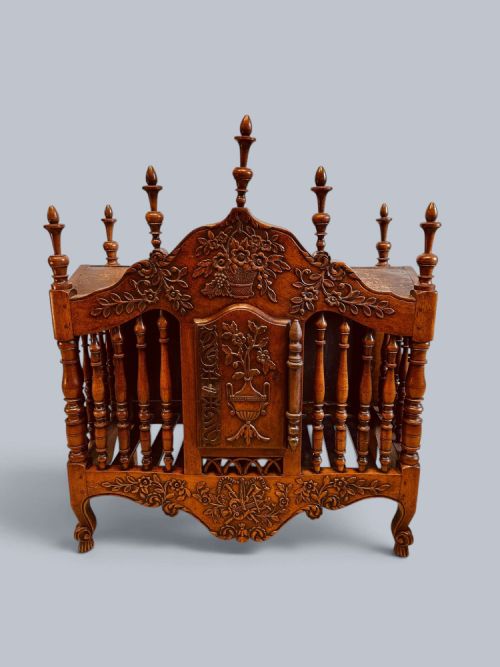
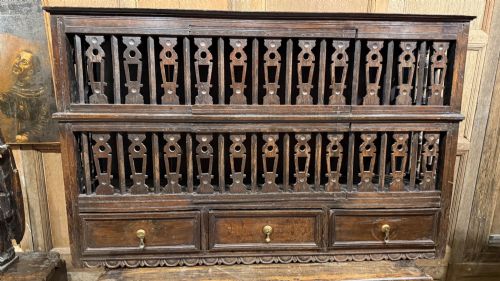
Secondary elements incorporate iron hinges and latches alongside brass fittings, while specific regional pieces feature turned pillars, carved panels, or painted surfaces. French panetieres often utilised turned spindles to allow air circulation around stored loaves, combining structural framing with functional ventilation.
Wooden Bread Cupboard Retail Price Guide 2026
Typical asking prices for wooden bread cupboard among the pieces listed under this phrase on Sellingantiques today, from the lower quarter to the upper quarter. They describe what is for sale here now, not the wider market.
Early kitchen bakers relied on ventilated spindle panels to keep the family loaves breezy and safe from hungry household pets.
Markers of distinction and craftsmanship
The degree of hand-carved detail and the crispness of architectural mouldings separate basic utilitarian items from finer examples produced by skilled regional joiners. High-quality pieces retain dense, patinated timbers with minimal timber replacement and authentic period hardware.
Proportion and structural integrity dictate value, with well-balanced court cupboards and finely turned panetiere spindles showing superior maker competence. Original surfaces displaying natural historic wax accumulation rather than modern alterations indicate better preservation.
The Wooden Bread Cupboard Glossary
- Court cupboard
- A traditional English cupboard featuring upper and lower tiers, often elaborately carved and used historically for displaying plate and storing provisions.
- Panetiere
- A traditional French freestanding or wall-mounted bread cupboard characterised by turned spindles or grilles that allow ventilation for stored loaves.
- Dough bin
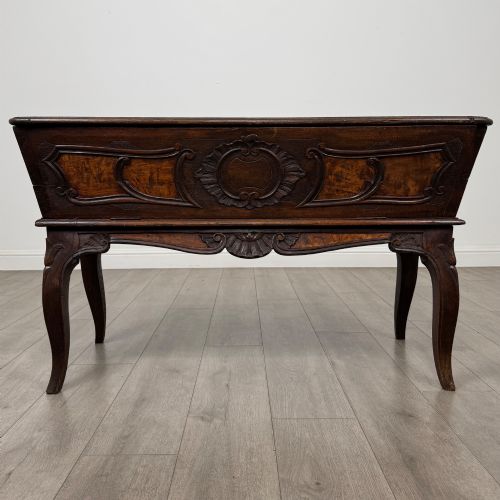
- A trough-like wooden chest with a lid, frequently raised on legs, utilised for kneading bread dough and storing flour.
- Joined cupboard
- Furniture constructed using mortise and tenon joints secured with wooden pegs rather than metal nails or screws.
- Vernacular
- Furniture made by local craftsmen using regional styles and readily available materials rather than following formal metropolitan design rules.
Wooden Bread Cupboard: Frequently Asked Questions
How were panetieres used?
Panetieres served as specialised ventilated storage furniture in French households to keep baked loaves safe from rodents and humidity while allowing air to circulate.
Their distinctive spindle sides permitted necessary airflow around the bread while hanging or resting on a dedicated side table.
Where should I place a court cupboard?
A court cupboard suits dining rooms, kitchens, or hallways where its architectural presence and surface storage can be fully appreciated away from direct heat sources.
Because these pieces feature deep wooden shelves and enclosed lower compartments, they function well for displaying ceramics or storing tableware.
How do I care for antique oak furniture?
Maintaining antique oak involves keeping pieces away from direct sunlight and sudden radiator heat changes that cause timber to dry out and split.
Applying a traditional beeswax polish occasionally helps nourish the historic wood surface and maintains its natural warm sheen.