

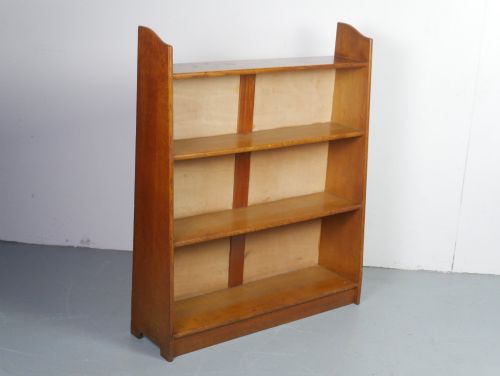
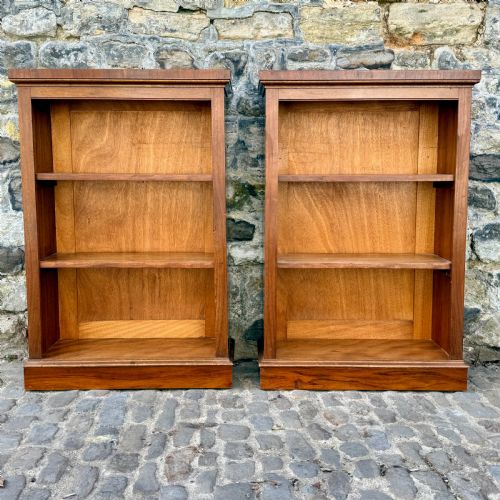
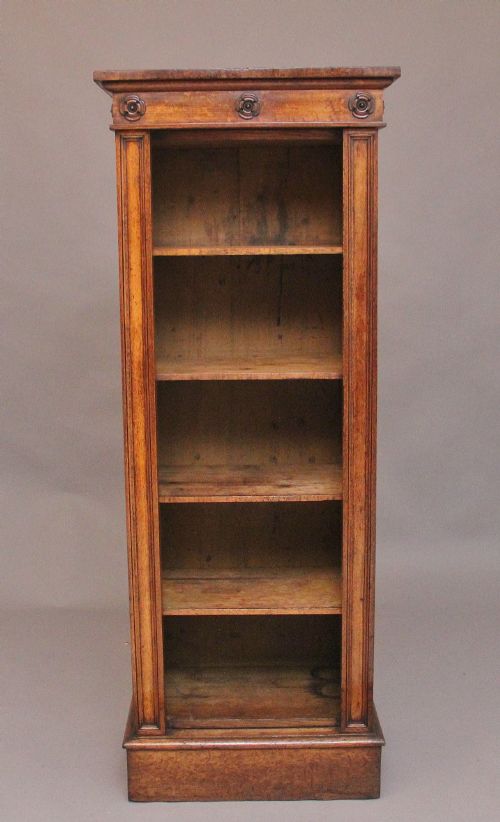
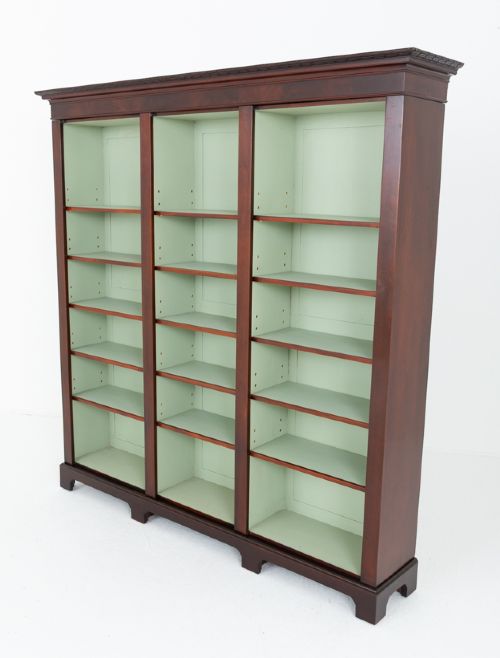
Wooden Bookshelf Unit
A wooden bookshelf unit brings architectural warmth to a room while keeping texts close to hand.
Wooden Bookshelf Unit
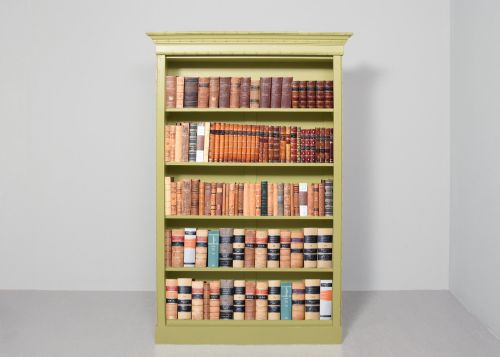
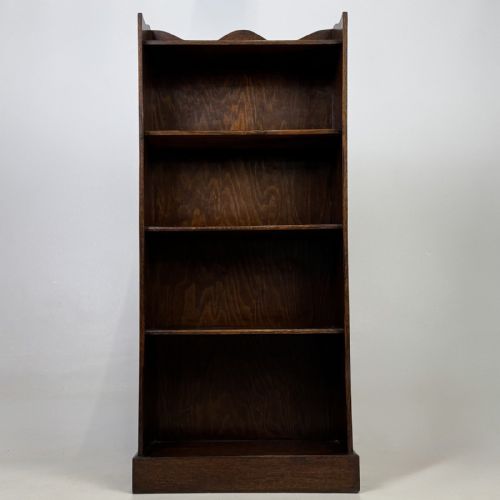
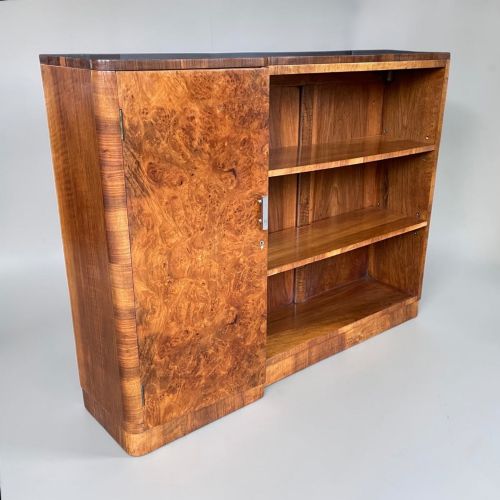
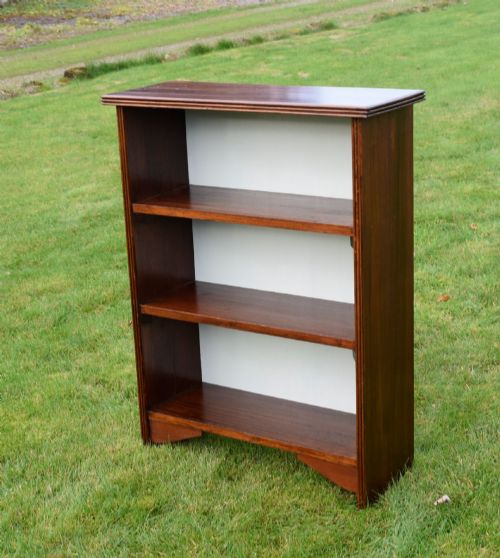
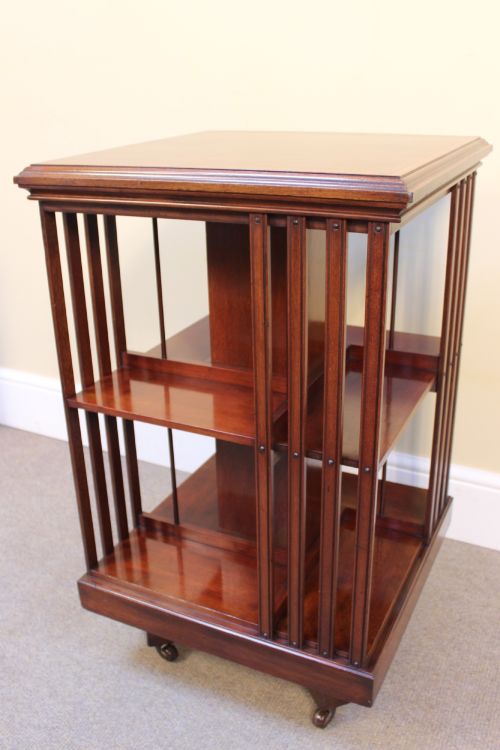
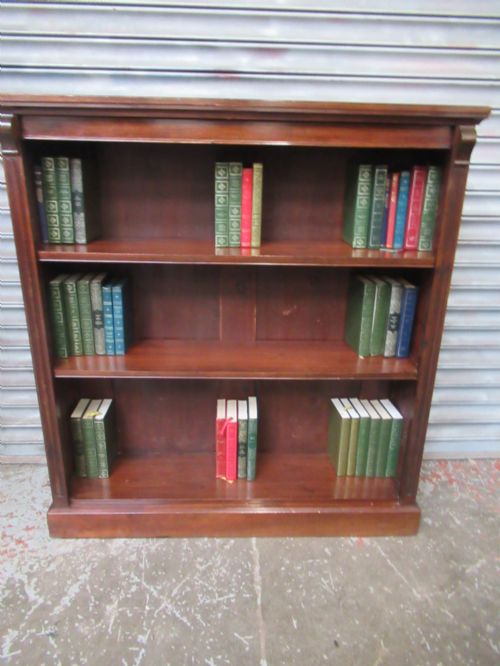
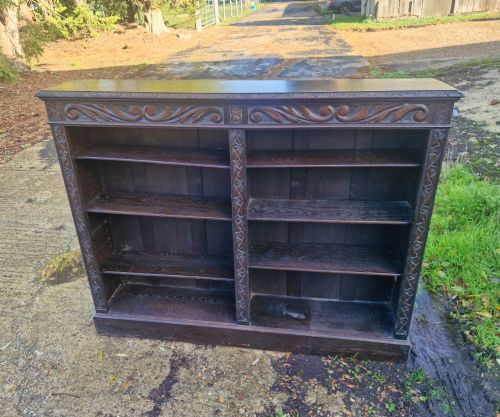
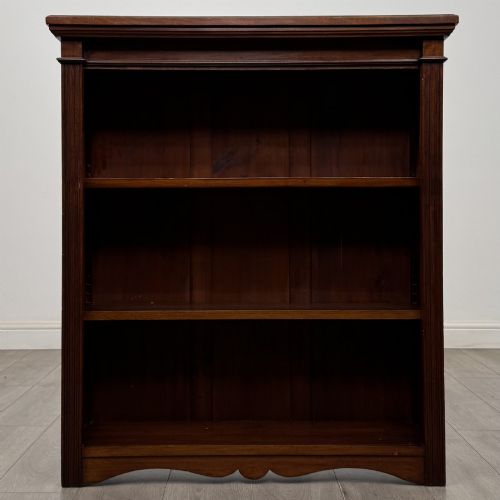
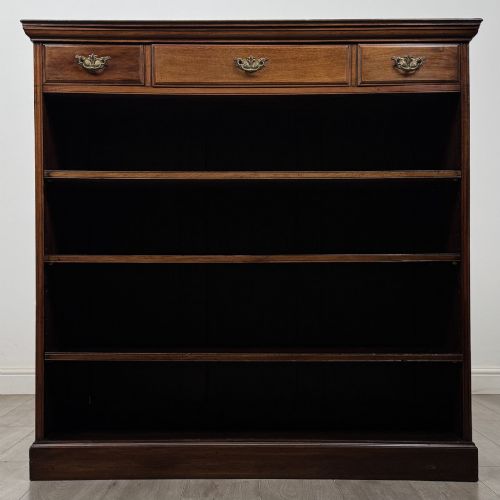
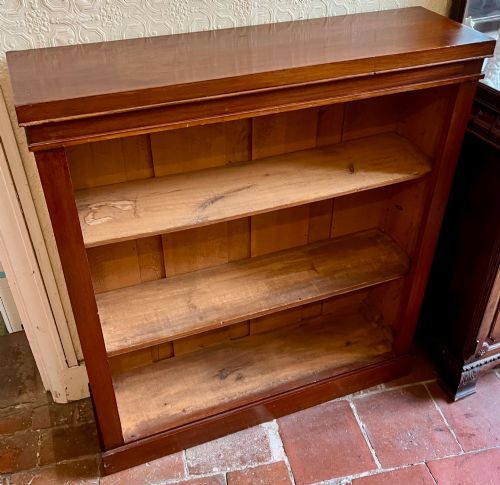
A wooden bookshelf unit functions as a practical home for libraries and displays, taking forms such as open bookcases, wall hanging shelves, and multitiered whatnots. These pieces range from compact Edwardian oak designs with raised galleries to large Victorian mahogany open bookcases built to hold substantial collections.
The selection on this page spans several distinct periods, showing a strong representation of Edwardian and Victorian pieces alongside Regency examples and early twentieth-century creations. Object types extend from simple bookshelves and magazine racks to etageres and waterfall bookcase cabinets fitted with brass castors.
How they were made
Cabinet makers utilised dense hardwoods such as mahogany, walnut, and oak alongside pine and Indian hardwood, applying careful joinery to create stable frames and adjustable shelf mechanisms. Surfaces often received inlay work in satinwood or paint finishes, while structural elements integrated iron bracing and brass castors for mobility.
Construction techniques evolved across the nineteenth and early twentieth centuries, moving from heavy carved oak assemblies to lighter inlaid mahogany panels and bent wood or ash forms. Cornices, arched galleries, and shaped sides were worked directly into the timber, demonstrating traditional carpentry methods.
Wooden Bookshelf Unit Retail Price Guide 2026
Typical asking prices for wooden bookshelf unit among the pieces listed under this phrase on Sellingantiques today, from the lower quarter to the upper quarter. They describe what is for sale here now, not the wider market.
Listings feature oak, mahogany, pine, walnut, satinwood, and painted finishes across Victorian, Edwardian, Regency, and Arts and Crafts styles.
What varies in quality
The distinction between standard and finer examples lies in the selection of timber grain and the precision of decorative elements like dentil cornices, carved mouldings, and contrasting satinwood inlay. Finer pieces demonstrate superior integration of adjustable shelf tracks and solid backboards rather than thin veneers.
Proportion and utility also separate grades of manufacture, where well-balanced proportions in narrow or low formats meet practical demands for adjustable storage. The inclusion of original hardware, such as brass castors on waterfall cabinets, marks higher tier craftsmanship.
The Wooden Bookshelf Unit Glossary
- Open bookcase
- A piece of furniture designed for book storage without glass doors enclosing the front. This format allows immediate access to volumes and displays the book bindings as part of the room decor.
- Whatnot
- A set of open shelves supported by slender pillars, traditionally used for displaying small ornaments or books. These pieces often feature three or more tiers and stand independently or hang upon a wall.
- Dentil cornice
- A decorative moulding pattern consisting of small, evenly spaced rectangular blocks that resemble teeth. This architectural detail frequently crowns the top of Edwardian and Victorian bookcases.
- Raised gallery
- A low protective railing or parapet running along the top edge of a shelf unit or bookcase. It prevents items from sliding off the surface and adds a decorative silhouette.
- Waterfall bookcase
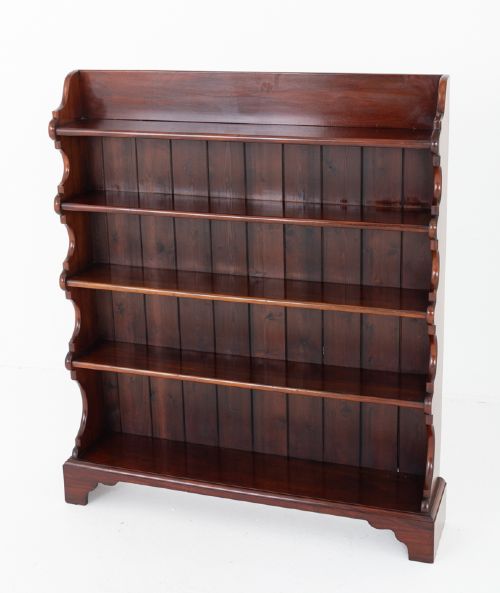
- A tiered shelving unit where each successive shelf is set back from the one below, creating a stepped profile resembling cascading water. These often incorporate enclosed cabinet sections at the base.
Wooden Bookshelf Unit: Frequently Asked Questions
How do I style a wooden bookshelf unit?
Balance heavier volumes on lower shelves while placing smaller texts, framed photographs, or decorative objects higher up to maintain visual stability. Leave some empty space between items to let the timber grain and back panels remain visible.
Incorporate items of varying heights and depths to create natural rhythm across the shelves rather than arranging books in strict uniformity. This approach highlights the craftsmanship of the unit itself.
Were these units always used for books?
While primarily built to house libraries, many formats served multiple domestic functions in Victorian and Edwardian interiors. Etageres and whatnots frequently held ceramics, magazines, or decorative ornaments in drawing rooms.
Open shelving also accommodated ledgers, music sheets, and portfolios alongside traditional bound volumes. The adaptable nature of these pieces meant owners repurposed them as household needs changed.
How do I tell Victorian from Edwardian units?
Victorian pieces tend to use darker oak and heavy mahogany with deeper carved details, substantial cornices, and robust proportions. They project a sense of formal heaviness suited to nineteenth-century libraries.
Edwardian examples often feature lighter golden oak or inlaid satinwood with cleaner lines and raised galleries. These reflect a shift towards brighter, less cluttered domestic spaces at the start of the twentieth century.
Can I adjust the shelf heights?
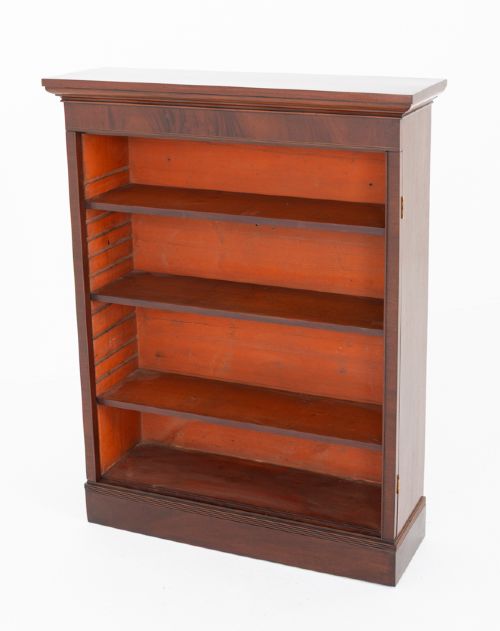
Many period open bookcases incorporate adjustable shelf mechanisms, using wooden ratchets, metal pins, or sliding tracks cut into the interior sides. This allows owners to reconfigure the interior space for books of different sizes.
Fixed shelves do appear in smaller wall hanging units and specific cabinet designs where structural rigidity takes priority over flexibility. Checking the interior walls of a unit will reveal whether the shelf supports are movable.