

Wood Wall Shelves
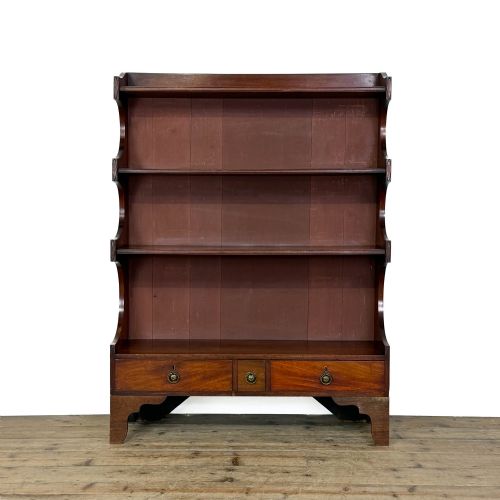
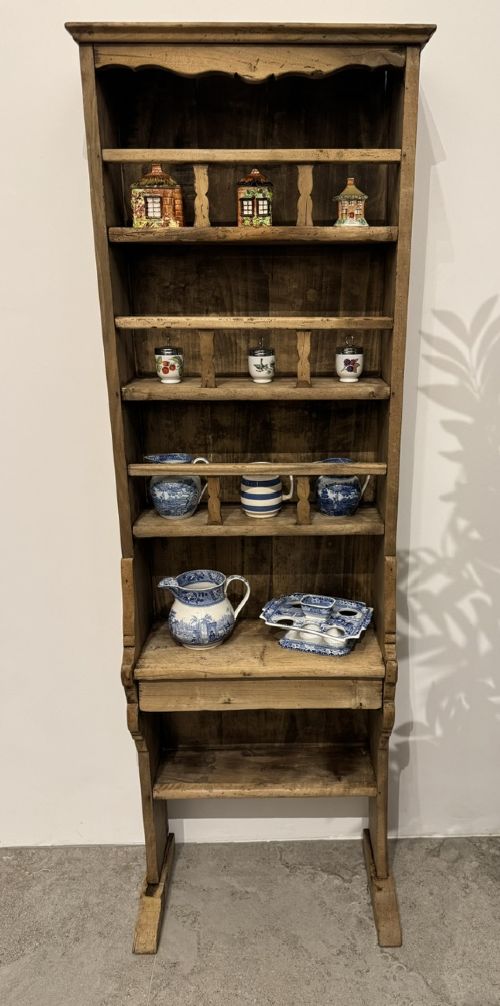
These wood wall shelves range from Georgian mahogany sets to Victorian walnut displays, offering practical storage with decorative presence.
Wood Wall Shelves
When searching for wood wall shelves, buyers encounter hanging tiers, display brackets, and corner units designed to utilise vertical wall space. These pieces serve to organise books, plates, and decorative objects without crowding floor areas.
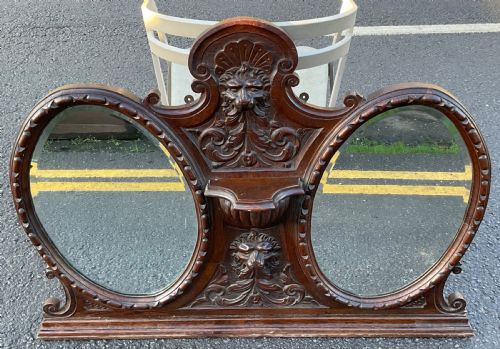
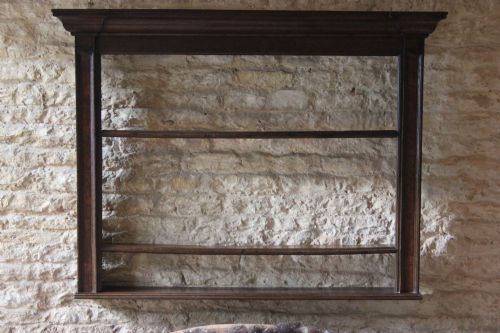
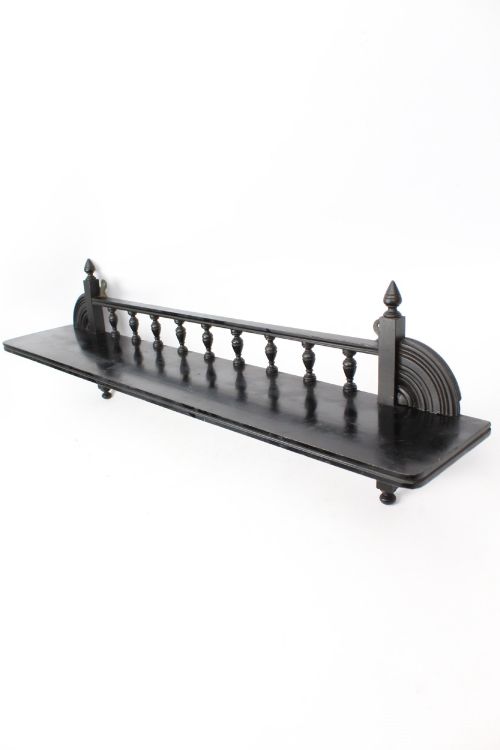
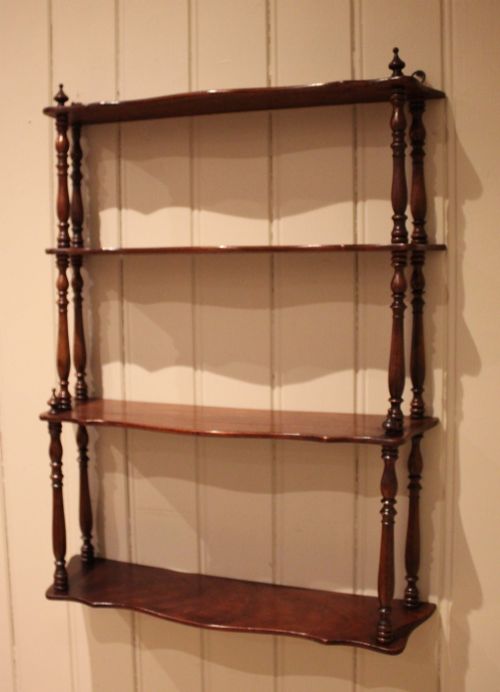
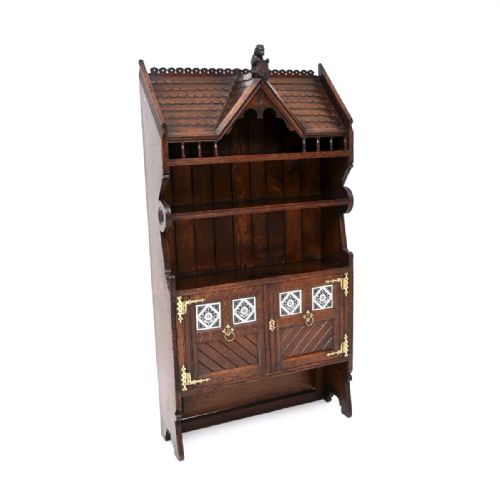
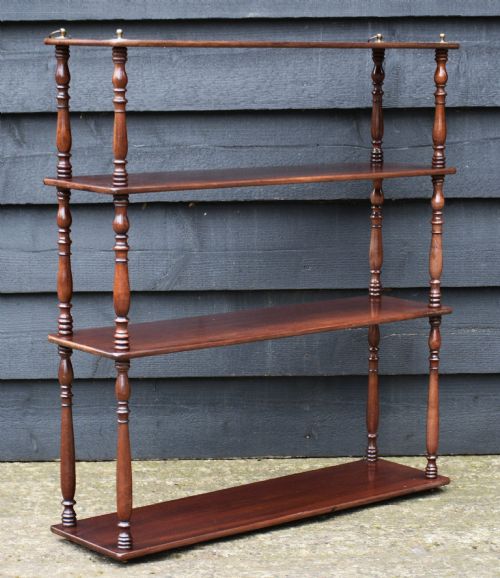
The selections available include nineteenth-century mahogany waterfall tiers, Victorian aesthetic movement hanging shelves, and eighteenth-century oak wall racks. Mahogany and walnut versions from the Victorian and Regency periods appear most frequently on this page.
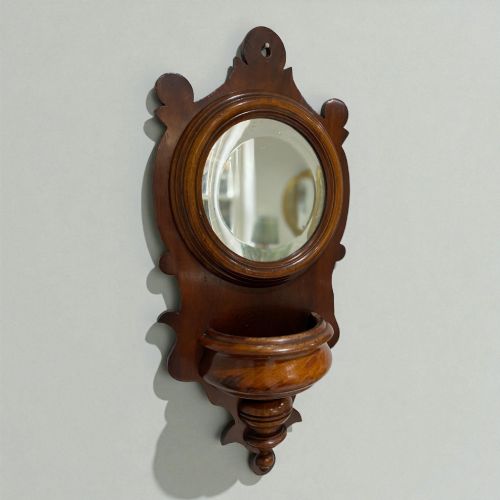
Forms extend beyond simple boards to incorporate glazed cabinets, plate racks, and mirrored backs with integral brackets. Each variation reflects the domestic requirements of its period, from formal Georgian libraries to eclectic Victorian parlours.
Materials and construction
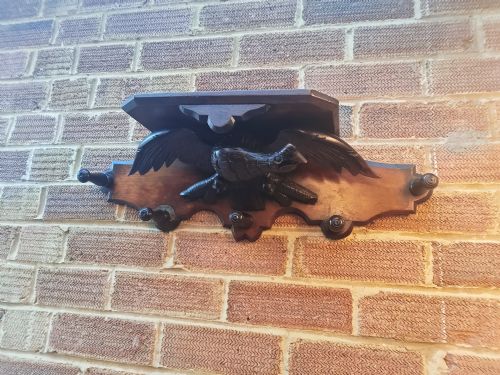
Cabinetmakers constructed these shelves primarily using dense hardwoods such as mahogany, oak, and walnut, frequently selecting timber for rich grain patterns. Giltwood, gesso, and painted finishes also occur, particularly on decorative wall brackets and French chateau styles.
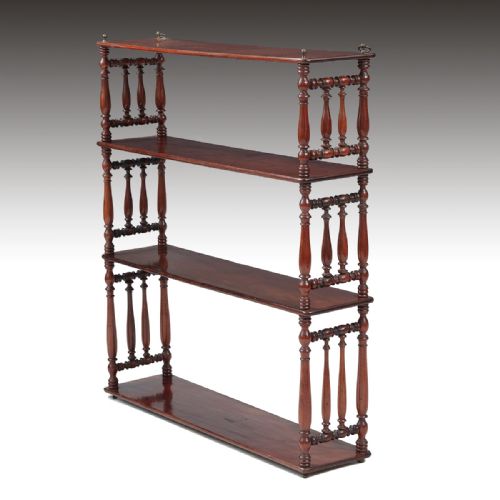
Joinery methods varied according to function and date, employing traditional dovetail joints, mortise and tenon frames, and brass fixings to secure hanging points. Carved corbels, turned bobbin supports, and inlaid olive wood details show the hand of skilled artisans across the eighteenth and nineteenth centuries.
Wood Wall Shelves Retail Price Guide 2026
Typical asking prices for wood wall shelves among the pieces listed under this phrase on Sellingantiques today, from the lower quarter to the upper quarter. They describe what is for sale here now, not the wider market.
Some nineteenth-century homeowners displayed their porcelain collections on bobbin shelves while checking their hair in adjacent gilt mirrors.
Evaluating quality and execution
Quality in these pieces rests upon the crispness of carved wooden ornament, the integrity of the timber, and the balance of proportions. Superior examples display finely turned spindles, securely seated shelves, and original patination on the wood surface.
Simpler vernacular pieces rely on honest construction and sturdy oak boards, while high-style Victorian and Regency iterations demand precise joinery and refined decorative details like brass mounts or gilt gesso embellishments.
John Moyr Smith·Cottier and Co·Liberty and Co
The Wood Wall Shelves Glossary
- Waterfall shelves
- Graduated tiers of shelving where each lower board extends further forward than the one above it. This form gained popularity during the nineteenth century for displaying books and small ornaments.
- Overmantel
- A decorative structure positioned above a fireplace mantelpiece, often incorporating mirrors, panels, or display shelves. Examples from the nineteenth century frequently utilise walnut or mahogany.
- Bracket
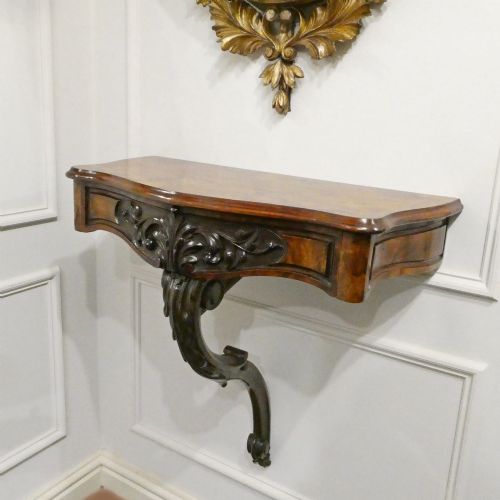
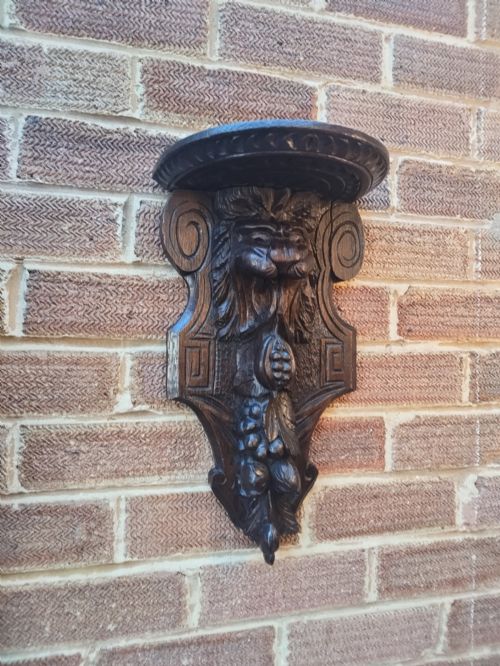
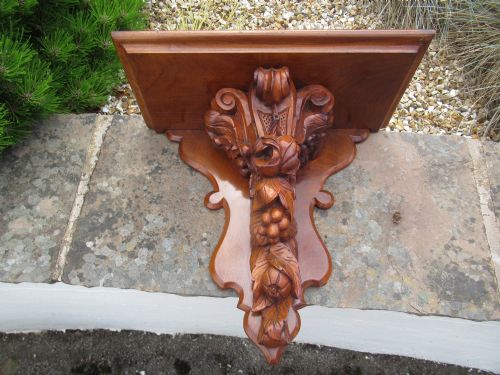
- A projecting architectural support fixed to a wall to hold a weight, such as a clock, bust, or small shelf. These often feature carved wood, giltwood, or gesso finishes.
- Delft rack
- A wall-mounted rack specifically designed with wooden slats or rails to display plates upright. Georgian and eighteenth-century country versions in oak are typical.
- Giltwood
- Wood that has been coated with a thin layer of gold leaf or gold paint for decorative effect. This finish appears frequently on eighteenth and nineteenth-century wall brackets and mirrors.
Wood Wall Shelves: Frequently Asked Questions
How do I hang antique wall shelves safely?
Most hanging shelves utilise brass fixing loops or screw holes integrated into the back stiles or side supports. Ensure you locate suitable wall anchors or fix directly into wall studs to support the weight of the timber and displayed items.
Heavier walnut or mahogany tier units require sturdy steel fixings distributed across multiple points to prevent the piece from pulling away from the plaster under load.
What is the difference between wall brackets and wall shelves?
Wall brackets generally consist of a single supporting corbel or shelf designed to hold one specific object like a clock or urn. Wall shelves feature two or more horizontal boards arranged vertically to hold multiple items.
Brackets focus heavily on carved architectural ornament, whereas shelves prioritise surface area for display while maintaining decorative side supports.
How do I care for antique wood shelves?
Maintain the timber by dusting regularly with a soft, dry cloth and avoiding direct sunlight that can fade mahogany and walnut finishes. Apply a quality beeswax periodically to nourish the wood and preserve the historic patination. n Keep shelves away from extreme humidity and direct heat sources such as radiators to prevent the wood from warping or splitting at the joints.
Can these shelves support heavy books?
The capacity depends entirely on the construction method, timber density, and how securely the piece is fastened to the wall. Small decorative or waterfall shelves suit light ornaments and small volumes rather than heavy folios.
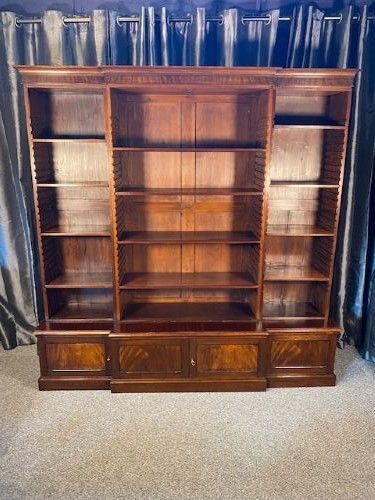
Sturdier oak bookcases and robust nineteenth-century mahogany tiers handle heavier book collections if the backplates and wall fixings remain solid.