
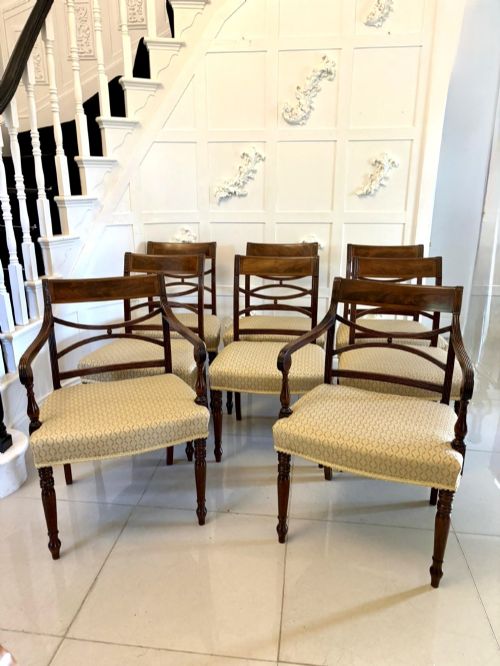
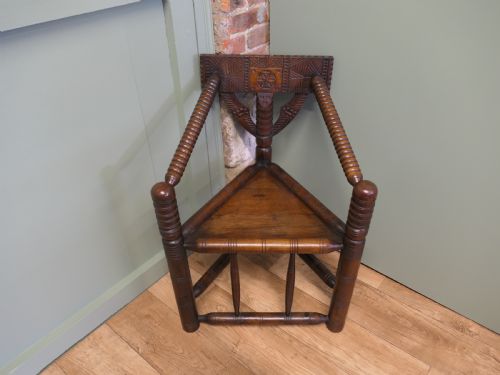
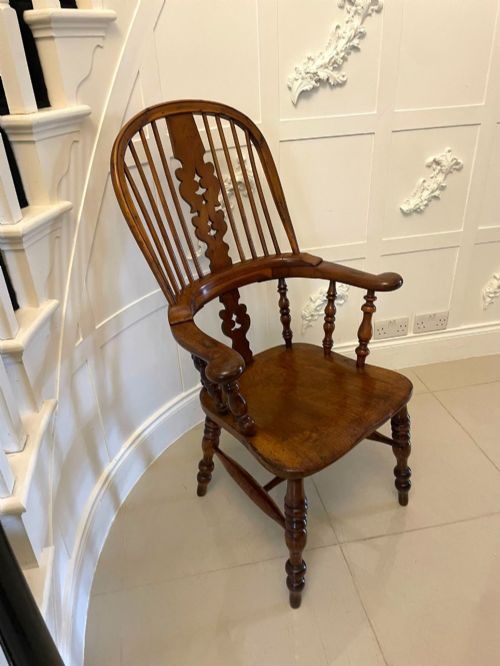
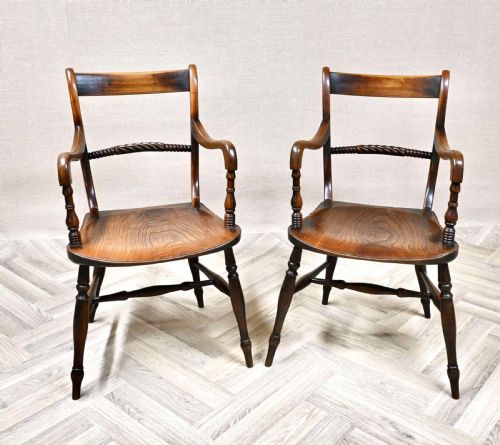
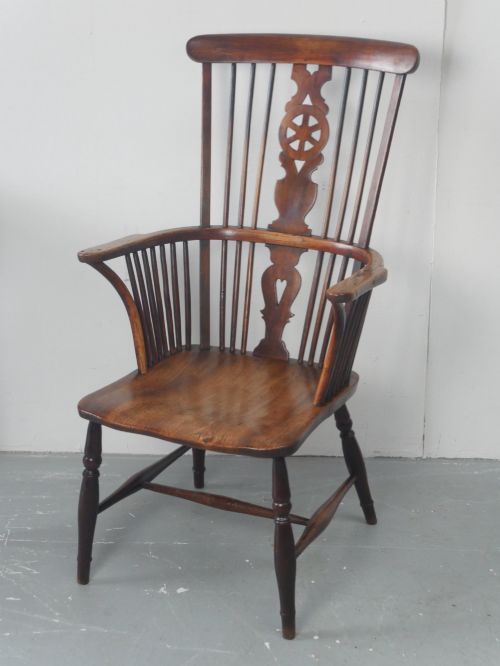
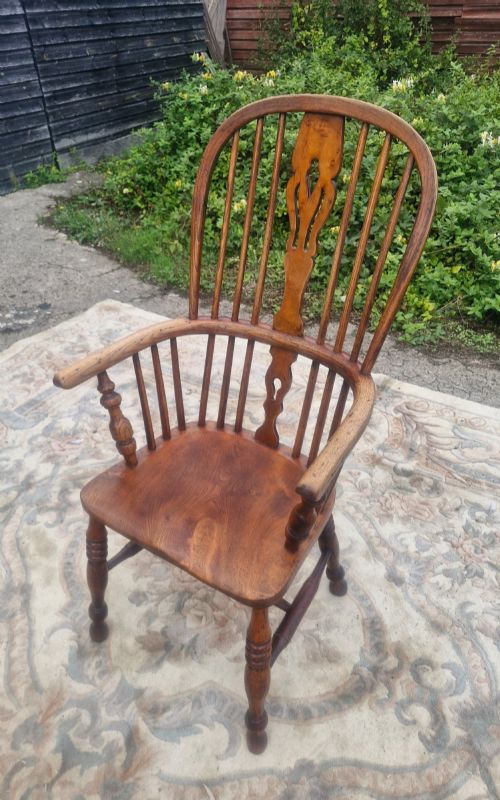
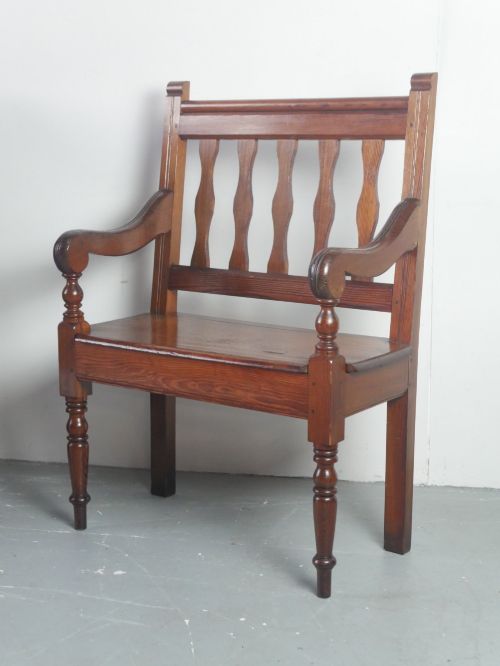
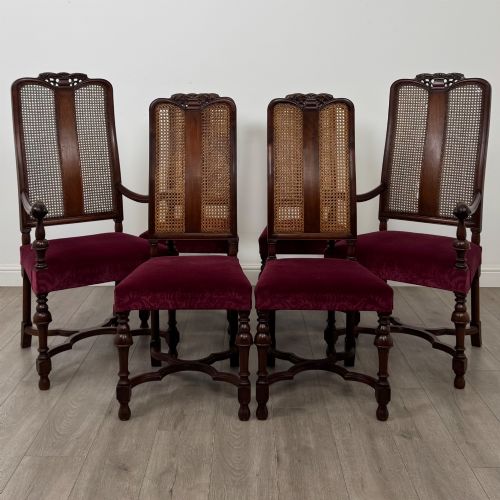
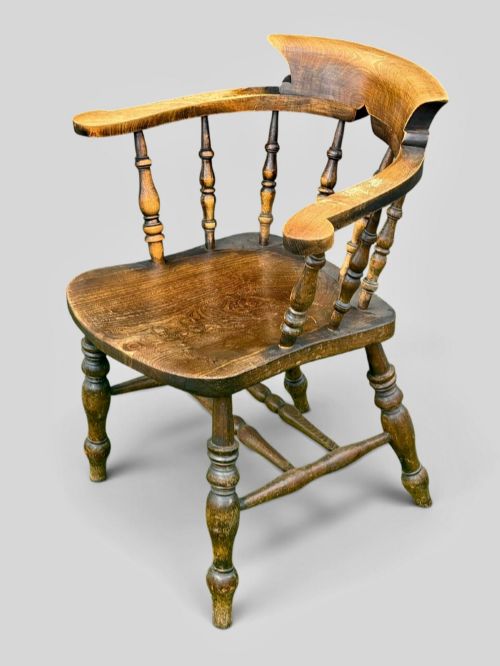
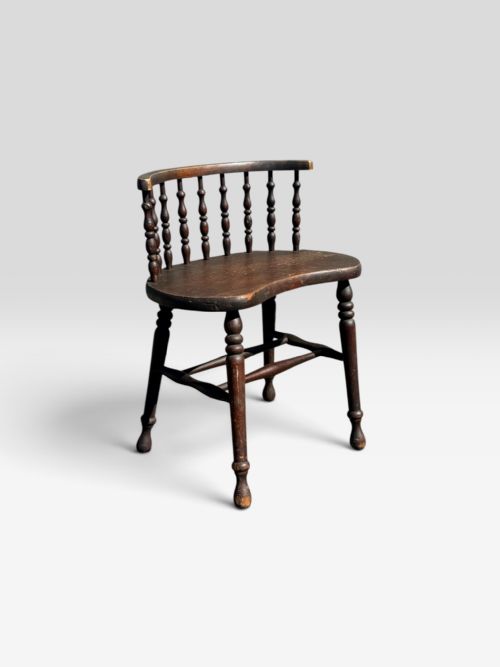
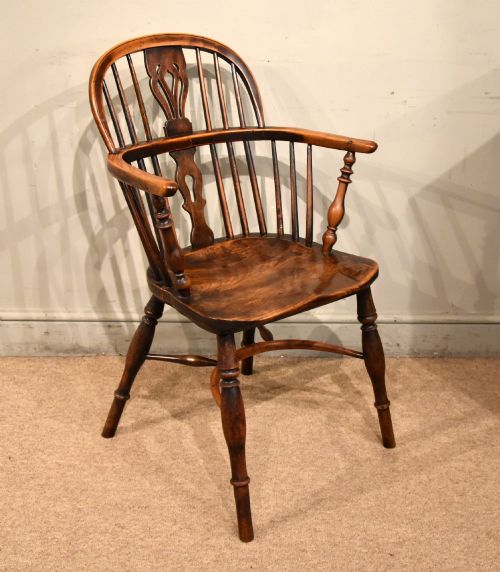
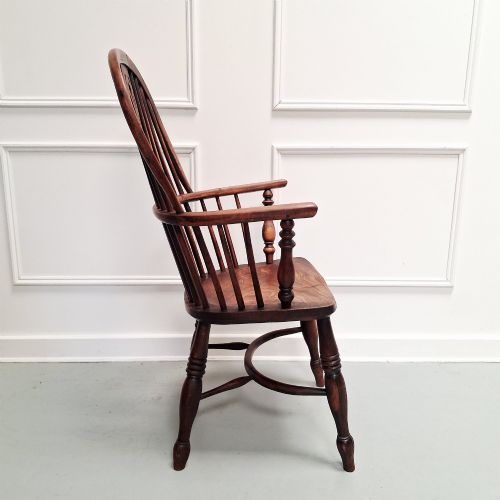
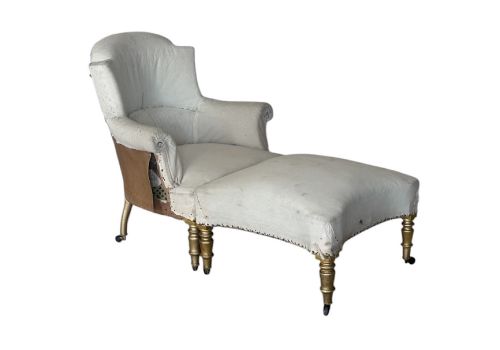
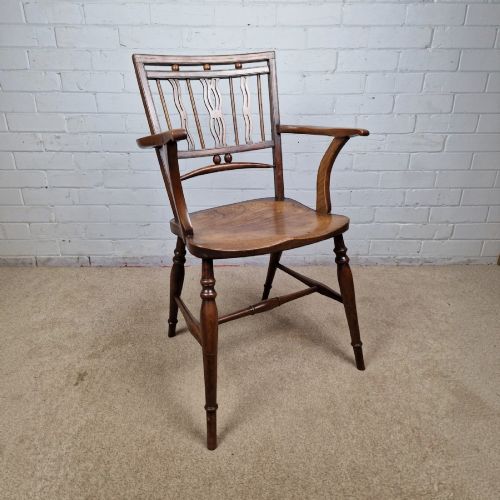
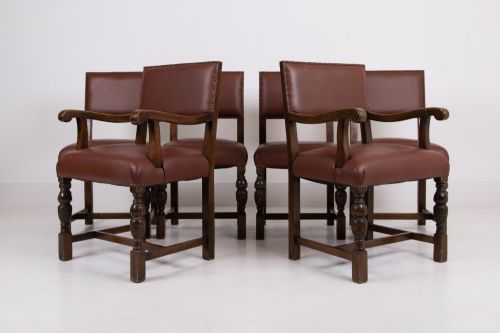
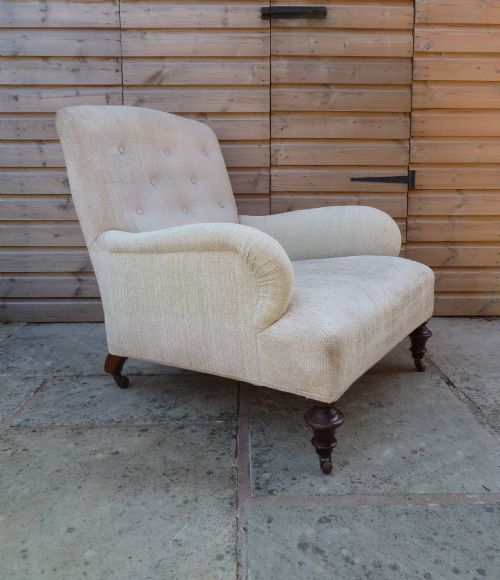
Wood Turned Leg Armchair
A wood turned leg armchair delivers solid vernacular character, offering robust timber construction and traditional seating comfort for any room.
Wood Turned Leg Armchair
When you search for a wood turned leg armchair, you encounter seating built primarily within English country traditions from the nineteenth and early twentieth centuries. These pieces span distinct forms including Windsor chairs, kitchen armchairs, and high-back captain chairs originating from periods such as the Victorian era and the Regency period.
The versions most frequently met on this page combine vernacular forms with sturdy timber construction, often featuring high backs, comb backs, or hoop backs supported by robust underframes. Makers utilised local timbers like elm, ash, yew, and beech to construct seating suited to daily domestic use in farmhouses and country houses.
Beyond standard Windsor variants, listings incorporate related seating styles like carver chairs, desk chairs, and corner chairs displaying turned structural components. These forms reflect diverse regional cabinet-making practices across England, maintaining functional utility alongside decorative turning.
Construction and Materials
Construction relies on traditional joinery where turned wooden legs and spindles are tenoned directly into solid plank seats or bentwood frameworks. Ash and beech typically provide the structural strength required for legs and stretchers, while figured elm and rich yew supply stable, decorative seat plates and bowed backrests.
Makers shaped components using pole lathes and drawknives, producing precise cylindrical turnings for legs, spindles, and crinoline stretchers. Steam-bending techniques allowed straight sections of ash or yew to form continuous curved back rails and hoops without weakening the grain structure.
Current listings feature nineteenth-century vernacular forms constructed from native timbers including elm, ash, yew, and beech.
Evaluating Quality
Quality separates pieces by the choice of timber and the complexity of the wood turning used in the underframe. Chairs built from highly figured yew or richly grained elm with intricate ropetwist or bobbin turnings sit at the top of the range.
Structural integrity and the retention of original components dictate the standing of each armchair. Examples retaining matching turned stretchers, crisp spindle shaping, and minimal timber replacement demonstrate superior craftsmanship from regional workshops.
J Spencer·Mellier and Co·Robert Strahan Dublin
The Wood Turned Leg Armchair Glossary
- Windsor chair
- A traditional wooden chair featuring a solid plank seat into which the back and legs are separately bored and wedged. These chairs often incorporate bentwood hoops and central splats.
- Crinoline stretcher
- A curved reinforcing stretcher connecting the legs of a chair beneath the seat, adding structural stability. It takes its name from the shape of nineteenth-century hoop skirts.
- Hoop back
- A continuous curved wooden arm and back rail steam-bent from a single piece of timber. This design provides ergonomic support in vernacular seating.
- Vernacular furniture
- Domestic objects made by regional craftsmen using local materials and traditional methods rather than following metropolitan high-style designs. These pieces emphasise practical utility and honest construction.
- Carver chair
- An open armchair, typically designed for dining or desk use, matching the aesthetic of a set of side chairs. They frequently appear in nineteenth-century dining room suites.
Wood Turned Leg Armchair: Frequently Asked Questions
What is a wood turned leg armchair?
A wood turned leg armchair is a traditional seat featuring legs shaped on a lathe, commonly found in nineteenth-century country furniture.
These pieces utilise domestic timbers like elm, ash, and yew, combining vernacular function with visible woodworking craft.
How do I identify a Windsor armchair?
A Windsor armchair is distinguished by its solid wooden seat that holds the legs and back spindles directly without a traditional frame.
They often include bentwood hoops, comb backs, or pierced splats characteristic of English country seating traditions.
What timbers were used for these chairs?
Makers selected native British hardwoods depending on the specific structural and decorative requirements of the chair components.
Elm and yew provided stable, heavily figured timber for seats, while ash and beech offered the tensile strength needed for turned legs and bent spindles.
How do I live with country armchairs?
These armchairs integrate easily into contemporary and traditional interiors as occasional seating in studies, living rooms, or hallways.
Their robust timber construction makes them durable for daily use while adding natural texture and historic character to a room.
How do I date a nineteenth-century armchair?
Dating relies on observing construction methods, tool marks, timber choice, and stylistic developments across the Victorian and Regency periods.
Examining the turning profiles and the wear patterns on the seat helps distinguish earlier vernacular examples from later revival pieces.