

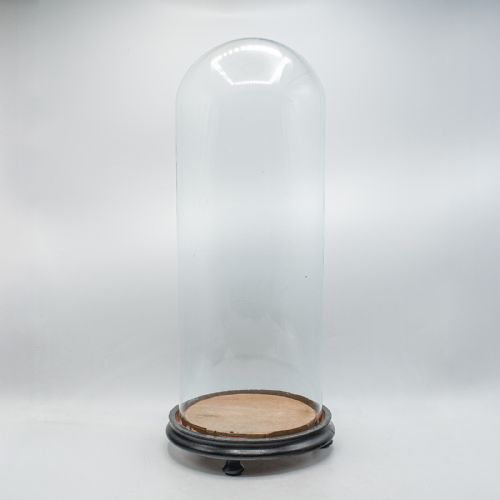


Wood Base Taxidermy Dome
These wood base taxidermy dome pieces bring historic specimens into rooms, offering glass protection for preserved birds and botanical displays.
Wood Base Taxidermy Dome
When you search for wood base taxidermy dome, you are looking at Victorian and Edwardian display pieces designed to protect preserved specimens from dust. These enclosures combine blown glass covers with timber plinths, keeping delicate subjects safe in domestic or scholarly settings.
The pieces on this page span the nineteenth century into the early twentieth century, taking the form of tall, wide or oval display cases. They house everything from Indian stuffed birds to botanical specimens and ornamental collections under clear glass.
Makers utilised these glass covers not just for taxidermy birds, but also for clock movements and botanical dioramas. The primary format is a glass bell or oval cloche resting snugly upon a wooden foundation.
How they were made
Glass blowing created the clear domes, while turners and cabinet makers shaped the timber bases from materials such as beech, oak, pine and ebonised wood. Some plinths incorporate fabric or felt to line the interior floor where specimens stand.
Makers often added marquetry decoration to timber bases, raising the display platform with small feet to elevate the entire showcase. The glass element sits within a groove on the wood base, sealing the interior environment for the preserved contents inside.
Wood Base Taxidermy Dome Retail Price Guide 2026
Typical asking prices for wood base taxidermy dome among the pieces listed under this phrase on Sellingantiques today, from the lower quarter to the upper quarter. They describe what is for sale here now, not the wider market.
Professor's specimen domes let you stare intently at stuffed birds without any awkward questions being asked about your social life.
What varies in quality
Quality rests in the clarity and thickness of the blown glass dome, alongside the joinery and timber selection of the base. Heavy oak, beech or marquetry plinths with well-proportioned glass covers represent the finer end of the range.
The condition of the interior taxidermy specimens and the snugness of the glass within the wooden groove also separate standard examples from superior displays. Finer pieces maintain original felt linings and unblemished glass without excessive distortion.
James Gardner
The Wood Base Taxidermy Dome Glossary
- Taxidermy dome
- A glass cover placed over preserved animal or bird specimens mounted on a base. These were popular in Victorian homes for displaying exotic subjects.
- Ebonised wood
- Timber treated to imitate ebony, giving a dark, polished finish. This material appears frequently on nineteenth-century display bases.
- Cloche
- A bell-shaped glass cover used for protection. In this context, it serves the same display function as a glass dome.
- Diorama
- A three-dimensional scene containing taxidermy specimens arranged in a simulated natural habitat. Oval collector domes often house these arrangements.
- Marquetry
- Inlaid wood pieces fitted together to form decorative patterns on a surface. Skilled artisans used this technique on display bases.
Wood Base Taxidermy Dome: Frequently Asked Questions
What fits under a taxidermy dome?
These enclosures house preserved birds, botanical specimens, and delicate ornaments. Victorian collectors also placed clock movements beneath them.
The interior space depends on the height and shape of the glass cover, whether tall, wide, or oval.
How do I clean the glass dome?
Use a soft cloth and mild glass cleaner on the exterior surface. Lift the glass carefully from its wooden base only when necessary.
Take care near antique timber plinths to avoid moisture damage to the wood or internal fabric lining.
Are these domes fixed to the base?
Most glass covers lift off the wooden plinth, resting in a carved groove rather than being permanently glued down.
This loose fit allowed Victorian owners to access the specimens and clean the interior glass over time.
How do I date an antique dome?
Dating relies on the style of the timber base, glass manufacturing traits, and period attribution notes. Victorian examples often feature ebonised wood or pine.
Edwardian pieces tend to utilise simpler oak or beech plinths with straightforward proportions.