





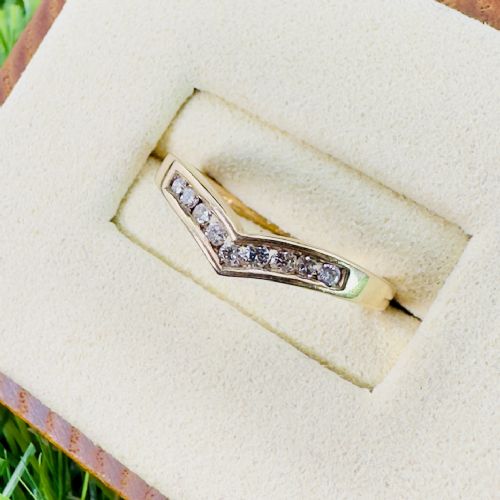


Womens Gold Ring
A womens gold ring brings together precious metals and stones across multiple eras, offering a tangible piece of wearable history for everyday wear.
Womens Gold Ring
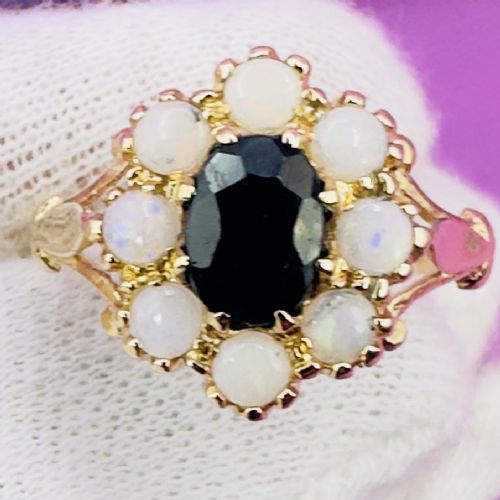
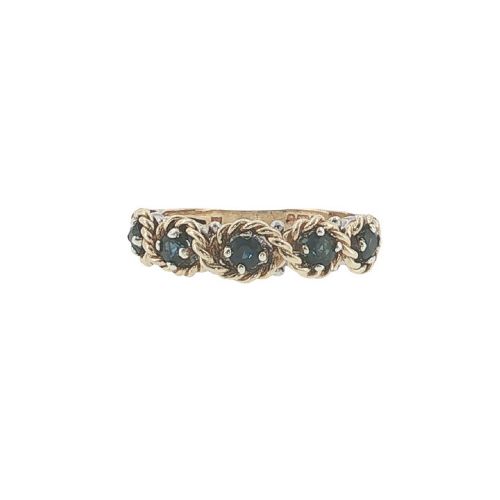
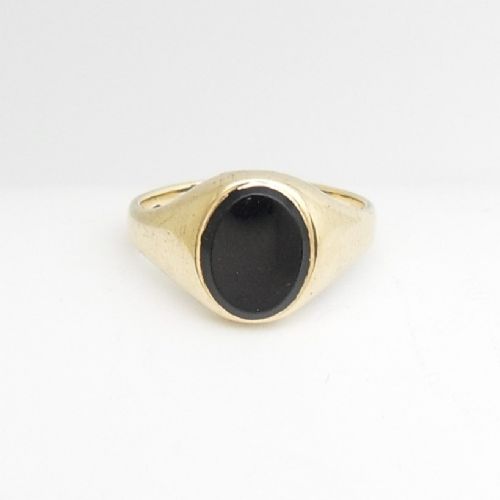
A womens gold ring spans various forms, including cluster rings, half eternity bands, signet rings, and classic stone-set bands. These pieces draw from periods such as the Edwardian era, the 1930s, the 1950s, and the 1960s, alongside later vintage examples.
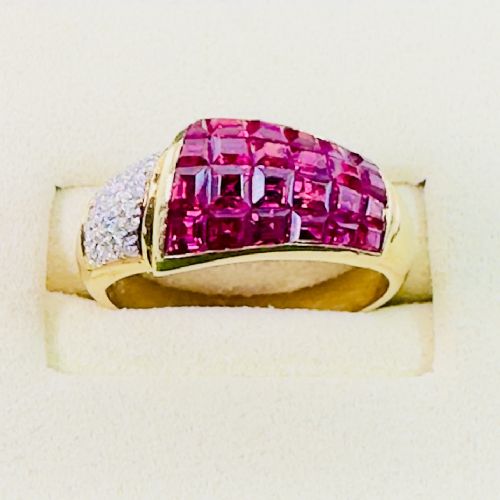
The most common variations on this page utilise nine-carat and eighteen-carat gold, often housing diamonds, sapphires, rubies, emeralds, opals, or onyx. Designs range from traditional classic styles to modernist and mid-century aesthetics.
Buyers encounter everything from delicate wishbone shapes and heavy signet rings to intricate multi-stone clusters. Each example reflects the distinct jewellery design sensibilities of its specific decade.
How they were made
Construction relies heavily on nine-carat yellow and white gold, eighteen-carat gold, and occasionally fourteen or fifteen-carat variations. Goldsmiths shaped these metals into robust bands, delicate half eternity settings, and substantial signet faces.
Gemstones including brilliant-cut diamonds, princess-cut rubies, sapphires, and opals are secured into the metal framework using traditional claw and channel settings. Specific examples feature custom engraving, such as monograms on Edwardian signet rings.
Womens Gold Ring Retail Price Guide 2026
Typical asking prices for womens gold ring among the pieces listed under this phrase on Sellingantiques today, from the lower quarter to the upper quarter. They describe what is for sale here now, not the wider market.
One Edwardian ring manages to squeeze both a heart motif and a personal monogram into a single fifteenth-carat gold signet face.
What varies in quality
The calibre of a womens gold ring depends on the weight of the precious metal and the selection of stones. Heavier constructions, such as substantial eighteen-carat cluster rings, demonstrate greater durability compared to lighter nine-carat counterparts.
Stone quality introduces another distinction, where uniform diamond clarity, matched sapphire colour saturation, and precise gemstone cutting elevate a piece. Maker marks and official assay office hallmarks from locations like London also add verifiable provenance.
The Womens Gold Ring Glossary
- Hallmark
- An official stamp applied by an assay office indicating the purity of the metal and the year of testing. These marks provide definitive evidence of origin and age.
- Cluster ring
- A ring featuring a central gemstone surrounded by a cluster of smaller stones, typically diamonds. This arrangement maximises visual impact and sparkle.
- Half eternity ring
- A band set with a single continuous line of gemstones across the upper half of the hoop. It symbolises eternal affection while maintaining comfort on the lower palm side.
- Signet ring
- A ring bearing a flat engraved surface or monogram, historically used for sealing documents. Edwardian and mid-century examples often use yellow gold and onyx.
- Wishbone ring
- A curved band shaped like a V or a wishbone, designed to fit snugly against a solitaire engagement ring. This form became popular during the mid-twentieth century.
Womens Gold Ring: Frequently Asked Questions
How do I clean a gold ring?
Warm soapy water and a soft brush remove everyday oils and debris from most gold and gemstone jewellery safely.
Avoid harsh chemical dips, particularly if the ring contains softer stones like opals or delicate organic materials.
Can antique gold rings be resized?
Most gold rings can be altered by a skilled jeweller who adds or removes a small section of the metal band.
Intricate channel-set half eternity bands require specialist care to ensure the stone settings remain secure during the process.
What is the difference between 9ct and 18ct gold?
Nine-carat gold contains a lower proportion of pure gold alloyed with other metals for increased durability and a paler yellow hue. Eighteen-carat gold contains a higher percentage of pure gold, delivering a richer colour and greater intrinsic weight.
How do I identify the period of a ring?
Assay office hallmarks, engraving styles, and gemstone cuts offer key clues to the manufacturing decade. Edwardian pieces often feature distinct monograms, whilst 1950s and 1960s designs frequently embrace cluster and wishbone configurations.