


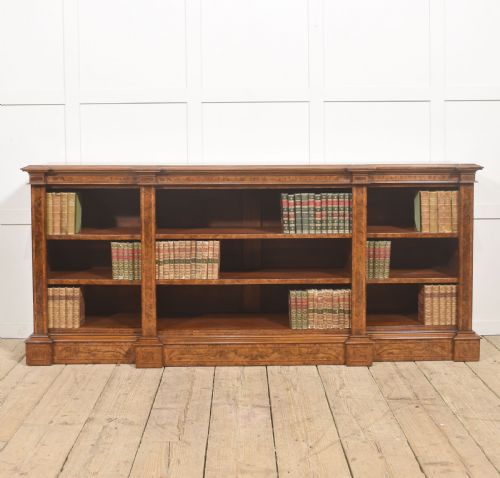


Wide Bookcase Unit
A wide bookcase unit provides ample open shelving for substantial libraries, spanning Victorian mahogany to Edwardian oak forms.
Wide Bookcase Unit
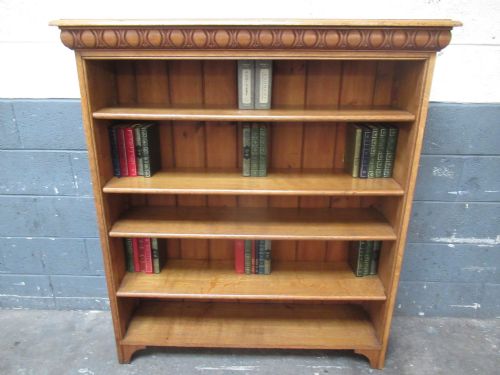
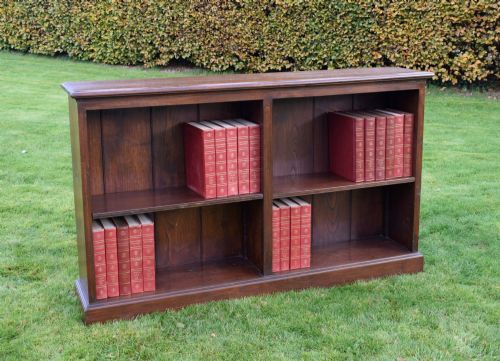
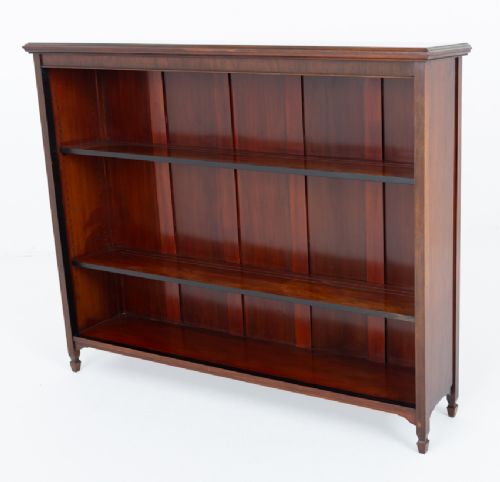
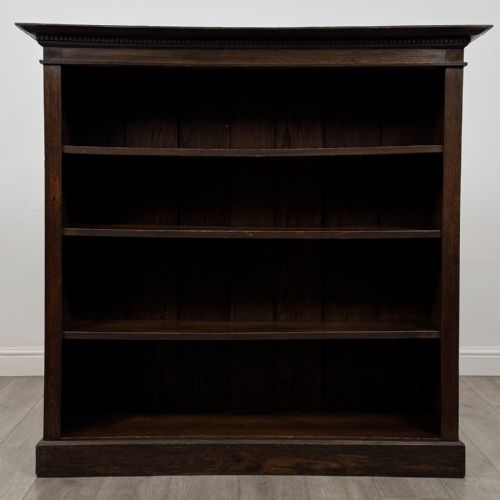
A wide bookcase unit offers generous horizontal storage, primarily appearing as open-fronted furniture designed for easy access to large collections of volumes. These pieces accommodate expansive domestic or institutional spaces, providing deep and wide platforms for shelf organisation.
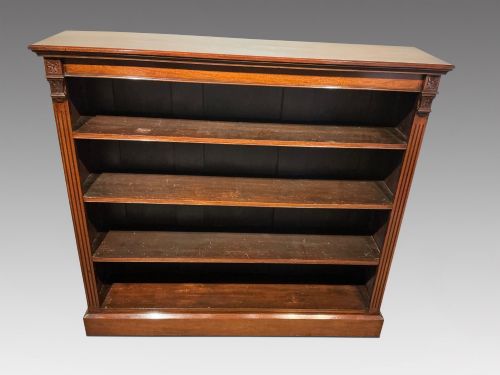
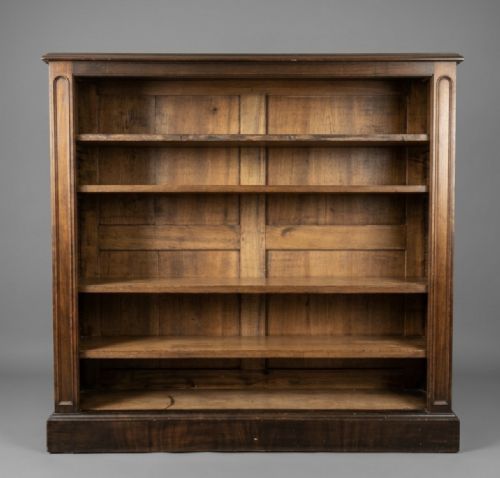
The versions most commonly met on this page date from the nineteenth and early twentieth centuries, encompassing Victorian, Edwardian, and later periods. They emerge predominantly in timber varieties such as mahogany and oak, reflecting the domestic architecture and library needs of their eras.
How they were made
Decorative elements involve carved details, dentil cornices, raised galleries, and brass mountings, particularly on Napoleon III and Gothic Revival examples. Surfaces receive hand-finished polishes or waxes that accentuate the natural grain of the wood.
Wide Bookcase Unit Retail Price Guide 2026
Typical asking prices for wide bookcase unit among the pieces listed under this phrase on Sellingantiques today, from the lower quarter to the upper quarter. They describe what is for sale here now, not the wider market.
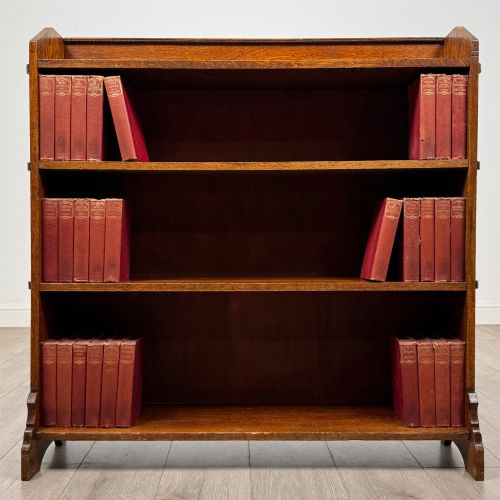
Some Edwardian oak units feature stepped waterfall shelves designed to let books tumble gracefully down the wall.
What varies in quality
The selection of timber dictates much of the visual character, where finely figured mahogany or burr walnut sits apart from standard utility pine or plain oak. Timber choice directly influences the weight and presence of the piece within a room.
Lamb of Manchester
The Wide Bookcase Unit Glossary
- Breakfront
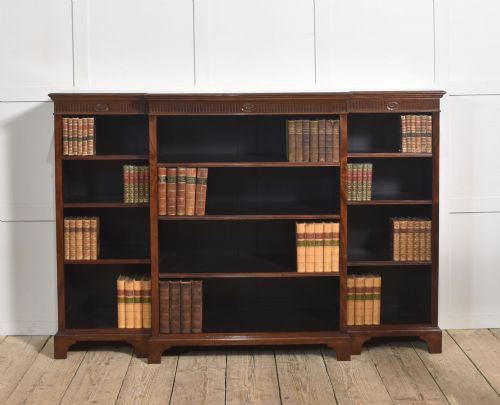
- A piece of furniture whose central section projects forward from the flanking wings. This classical arrangement creates depth and architectural interest across wide cabinet facades.
- Dentil cornice
- A moulding decorated with a series of small, rectangular blocks resembling teeth. It typically tops the upper edge of formal bookcases.
- Ebonised wood
- Timber treated with a dark stain or finish to imitate ebony. This technique gained popularity in nineteenth-century decorative arts for dramatic contrast.
- Waterfall bookshelves
- A set of shelves where each tier steps back progressively from the one below it. The form creates a cascading profile often seen in Edwardian pieces.
- Raised gallery
- A low decorative railing or border running along the top edge of a cabinet or bookcase. It prevents items placed on top from sliding off.
Wide Bookcase Unit: Frequently Asked Questions
What is a wide bookcase unit?
A wide bookcase unit is a substantial piece of furniture designed to hold large quantities of books across expansive open shelves. These units provide deep storage bays suited for extensive domestic libraries.
They appear in various period styles, ranging from plain functional Edwardian oak to grand Victorian breakfront mahogany designs with architectural cornicing.
How were these bookcases used?
These bookcases served primarily in studies, libraries, and parlours to house comprehensive collections of bound volumes and reference books. The open-front design ensured rapid access to frequently read texts.
Many examples incorporated adjustable shelving, allowing owners to alter shelf heights to accommodate folio volumes and smaller octavos alike.
How can I tell the period apart?
Differentiating periods relies upon observing decorative vocabulary and timber choices characteristic of specific eras. Victorian examples often utilise heavy mahogany with Gothic Revival motifs, while Edwardian pieces frequently employ lighter oak or waterfall configurations.
Later nineteenth-century pieces may incorporate brass mounts and ebonised finishes, pointing toward Napoleon III influences.