




White Metal Urns
White metal urns are substantial vessels in cast iron, zinc, and painted finishes designed to anchor a garden or accent a grand interior.
White Metal Urns
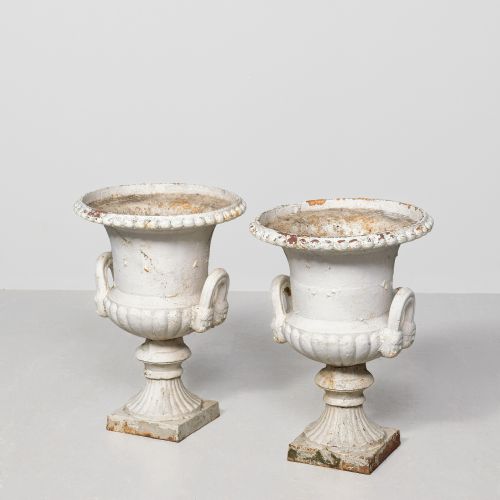
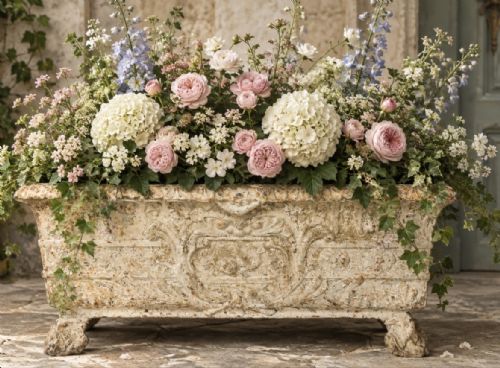
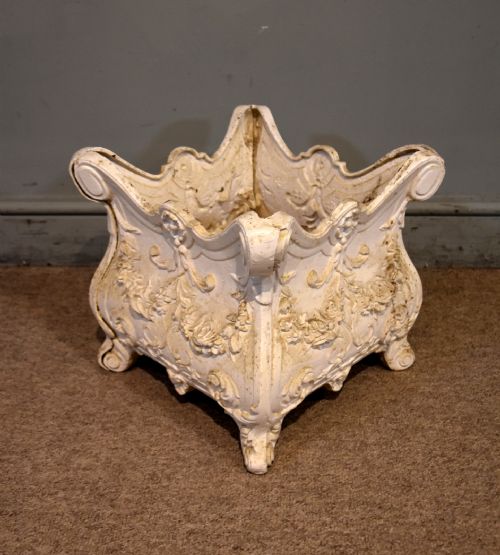
White metal urns encompass robust garden vessels and planters cast in iron or formed in zinc, often bearing the patinated remains of old pale paint. These pieces draw on neoclassical and Victorian classical revival styles, echoing antique forms intended for formal terraces and conservatories.
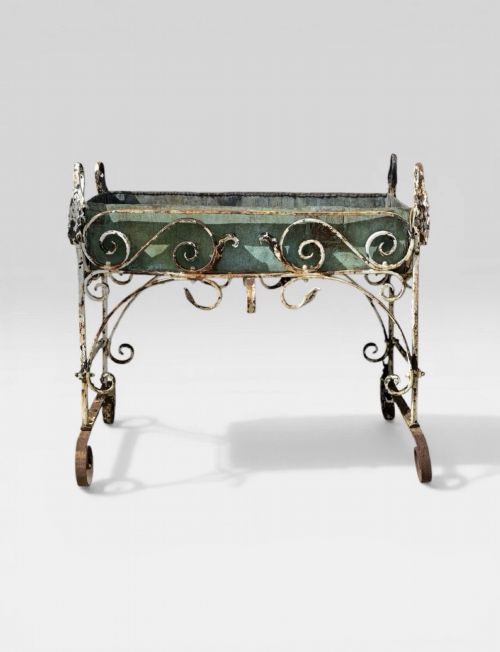
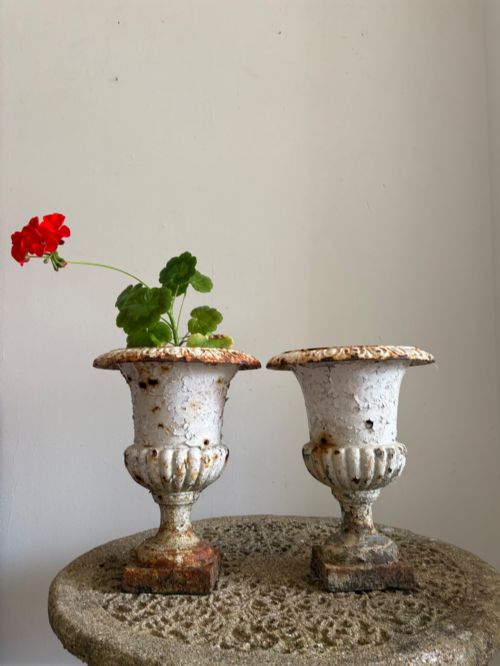
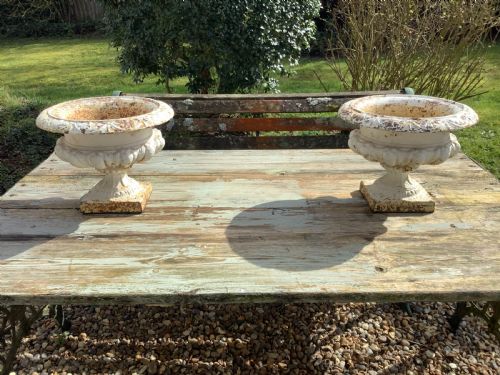
You are most likely to encounter heavy 19th-century cast iron garden urns and planters, including Campagna and tazza shapes frequently mounted on matching plinths. The selection also includes French provincial planters in wrought iron and occasional table lamps combining metal with onyx.
How they were made
Foundries utilised heavy sand-casting techniques for iron garden urns, pouring molten metal into moulds to achieve crisp acanthus leaf motifs, classical handles, and fluted bowls. Skilled ironfounders such as Andrew Handyside and the Coalbrookdale foundry produced these durable pieces for both public parks and private estates.
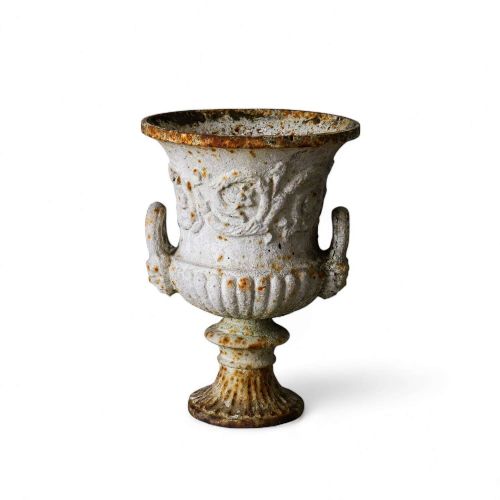
Surfaces were frequently finished with lead-based or oil paints in pale and white tones to imitate carved stone or marble. Years of weathering create the characteristic flaking and distressed textures seen on surviving garden examples.
White Metal Urns Retail Price Guide 2026
Typical asking prices for white metal urns among the pieces listed under this phrase on Sellingantiques today, from the lower quarter to the upper quarter. They describe what is for sale here now, not the wider market.
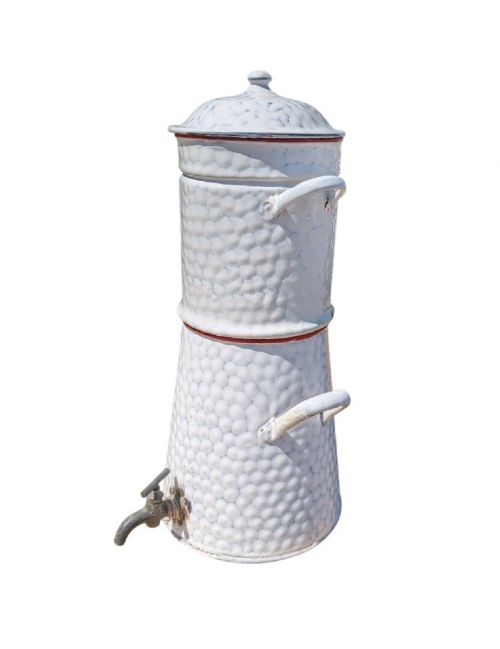
Some French enameled coffee urns crossed over from morning kitchen duties to become decorative interior lighting.
What varies in quality
Quality rests upon the crispness of the cast ornament and the balance of proportions between the bowl, stem, and base. Finer examples display deeply undercut foliage, sharp classical detailing, and robust wall thicknesses rather than flat, simplified moulding.
Original matched pairs and urns retaining their matching pedestals command greater architectural presence. The integrity of the metal, the presence of original drainage holes, and the depth of historic surface paint rather than modern repainting define the desirability of each piece.
Andrew Handyside·Coalbrookdale foundry
The White Metal Urns Glossary
- Campagna urn
- A bell-shaped garden vessel with a flared rim, a deep body, and a pedestal base, highly popular during the Victorian period. This form derives from classical pottery excavated in Italy.
- Tazza urn
- A shallow, saucer-like vessel raised on a central stem and foot, frequently utilised for planting trailing foliage on terraces. These pieces often feature classical handles and crisp moulded borders.
- Cast iron
- An iron-carbon alloy poured into moulds while molten to create durable garden ornaments with intricate decorative detail. Foundries used this strong material for heavy urns exposed to the weather.
- Neoclassical
- A style reviving classical Greek and Roman motifs such as acanthus leaves, egg-and-dart moulding, and fluted columns. This aesthetic dominated Victorian and 19th-century garden design.
White Metal Urns: Frequently Asked Questions
How do I clean a cast iron urn?
Brush away loose dirt and debris with a soft bristle brush, avoiding harsh metal scrapers that might damage the historic surface.
Wash gently with mild soapy water and rinse thoroughly, leaving the patinated paint intact.
Can these urns stay outside all winter?
Cast iron and zinc pieces withstand cold weather well, provided moisture does not freeze and expand inside uninsulated bowls.
Ensure drainage holes remain clear and elevate heavy urns slightly off the ground during freezing months.
How do I identify a Victorian urn?
Look for heavy sand-cast iron construction, neoclassical acanthus leaf decoration, and classical Campagna or tazza proportions.
Examine the surface for layers of historic white paint and weathering characteristic of nineteenth-century garden metalwork.
Are these urns heavy to move?
Cast iron garden vessels are extremely heavy and require multiple people or lifting equipment to position safely.
Once placed on a terrace or plinth, their substantial weight keeps them stable against strong winds.