



Welsh Panelled Cabinet
These robust pieces of storage furniture satisfy a practical need for rural timberwork, bringing regional craft directly into modern rooms.
Welsh Panelled Cabinet
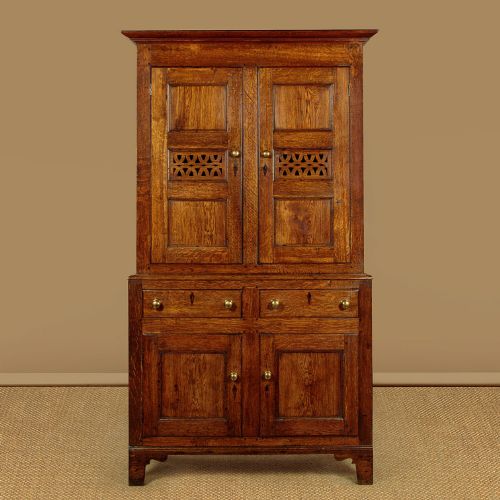
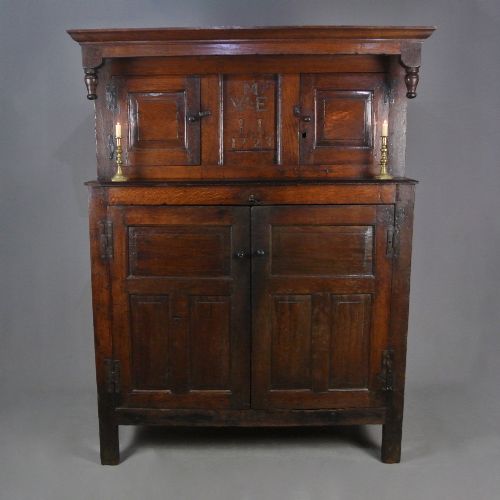
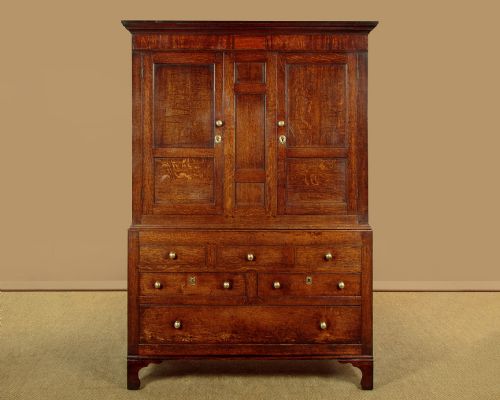
A welsh panelled cabinet brings together regional vernacular forms and sturdy timber construction from centuries past. Buyers seeking this phrase encounter corner cupboards, bread and cheese cupboards, press cupboards, and dressers originating largely from the eighteenth and nineteenth centuries.
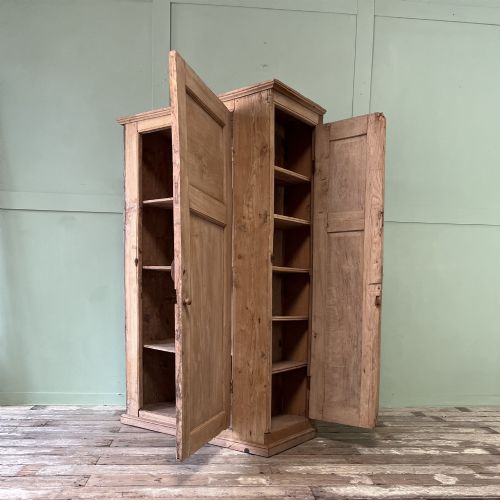
The pieces on this page span several stylistic groups, including Georgian, Welsh vernacular, and Jacobean revival. Forms range from wall-hanging spice cupboards to tall floor-standing corner cupboards in two parts.
Makers working in rural districts constructed these items to meet domestic storage needs using local hardwoods. The surviving examples demonstrate the varied architectural traditions of Welsh country workshops.
Factors of quality
The standard of a welsh panelled cabinet rests on the selection of timber and the precision of the panel framing. Pieces built from well-figured oak with tight joints and original regional proportions represent the higher end of the scale.
Surface timber character and the preservation of original brass or iron hardware influence the overall integrity of the piece. Alterations to the timber or replaced doors distinguish simpler utility items from superior regional examples.
Welsh Panelled Cabinet Retail Price Guide 2026
Typical asking prices for welsh panelled cabinet among the pieces listed under this phrase on Sellingantiques today, from the lower quarter to the upper quarter. They describe what is for sale here now, not the wider market.
Bread and cheese cupboards feature ventilated doors specifically designed to keep hungry mice away from the dairy.
The Welsh Panelled Cabinet Glossary
- Vernacular
- Everyday utilitarian furniture made by local regional craftsmen rather than urban cabinetmakers. These items reflect traditional regional methods rather than high court styles.
- Court cupboard
- An antique enclosed storage piece featuring upper and lower sections, often richly panelled or carved. These date from the seventeenth century and earlier.
- Bread and cheese cupboard
- A regional storage form traditionally pierced or louvered for ventilation. These ventilated doors kept food items fresh in rural kitchens.
- Press cupboard
- A large storage furniture form containing enclosed shelving or hanging space behind panelled doors. They frequently separate into two stacking parts for transport.
Welsh Panelled Cabinet: Frequently Asked Questions
How do I date a wooden cabinet?
Examine the timber species, joinery marks, and hardware fixings to establish a baseline era. Tool marks left by hand planes and saws indicate earlier manufacturing periods before industrial standardisation.
Compare the construction style with documented regional pieces from the eighteenth and nineteenth centuries. Original hinges and locks further clarify the likely production date.
Where should I place a corner cupboard?
Corner cupboards fit efficiently into empty room angles, utilising dead space for functional storage. Floor-standing models anchor a dining area or hallway corner.
Smaller wall-hanging variants suit smaller spaces above side tables or desks. Ensure the wall structure supports the weight of solid oak timber.
How do I care for antique oak?
Maintain stable indoor humidity levels to prevent the solid oak panels from splitting or warping. Keep timber furniture away from direct heat sources and strong sunlight.
Apply traditional beeswax occasionally to nourish the surface grain and preserve the natural patina. Avoid modern silicone sprays that can damage historic finishes.
What is a vernacular piece?
Vernacular furniture describes items made by local country joiners for everyday domestic use. These objects prioritize practical utility and local material availability over fashionable metropolitan designs.
Such pieces often display idiosyncratic regional construction details unique to Welsh workshops. They provide insight into domestic life in rural communities.