


Weathered Garden Furniture
Weathered garden furniture brings character to open spaces through seasoned surfaces shaped by decades outdoors.
Weathered Garden Furniture
Weathered garden furniture comprises outdoor seats, tables, planters, and stands designed to endure the elements while developing a natural patina over time. When searching for weathered garden furniture, buyers encounter pieces intended for practical exterior use that have acquired a distinctive surface appearance through exposure. These items transform patios, lawns, and conservatories by introducing a sense of history and established presence.
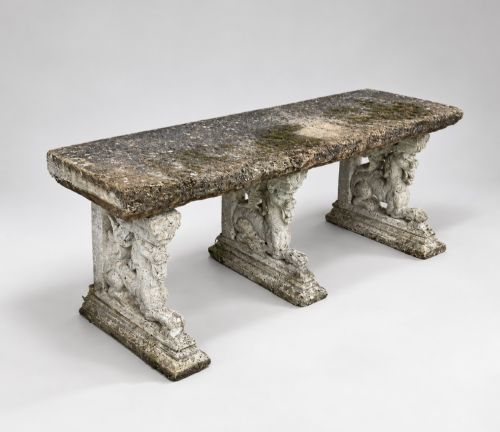
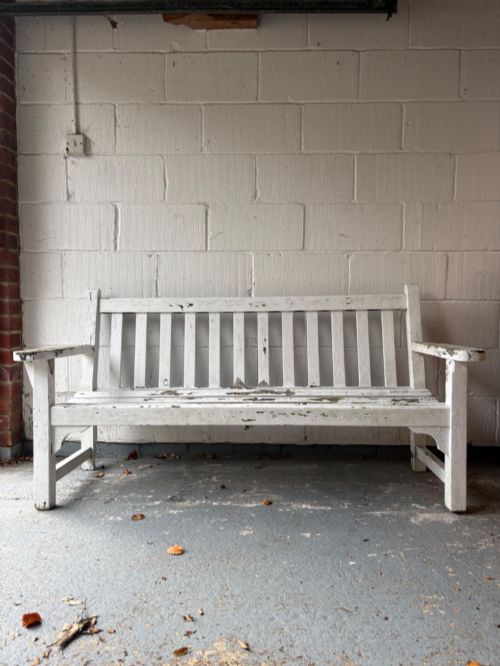
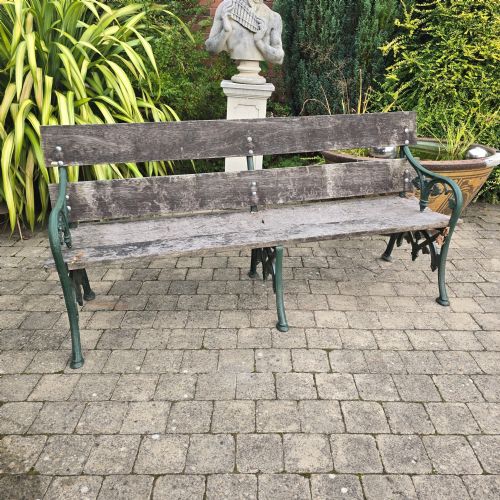
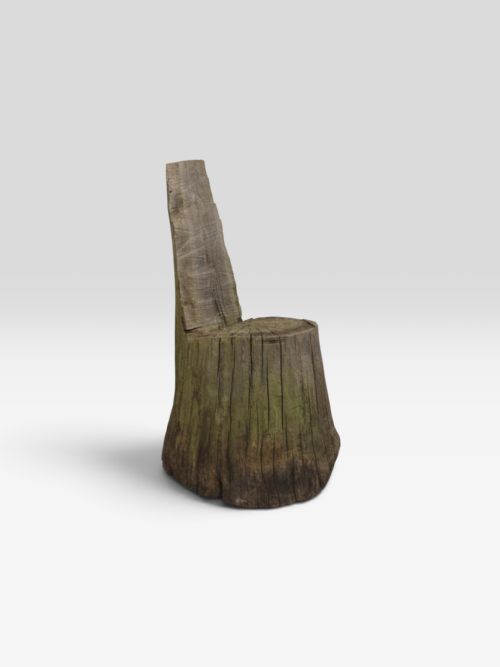
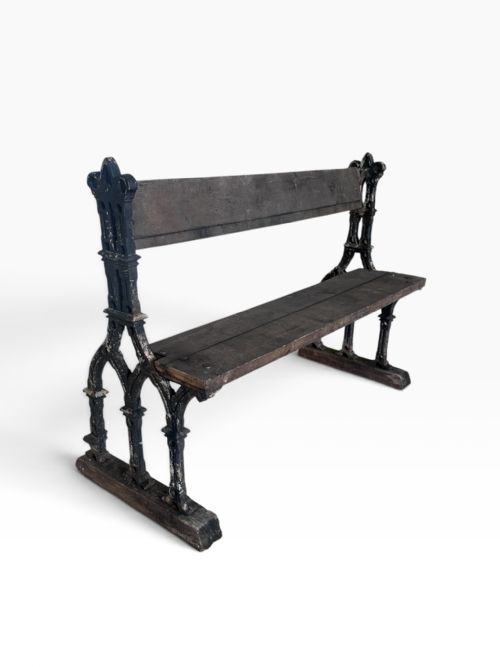
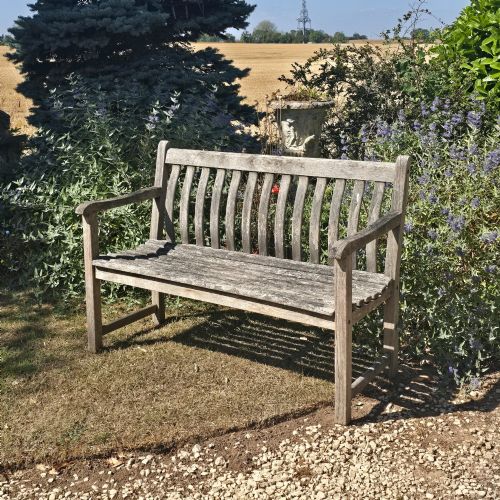
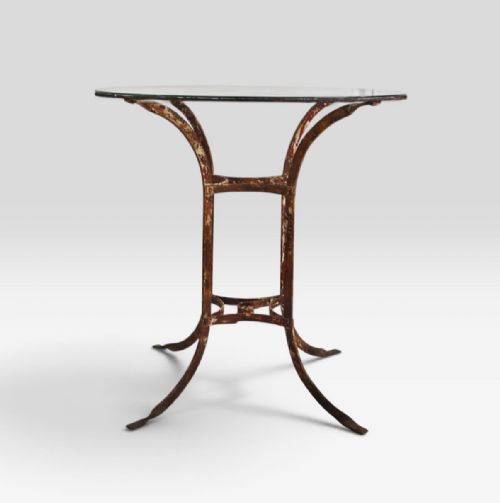
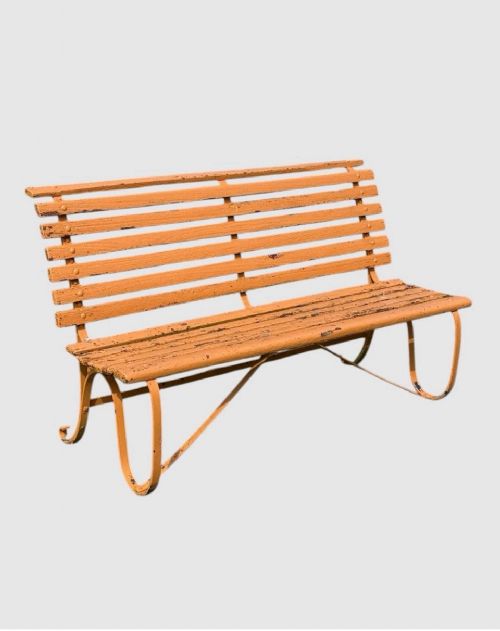
The pieces appearing on this page span several distinct periods, including Victorian, Edwardian, and Regency eras alongside twentieth-century examples. The most common forms met here are garden benches and seats, constructed in materials that react characteristically to outdoor conditions. Alongside seating, items such as plant stands, garden tables, urns, and planters complete the typical selection.
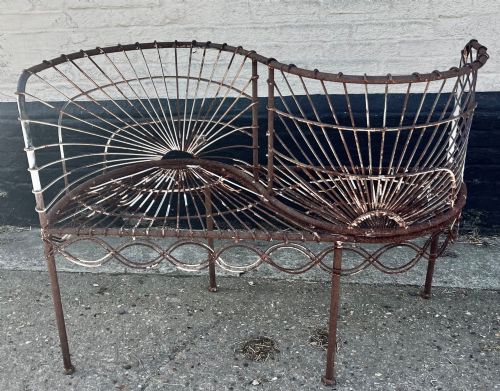
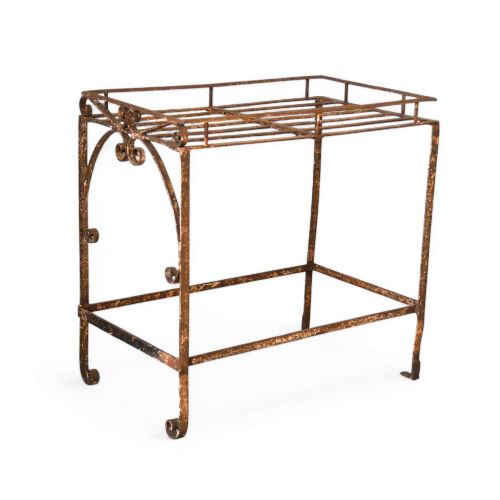
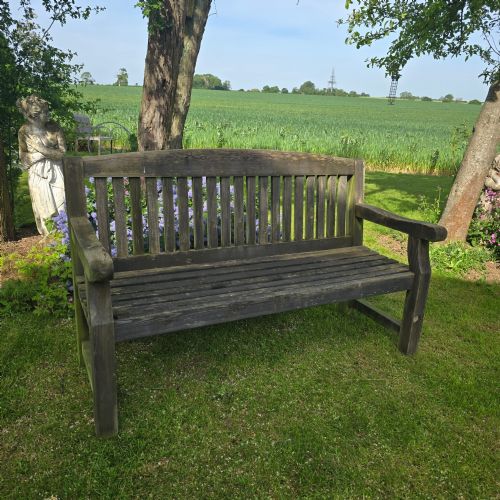
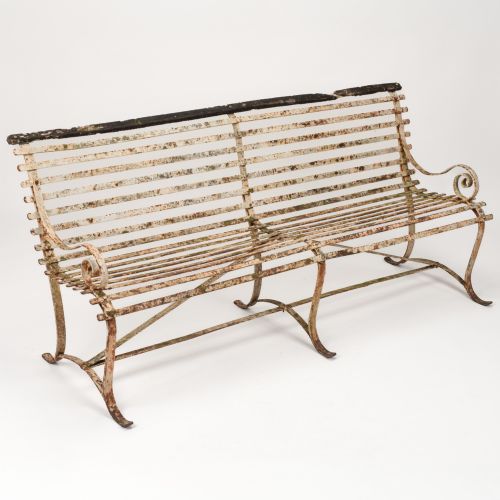
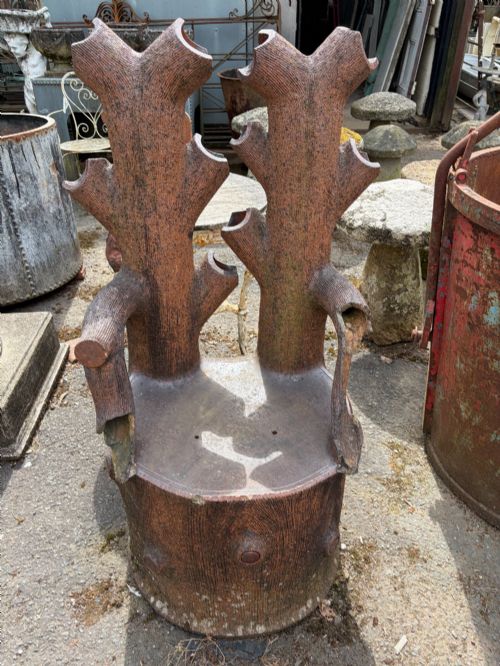
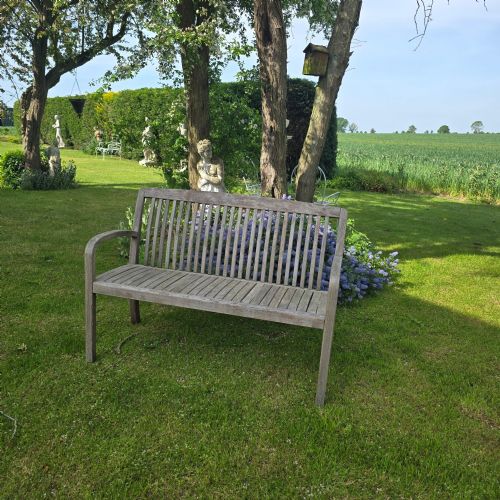
Origins vary across English and French country traditions, with specific regional designs reflecting local tastes and practical requirements. Examples range from estate-made wrought iron racks to faux bois garden seats and slatted timber benches. Each piece demonstrates how functional outdoor objects acquire aesthetic value simply through long exposure to weather and use.
Assessing Quality and Character
Quality in these items rests on the integrity of the original construction and the balance of the proportions. Heavier cast iron components and precisely forged wrought iron strapwork demonstrate superior craftsmanship during production.
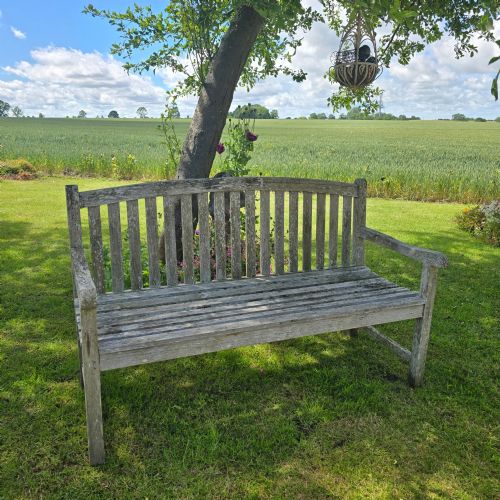
The nature of the weathering itself separates ordinary items from exceptional ones. Evenly silvered teak and stable, naturally oxidized iron surfaces indicate sympathetic ageing without structural compromise.
Distinctive decorative details, such as Gothic tracery, faux bois texturing, or estate-made joinery, elevate specific pieces above standard utility forms.
Weathered Garden Furniture Retail Price Guide 2026
Typical asking prices for weathered garden furniture among the pieces listed under this phrase on Sellingantiques today, from the lower quarter to the upper quarter. They describe what is for sale here now, not the wider market.
Several tree seats are designed with circular frames intended to encircle a growing trunk, accommodating the tree within the furniture.
The Weathered Garden Furniture Glossary
- Faux Bois
- Concrete or metal made to imitate the texture and appearance of natural wood. This technique gained popularity during the Victorian period for garden seats and planters.
- Strapwork
- Flat strips of metal interwoven or applied in geometric patterns to form the backrests and seats of iron garden furniture. It provides both structural strength and decorative lightness.
- Orangery
- A protected structure built to house tender plants and exotic fruit trees during colder months. Furnishings designed for these spaces often blur the boundary between indoor and outdoor style.
- Patina
- The surface sheen and colour modification acquired by materials through age, wear, and exposure to weather. In weathered garden furniture, this constitutes a primary visual asset.
Weathered Garden Furniture: Frequently Asked Questions
How do I protect teak furniture outdoors?
Teak naturally resists moisture and decay due to its high natural oil content, requiring minimal active intervention. Leaving the timber untreated allows it to develop a silvered appearance.
Cleaning the surface occasionally with warm water removes accumulated dirt without stripping the natural integrity of the wood.
Can cast iron garden benches stay outside all winter?
Cast iron handles outdoor conditions well, though prolonged exposure to freezing moisture can stress vulnerable joints. Positioning the bench on hard paving rather than directly on soil prevents excessive dampness.
Covering or storing the pieces during the harshest months preserves the painted or oxidized finish.
What is the difference between wrought iron and cast iron?
Cast iron is poured into moulds while molten, creating rigid structures and detailed ornamentation. Wrought iron is heated and hammered by hand, resulting in fibrous, bendable metal suited for strapwork and scroll designs.
Victorian and Regency pieces often combine both metals depending on the structural requirement of the frame.
How can I date an old garden bench?
Dating relies on examining construction methods, material choices, and stylistic markers such as Gothic strapwork or Edwardian slat patterns. Estate-made pieces often feature distinctive hand-forged anomalies absent in later mass production.
Comparing the form to documented nineteenth and twentieth-century designs clarifies the likely period of manufacture.