



Walnut Wood Stool
These walnut wood stool examples combine dense timber frames with period textiles, offering compact seating rooted in centuries of craftsmanship.
Walnut Wood Stool
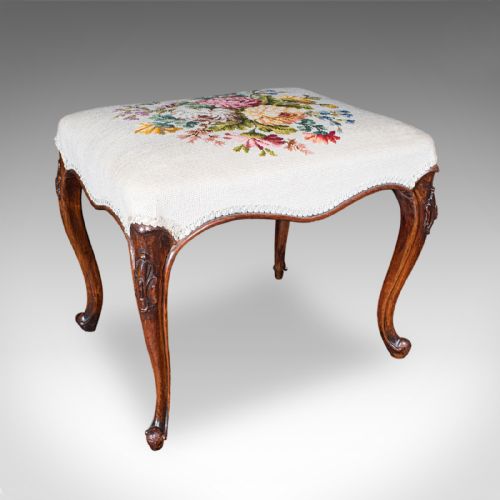
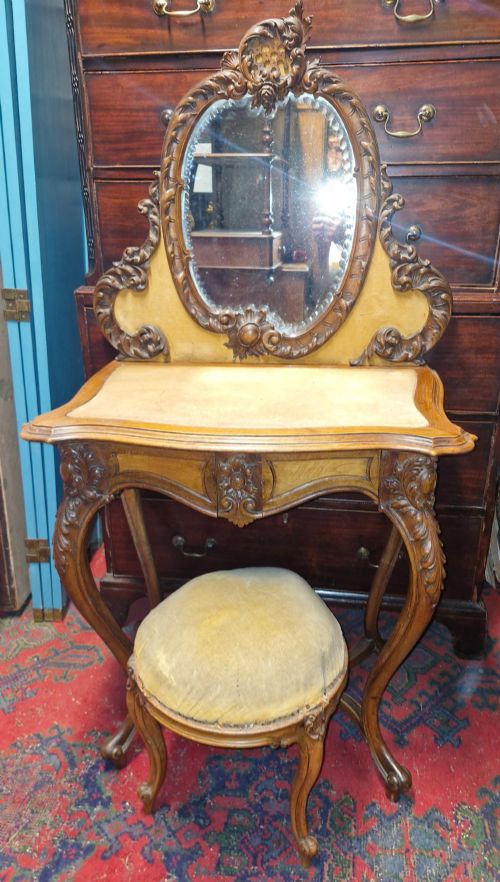
A walnut wood stool encompasses a variety of seating forms ranging from low footstools and dressing table seats to adjustable piano stools and window benches. The pieces span periods from the eighteenth century through to the twentieth century, with strong representation from Victorian eras and revival styles.
Forms include straightforward upholstered footstools alongside more elaborate creations with carved frames, X-frames, and musical mechanisms. Buyers will encounter both single items and matched pairs finished with traditional coverings such as needlepoint, tapestry, velvet, leather, and fabric.
Materials and construction methods
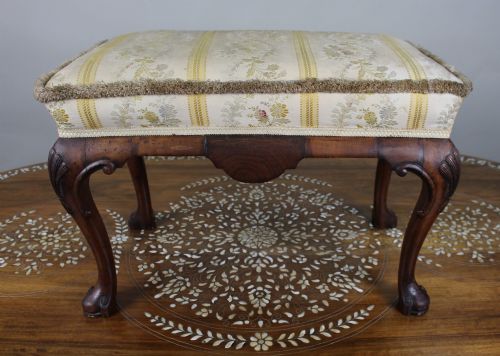
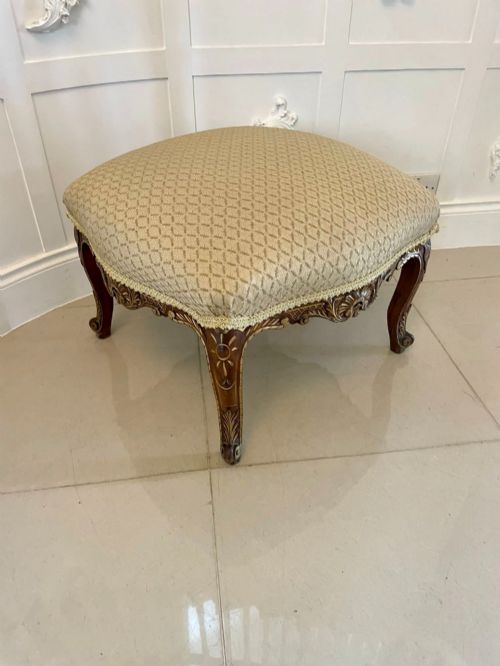
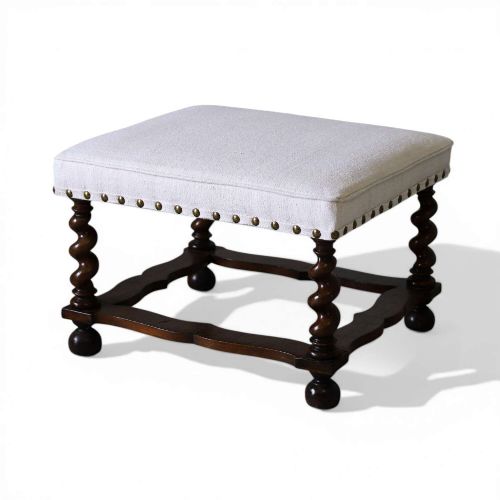
The primary structural material is walnut timber, frequently shaped into cabriole legs, barley-sugar twists, and intricate carved details. Frames incorporate joinery techniques suited to supporting weight while displaying the rich grain and colour characteristic of the wood.
Upholstery relies on traditional textile applications including needlepoint, tapestry, velvet, and leather. Additional elements such as brass fixtures, gilt accents, and adjustable height mechanisms appear across piano stools and swivel seats.
Walnut Wood Stool Retail Price Guide 2026
Typical asking prices for walnut wood stool among the pieces listed under this phrase on Sellingantiques today, from the lower quarter to the upper quarter. They describe what is for sale here now, not the wider market.
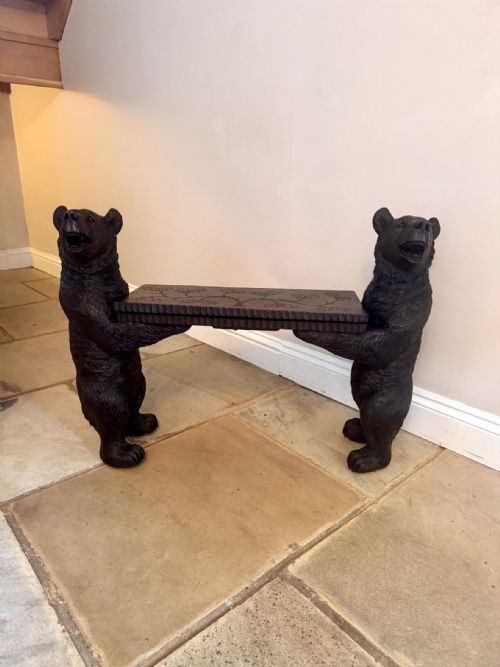
An unusually musical 19th-century Black Forest bear holds a seat.
Judging quality and execution
Quality rests upon the crispness of the wood carving and the integrity of the structural joinery within the walnut frame. Pieces displaying refined proportions, such as well-formed cabriole legs or balanced X-frames, demonstrate superior craftsmanship.
The preservation of original timber surfaces alongside the execution and appropriateness of the upholstery finish distinguish finer examples. Mechanisms on adjustable piano stools or musical seats should operate smoothly within their intended design.
James Shoolbred
The Walnut Wood Stool Glossary
- Cabriole leg
- A furniture leg that curves outward and then tapers inward, mimicking an animal's limb. This design appears frequently on eighteenth and nineteenth-century seating.
- Needlepoint
- A type of canvas work embroidery used extensively for historical stool and chair upholstery. It provides a durable and decorative surface.
- X-framed stool
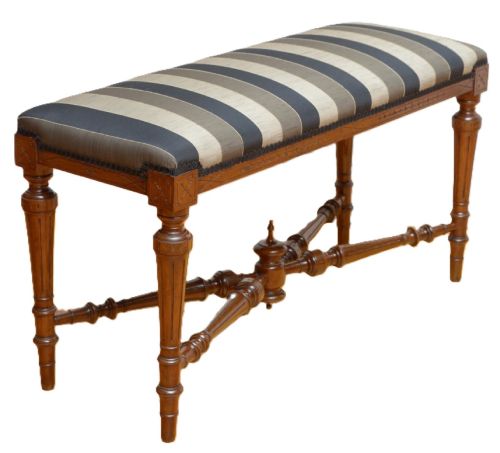
- A form supported by intersecting diagonal members forming an X shape. This configuration offers structural stability and architectural presence.
- Barley-sugar twist
- A turned wooden leg or stretcher resembling the helical twist of confectionery. It is a common decorative feature in seventeenth and nineteenth-century furniture.
- Sgabello
- A light wooden chair or stool featuring a high back and solid trestle supports. It originates from the Italian Renaissance period.
Walnut Wood Stool: Frequently Asked Questions
How do I date a walnut stool?
Dating relies on observing the stylistic markers, timber characteristics, and construction methods present in the frame. Revival periods often emulate earlier centuries, so examining the joinery helps clarify the true age.
Changes in upholstery techniques and hardware also provide clues, though many pieces have received replacement covers or minor restorations over time.
Were piano stools adjustable?
Many nineteenth-century piano stools incorporated mechanical screws or rotating tops to adjust the seating height for the musician. These mechanisms allowed players to find a comfortable posture at the keyboard.
Checking the undercarriage reveals whether the height adjustment function remains intact and operational.
What is a duet stool?
A duet stool is an elongated seating form designed to accommodate two people side by side, frequently used at a piano or in a window recess. Their wider proportions offer a distinct silhouette compared to standard single stools.
They often feature longer upholstered pads and sturdier multi-leg configurations to support multiple occupants.
How should I care for antique upholstery?
Historic textiles such as needlepoint, tapestry, and velvet require gentle maintenance away from direct sunlight to prevent fibre degradation and fading. Regular light dusting keeps surface particles from settling into the weave.
If the fabric is modern replacement material, standard gentle textile care applies depending on the specific fibre content.