



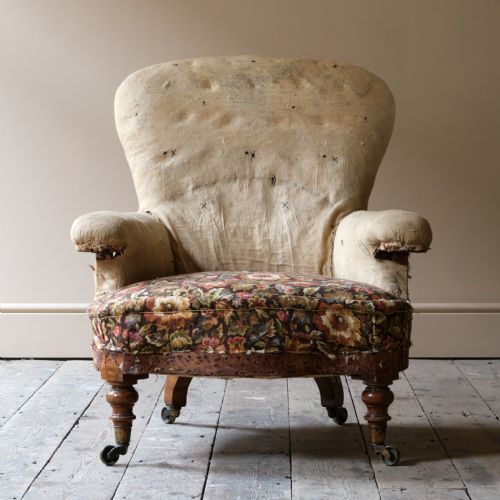

Walnut Castors Chair
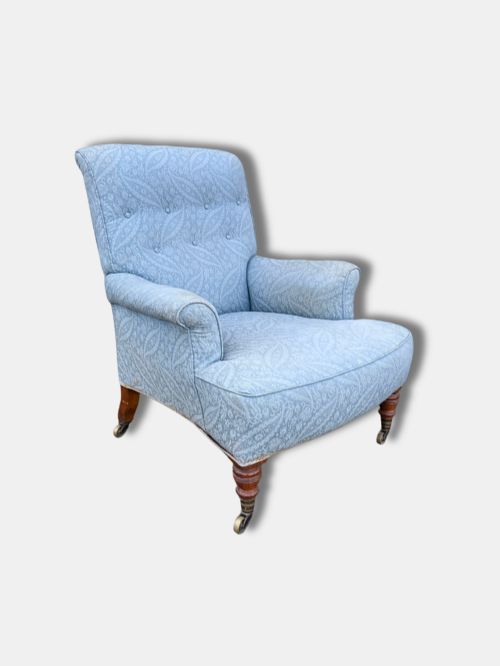
Walnut castors chairs are substantial nineteenth-century seating pieces set on brass wheels, offering deep comfort and rich timber frames.
Walnut Castors Chair
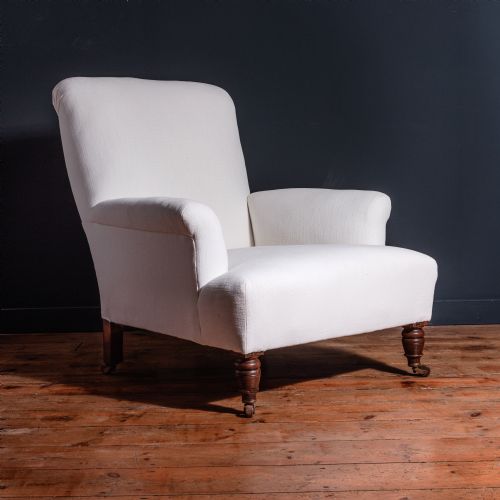
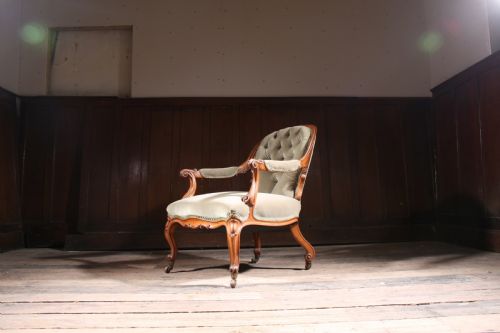
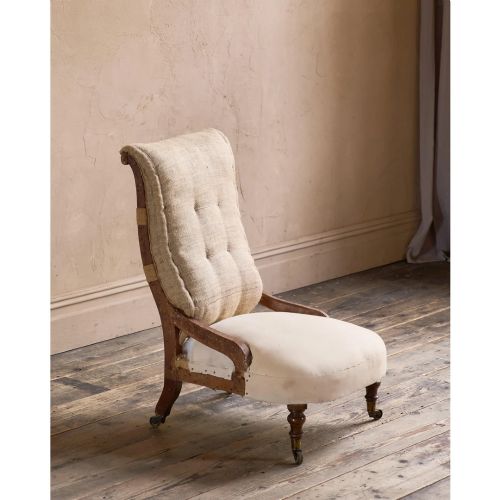
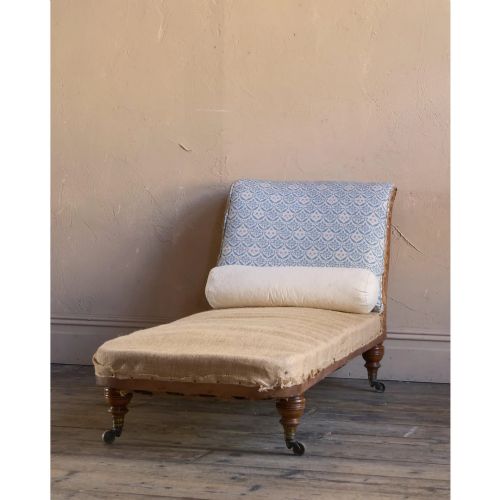
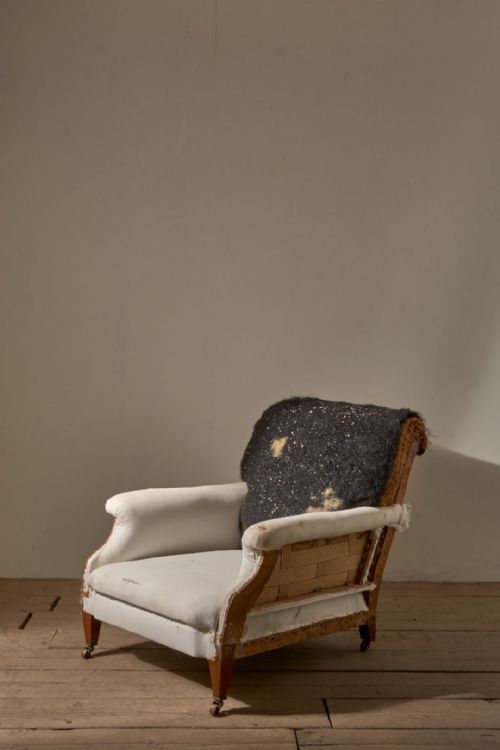
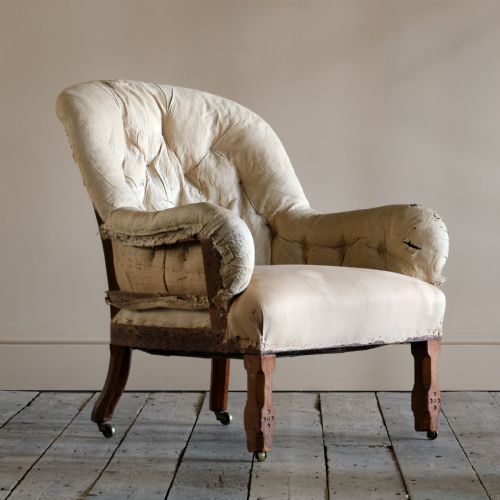
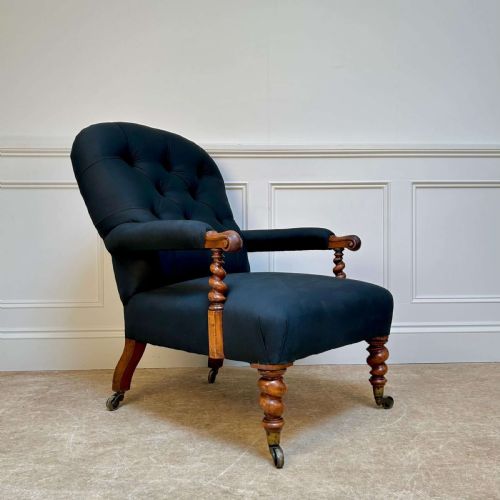
When buyers search for walnut castors chair, they encounter a range of nineteenth-century seating, including library armchairs, nursing chairs, and spacious country house models. These pieces combine exposed walnut frames with upholstered bodies designed for deep comfort.
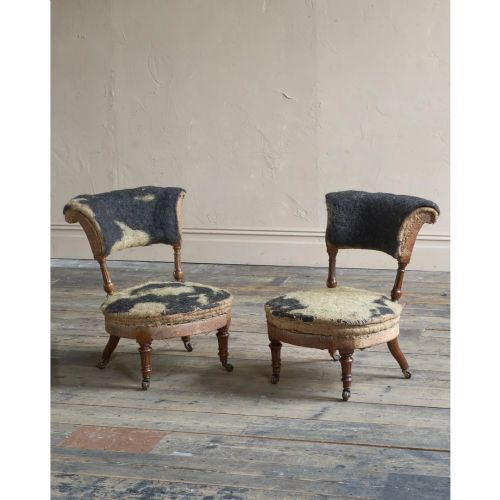
Victorian and Edwardian examples dominate the selection, spanning styles from Rococo Revival to English Country House designs. Forms vary from low nursing chairs to grand library and club armchairs fitted with original brass castors for ease of movement.
Construction and materials
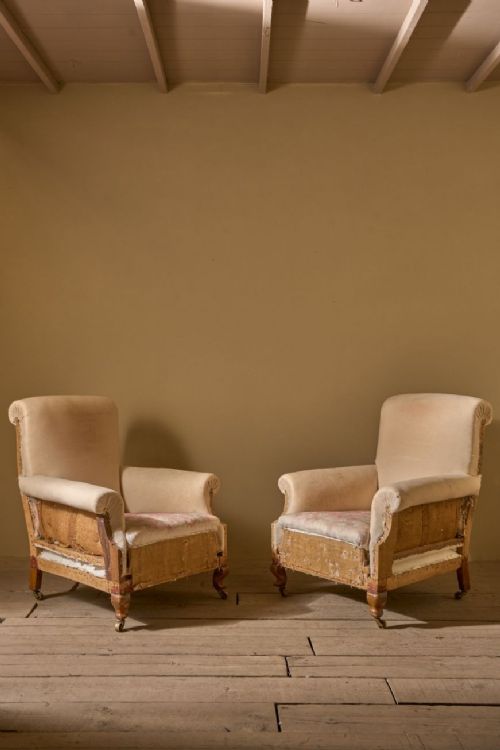
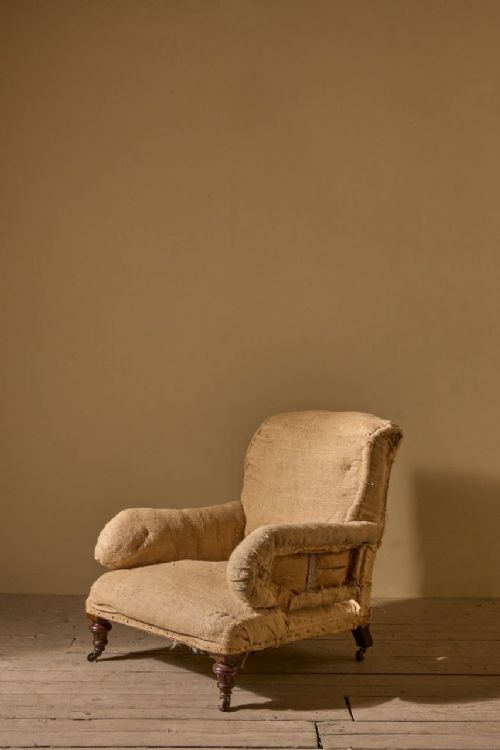
Craftsmen built the structural frames using solid timber, predominantly walnut alongside mahogany, shaping scroll backs and open arms through careful woodworking techniques. Brass castors were fitted to the base of the legs to allow heavy armchairs to glide across carpets and floorboards.
Upholstery relies on traditional stuffing techniques enclosed in materials such as hessian, calico, and velvet, often finished with button backs or crewelwork covers. The combination of dense timber frames and sprung interiors gave these chairs their characteristic resilience and weight.
Walnut Castors Chair Retail Price Guide 2026
Typical asking prices for walnut castors chair among the pieces listed under this phrase on Sellingantiques today, from the lower quarter to the upper quarter. They describe what is for sale here now, not the wider market.
Listings feature Victorian and Edwardian examples utilising walnut timber, brass castors, velvet, and hessian across armchairs and chaise longues.
Evaluating quality and proportion
Quality rests in the integrity of the walnut frame and the grace of its carved details, distinguishing standard workshop pieces from master cabinetmaker productions. Proportions dictate the success of the piece, with finer examples offering balanced seating angles and harmonious scrollwork.
The sophistication of the underlying upholstery work and the retention of original brass hardware elevate certain armchairs above ordinary domestic seating. Pieces bearing maker stamps or distinctive stylistic flourishes demonstrate superior craftsmanship.
Howard and Sons·Hindley and Sons·Gillows
The Walnut Castors Chair Glossary
- Castor
- A small swiveling wheel attached to the base of a furniture leg for mobility. These are typically fashioned from brass in nineteenth-century designs.
- Rococo Revival
- A nineteenth-century design style characterised by ornate, asymmetrical scrolls and naturalistic floral motifs. It frequently appears on mid-Victorian walnut seating.
- Crewelwork
- Embroidery executed in wool on a heavy plain-weave foundation fabric. It provides traditional decorative texture on period chair covers.
- Button back
- An upholstery technique where depressions are formed in the padding by stitching deep buttons through to the frame. This creates a tufted surface common on Victorian armchairs.
Walnut Castors Chair: Frequently Asked Questions
What defines a walnut castors chair?
These pieces are nineteenth-century upholstered seats built upon exposed timber frames and supported by small brass wheels. They include library armchairs, nursing seats, and club chairs designed for domestic comfort.
They combine robust structural woodwork with sprung interiors, offering a distinct profile that reflects Victorian and Edwardian craftsmanship.
How do I identify the period?
Dating relies on stylistic clues such as the presence of Rococo Revival curves or plain Edwardian proportions. Wood patination and upholstery methods also guide attribution.
Mid-nineteenth-century examples often display rich walnut grain and heavier carving, whereas later pieces tend towards simpler country house lines.
Were these chairs used in libraries?
Library armchairs formed a key part of the seating inventory, built with sturdy proportions for long hours of reading. Their castors allowed readers to move heavy seats across study floors.
Other variants served in bedrooms, drawing rooms, and country house smoking rooms.
How should I care for the upholstery?
Maintenance involves gentle vacuuming of fabric surfaces and careful dusting of exposed walnut framework. Avoid placing pieces in direct sunlight to protect delicate textiles and timber finishes.
Professional cleaning is recommended for period fabrics like velvet or crewelwork to preserve their original texture.