
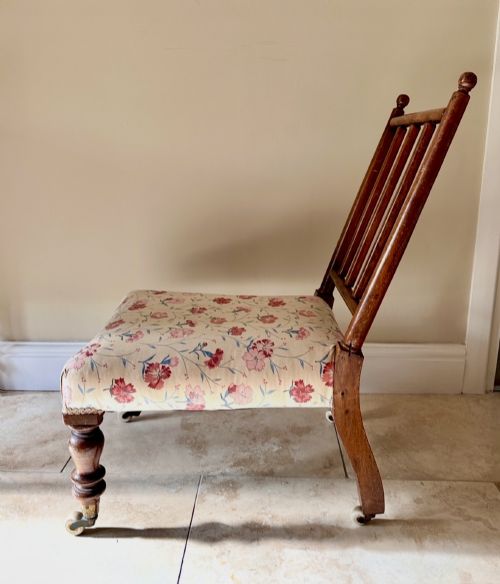
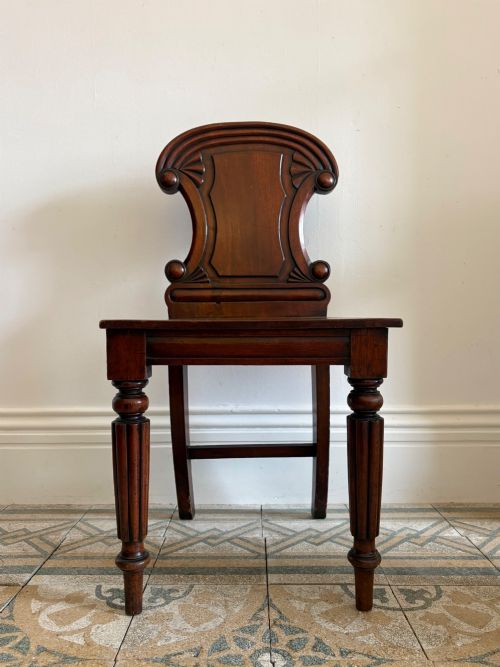
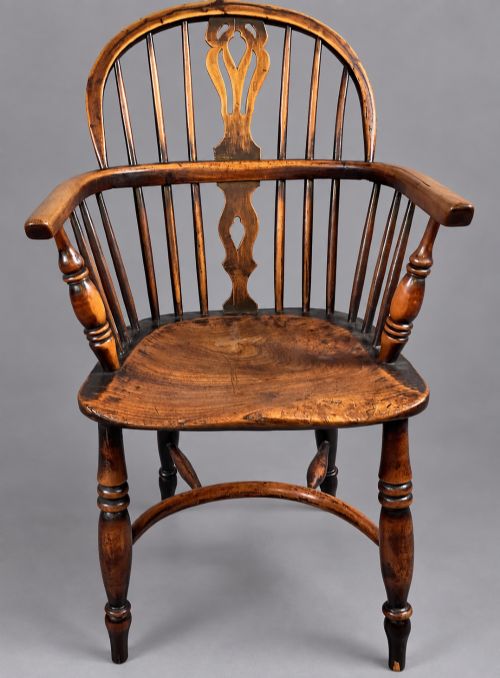
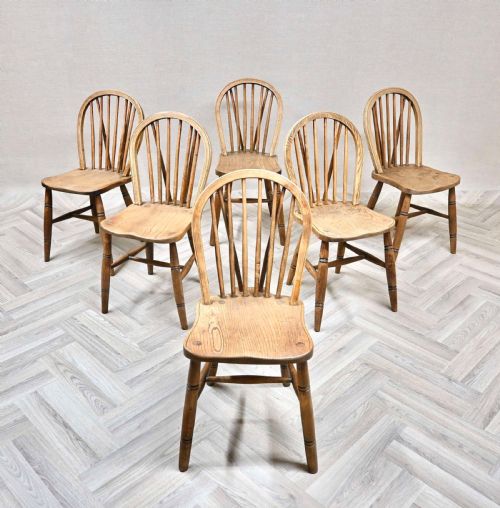
Vintage Wooden Seat
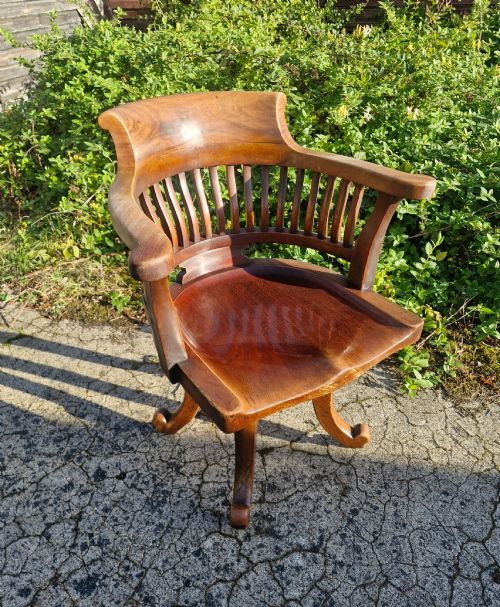
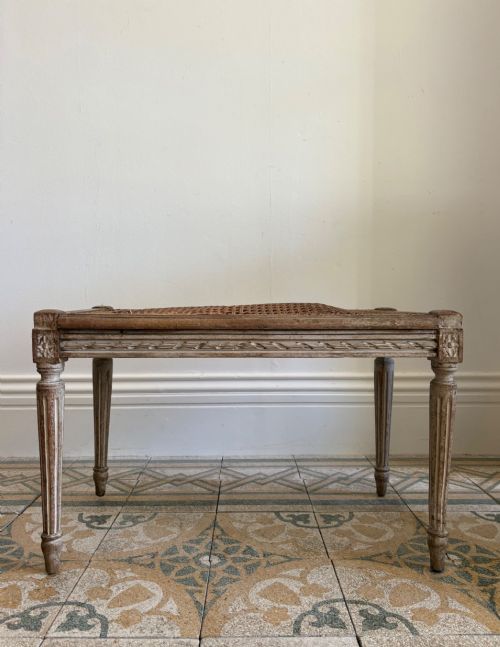
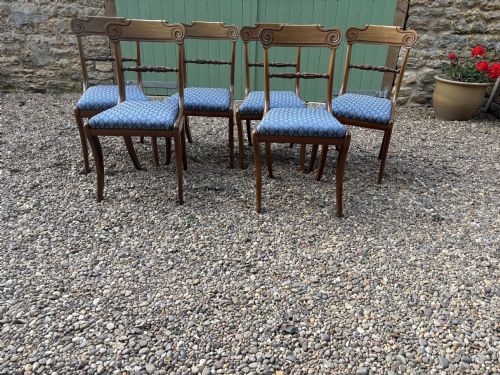
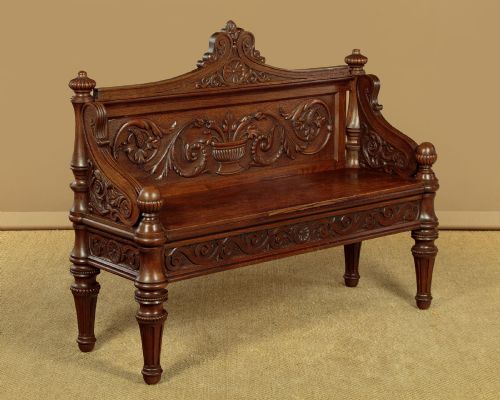
These vintage wooden seat examples bring honest craftsmanship and tactile warmth into a room, offering enduring utility across dining chairs, benches, and armchairs.
Vintage Wooden Seat
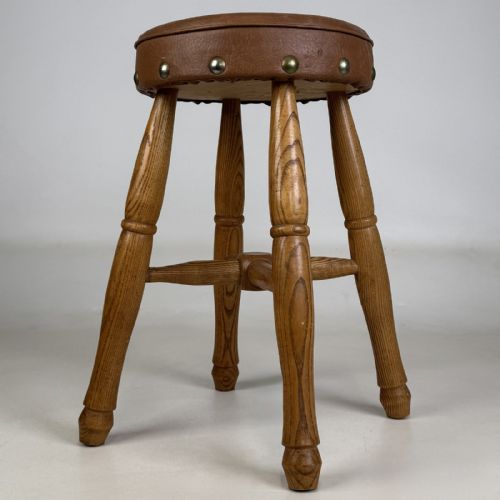
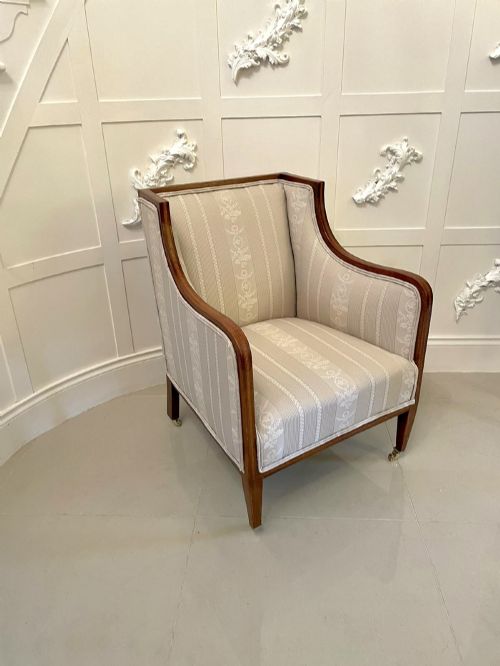
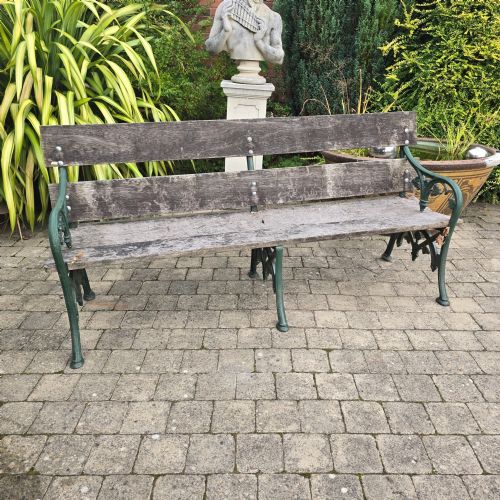
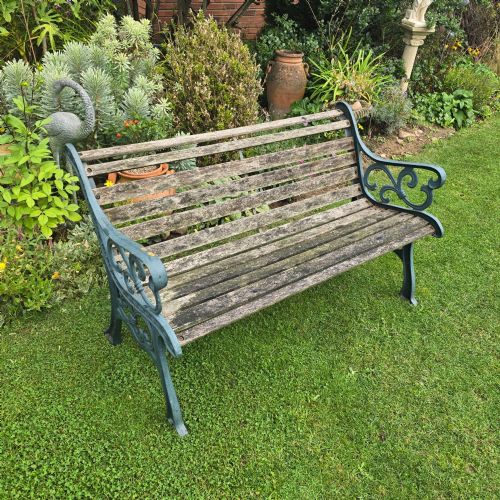
A vintage wooden seat encompasses an array of practical forms including dining chairs, armchairs, benches, and stools designed for everyday function. Buyers searching for a vintage wooden seat often encounter English country, Victorian, Edwardian, and Arts and Crafts examples spanning the eighteenth, nineteenth, and early twentieth centuries.
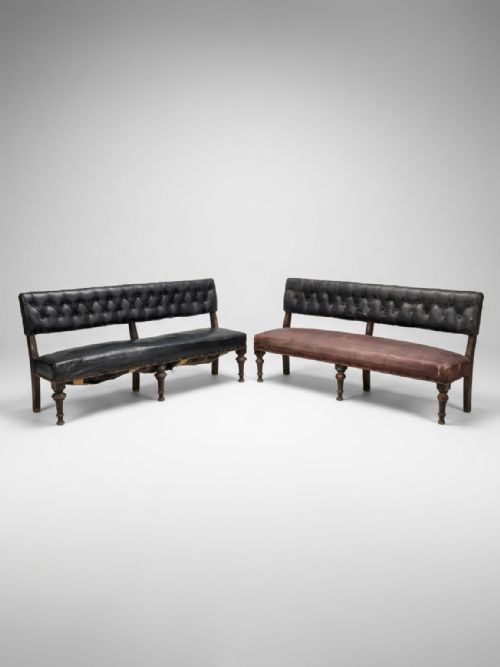
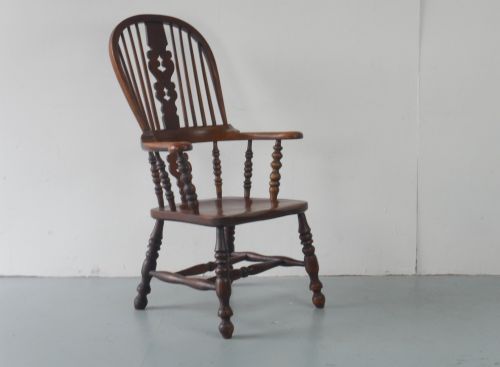
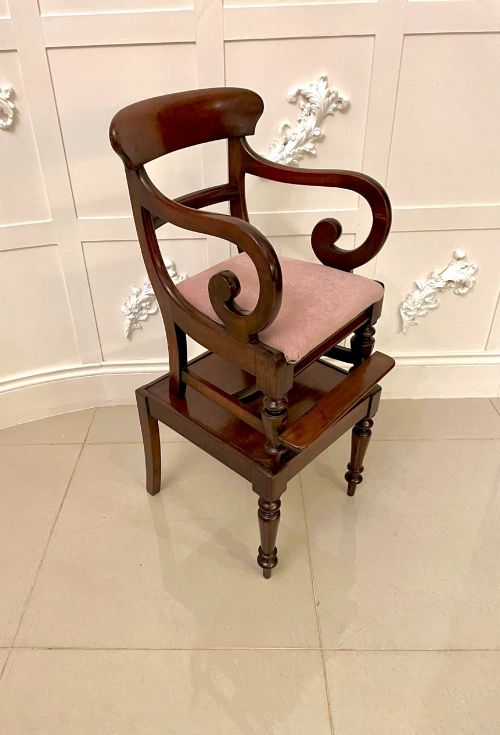
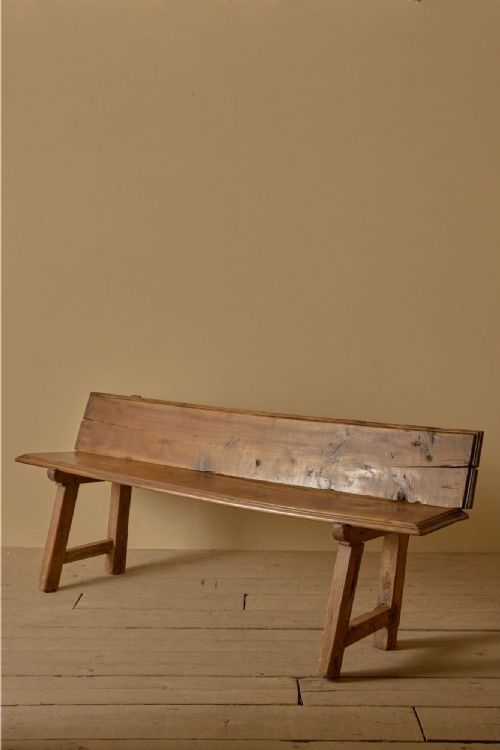
The selection ranges from sturdy kitchen Windsor chairs and church pews in elm, pine, and oak to formal mahogany dining chairs and carved hall benches. Regional variations such as Austrian and Spanish country pieces appear alongside classic British forms.
Makers and workshops utilised robust native timbers, resulting in seating that bridges utilitarian purpose and decorative domestic history. These pieces suit modern interiors seeking grounded character and tactile authenticity.
Materials and construction methods
Cabinetmakers and country joiners relied upon solid hardwoods such as oak, mahogany, walnut, and laburnum alongside softer timbers like pine and elm. Construction frequently involved pegged joints, turned spindles, and steam-bent components, particularly evident in Windsor chairs and lathback kitchen seating.
Surface treatments varied from waxed natural grain and polished mahogany to applied white paint and folk art finishes. Craftspeople combined structural durability with ornamental carving, pierced splats, and occasional brass inlay to denote status and origin.
Listings feature traditional domestic and institutional seating across oak, elm, pine, and mahogany from the eighteenth to the early twentieth century.
Distinctions in quality and finish
Quality rests upon the selection of timber and the integrity of the original construction, where tightly fitted joints and retained patination elevate a piece above standard utility. Superior examples demonstrate careful hand-carving, balanced proportions, and minimal later intervention or timber replacement.
The distinction between workshop-produced vernacular furniture and formal dining sets lies in the refinement of the turning and the graduation of the wood grain. Pieces retaining original surface finishes command greater regard from collectors than those stripped or heavily refinished.
William Morris·Strahan and Co
The Vintage Wooden Seat Glossary
- Windsor chair
- A wooden chair built with a heavy solid seat into which the legs and back spindles are separately inserted. This form evolved through various regional styles including low-back and lathback varieties.
- Splats
- The central vertical slat of wood within a chair back. Pierced and carved variations help identify specific design periods.
- Spindle
- A slender, rounded rod of turned wood used as a decorative and structural element in chair backs and legs. These are characteristic of Windsor and country furniture.
- Patina
- The surface sheen and colour developed over decades of handling, exposure, and polishing. It serves as an indicator of age and authenticity.
- Elbow chair
- An armchair or carver designed with armrests, frequently positioned at the head of a dining table.
Vintage Wooden Seat: Frequently Asked Questions
How do I clean a wooden seat?
Dust regularly with a soft cloth and feed the timber occasionally with a traditional beeswax polish to maintain the finish without building up residue.
Avoid placing antique wooden furniture near direct heat sources or in damp conditions, as fluctuations in temperature cause the timber to split or warp.
Are these chairs suitable for daily dining?
Many sturdy forms like Windsor chairs and solid mahogany dining chairs were built specifically for robust daily use and remain entirely practical for modern dining rooms.
Lighter side chairs and antique hall chairs function well as occasional seating or decorative accents around the home.
How can I tell the period of a chair?
Examine the timber species, tool marks, joinery methods, and the overall silhouette against documented styles from the eighteenth through the early twentieth centuries.
Original hardware, wear patterns around the footrests, and the presence of a natural surface patina further assist in dating the piece accurately.
What is a chapel or church pew?
Long wooden benches originally built for ecclesiastical or institutional seating, featuring sturdy plank construction and simple upright backs.
These versatile benches offer generous seating capacity for hallways, large kitchens, and dining tables in contemporary spaces.