



Vintage Wooden Park Seat
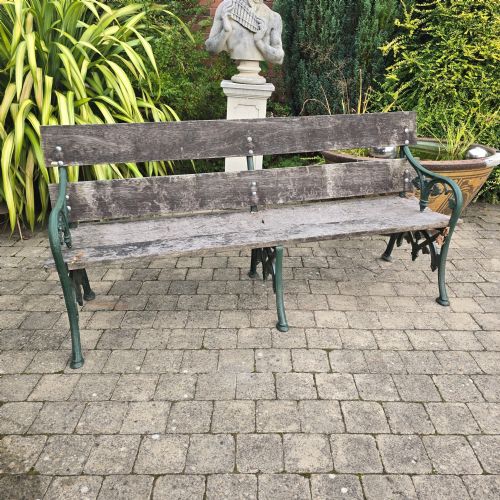
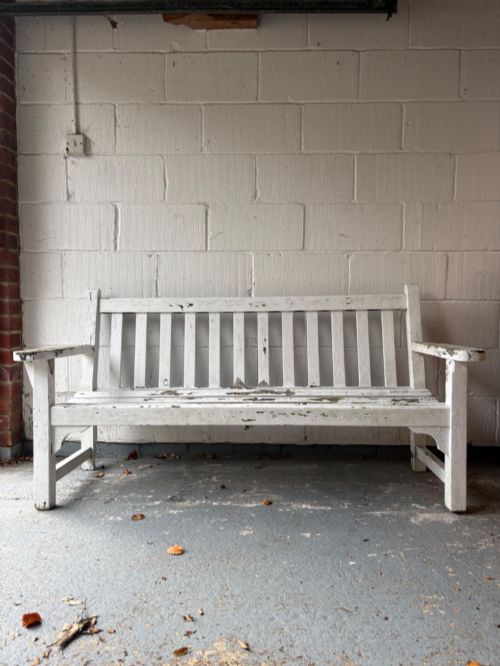
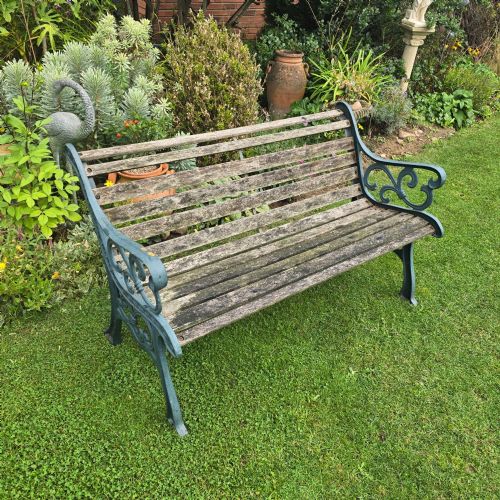
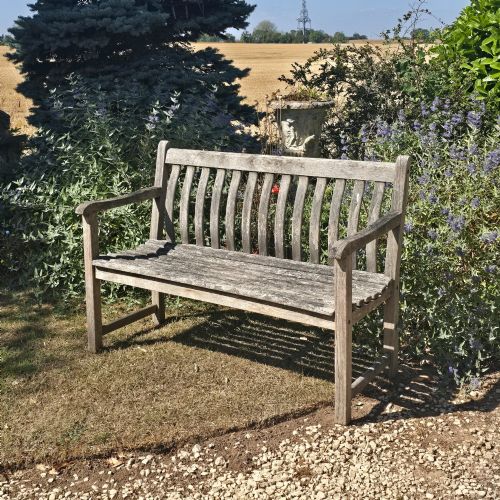
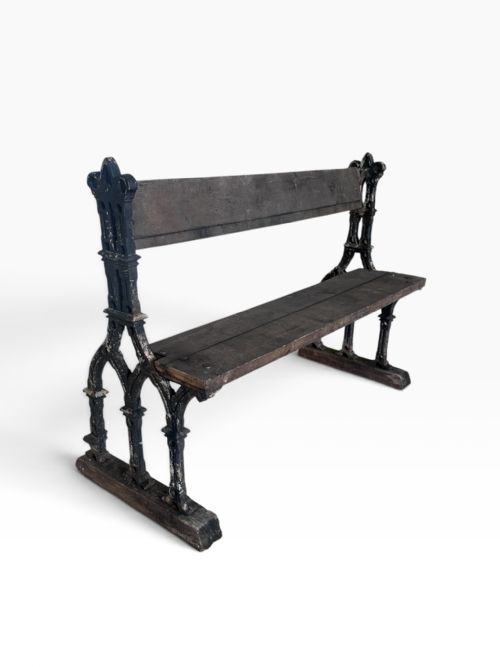
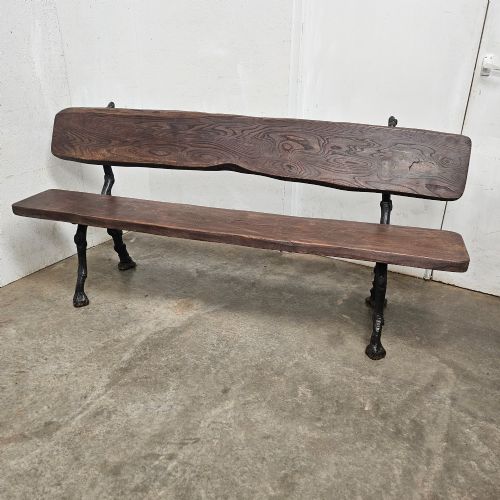
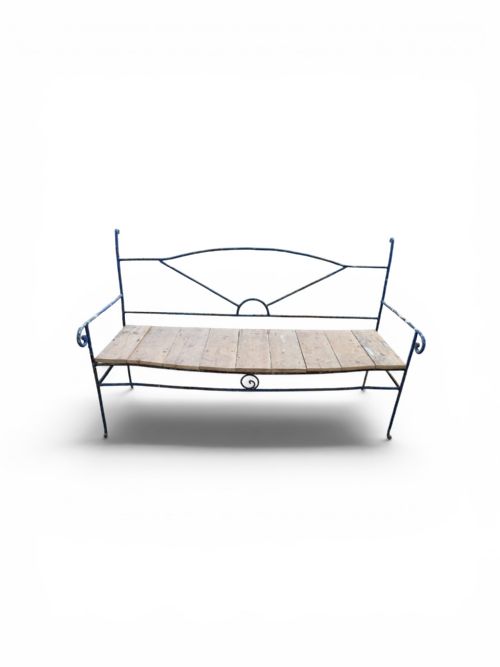
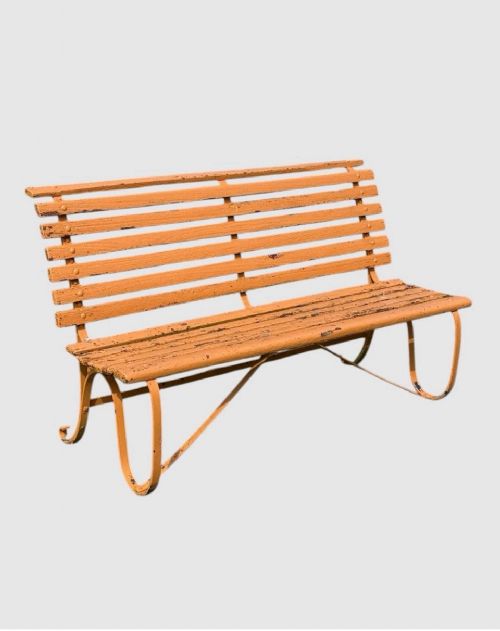
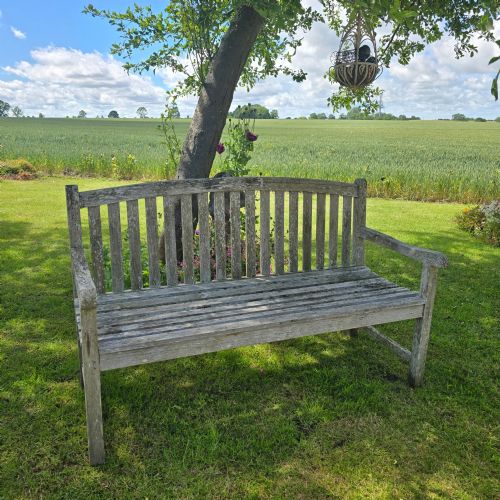
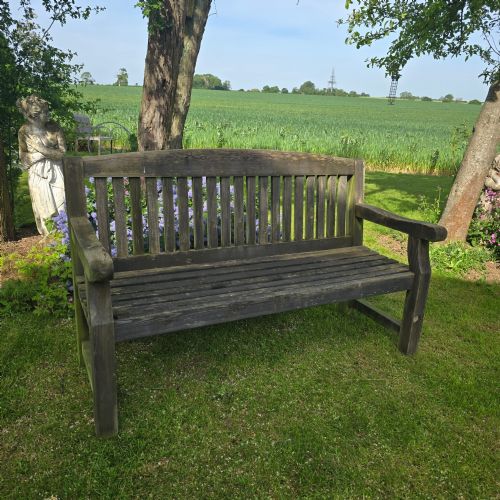
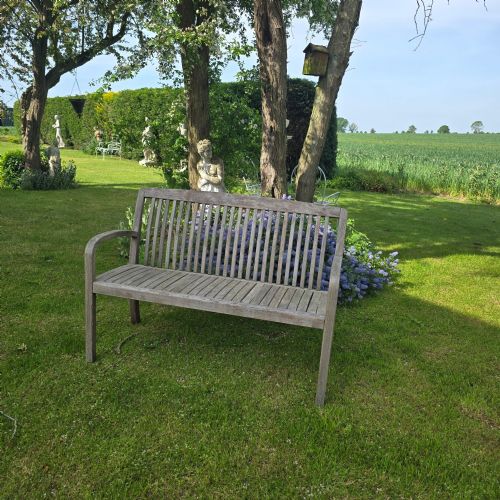
These vintage wooden park seat examples bring enduring character to outdoor spaces, combining sturdy timber with robust metalwork.
Vintage Wooden Park Seat
When you search for a vintage wooden park seat, you are looking at practical outdoor seating designed to weather the elements while offering a sturdy resting place. These pieces typically feature slatted wooden slats supported by metal frames.
The versions you are most likely to meet on this page span from the Victorian and Edwardian eras into the interwar period of the twentieth century. They draw on English country and French country styles, utilising traditional forms like garden benches and garden armchairs.
Makers combined functional outdoor requirements with decorative ironwork, resulting in pieces that range from simple slatted benches to elaborate Victorian Gothic designs. Their origins lie in municipal parks, country estates and private gardens alike.
How they were made
Makers relied on durable hardwoods such as teak and elm for the slats, chosen for their natural resistance to moisture and decay. These timbers were paired with robust supports in cast iron and wrought iron.
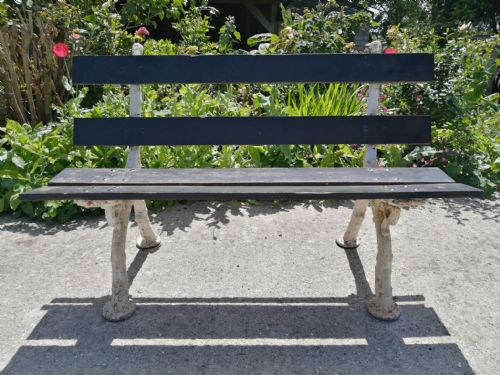
Foundries produced intricate metal ends, sometimes incorporating decorative details like lion masks or faux bois effects that mimic natural branches. Timber components were then fitted and often finished with paint or left to weather naturally.
Vintage Wooden Park Seat Retail Price Guide 2026
Typical asking prices for vintage wooden park seat among the pieces listed under this phrase on Sellingantiques today, from the lower quarter to the upper quarter. They describe what is for sale here now, not the wider market.
Materials used across these items include teak, elm, cast iron and wrought iron, often combined in a single piece.
What varies in quality
The distinction between ordinary and exceptional examples lies in the integrity of the materials and the refinement of the foundry work. Heavier, more detailed cast iron ends and dense, well-silvered teak indicate superior manufacture.
Proportion and design ambition also separate the range, as pieces with named foundry designs or complex faux bois detailing demonstrate greater craftsmanship than standard utilitarian seating.
Coalbrookdale
The Vintage Wooden Park Seat Glossary
- Cast iron
- A strong, heavy alloy poured into moulds to create rigid structural ends and intricate decorative patterns for garden seating.
- Faux bois
- A French term meaning false wood, describing metal or concrete sculpted to resemble natural branches and bark.
- Teak
- A dense, durable tropical hardwood prized for outdoor use due to its natural oils that resist weathering.
- Wrought iron
- Iron that is heated and hammered into shape by hand, resulting in tough, fibrous metalwork.
- Weathered
- The natural silver-grey patina developed by exposed timber over decades of exposure to sun and rain.
Vintage Wooden Park Seat: Frequently Asked Questions
How do I care for a vintage wooden park seat?
Keep the timber clean and allow it to weather naturally, or apply suitable oils if you prefer to maintain a richer tone. Ensure the metal components remain free from standing moisture.
Check periodically to see that fixings between the wood and iron remain secure without stressing the slats.
Are these benches suitable for year-round outdoor use?
Most examples are constructed from durable hardwoods and heavy iron specifically designed to withstand outdoor conditions. Teak and cast iron endure rain and sun particularly well.
Protecting lighter elm or painted surfaces during harsh winter months helps preserve their condition.
How can I tell a Victorian bench from a later one?
Victorian examples often display heavier cast iron framing, Gothic motifs, or detailed faux bois casting associated with mid-to-late nineteenth-century foundries. Edwardian and interwar pieces tend towards simpler slatted designs.
Examining the construction methods and fastener types also helps establish the period of manufacture.
What is faux bois on garden furniture?
Faux bois is a decorative technique where metal is cast or shaped to imitate the texture and form of natural tree branches. This style was especially popular in nineteenth-century French and English garden design.
Foundries used this method to blend industrial metalwork seamlessly with natural garden surroundings.