




Vintage Wooden Park Bench
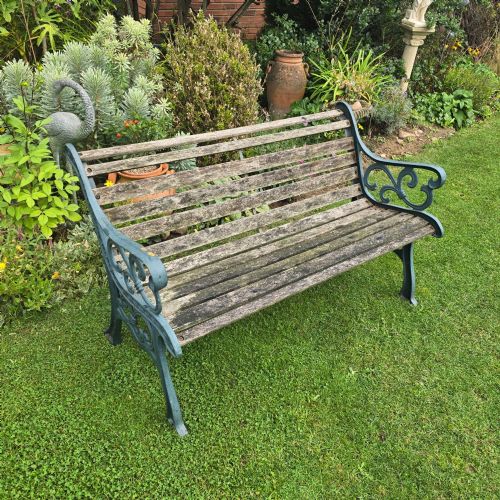
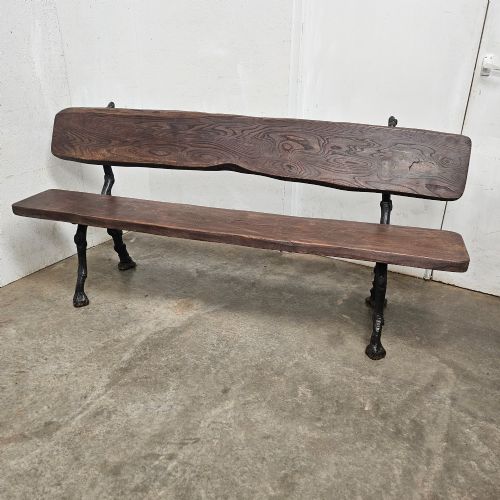
These vintage wooden park bench examples combine sturdy cast iron supports with weathered timber slats, offering a practical seat for any garden.
Vintage Wooden Park Bench
When you search for a vintage wooden park bench, you are looking at robust outdoor seating designed for public spaces or private gardens. The pieces available span periods from the Victorian era through the Edwardian period and into the interwar years of the twentieth century.
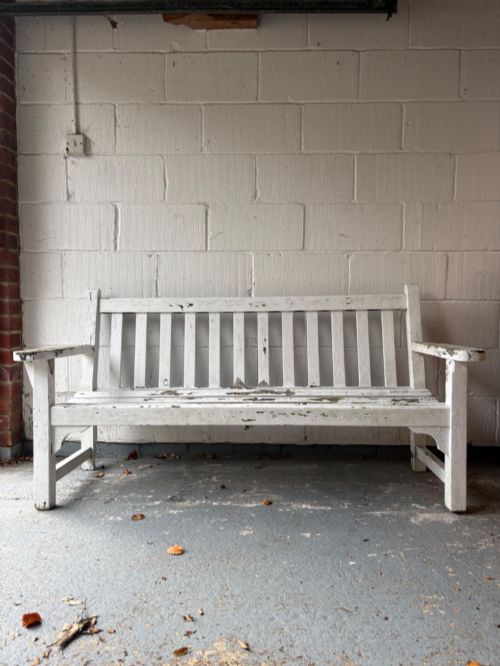
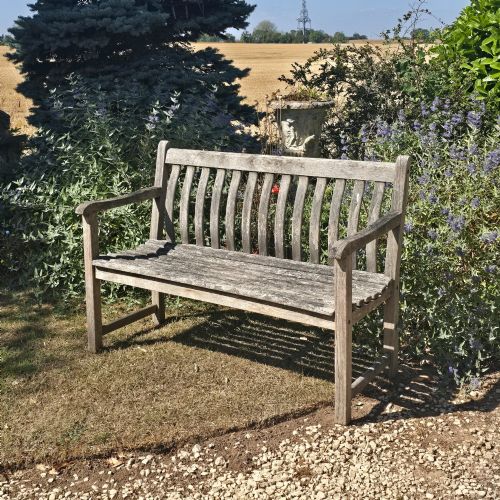
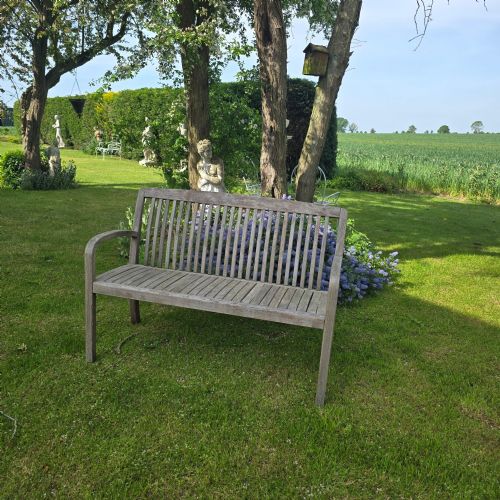
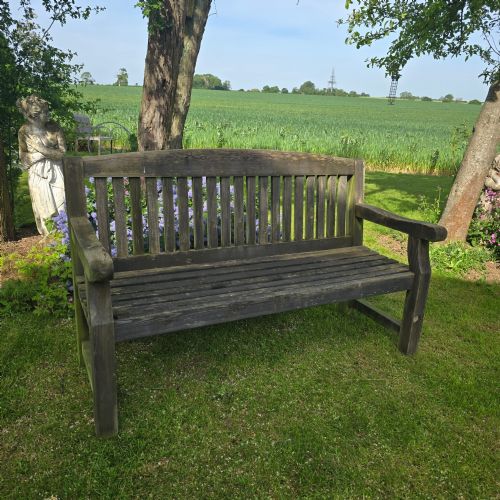
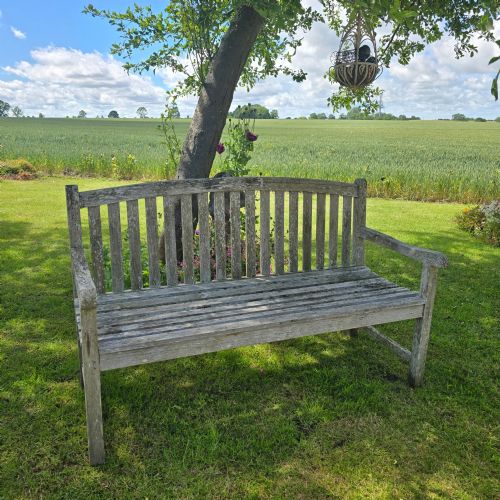
The construction of a vintage wooden park bench often includes timber slats secured to metal ends, providing a stable platform for outdoor use. Many items show the silvery weathering characteristic of aged wood left exposed to the elements.
How they were made
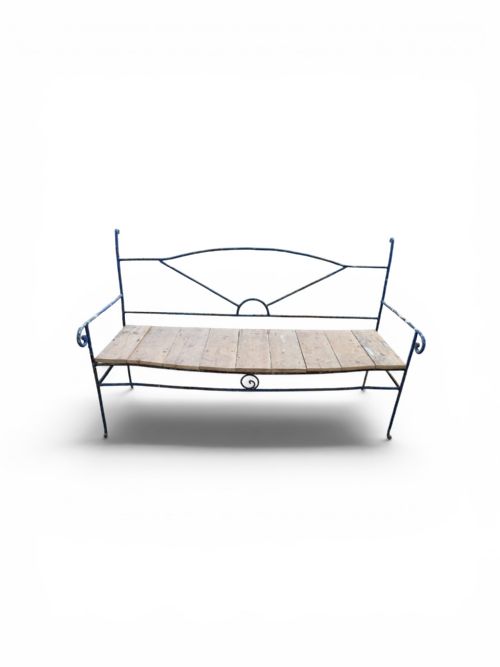
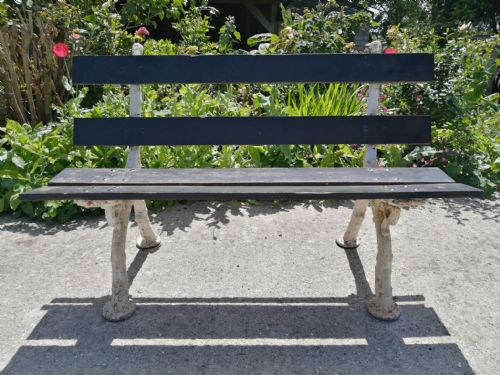
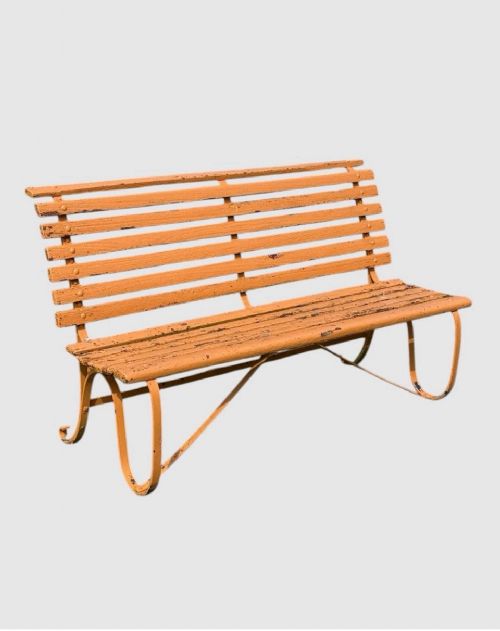
Makers utilised heavy cast iron and wrought iron for the structural ends and frames, providing the necessary weight to keep the seating stable outdoors. These metal supports were frequently cast with decorative patterns, architectural details, or animal motifs.
For the seating surfaces, carpenters used resilient timbers including teak, elm, and general wood planks. These wooden elements were bolted or fastened directly to the metal frameworks to withstand regular public use.
Vintage Wooden Park Bench Retail Price Guide 2026
Typical asking prices for vintage wooden park bench among the pieces listed under this phrase on Sellingantiques today, from the lower quarter to the upper quarter. They describe what is for sale here now, not the wider market.
Certain benches feature cast iron lion masks guarding the armrests, ready to stare down unruly garden visitors.
What varies in quality
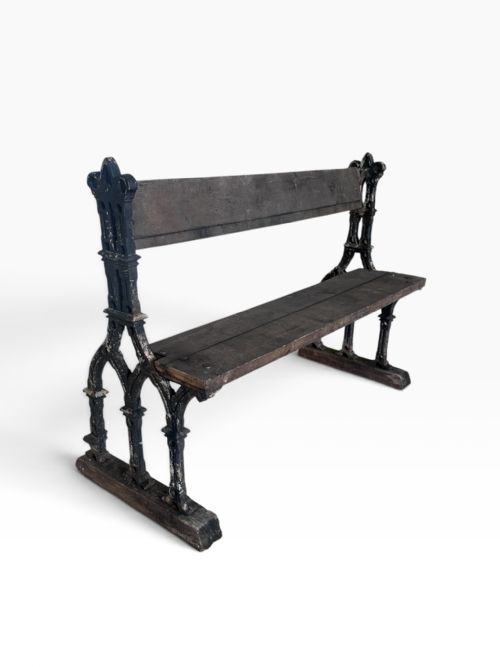
The distinction between standard examples and finer pieces lies in the complexity of the metal casting and the quality of the timber selected. Intricate details such as gothic arches or lion masks elevate the craftsmanship beyond simple utility.
The degree of weathering on the timber and the original foundry work also dictate the character of each piece. Well preserved patination on the wood indicates superior ageing under natural conditions.
Coalbrookdale
The Vintage Wooden Park Bench Glossary
- Victorian
- A nineteenth-century period associated with ornate design styles and heavy industrial manufacturing. Pieces from this era often incorporate gothic or elaborate floral motifs.
- Teak
- A dense, durable timber highly resistant to moisture and decay. This wood is frequently utilised for outdoor garden furniture due to its longevity.
- Faux Bois
- A decorative technique mimicking the appearance of natural wood grain. This style is often rendered in cast iron or concrete on garden seating.
- Edwardian
- A period spanning the early twentieth century characterised by lighter, more refined proportions in furniture design. Items from this time maintain practical durability while softening heavy Victorian aesthetics.
- Wrought iron
- A tough, malleable iron form hammered into shape for structural support. It differs from brittle cast iron through its fibrous composition.
Vintage Wooden Park Bench: Frequently Asked Questions
How do I care for my bench?
Most wooden garden seating requires minimal intervention beyond seasonal cleaning to remove dirt and organic matter. Leaving teak outdoors allows the timber to develop a natural silvered patina over time.
Avoid aggressive chemical treatments that strip the wood of its protective outer layer. Simple brushing keeps the slats sound and usable.
Were these seats made for public parks?
Many heavy iron and timber benches were originally commissioned for civic spaces, estates, and railway platforms. Their robust construction ensured they could withstand continuous public use.
Over time, many of these utilitarian items migrated into private gardens and domestic patios.
How can I tell the period?
Dating typically relies on stylistic indicators such as Victorian gothic tracery versus the simpler lines of the interwar period. The complexity of the ironwork often points towards nineteenth-century production.
Examining the type of timber and construction methods also helps narrow down the era of manufacture.
Can these benches stay outside all year?
Timber such as teak and elm handles outdoor exposure well without requiring indoor storage during winter months. The combination of heavy iron frames and dense wood resists wind and rain.
Protecting the seats from prolonged standing water helps preserve the integrity of the wood and metal joinery.