

Vintage Wood Writing Desk
A vintage wood writing desk offers practical charm and solid construction, bringing period character directly into a modern study.
Vintage Wood Writing Desk
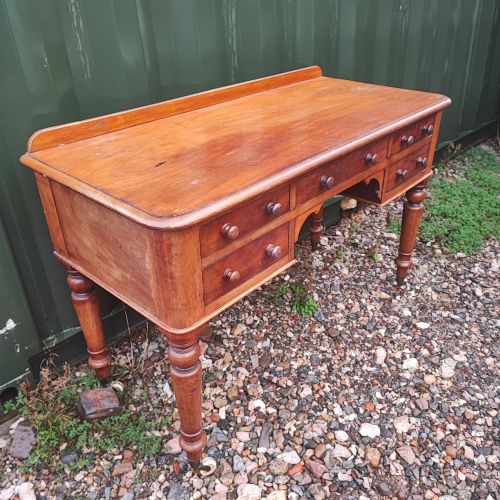
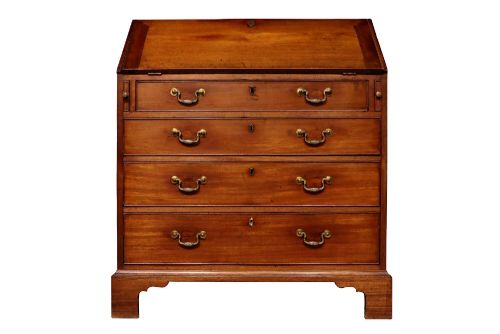
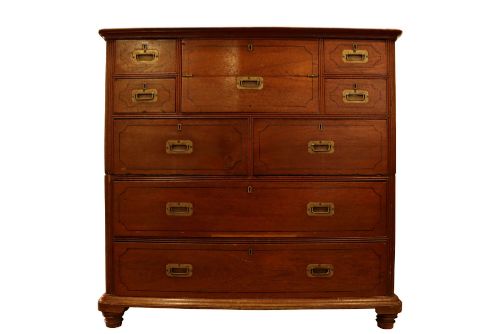
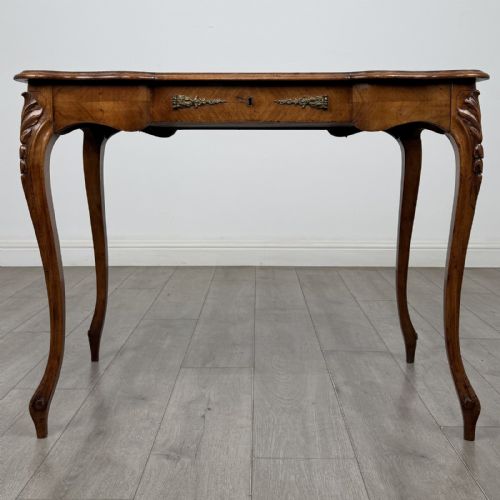
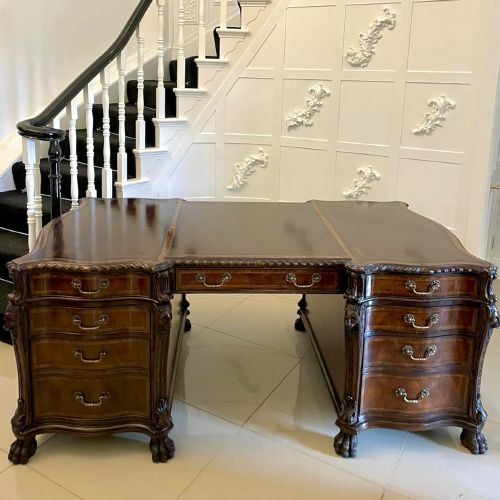
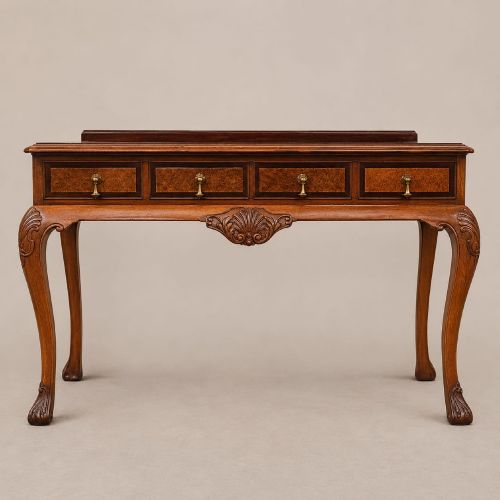
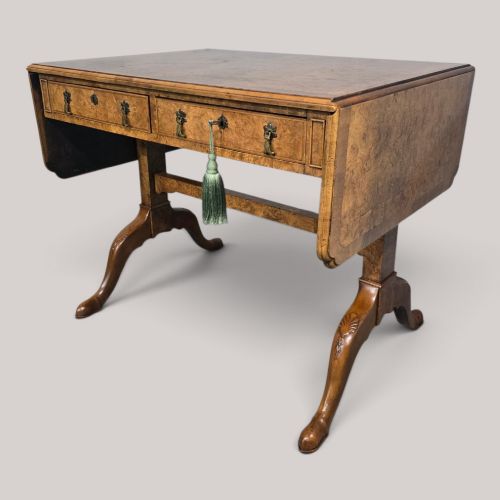
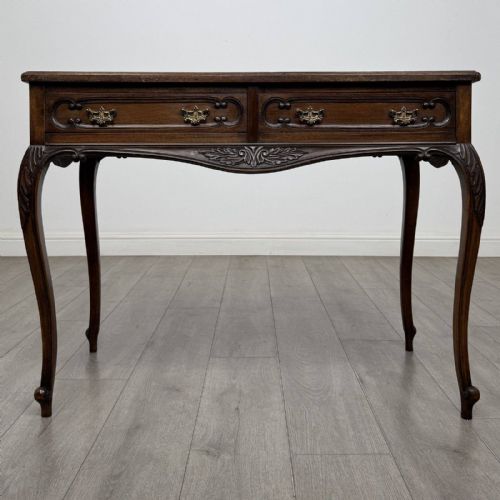
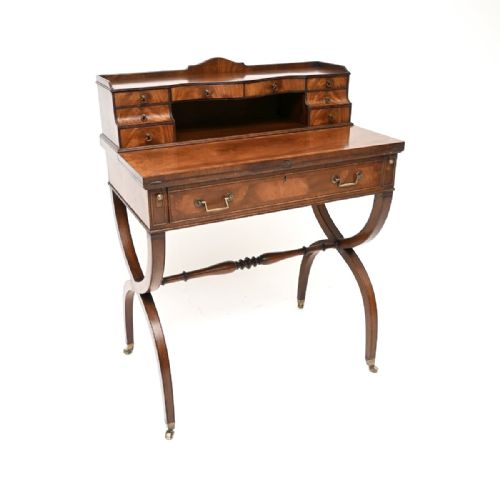
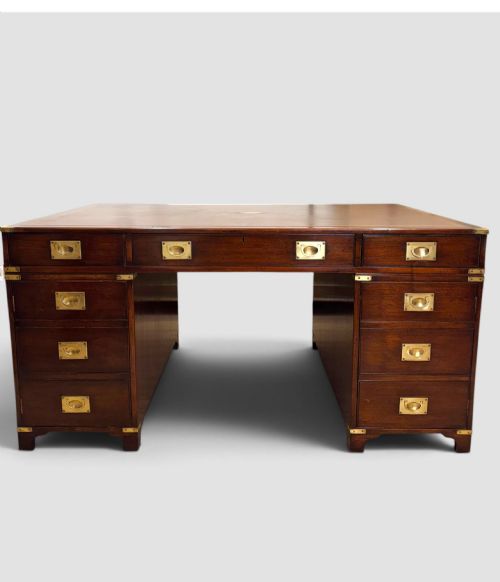
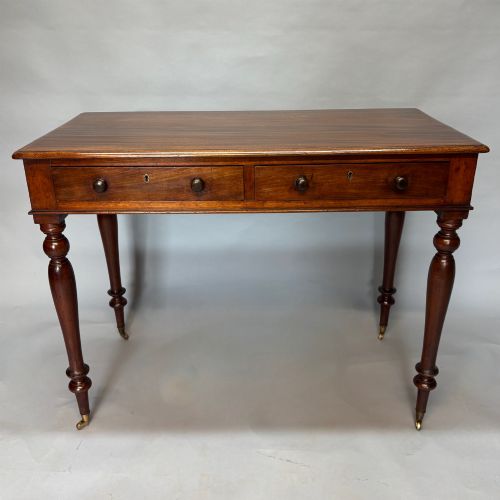
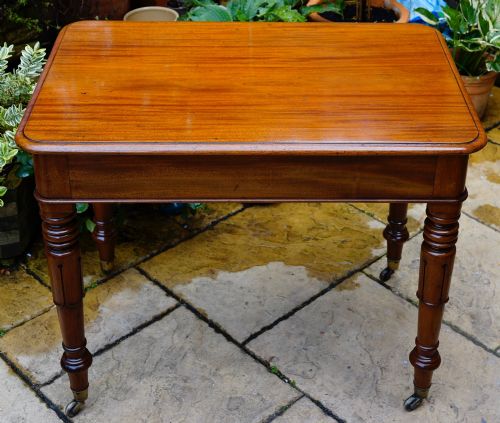
A vintage wood writing desk encompasses a broad selection of antique and period forms designed for correspondence and study. These range from compact Edwardian mahogany tables to substantial nineteenth-century pedestal desks and eighteenth-century bureaux.
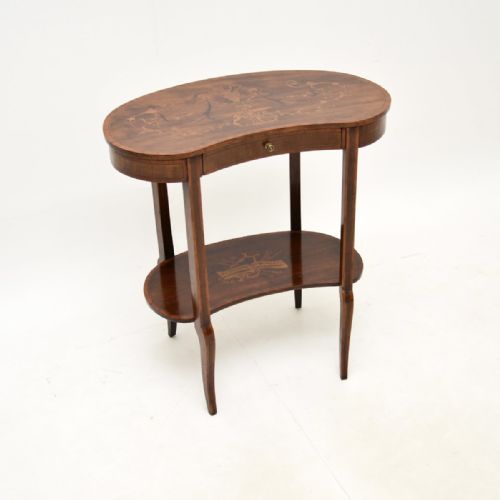
Buyers will encounter many variations on this page, including writing tables fitted with leather inserts, bureau bookcases with leaded glass doors, and smaller side tables adapted for home office use.
The selection spans multiple eras, including Georgian, Victorian, Edwardian, and Art Deco periods, drawing on regional styles from English workshops to French provincial receptions.
Materials and construction methods
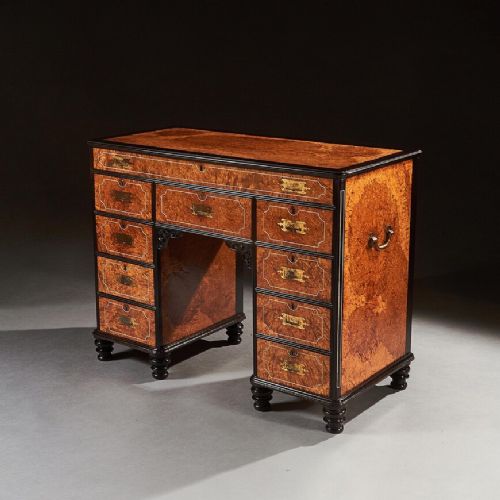
Cabinet makers relied heavily on timber selections such as mahogany, oak, walnut, and burr walnut, frequently enhancing surfaces with satinwood inlay, foliate marquetry, or mother of pearl decoration.
Structural integrity often depended on traditional joinery techniques paired with durable hardware like brass handles, leather writing surfaces, and glazed doors utilising lead cames.
Vintage Wood Writing Desk Retail Price Guide 2026
Typical asking prices for vintage wood writing desk among the pieces listed under this phrase on Sellingantiques today, from the lower quarter to the upper quarter. They describe what is for sale here now, not the wider market.
Listings feature items spanning the eighteenth, nineteenth, and twentieth centuries, incorporating Edwardian, Victorian, Georgian, and Art Deco styles.
Distinguishing build quality and design
Quality in these desks is measured by the selection of figured timber, the crispness of carved details like foliate marquetry, and the proportion of secondary woods used in the interior drawers.
Superior examples display careful attention to fitted interiors, working locks with original keys, and seamless integration of contrasting veneers such as satinwood or burr walnut.
Gillows
The Vintage Wood Writing Desk Glossary
- Bureau
- A slope-fronted desk that opens to reveal a fitted interior of small drawers and pigeonholes. It often sits upon bracket feet or chest drawers.
- Secretaire
- A cabinet or bookcase containing a pull-out writing drawer or drop-front writing surface. This hides fitted compartments while maintaining external storage capacity.
- Pedestal desk
- A heavy freestanding writing table supported by two banks of drawers. It provides a large timber top and substantial storage underneath.
- Marquetry
- Decorative veneer work arranged in pictorial or geometric patterns. Craftsmen use thin slices of contrasting wood to create intricate surface designs.
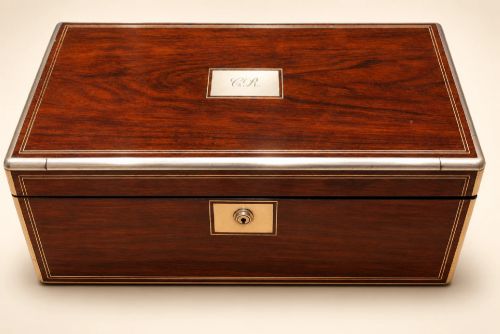
- Writing slope
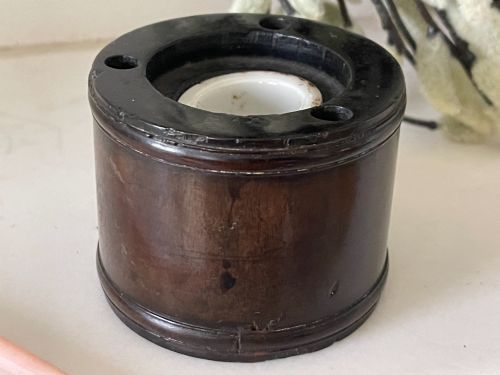
- A portable box with a hinged slanted lid designed for holding writing materials. It frequently includes inkwells and velvet or leather surfaces.
Vintage Wood Writing Desk: Frequently Asked Questions
How do I choose the right size desk?
Consider the available floor space in your room and whether you require deep pedestals or a slim table profile. Smaller Edwardian and oak writing tables suit compact home offices.
Larger twin pedestal desks and bureau bookcases demand more surrounding space but offer significant storage and generous surface areas.
Can I use an antique desk daily?
These wooden desks were built for practical daily correspondence and administrative work. Their robust construction handles modern laptop use and writing comfortably.
Protect leather surfaces with blotters and treat wood finishes gently to preserve the historical patina over years of regular use.
How do I identify the period of a desk?
Examine the secondary timbers, handle hardware, and overall architectural styling present in the piece. Georgian desks often feature bracket feet and mahogany, while Edwardian versions use lighter inlaid marquetry.
Construction marks and dovetailing methods inside the drawers also provide clear indicators of manufacturing dates.
What is a fitted interior?
A fitted interior consists of small pigeonholes, tiny drawers, and sometimes a central locked compartment hidden behind a bureau flap. These compartments organised stationery, stamps, and letters.
They represent the refined craftsmanship typical of better quality writing furniture.