
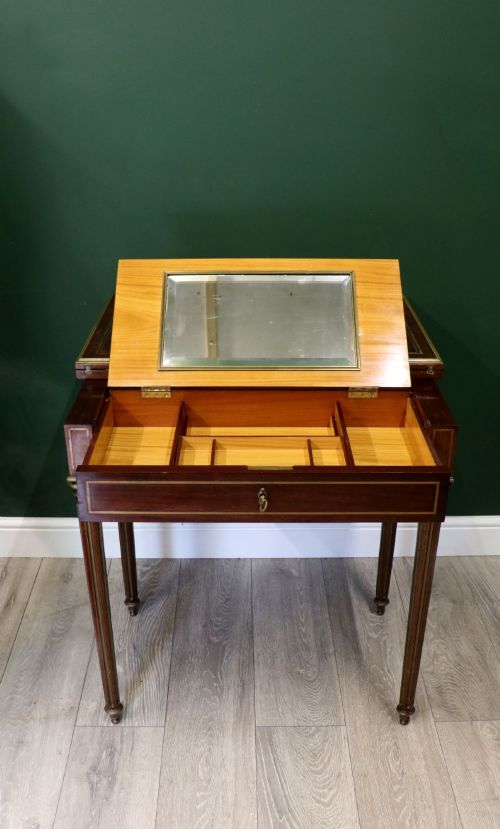
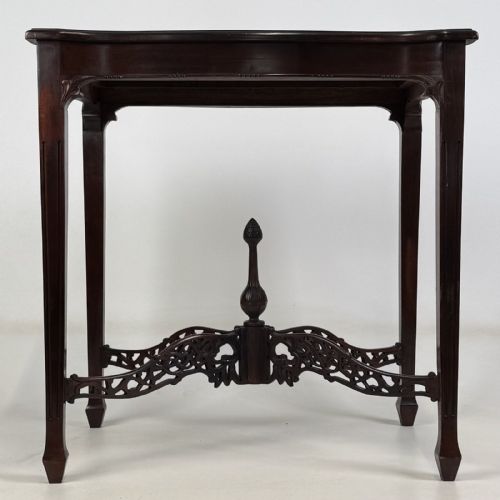
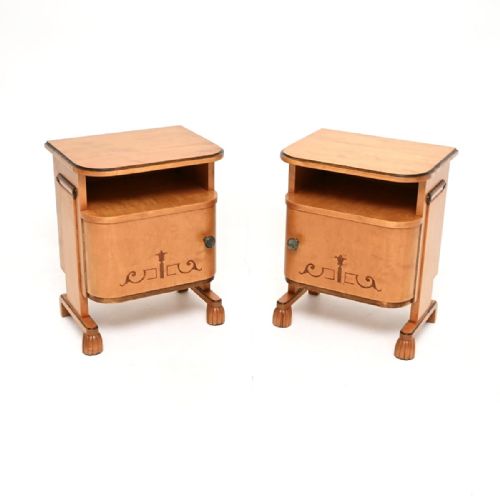
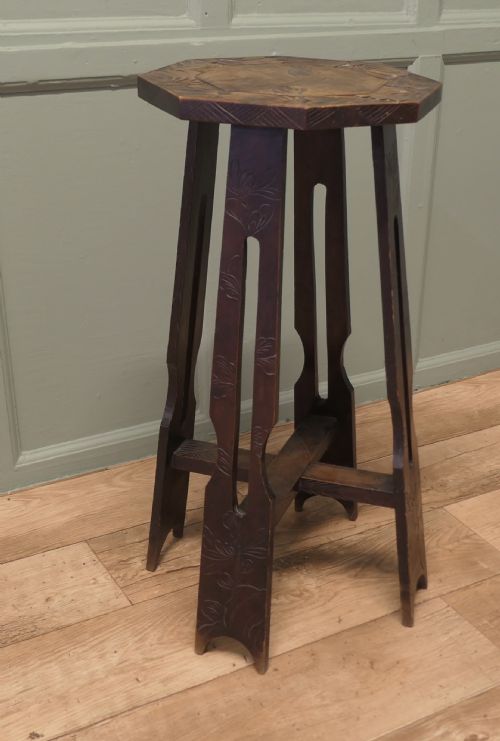
Vintage Wood Side Table
A vintage wood side table provides a practical surface for daily life while anchoring a room with period character.
Vintage Wood Side Table
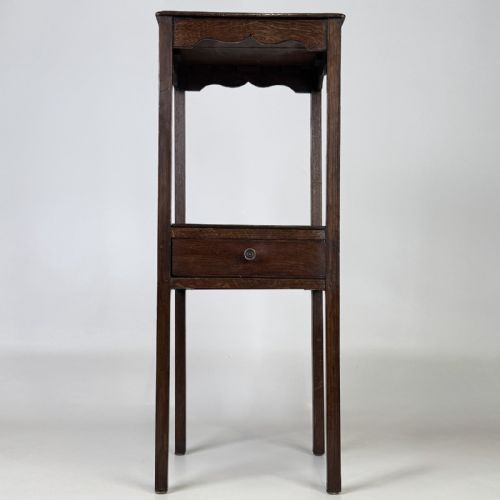
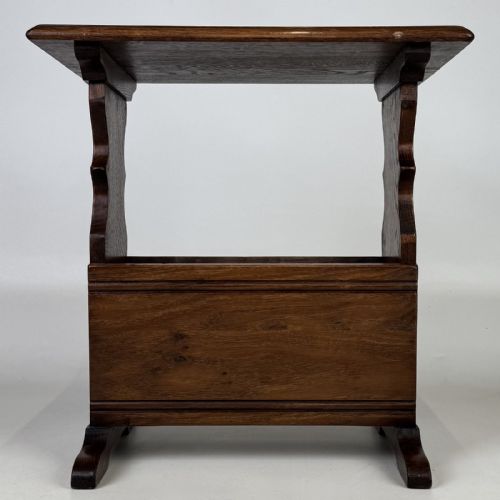
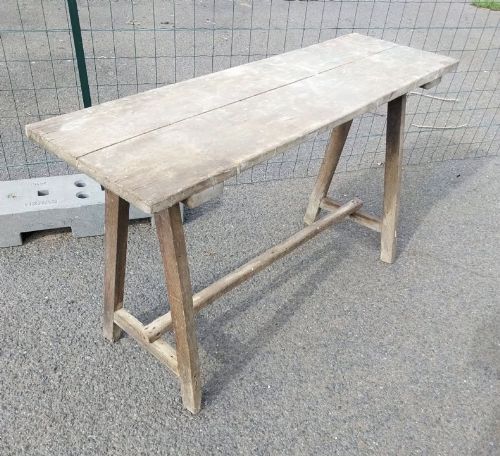
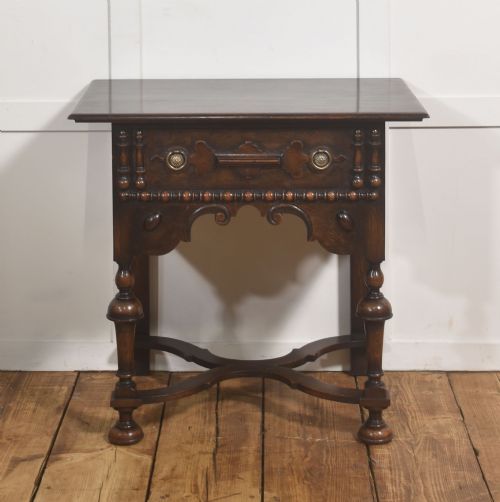
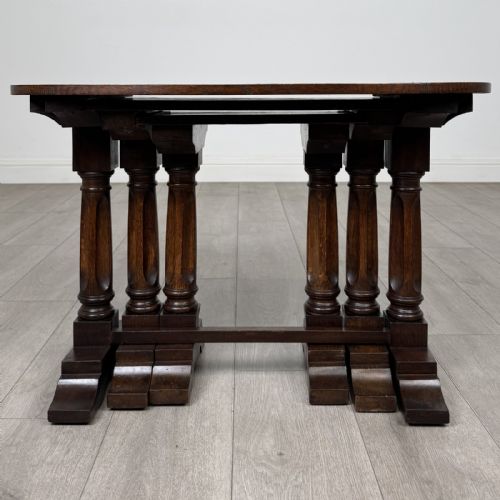
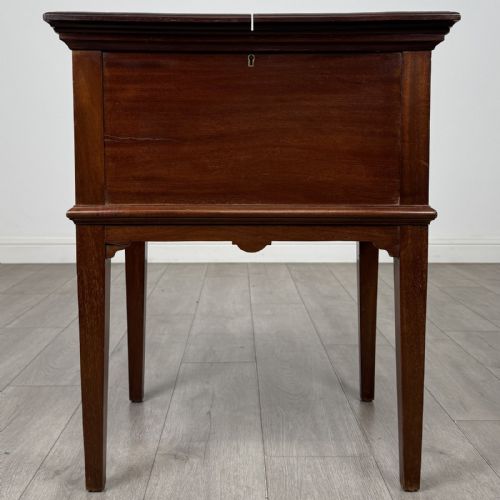
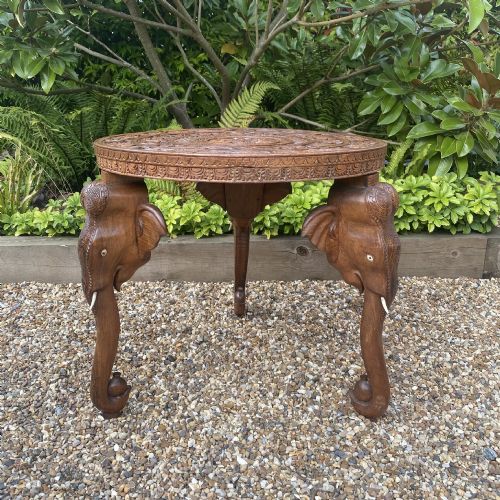
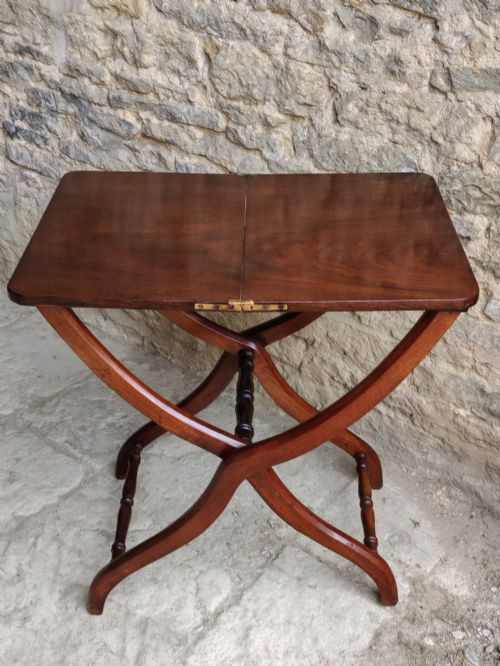
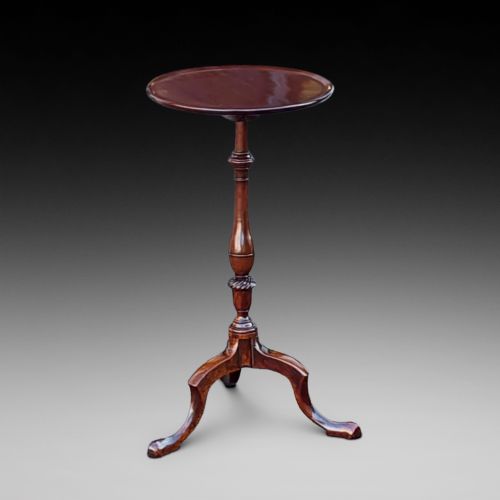
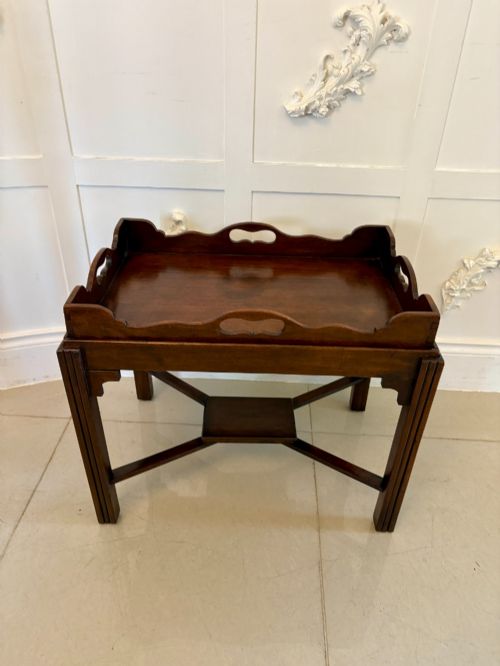
A vintage wood side table covers a wide range of domestic furniture designed for compact spaces, from Edwardian lamp tables to 1920s oak designs with magazine compartments. You encounter occasional tables, bedside units, and nests of tables alongside drop-leaf Pembroke styles and writing desks.
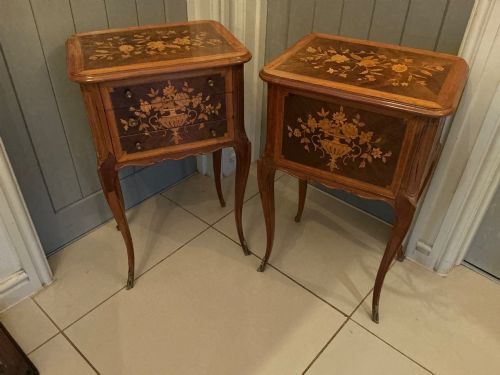
The selection spans periods from the late nineteenth century through the 1930s, incorporating Victorian craftsmanship, Edwardian inlay work, and revival designs like Queen Anne and Jacobean styles.
Forms vary from simple single-drawer oak pieces to kidney-shaped occasional tables and revolving bookcases, reflecting the diverse domestic needs of their original owners.
Materials and Construction
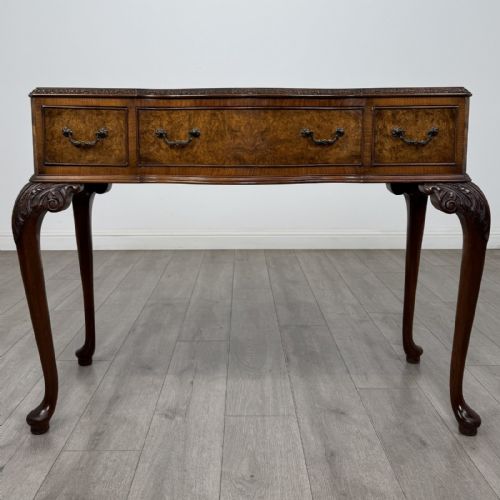
Makers utilised solid timbers and veneers, predominantly mahogany, oak, and walnut, often accentuating the grain with burr walnut or satinwood inlay.
Structural support relies on turned legs, cabriole legs with carved knees, or bobbin-turned framing, while smaller pieces incorporate drop leaves and hidden compartments.
Listings feature oak, mahogany, walnut, and satinwood, spanning the Victorian, Edwardian, and 1920s periods.
Assessing Quality and Execution
Quality rests in the precision of the timber selection, such as the richness of a burr walnut veneer or the crispness of inlaid satinwood stringing.
Joinery execution distinguishes finer examples, visible in smooth-running drawers, stable turned legs, and balanced proportions across forms like nests of tables and wine tables.
The Vintage Wood Side Table Glossary
- Occasional table
- A small, movable table designed for light, specific uses in a sitting room or parlour. These pieces often feature oval or kidney-shaped tops.
- Quartetto
- A matched nest of four tables that slide neatly beneath one another. This design saves floor space while offering multiple surfaces.
- Cabriole leg
- A furniture leg featuring a double curve, typically arching outward at the knee and tapering inward toward the foot. This form draws inspiration from seventeenth-century Dutch furniture.
- Pembroke table
- A drop-leaf table with hinged flaps on either side of a central top. It often includes one or more small drawers.
- Satinwood
- A durable, yellowish timber prized for its smooth grain and reflective surface. Makers utilised it extensively for marquetry and fine inlay work during the Edwardian period.
Vintage Wood Side Table: Frequently Asked Questions
How do I choose the right size?
Measure your available floor space and consider the height of nearby seating or beds to ensure functional clearance. Compact forms like wine tables or single-drawer occasional pieces fit tight corners without overcrowding the room.
Think about how you plan to use the surface, whether for holding lamps, books, or drinks. Nests of tables offer flexibility by expanding only when extra surfaces are required.
Where do I place a side table?
These versatile pieces suit living rooms beside armchairs or sofas, function as bedside stands in bedrooms, or fill empty hallway spaces. Their compact dimensions allow them to sit unobtrusively against walls or beside larger pieces of furniture.
Matching the wood tone and style to your existing interior helps the piece integrate naturally into the room's layout.
How do I care for antique wood surfaces?
Dust regularly with a soft, dry cloth to prevent grit accumulation on polished veneers and solid timbers. Avoid placing wooden furniture in direct sunlight or near heat sources to prevent the wood from drying out or splitting.
Applying a traditional beeswax polish periodically helps nourish the timber and maintain a deep, natural lustre without building up heavy chemical residue.