
Vintage Wood Pedestal
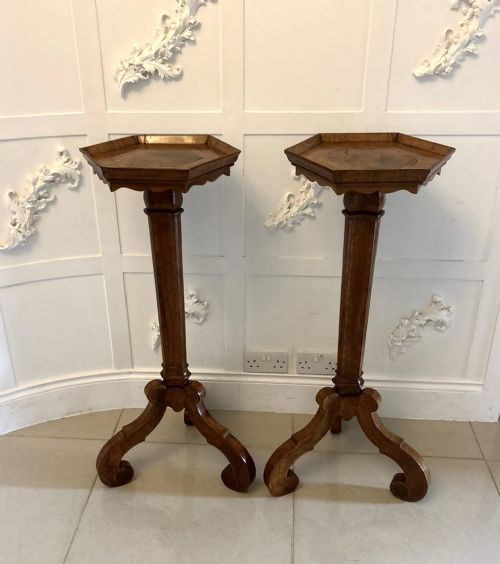
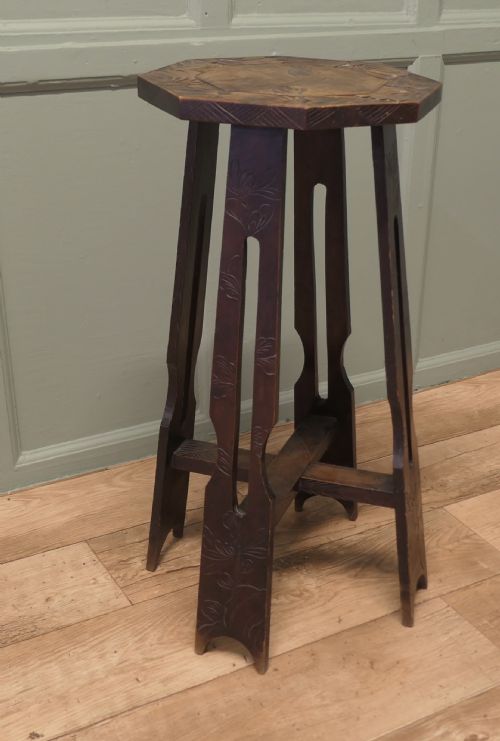
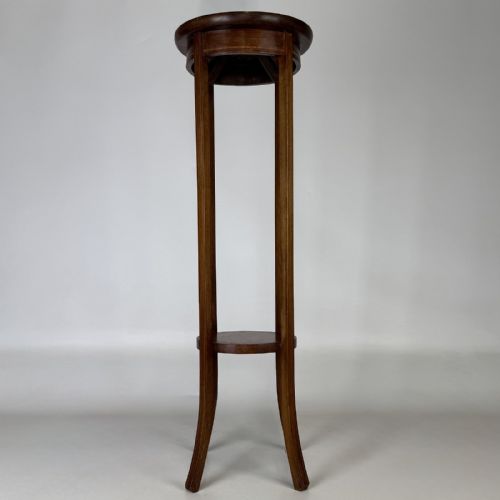
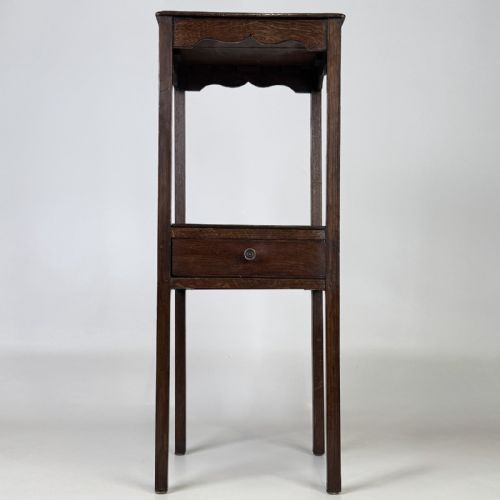
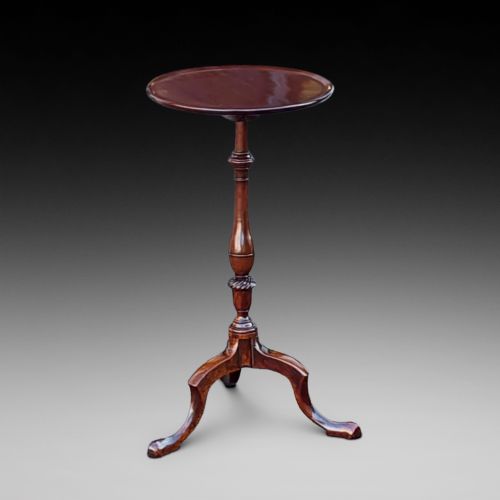
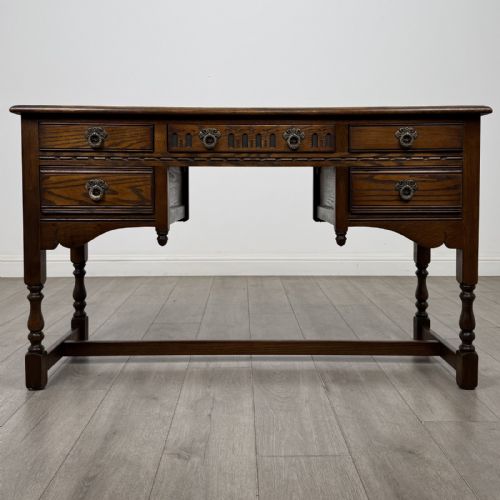
These vintage wood pedestal pieces include sturdy plant stands, carved columns, and substantial twin-pillar desks crafted from mahogany, oak, and walnut.
Vintage Wood Pedestal
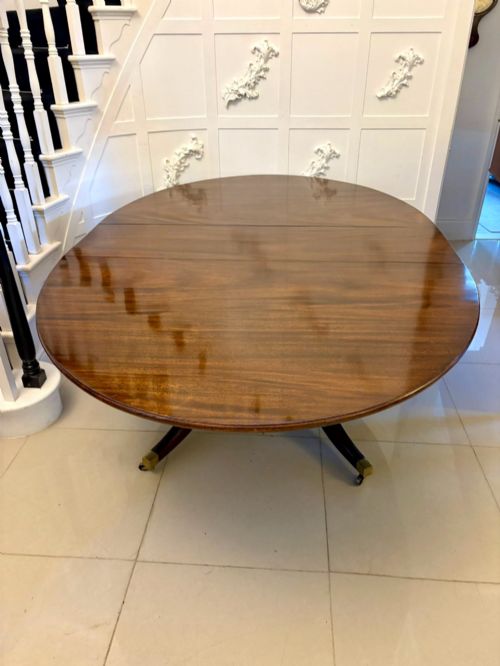
When you search for vintage wood pedestal pieces, you encounter a varied selection of functional furniture and display supports originating from the nineteenth century onward. The inventory spans compact Edwardian plant stands and wine tables alongside larger Victorian and Regency pedestal desks and extending dining tables.
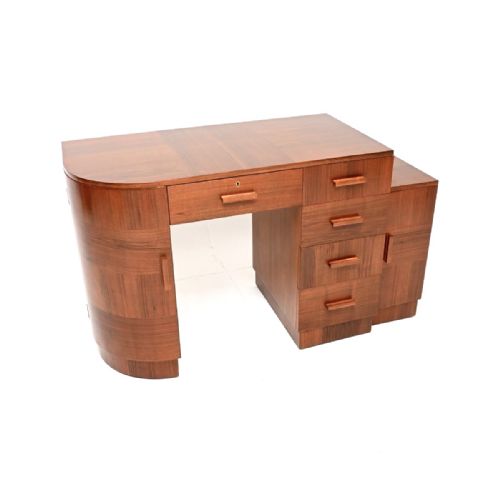
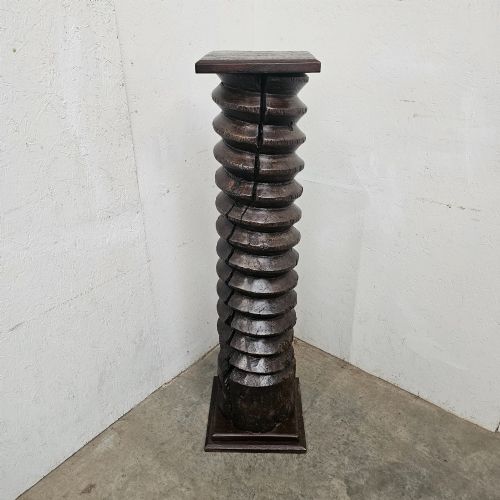
The most common forms on this page are plant stands, display columns, and desks that utilise central supports or twin pillars. These objects bridge decorative display and practical workspace utility, drawing upon Georgian, Victorian, Edwardian, and Art Deco design vocabularies.
How they were made
Cabinet makers utilised dense hardwoods such as mahogany, oak, walnut, and rosewood, often selecting figured veneers for visual depth on desk surfaces and tabletops. Structural elements frequently incorporate turned legs, barley twists, or carved pillars.
Makers integrated brass hardware, marble tops, leather inserts, and glass components to complement the primary timber structure. Joinery techniques varied from hand-carved ornamentation on nineteenth-century stands to the clean geometric lines characteristic of Art Deco pieces.
Materials recorded across the inventory include mahogany, brass, oak, leather, walnut, glass, metal, and rosewood.
What varies in quality
The distinction between standard utility items and superior examples lies in the choice of timber and the execution of carved details. Figured mahogany or walnut veneers and crisp, hand-carved structural elements indicate a higher grade of craftsmanship.
Proportion and structural integrity define the upper tier of these pieces, particularly in extending dining tables and pedestal desks. Refined turning on columns and substantial brass or marble integrations elevate the overall presence of the object.
Trollope & sons
The Vintage Wood Pedestal Glossary
- Pedestal desk
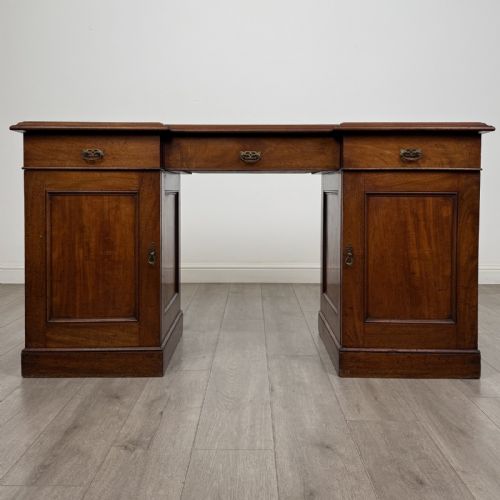
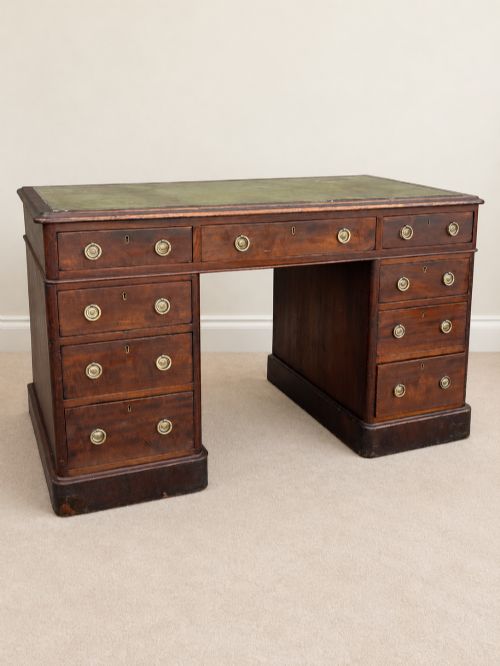
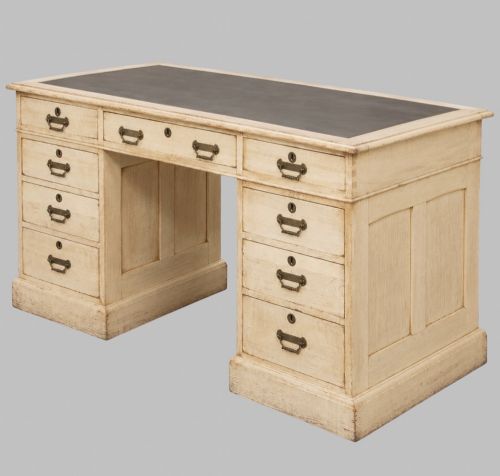
- A flat-topped writing table supported by two pedestals containing drawers, commonly rendered in mahogany or oak during the nineteenth and early twentieth centuries.
- Plant stand
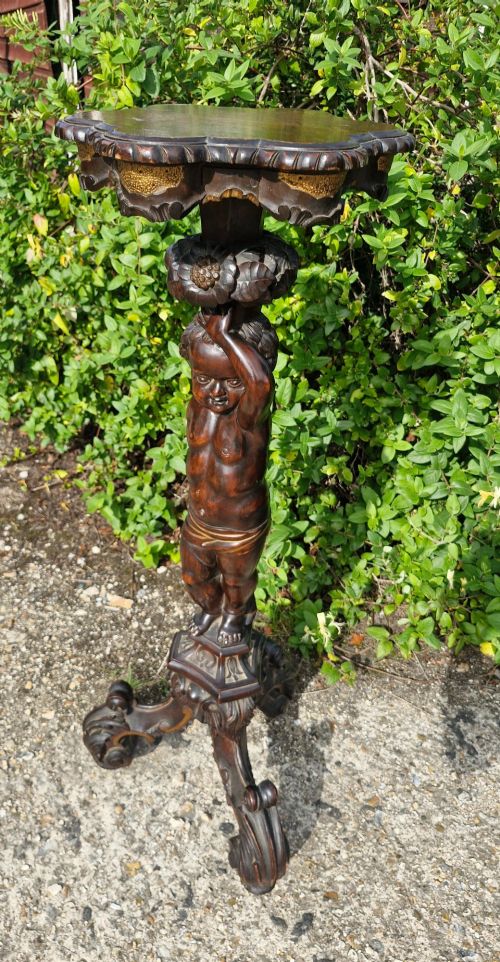
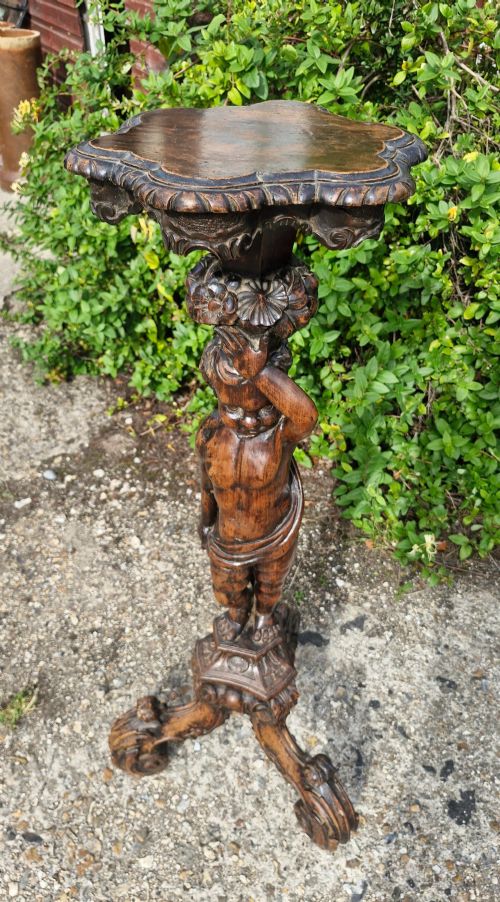
- A tall, slender piece designed to elevate flora, frequently appearing in Edwardian mahogany or carved nineteenth-century oak.
- Marquetry
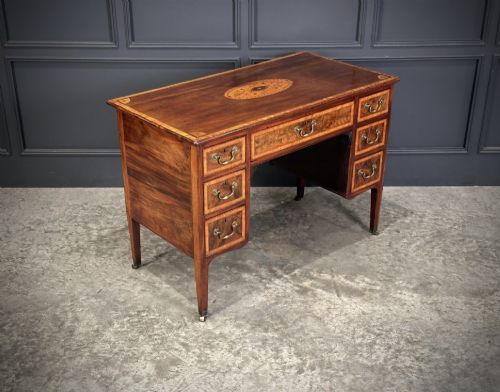
- An inlaid technique using various woods to create decorative patterns on furniture surfaces such as writing desks.
- Barley twist
- A spiral turning technique utilised on the legs and supports of Victorian occasional tables and stands.
- Triform base
- A three-sided support structure typically found beneath circular tables and pedestal forms from the Regency and William IV periods.
Vintage Wood Pedestal: Frequently Asked Questions
What is a pedestal desk?
A pedestal desk is a large writing table supported by two banks of drawers or columns rather than standard corner legs. These substantial pieces provide both extensive surface workspace and integrated storage.
Originating in earlier centuries, Victorian and Edwardian examples often feature mahogany or oak construction with leather-insets on the top surface.
How do I date a wood pedestal?
Dating involves examining the primary timber, the style of the carving, and the overall construction methods used by the cabinet maker. Nineteenth-century pieces frequently display dense mahogany or rosewood, while Edwardian items lean toward lighter mahogany plant stands and oak cupboards.
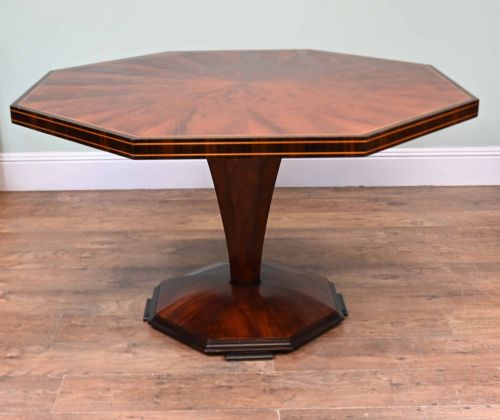
Art Deco examples from the 1930s introduce figured walnut and sunburst veneers with distinct geometric silhouettes that differ from earlier revival styles.
Where should I place a plant stand?
Plant stands function well in corners, beside windows, or framing doorways where their elevated platforms can display horticulture or decorative objects. Their compact footprints allow them to occupy tight spaces without cluttering a room.
Edwardian mahogany stands and carved nineteenth-century Italian columns offer sturdy vertical accents for interior display.
How do I care for vintage wood?
Maintain vintage wood by keeping pieces away from direct heat sources and strong sunlight to prevent the timber and veneer from drying out. Regular dusting with a soft, dry cloth preserves the finish without requiring heavy polishes.
Treat marble tops and leather inserts gently, using appropriate cleaners that will not damage adjacent wooden frames.