
Vintage Wood Dining Table
A vintage wood dining table grounds a room with solid timbers, offering generous proportions for daily meals and gatherings.
Vintage Wood Dining Table
A vintage wood dining table brings practical surface area and period character to domestic interiors, drawing on a heritage of craftsmanship that spans centuries. When exploring this selection, buyers encounter formats ranging from sturdy kitchen boards to formal pedestal designs.
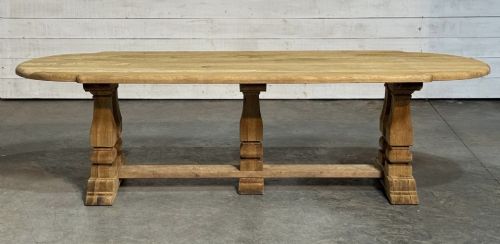
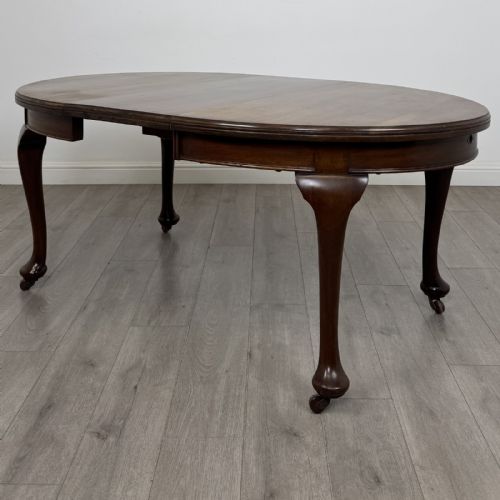
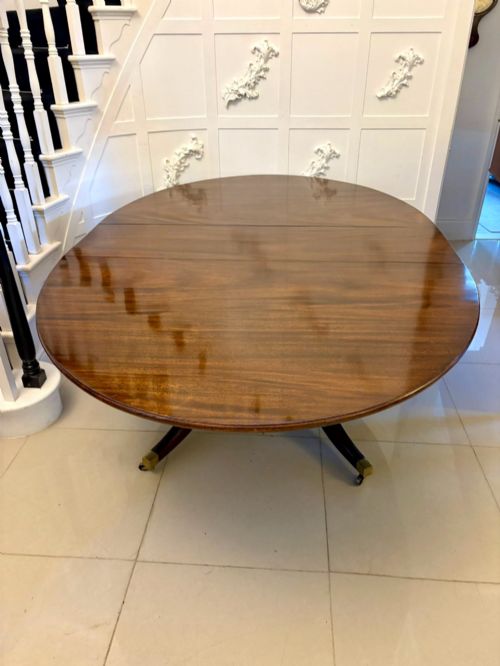
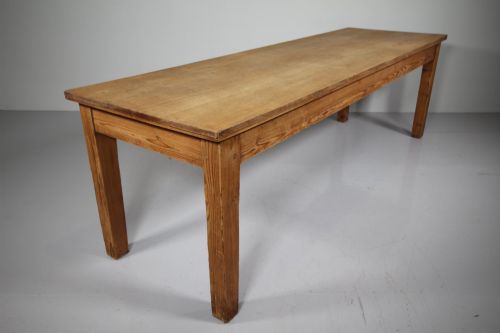
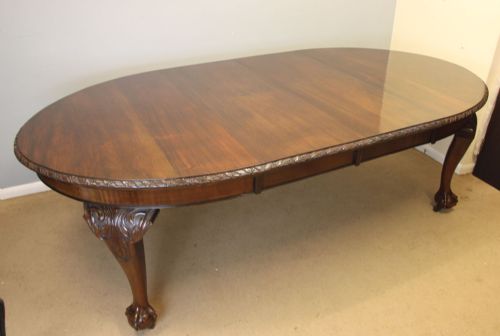
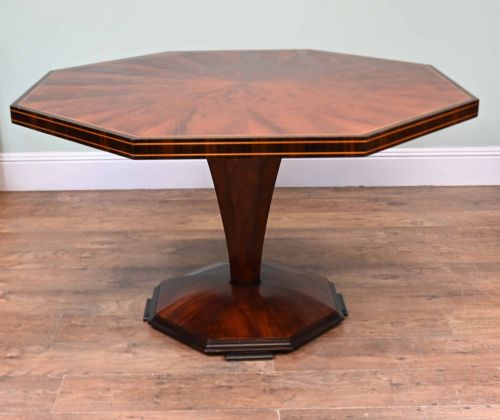
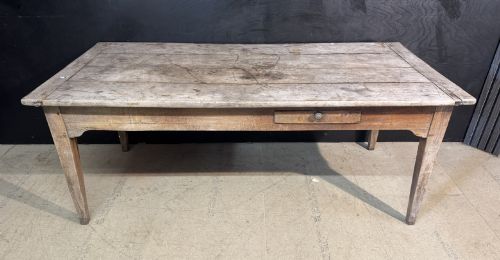
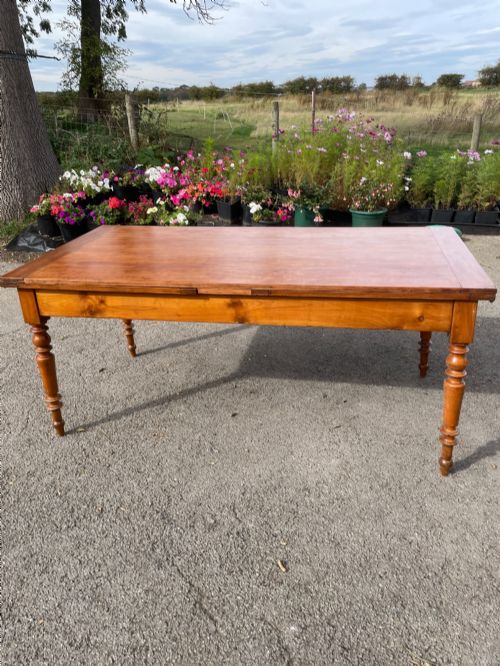
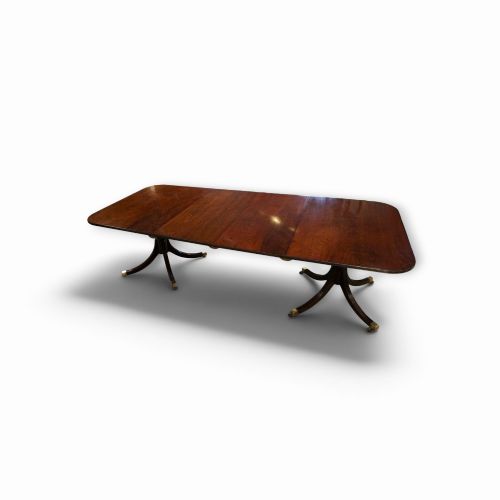
The assortment on this page highlights formats like the nineteenth-century farmhouse board, the Edwardian extension table in mahogany, and the Regency multi-pillar model. These pieces bridge functional dining requirements with distinct regional and stylistic origins, including French provincial and English cabinetmaking traditions.
How they were made
Cabinetmakers constructed these tables using dense hardwoods such as mahogany, oak, walnut, and cherry, often selecting figured veneers or solid planks for the top surfaces. Extension mechanisms rely on brass fittings, runners, and drop-leaf hinges that allow timber leaves to expand the surface area.
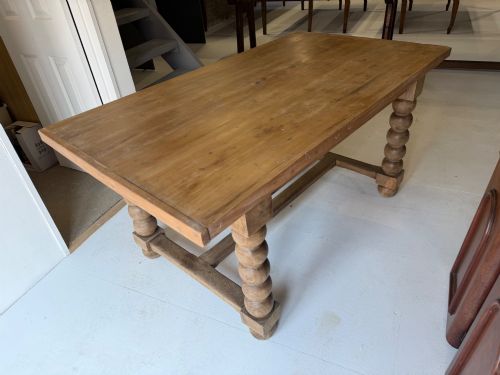
Joinery techniques include pegged joints, mortise and tenon frames, and turned supports like barley twists or bobbin legs. Table bases incorporate pedestal columns, triform bases, or straightforward four-leg configurations designed to carry heavy timber loads.
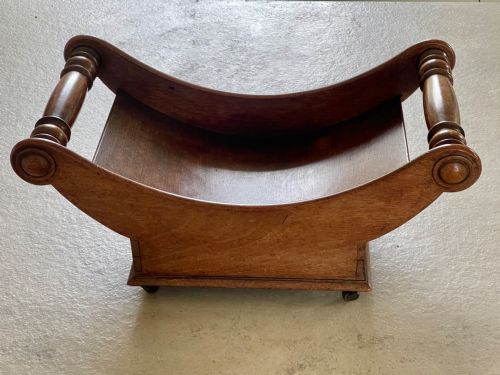
Cheese coasters on original castors roll silently across the mahogany, ready to rescue the cheddar from falling off mid-debate.
What varies in quality
The standard of a table rests on the selection of the timber grain, whether figured mahogany, burr walnut, or carefully joined oak boards, and how uniformly the wood has aged. Superior examples display thoughtful timber matching across extension leaves and robust structural joinery that maintains rigidity over decades.
Refinement in carving, the presence of original castors, and the integrity of the extending mechanism distinguish high-end cabinet work from utility furniture. Tables that retain their original surfaces without excessive intervention command greater appreciation among collectors.
The Vintage Wood Dining Table Glossary
- Extension leaf
- A removable section of timber inserted into the centre of a table to lengthen the top surface. These leaves allow dining capacity to expand for guests.
- Pedestal base
- A central column support resting on feet, commonly used in Regency and Victorian designs to eliminate corner legs. This configuration permits greater legroom around the perimeter.
- Gateleg table
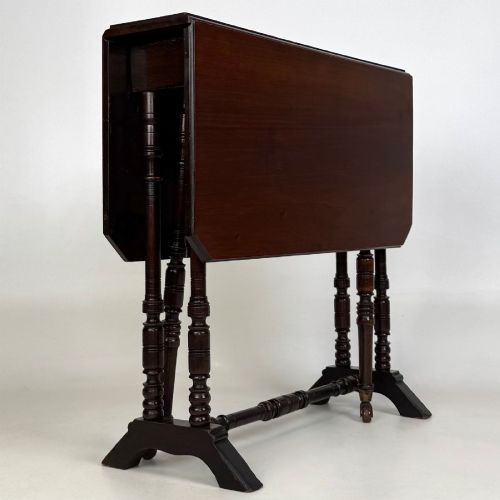
- A drop-leaf table where hinged legs swing outward like gates to support the raised flaps. This mechanism provides a compact footprint when folded down.
- Scrub top
- A plain wooden tabletop left unfinished or repeatedly scrubbed clean, typical of utilitarian kitchen and farmhouse tables. It shows the natural grain and daily wear of active workspace use.
Vintage Wood Dining Table: Frequently Asked Questions
How do I measure for an extending table?
Measure your dining room space while accounting for clearance around the table chairs when fully extended with leaves added.
Check the mechanism type, such as pull-apart runners or drop leaves, to ensure smooth daily operation in your room dimensions.
Are these tables suitable for daily family use?
Solid hardwood tables in oak, pine, or mahogany withstand regular family meals and activities while accumulating a rich patina over time.
Routine maintenance involves using coasters and simple beeswax polish to protect the timber surface from everyday wear.
How do I identify a pedestal dining table?
Look for a central column or multiple pillar supports resting on shaped feet rather than four individual legs at the corners.
This construction style became popular during the Regency and Victorian periods to maximise seating space around the perimeter.
What is a farmhouse kitchen table?
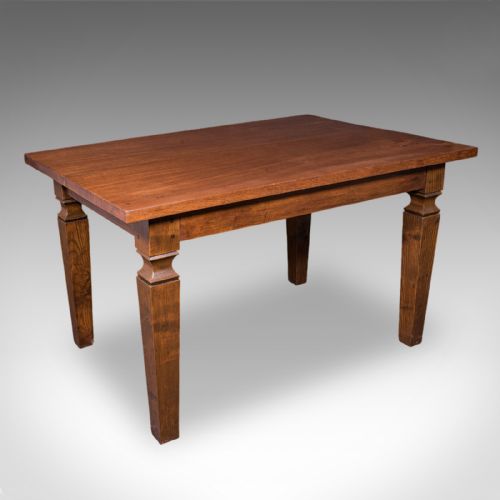
A farmhouse table is a utilitarian wooden dining board, often featuring scrubbed tops in elm, pine, or oak, built for heavy domestic use.
These pieces originate from rural English and French traditions, displaying straightforward joinery and sturdy plank construction.