
Vintage Wood Desk
A vintage wood desk brings tangible character to a workspace, offering solid construction and period detail that modern alternatives simply lack.
Vintage Wood Desk
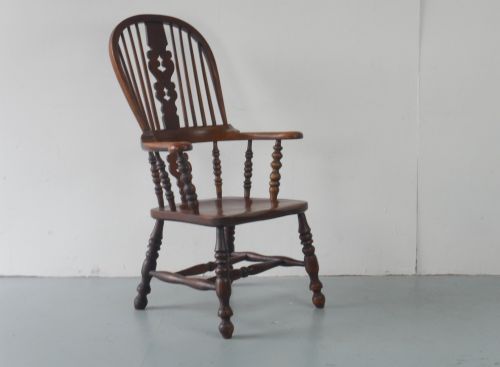
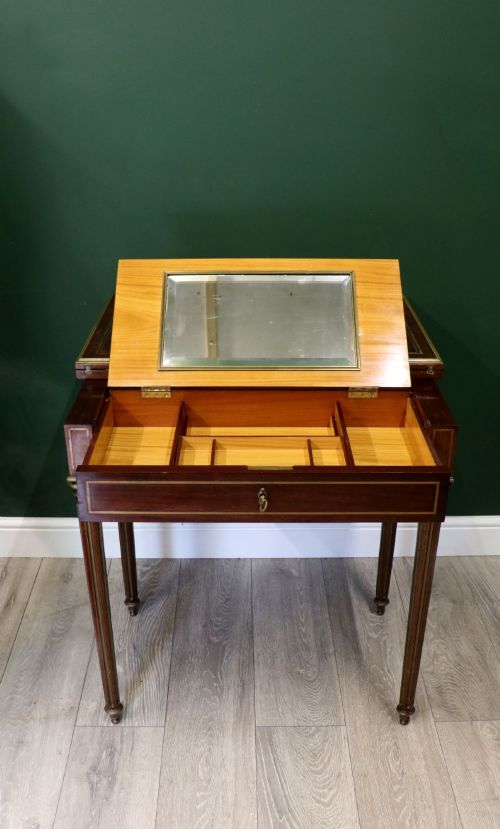
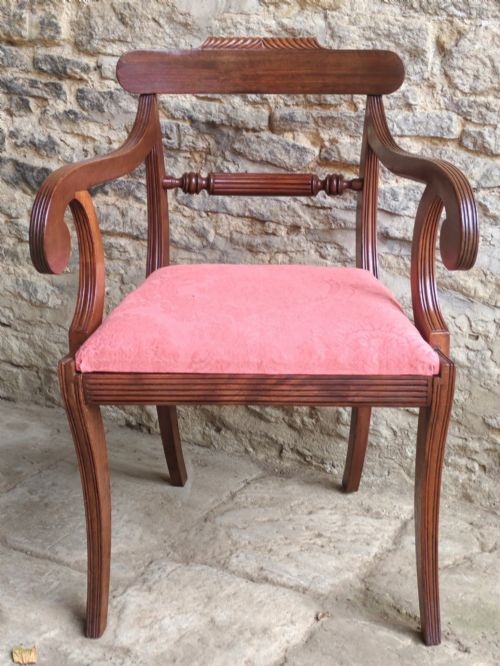
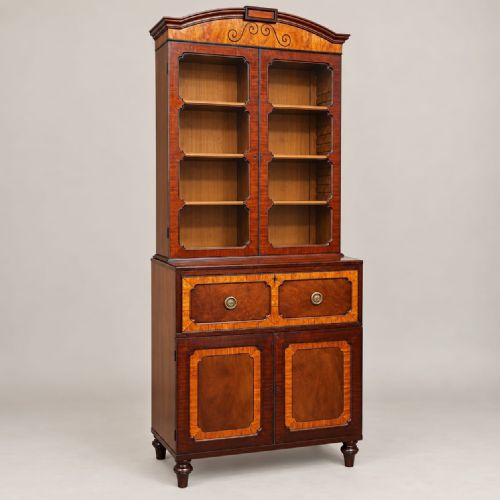
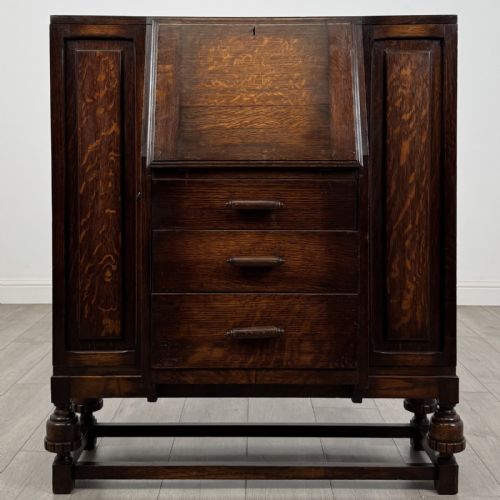
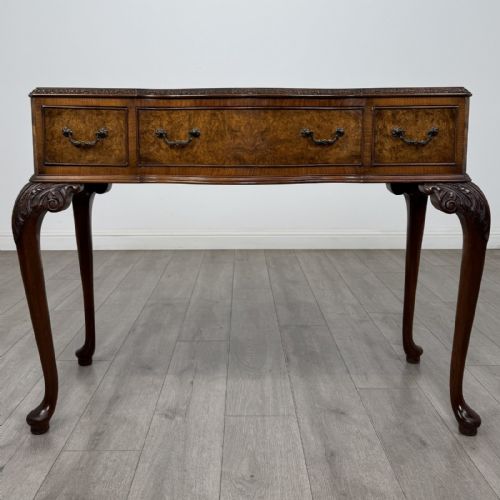
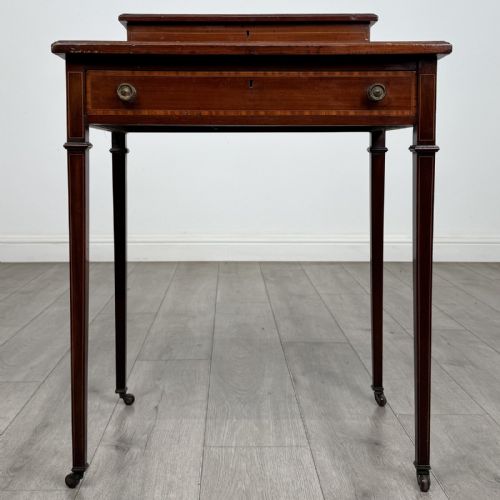
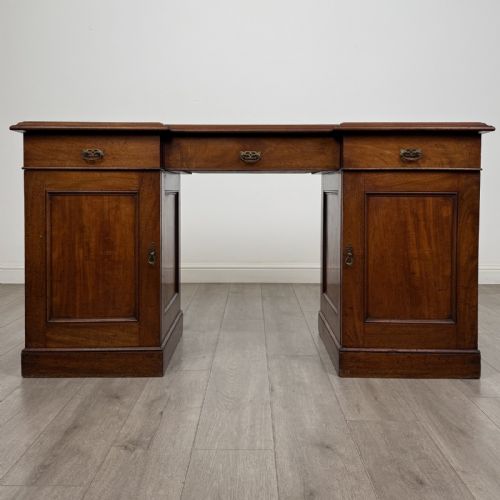
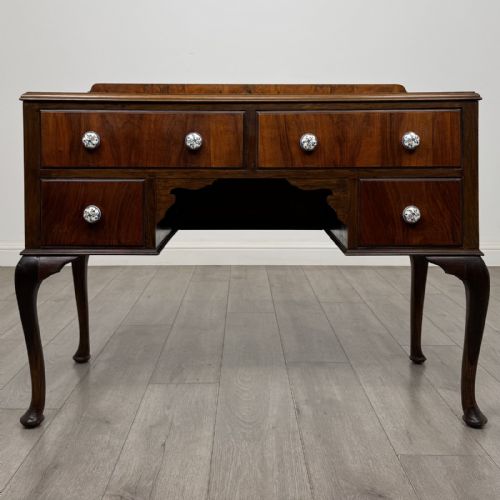
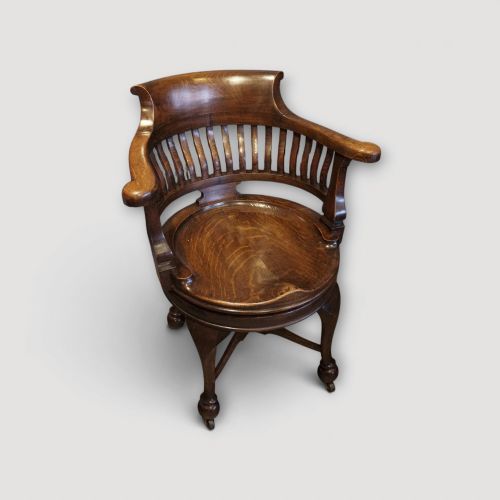
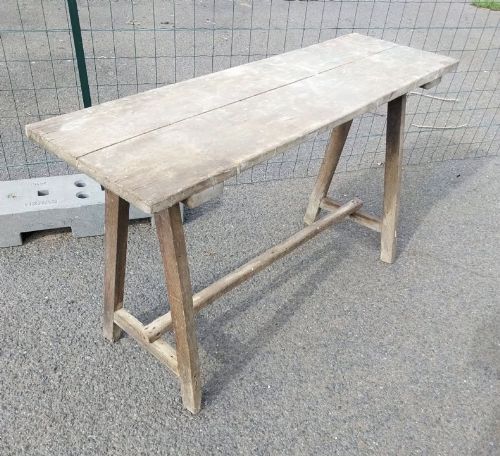
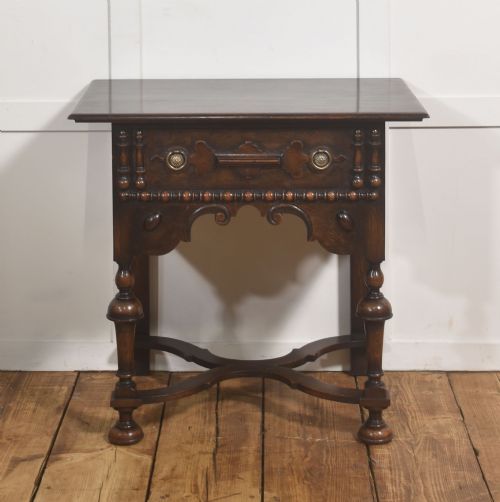
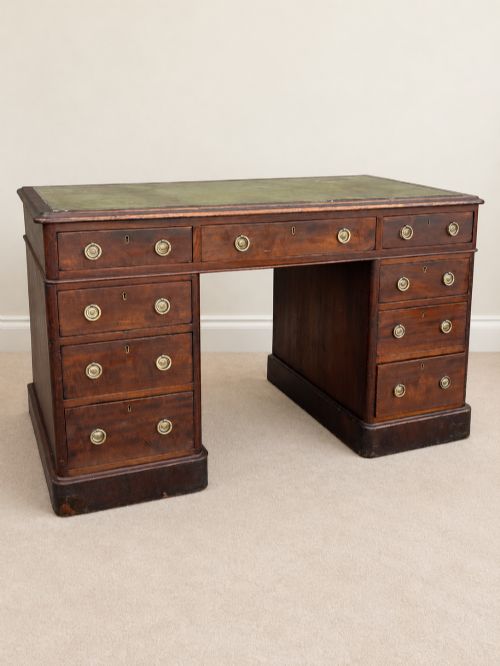
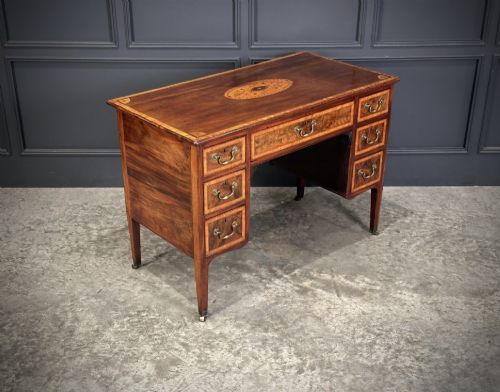
A vintage wood desk serves as a functional workspace while anchoring a room with traditional craftsmanship and warm timber tones. When exploring the category of a vintage wood desk, one encounters diverse forms ranging from compact writing tables to substantial twin pedestal and bureau bookcases.
The selection spans multiple centuries and aesthetics, drawing from Victorian, Edwardian, and Art Deco periods alongside Georgian and Jacobean revivals. Mahogany, oak, and walnut emerge frequently, often paired with fitted interiors, pigeon holes, and leather writing surfaces.
Pedestal configurations and side tables dominate the offerings, alongside secretaire cabinets and specialised writing desks equipped with drawers and drop fronts. These pieces reflect the domestic and professional storage needs of their respective eras.
How they were made
Makers utilised dense hardwoods such as mahogany, oak, walnut, and elm, selecting specific timbers for their durability and grain pattern. Burr walnut and satinwood veneers appear on finer surfaces, adding decorative contrast through figured grain.
Joinery techniques relied on traditional framing and drawer construction, complemented by carved details, brass hardware, and marquetry inlay. Secondary materials like leather inserts and glass doors complete the functional design of these writing furniture pieces.
Listings feature woods such as mahogany, oak, walnut, elm, and yew, spanning the Georgian, Victorian, Edwardian, and Art Deco periods.
What varies in quality
The distinction between tiers rests upon the choice of timber and the precision of the cabinetmaker's hand. Finely figured veneers, intricate marquetry inlay, and robust secondary woods elevate a piece above standard utility items.
Structural integrity and the retention of original brass fittings, leather surfaces, and fitted internal drawers dictate the standing of an example. Subtle proportions and restrained carving separate superior workshop output from mass production.
Gillows
The Vintage Wood Desk Glossary
- Pedestal desk
- A heavy writing desk supported by two distinct banks of drawers resting on the floor. The top surface typically spans across the pedestals.
- Bureau
- A desk featuring a sloping hinged writing flap that opens to reveal internal compartments and pigeon holes. It usually sits atop a chest of drawers.
- Secretaire
- A cabinet or bookcase containing a pull-down writing drawer that conceals a fitted interior with small drawers and pigeon holes. This design hides the workspace when closed.
- Marquetry
- Decorative veneer work arranged in patterns or pictorial scenes using various coloured woods and organic materials. It requires precise cutting and fitting by hand.
- Pigeon hole
- A small, open compartment within a desk interior used for sorting letters and documents. These compartments form a key feature of bureau and secretaire fittings.
Vintage Wood Desk: Frequently Asked Questions
How do I choose the right size?
Measure your available floor space and consider knee clearance for comfortable daily sitting. Compact writing tables suit smaller rooms, while twin pedestal desks demand a more generous footprint.
Take into account the swing of desk chairs and the depth required when drawers or drop fronts are fully open. Ensure proportions match the scale of surrounding furniture.
How should I clean timber surfaces?
Dust regularly with a dry, soft cloth to prevent particulate buildup on the wood finish. Apply microcrystalline wax periodically to nourish the timber and protect the polish.
Avoid placing desks in direct sunlight or near heat sources to prevent timber splitting and veneer lifting. Keep moisture away from unsealed wood and leather inserts.
How do I date an older desk?
Examine the drawer construction, timber selection, and overall hardware style for period characteristics. Hand-cut dovetails, secondary wood species, and specific revival motifs offer reliable chronological clues.
Compare the construction methods against documented regional cabinetmaking traditions. Look for makers' marks, stamps, or labels inside drawers or on the backboards.