
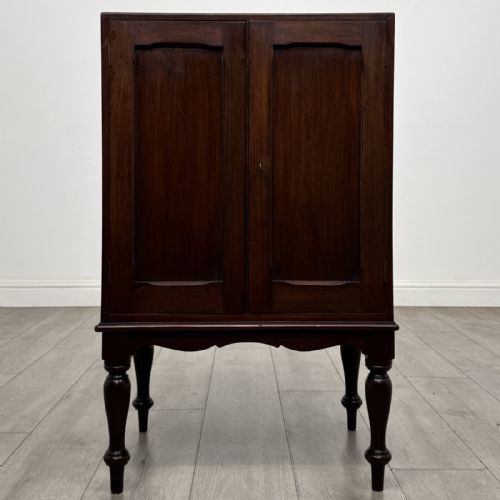
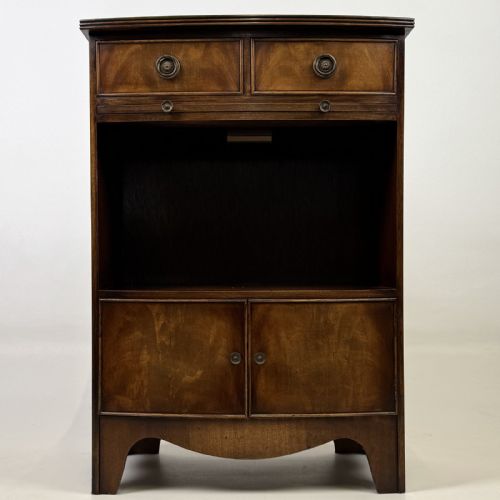
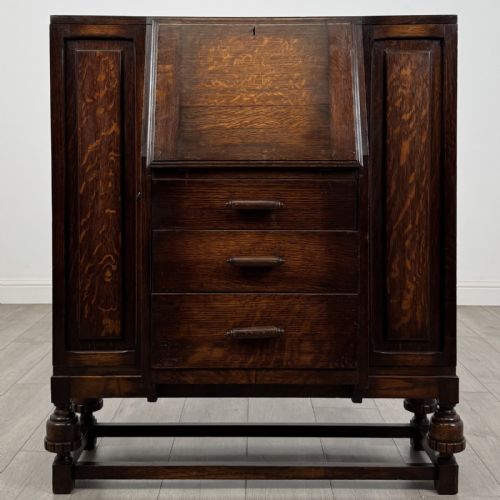
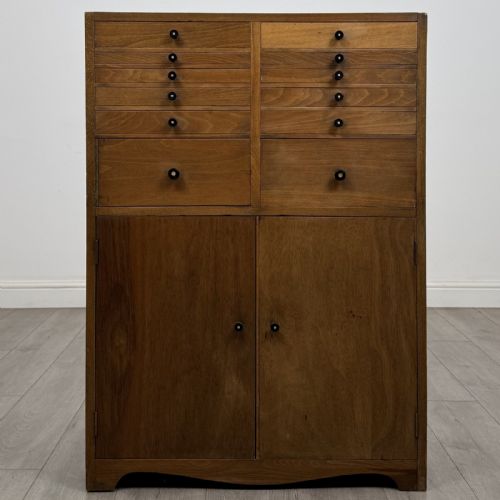
Vintage Wood Cupboard
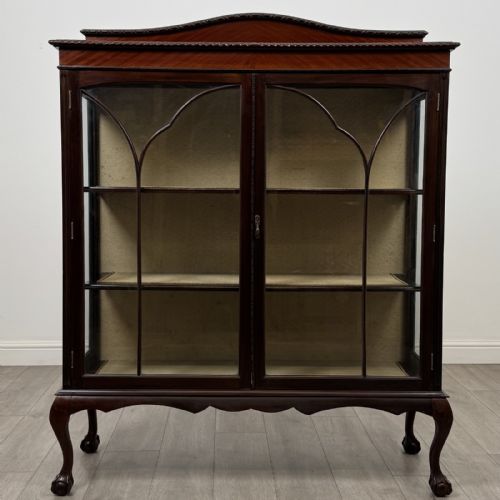
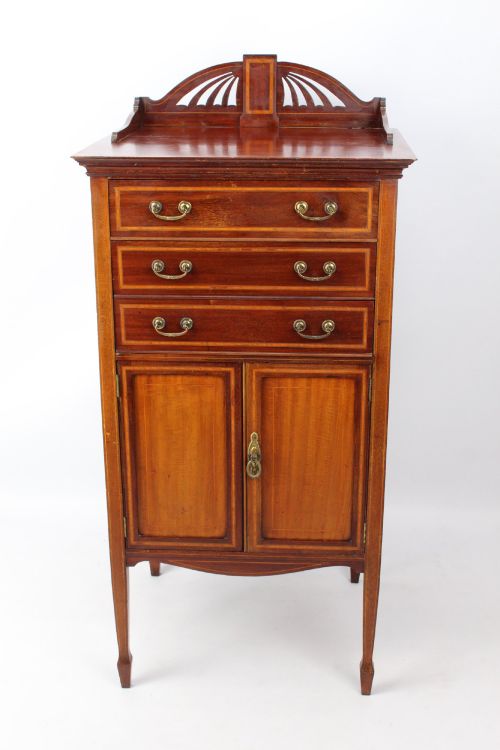
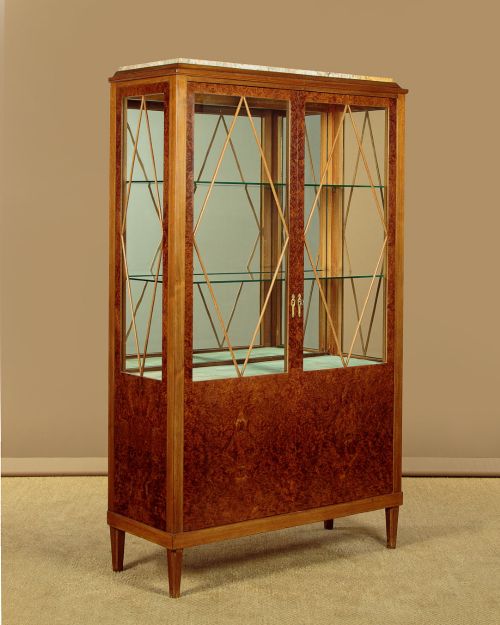
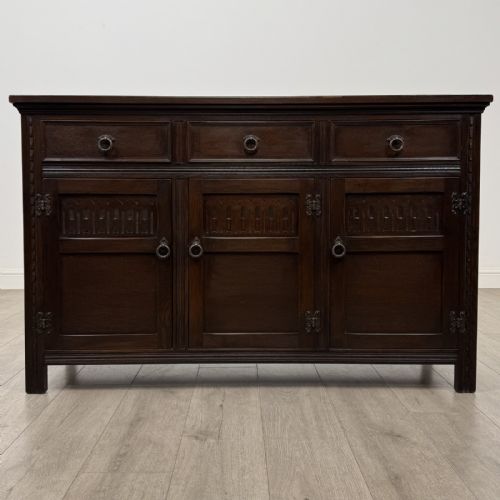
These vintage wood cupboards bring sturdy utility and warm character to a room, ranging from Edwardian display cabinets to oak storage pieces.
Vintage Wood Cupboard
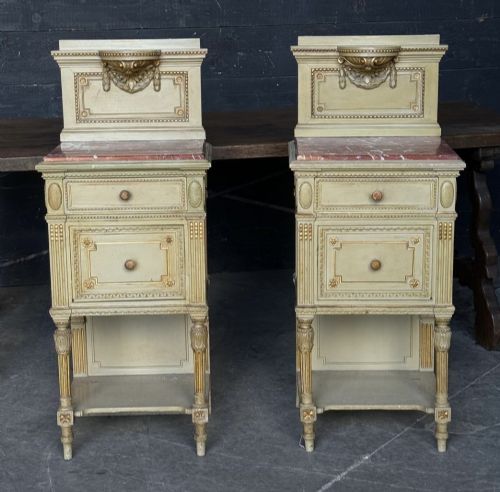
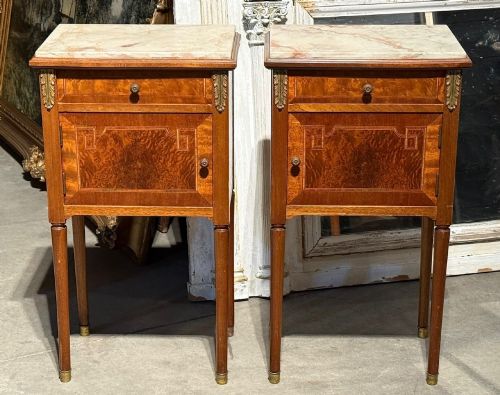
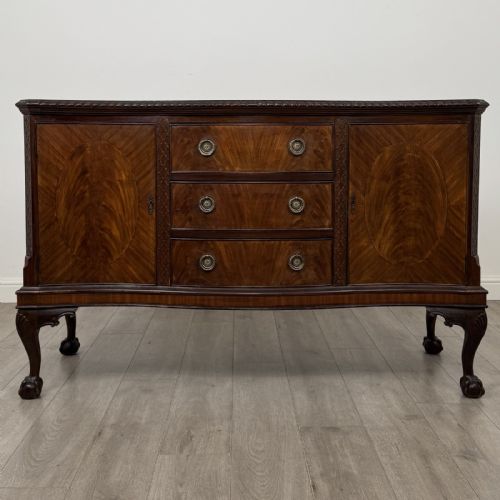
A vintage wood cupboard encompasses a broad selection of practical furniture designed for storage and display, appearing frequently in forms such as sideboards, wardrobes, bookcases, and bedside tables. When searching for a vintage wood cupboard, buyers encounter items spanning from the Georgian period through the Victorian era and into the 1920s and 1930s Art Deco movement.
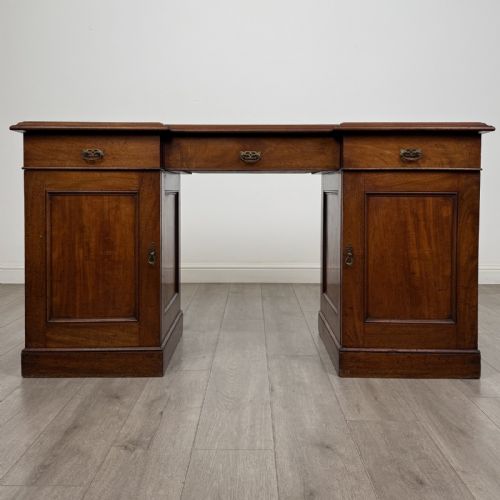
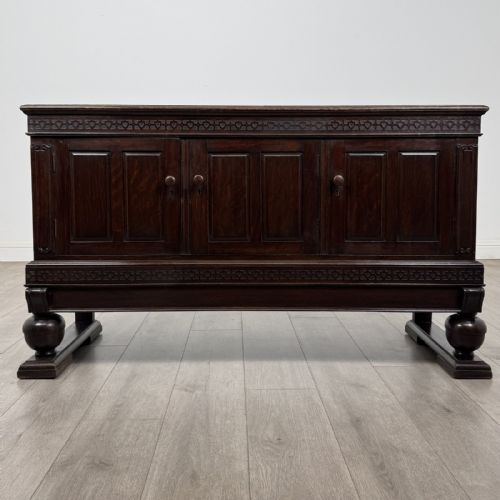
Origins range across British, French, and Swedish workshops, bringing varied regional proportions and decorative details to the selection. Buyers find everything from simple single-door hall cupboards to large breakfront desks and carved sideboards fitted with internal drawers or pigeon holes.
How they were made
Makers utilised solid woods and decorative veneers, applying mahogany, oak, walnut, and amboyna over sturdy structural carcases. Interiors often featured secondary softwoods or fitted arrangements of glass shelves, pull-out slides, and banks of drawers.
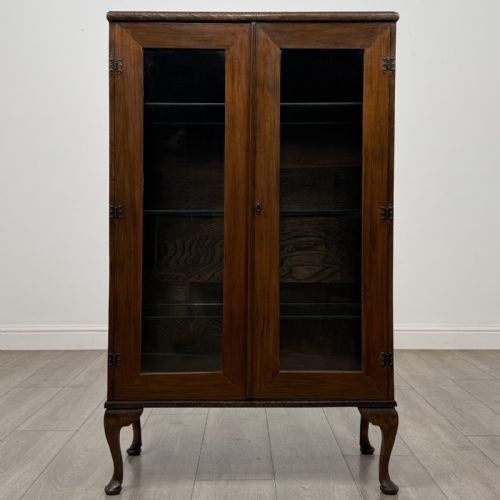
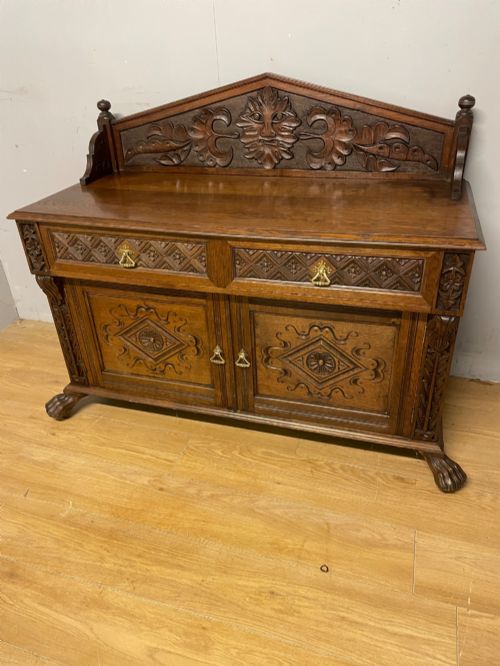
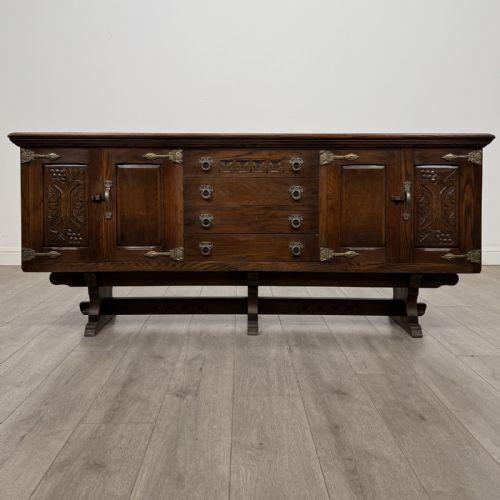
Surface decoration involved hand carving, marquetry inlay, and turned elements such as legs and stretcher bases. Glazed doors utilised timber framing to secure glass panes, while brass and iron hardware provided functional handles, hinges, and locks.
Periods represented on this page stretch from Georgian times through Victorian and Edwardian eras to 1930s Art Deco.
What varies in quality
Construction methods and timber selection set individual pieces apart, distinguishing standard utilitarian storage from finely figured cabinetwork. Pieces utilising burr walnut, birdseye maple, or satin birch veneers demonstrate superior material choice compared to plain utility items.
The sophistication of decorative execution dictates the standing of a piece within its period. Hand-carved details, intricate marquetry inlay, and original brass fittings elevate the finish of cabinets and sideboards.
The Vintage Wood Cupboard Glossary
- Compactum
- A fitted wardrobe combining hanging space with internal drawers, shelves, and compartments. This form maximises storage efficiency within a single footprint.
- Breakfront
- A piece of furniture featuring a central section that projects forward from the flanking wings. This architectural arrangement creates depth and visual interest on large sideboards and bookcases.
- Linen Press
- A tall storage piece traditionally used for household textiles, featuring upper cupboard doors enclosing sliding trays and lower drawers. They frequently appear in figured walnut or mahogany.
- Marquetry
- Decorative patterns formed by fitting together thin slices of veneer onto a timber surface. Craftsmen utilised contrasting woods to create pictorial or geometric designs.
- Stretcher Base
- A system of horizontal wooden bars connecting the lower legs of a table or cabinet to provide structural stability. This support feature appears frequently on heavier oak sideboards.
Vintage Wood Cupboard: Frequently Asked Questions
What rooms suit a vintage wood cupboard?
These versatile pieces adapt to numerous spaces, functioning as dining room sideboards, bedroom wardrobes, or living room display cabinets. Their practical storage capacities help organise books, tableware, or linens.
Smaller formats like bedside tables or hall cupboards fit compact entryways and guest rooms. The variety of timber finishes allows them to complement both traditional and modern interiors.
How do I distinguish Edwardian cupboards from Victorian ones?
Victorian pieces tend to feature heavier proportions, darker finishes, and robust construction utilising dense timbers like mahogany. Carving is often deeper and more dramatic, reflecting 19th-century tastes.
Edwardian items frequently display lighter construction, simpler lines, and satinwood or boxwood inlay. The influence of Arts and Crafts design also appears in the simpler oak pieces from this later period.
What is the difference between a display cabinet and a bookcase?
Display cabinets typically feature glazed doors and glass shelves designed to showcase ceramics, glassware, and decorative objects. They emphasise visibility from multiple angles.
Bookcases focus primarily on wooden shelving arranged to hold collections of books. While some include glass doors for protection, their internal configuration prioritizes book storage over exhibition.
How should I care for antique wood furniture?
Maintain timber surfaces by dusting regularly with a soft, dry cloth and avoiding silicone-based polishes. Keeping pieces away from direct sunlight and radiators prevents the wood from drying and cracking.
Applying a traditional beeswax occasionally nourishes the grain and preserves the patina. Ensure interior environments maintain stable humidity levels to protect veneered surfaces.