
Vintage Wood Chest
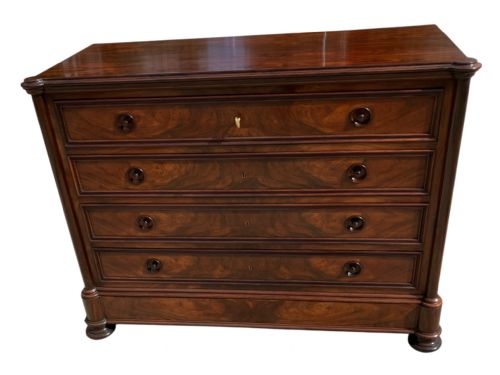
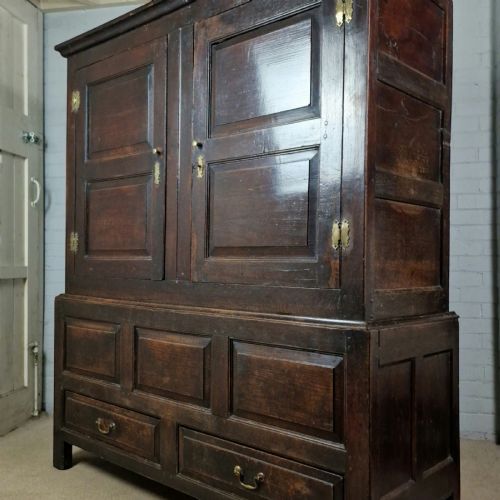
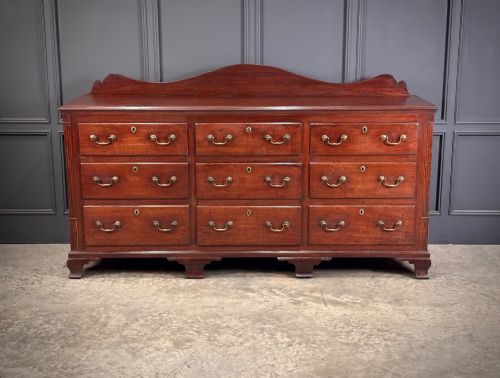
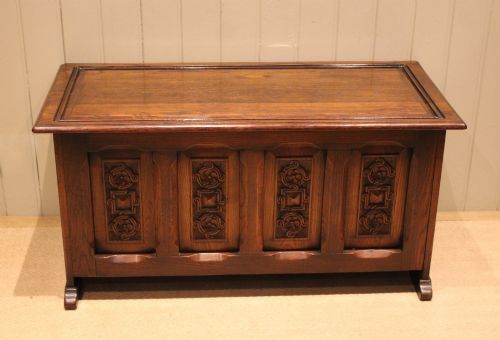
A vintage wood chest brings warmth and character to a room, offering practical storage through timeless forms shaped from mahogany, oak, and camphor.
Vintage Wood Chest
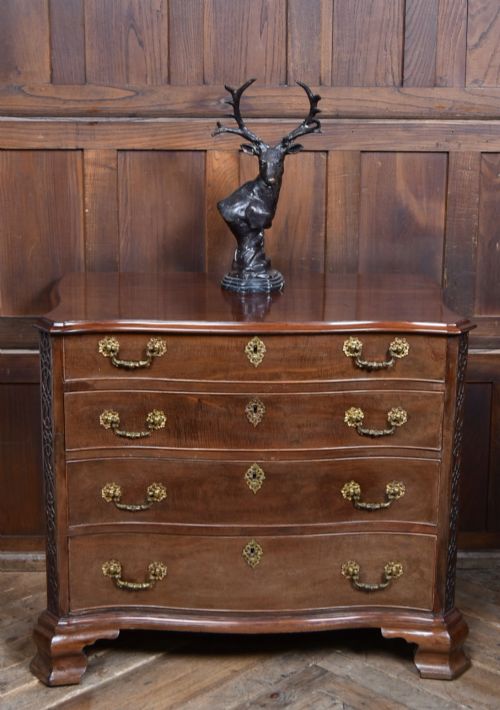
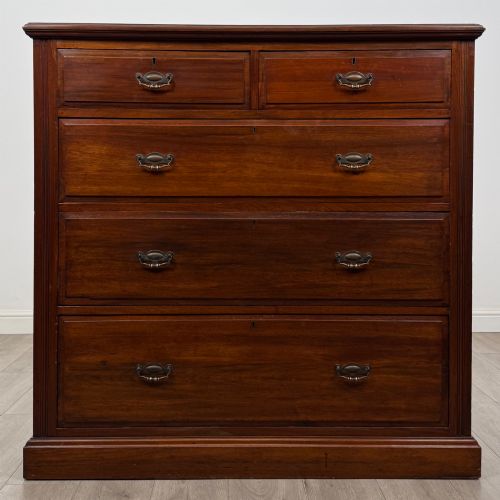
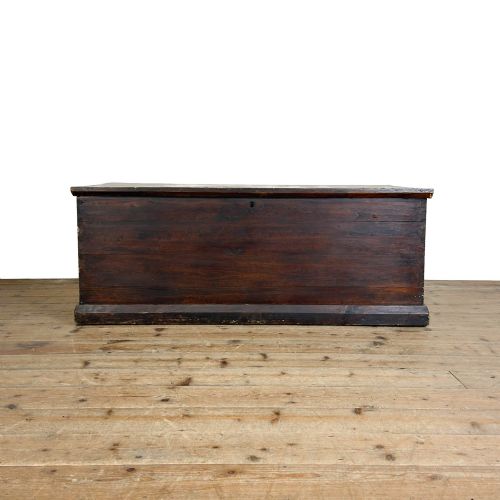
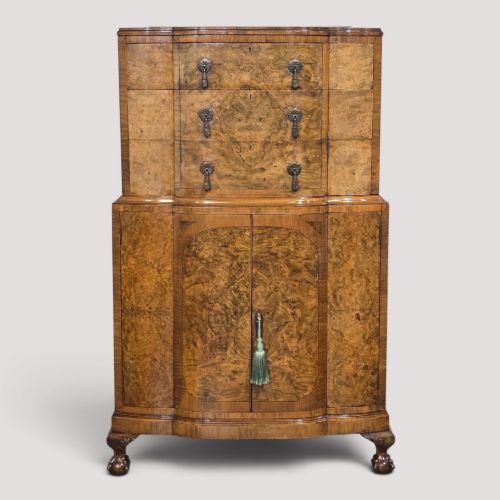
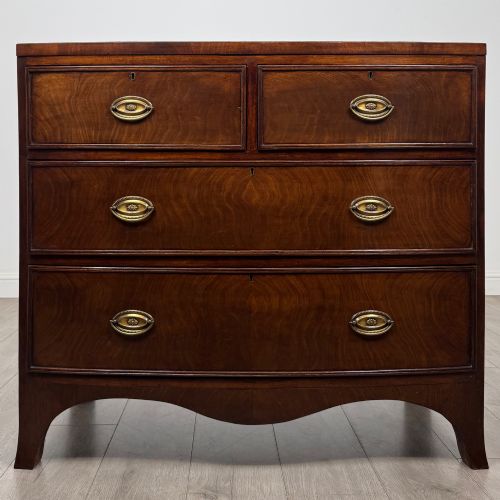
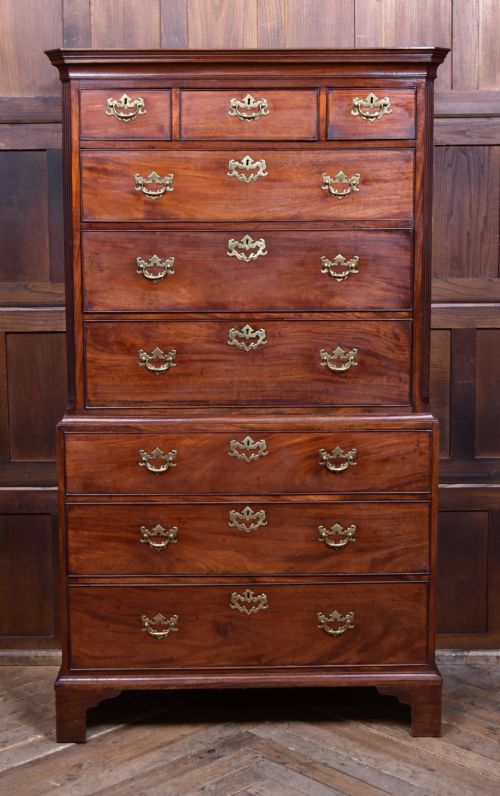
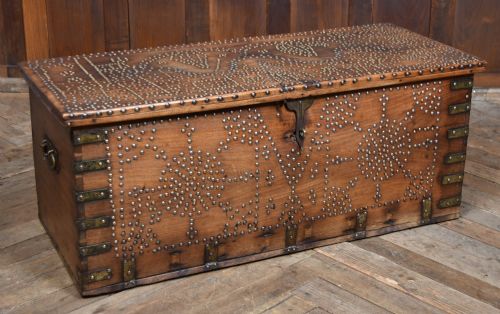
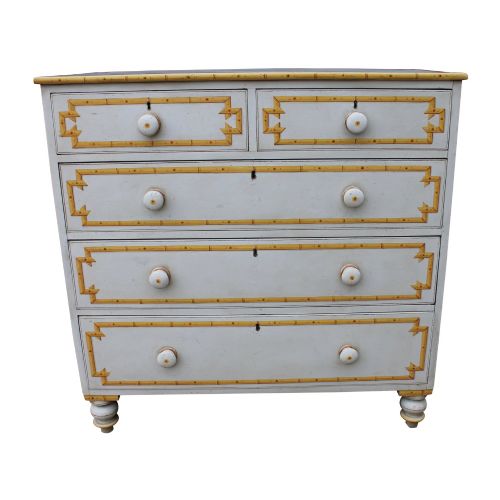
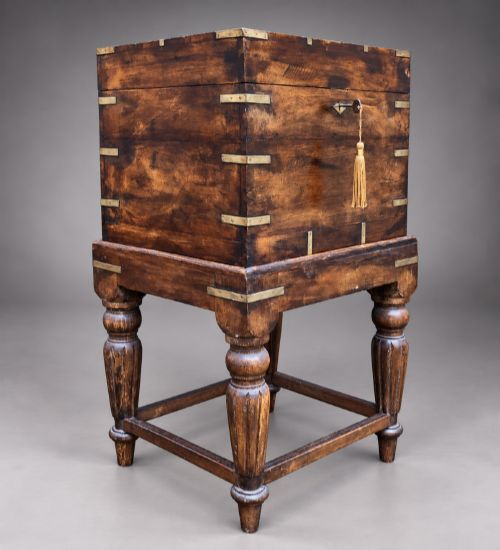
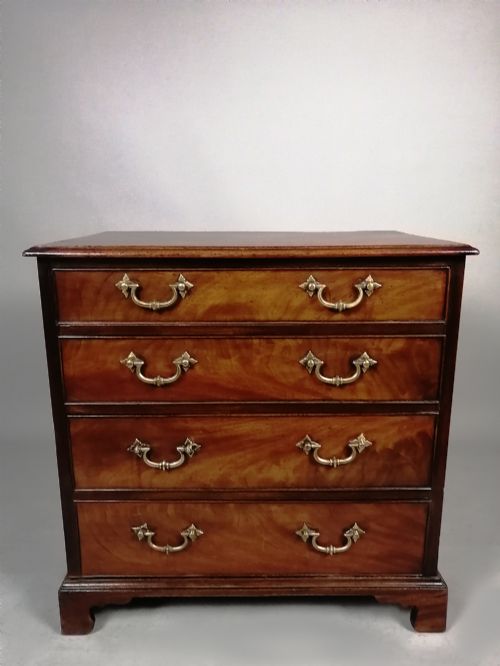
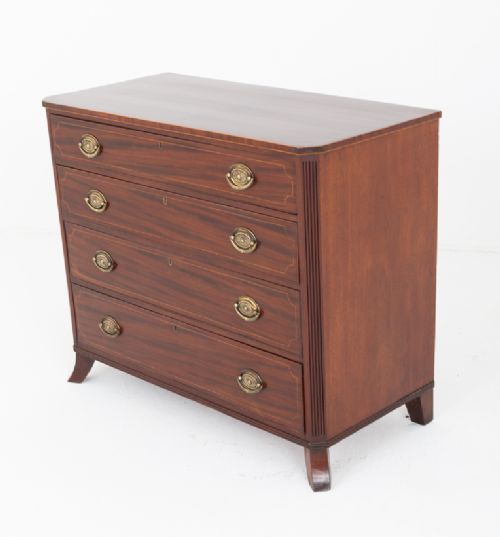
A vintage wood chest encompasses robust trunks, blanket boxes, and practical chests of drawers spanning several centuries of craftsmanship. Buyers seeking a vintage wood chest encounter diverse iterations ranging from campaign trunks bound in brass to elegant bow front chests and tallboys.
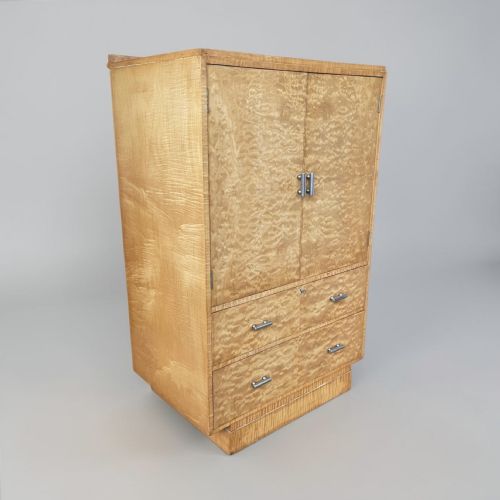
The assortment draws heavily on pieces originating from the Georgian, Victorian, and Edwardian eras, alongside later Art Deco and 1920s examples. Mahogany and oak dominate the offerings, joined by camphor wood, walnut, pine, and satinwood in various storage configurations.
Materials and construction
Cabinet makers relied on solid timbers such as mahogany, oak, elm, and walnut, frequently applying fine veneers like flame mahogany or burr walnut to visible surfaces. Structural integrity depended on traditional joinery methods, tongue and groove panels, and sturdy internal framing.
Metal fittings played a crucial role, particularly brass handles, escutcheons, and corner brackets found on campaign trunks and nineteenth-century chests. Polishing and waxing finished the wood, highlighting natural grain patterns and colour variations.
Camphor wood trunks retain a distinct aromatic scent from distant maritime journeys across the empire.
Evaluating distinction
Distinction rests on the selection of timber and the precision of the cabinet work, from plain utility pieces to highly figured grain layouts. The harmony of proportions, subtlety of crossbanding, and retention of original hardware elevate certain examples.
Construction details such as dovetailed drawer boxes and matching secondary timbers separate accomplished workshop production from standard commercial output. Surfaces that retain deep, warm patination reflect careful historical upkeep.
T G Seddon·Hille
The Vintage Wood Chest Glossary
- Bow front
- A convex curved cabinet or chest front that swells outward in the centre.
- Campaign chest
- A portable wooden chest built in sections with recessed brass handles, designed for military travel.
- Coffer
- A large wooden chest traditionally used for storing valuables, linens, or documents.
- Dovetail
- An interlocking joint formed by interlocking wedge-shaped fingers, essential for durable drawer construction.
- Wellington chest
- A tall, narrow chest of drawers secured by a hinged locking side stile fastened with a padlock.
Vintage Wood Chest: Frequently Asked Questions
How do I date a wooden chest?
Dating relies on examining construction methods, such as hand-cut dovetails versus machine-cut joints, alongside timber choices and hardware styles. Secondary woods inside drawers also offer clues to the period of manufacture.
Cabinet design trends, including proportions and decorative veneers like flame mahogany or satinwood inlay, help narrow down the decade or century a chest was built.
What is a campaign chest?
A campaign chest is a modular storage trunk constructed in two or more stacking sections, originally built for military officers on the move. They feature recessed brass corners and flush handles to prevent snagging during transport.
These pieces are typically made from sturdy timbers like camphor wood or mahogany to withstand travel conditions while maintaining a refined appearance.
Are camphor wood chests good for storage?
Camphor wood chests provide excellent storage, particularly for blankets and woollens, because the natural aromatic oil of the timber repels moths and insects. Their robust construction and brass bound edges were originally designed for maritime voyages.
These trunks bring a distinct fragrance and decorative utility to modern bedrooms or living spaces.
How do I care for a vintage wood chest?
Maintain the finish by dusting regularly with a soft, dry cloth and applying quality beeswax periodically to nourish the timber. Avoid placing wooden furniture near direct heat sources or in strong sunlight to prevent warping and fading.
Good ventilation around the piece preserves the stability of the wood and protects historic patination.