
Vintage Wood Cabinet
These vintage wood cabinet designs span centuries of storage craft, offering practical utility and period timber character for the home.
Vintage Wood Cabinet
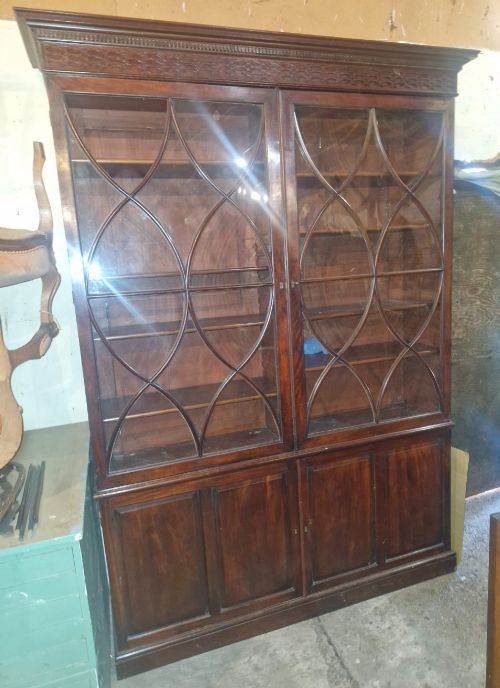
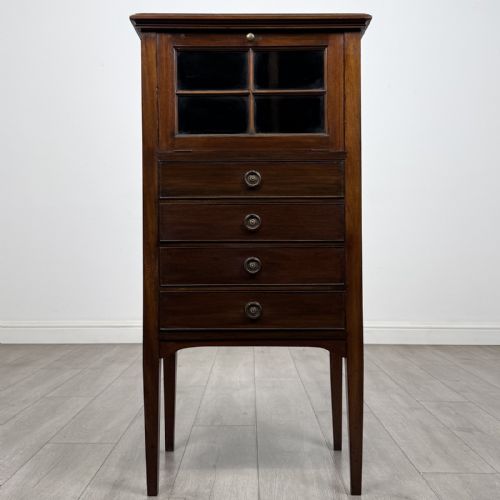
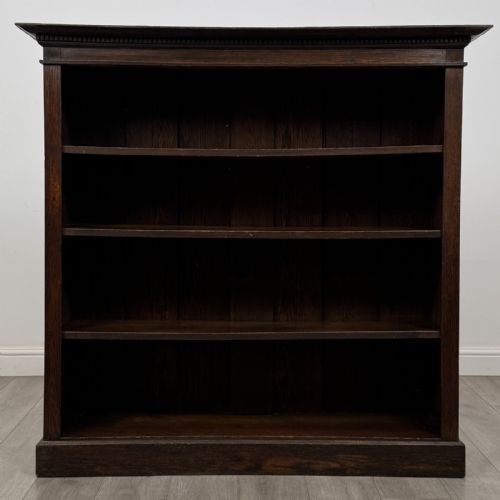
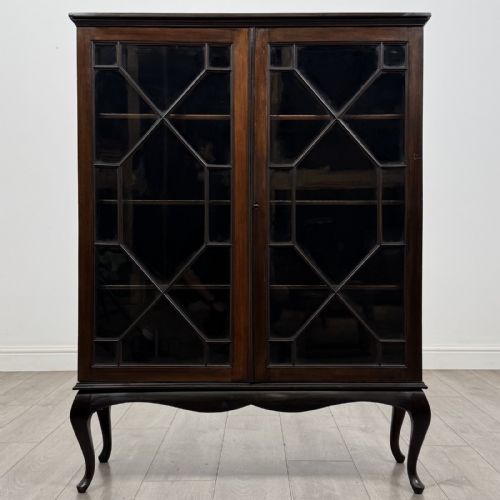
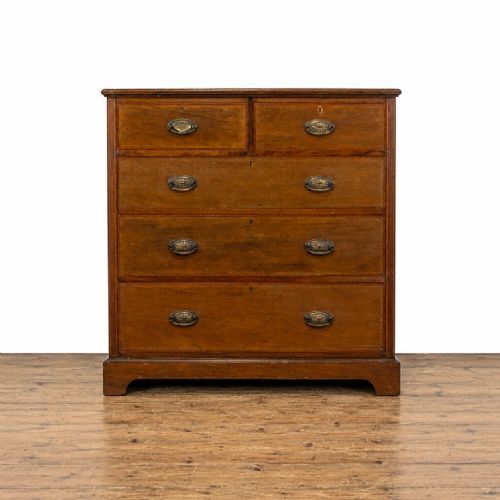
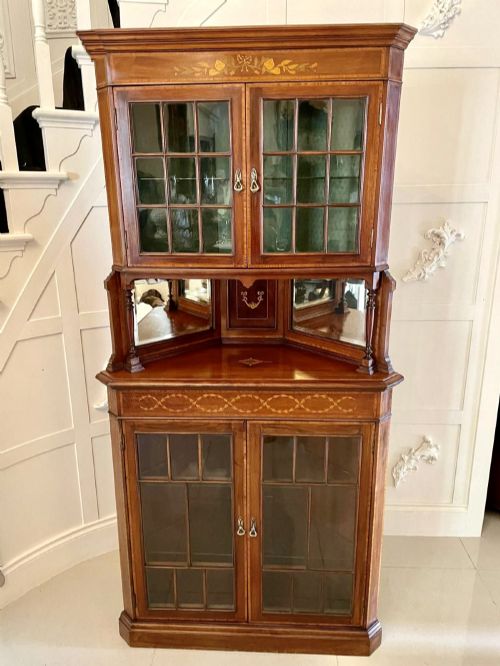
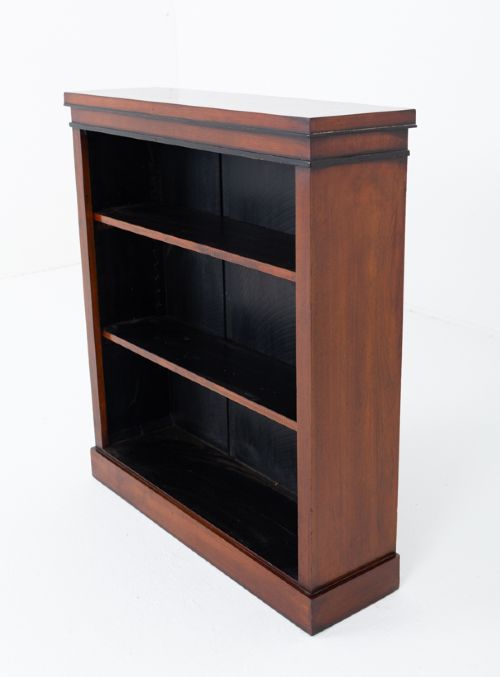
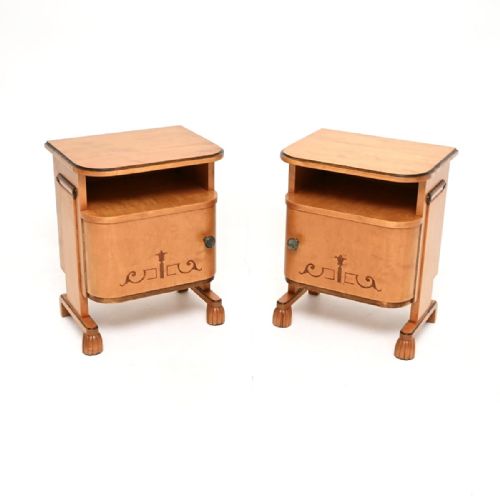
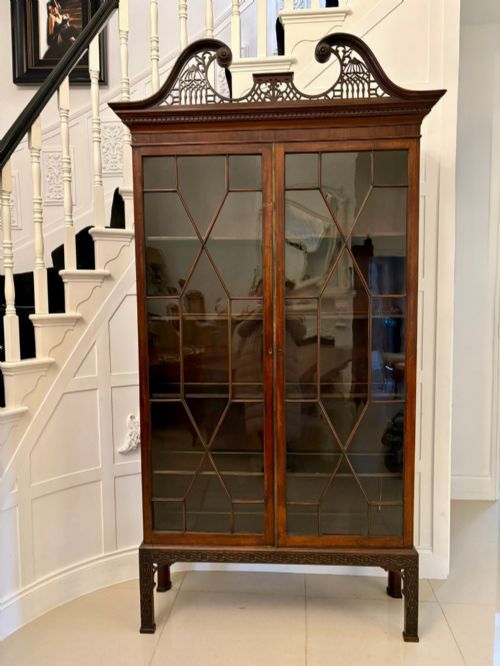
A vintage wood cabinet encompasses a diverse range of storage forms, including display cabinets, bookcases, chests of drawers, sideboards, and bedside tables. These pieces emerge from periods spanning the Georgian era through to the Edwardian years, the 1920s, and the Art Deco movement.
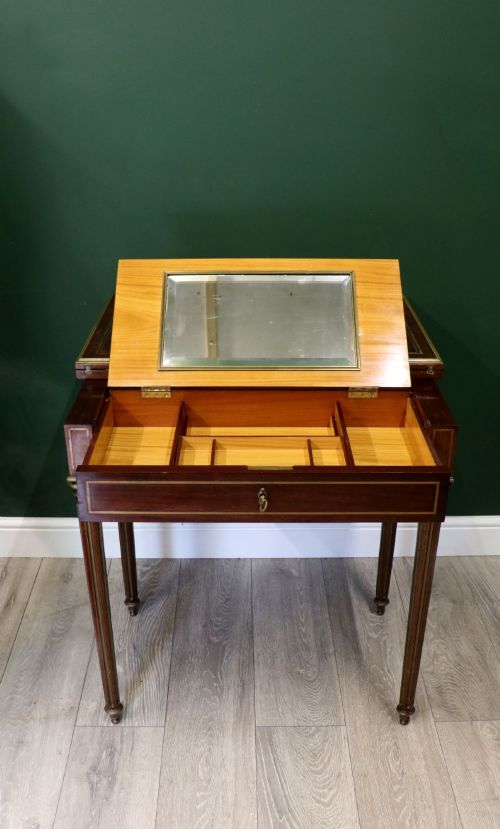
Buyers meet numerous mahogany and oak examples on this page, alongside walnut, pine, and amboyna pieces. Forms vary from glazed display units and bureau bookcases to fitted storage cabinets and French bedside tables.
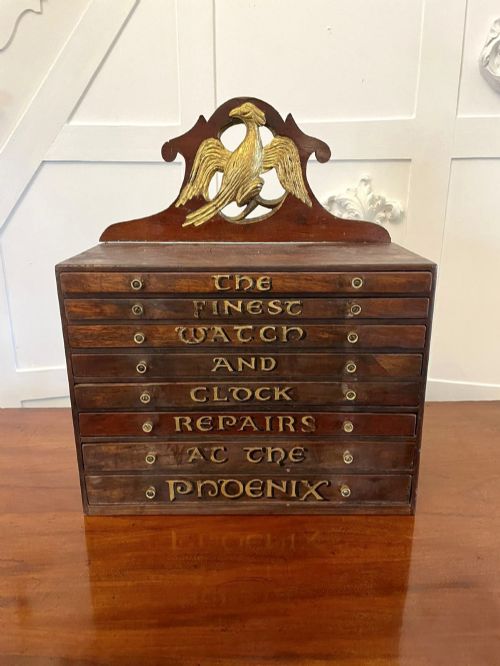
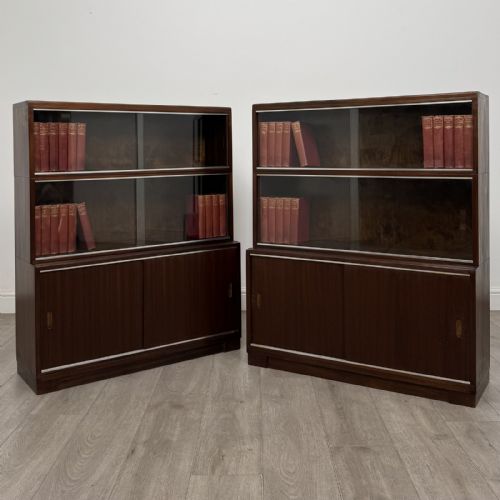
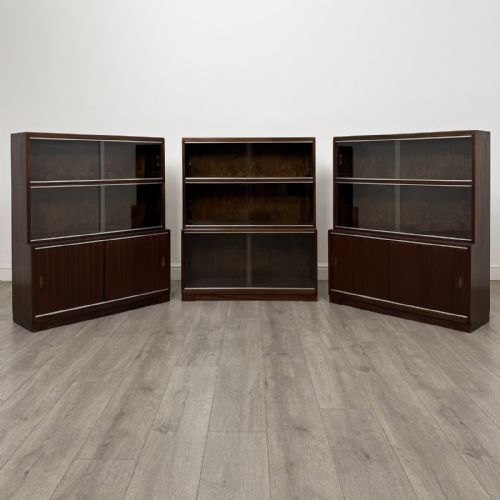
The selection includes specialised items such as music cabinets, purdoniums, stationers cupboards, and sectional bookcases by makers like Gunn Furniture and Macey. Each piece reflects the domestic and commercial storage needs of its respective period.
Materials and construction
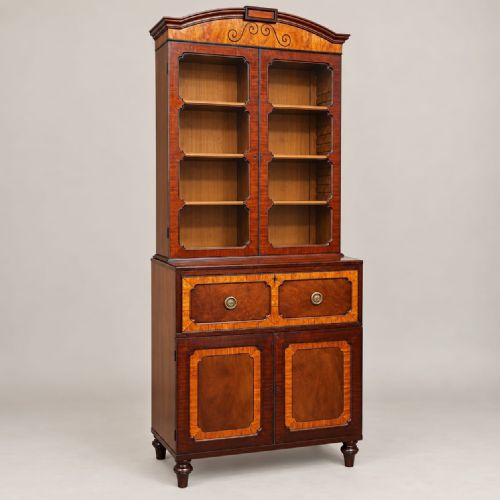
Makers utilised solid timbers and veneers such as mahogany, oak, walnut, and birds-eye maple, often embellished with marquetry inlay and satinwood details. Brass handles, glass doors, marble tops, and iron elements complete the hardware.
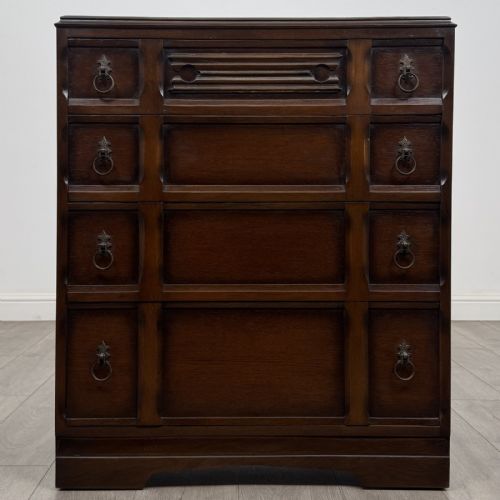
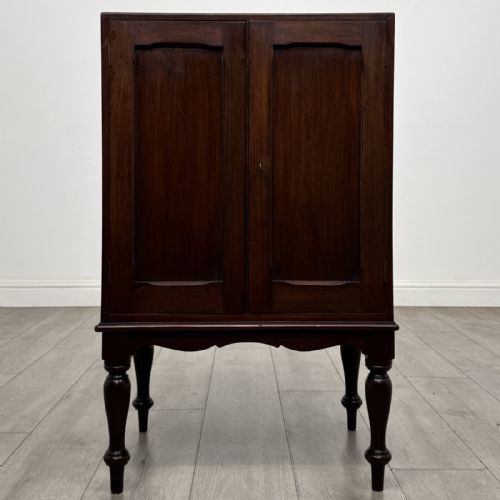
Construction techniques include panelled doors, turned legs, claw and ball feet, raised galleries, pull-out slides, and up-and-over doors. Interiors frequently feature fitted storage, pigeon holes, hidden compartments, and glass shelves.
Listings feature oak, mahogany, walnut, and pine pieces spanning the Georgian, Victorian, Edwardian, and Art Deco periods.
Factors of quality
Quality rests in the selection and handling of timber, from finely figured mahogany and burr walnut to carved oak panelling and crisp marquetry work. Superior examples exhibit harmonious proportions and refined decorative details like claw and ball feet or brass hardware.
Interior execution distinguishes standard utilitarian storage from finer pieces, evident in fitted pigeon holes, secretary sections, and specialised shelving. The integrity of original mechanisms, such as sliding glass or up-and-over doors, elevates a piece.
Gunn Furniture·Macey
The Vintage Wood Cabinet Glossary
- Marquetry
- Decorative veneer patterns formed by fitting together small pieces of wood, shell, or ivory. This technique frequently appears on table tops and cabinet doors.
- Purdonium
- A specialised household cabinet designed to hold coal near a fireplace. It often incorporates a tilted bin and a compartment for a coal shovel.
- Secretaire
- A desk or cabinet featuring a pull-out writing drawer or a drop-front flap that conceals small drawers and pigeon holes. It combines writing utility with enclosed storage.
- Sectional bookcase
- A modular bookcase built from stacked, interchangeable tiers with individual glazed or wooden doors. This design gained popularity in the early twentieth century.
- Bow front
- A convexly curved cabinet or chest front that swells outward. This profile requires skilled carpentry to shape the timber and drawers accurately.
Vintage Wood Cabinet: Frequently Asked Questions
What is a vintage wood cabinet used for?
These pieces serve multiple storage and display purposes throughout the home, from organising books and tableware to housing bedroom essentials. Specialised variants cater to sheet music, stationery, or bedside items.
Their enclosed shelves and drawers keep household belongings tidy while displaying decorative objects behind glass doors.
How do I identify a Georgian cabinet?
Georgian pieces display classical proportions, solid timber construction in mahogany or oak, and restrained decorative carving. Look for architectural cornices, bracket feet, and traditional brass pull handles.
Interior layouts often feature hand-cut dovetail joints on drawer construction and simple adjustable wooden shelving.
Are Edwardian cabinets different from Victorian ones?
Edwardian examples generally adopt lighter aesthetics, often featuring satinwood inlay, tapered legs, and revival styles inspired by Chippendale or Sheraton designs. Victorian pieces tend to be heavier, utilising dense mahogany or walnut with deeper carved detailing.
Display cabinets from the Edwardian period frequently incorporate glazed panels and claw and ball feet.
How do I care for antique wood furniture?
Maintain timber surfaces by dusting with a dry, soft cloth and avoiding placement near direct heat sources or strong sunlight. Apply natural wax polish sparingly to nourish the wood grain.
Protect marble tops and glass panels using appropriate gentle cleaners that will not harm surrounding wooden frames.