




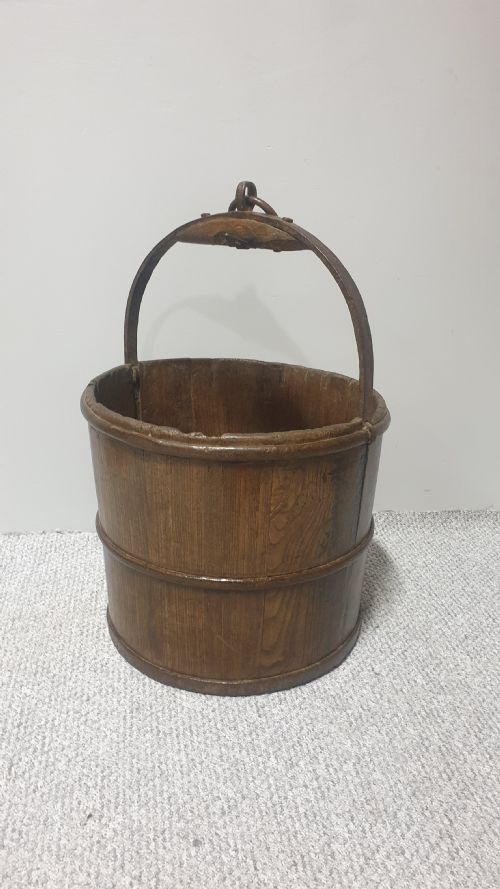

Vintage Wood Bin
These vintage wood bins bridge domestic utility and period craftsmanship, offering sturdy hearthside storage shaped by centuries of practical design.
Vintage Wood Bin
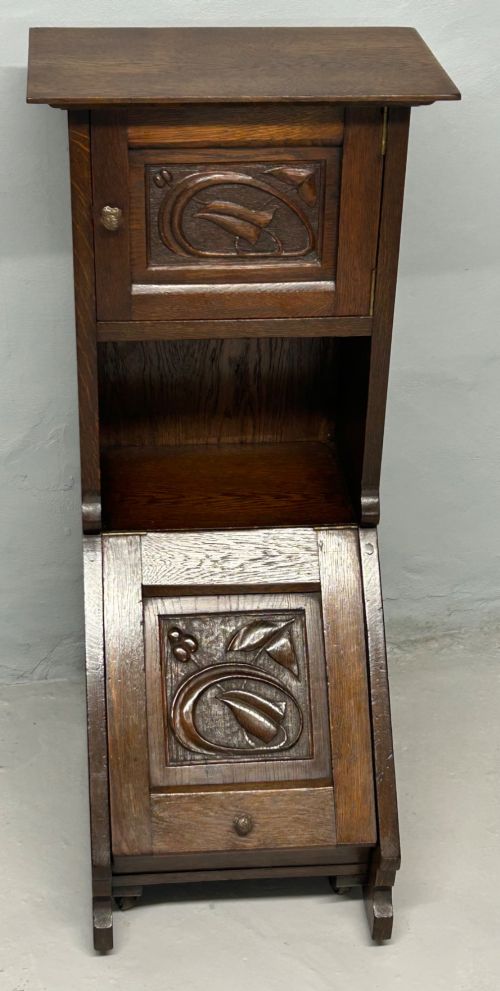
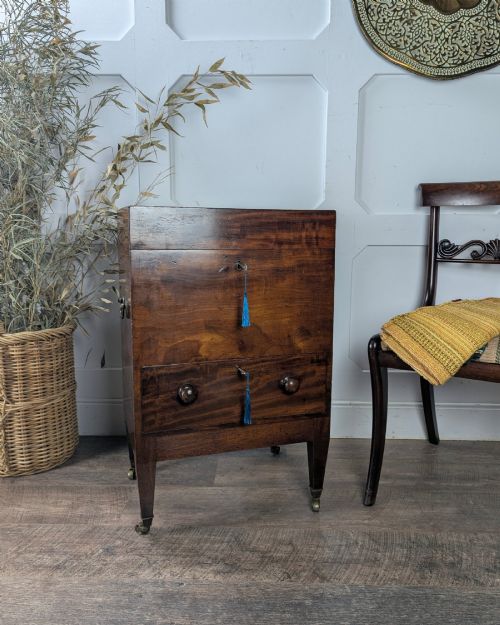
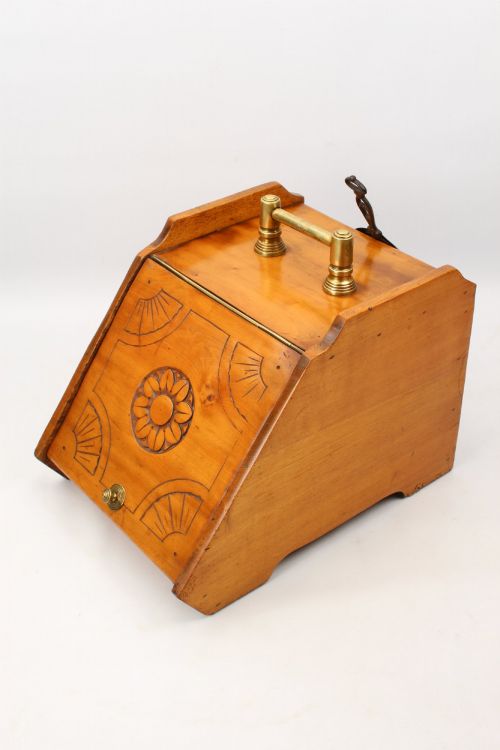
A vintage wood bin serves primarily as functional fireside storage for logs, coal, or peat, taking various forms from coopered buckets to elaborate purdonium cabinets. When exploring a vintage wood bin, buyers encounter diverse expressions spanning Georgian elegance through to Victorian and Edwardian domestic utilitarianism.
The objects take shape as oak chests, mahogany cellarettes, pine boxes, and brass-mounted containers designed to sit beside the hearth. Regional pieces, including Swedish pine examples and French country baskets, sit alongside traditional English coopered fire buckets.
Most pieces date from the nineteenth and early twentieth centuries, reflecting the heavy reliance on solid timber for daily fuel storage before central heating altered domestic routines.
Materials and construction methods
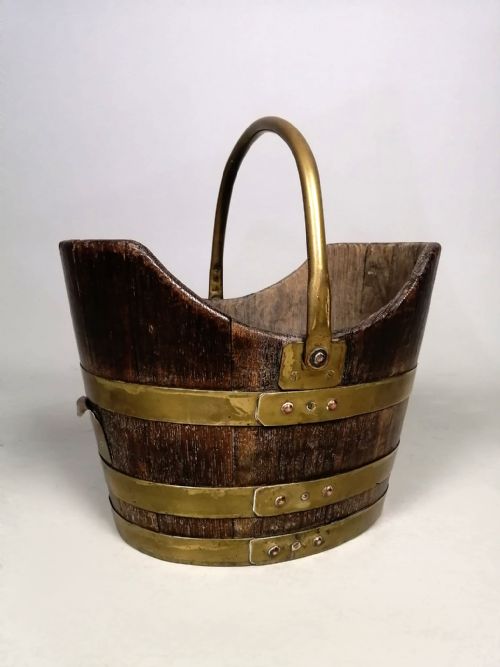
Makers relied on durable hardwoods like oak and mahogany alongside utilitarian softwoods such as pine, often reinforcing the wooden bodies with brass bands or iron straps. Coopered vessels utilised traditional stave-and-hoop techniques derived from barrel-making, ensuring the containers could withstand the heavy weight of dense logs or coal.
Joinery techniques range from simple pegged construction in rustic country pieces to dovetail joints and decorative carving in formal Edwardian and Victorian cabinets. Metal fittings, handles, and castors were secured with brass or iron fixings to aid mobility around the hearth.
Vintage Wood Bin Retail Price Guide 2026
Typical asking prices for vintage wood bin among the pieces listed under this phrase on Sellingantiques today, from the lower quarter to the upper quarter. They describe what is for sale here now, not the wider market.
French grape bins occasionally find a second life by the hearth, trading vineyard harvests for a quiet retirement holding logs.
Assessing quality and craftsmanship
Quality rests upon the integrity of the timber selection and the robustness of the structural joinery, particularly around stressed elements like handles, feet, and base panels. Superior examples display thoughtful detailing such as dovetailed corners, tight coopered staves, and well-fitted metal linings designed to catch ash and debris.
The distinction between a utilitarian workshop piece and a high-status drawing-room cabinet lies in the refinement of the secondary materials, such as heavy cast brass mounts, fine mahogany veneers, and restrained carved ornamentation.
The Vintage Wood Bin Glossary
- Purdonium
- A specialised coal cabinet featuring a hinged sloping front and an internal metal liner or shovel compartment. These Victorian and Edwardian items kept fuel neatly contained near the fireplace.
- Cellarette
- A lockable container originally designed for holding bottles of wine or spirits, often adapted from Georgian mahogany forms. Their sturdy timber construction allows them to serve effectively as log storage.
- Coopered
- A method of construction using curved wooden staves bound together with metal hoops, traditionally used for buckets and barrels. This technique provides exceptional strength for holding loose fuel.
- Canterbury
- A low multi-tiered stand partitioned for sheet music or books, occasionally repurposed or grouped alongside fireside storage. These pieces demonstrate fine nineteenth-century cabinetmaking.
- Scuttle
- A metal or wood vessel equipped with a swinging handle for carrying coal to the grate. Many vintage versions combine a wooden body with a removable metal interior.
Vintage Wood Bin: Frequently Asked Questions
What distinguishes a purdonium from a log box?
A purdonium is typically an enclosed cabinet featuring a sloping front door and a removable metal scoop liner designed specifically for coal. In contrast, a log box is an open-topped chest or bucket meant for stacking larger pieces of firewood.
While both serve the hearth, their internal mechanics and exterior styling reflect different fuel requirements.
How were these bins originally used?
These containers sat beside domestic fireplaces to store coal, peat, or logs close at hand for daily refuelling. They kept hearth areas tidy while protecting flooring from bark and coal dust.
Servants would replenish them from larger cellar stores before the household woke.
Can these bins hold modern firewood?
Most antique wood bins easily accommodate standard logs, provided the interior dimensions suit the scale of the fireplace. Owners should verify the condition of any internal metal liners before loading heavy timber.
Their sturdy construction makes them practical for daily contemporary use.
How do I date a wooden fireside bin?
Dating relies on identifying the prevailing style, secondary wood choices, and construction methods such as machine-sawn versus hand-planed timbers. Georgian pieces tend to feature formal mahogany, while Victorian and Edwardian examples show greater variety in oak, pine, and brass mounts.
Hardware styles like castors and hinges also provide clear chronological markers.