

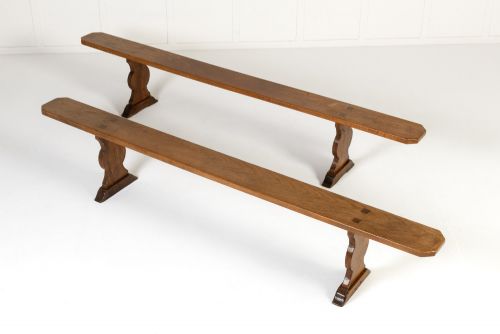


Vintage Walnut Dining Furniture
These vintage walnut dining furniture pieces span periods from the eighteenth century to the art deco era, bringing substantial timbers and rich grain to the dining room.
Vintage Walnut Dining Furniture
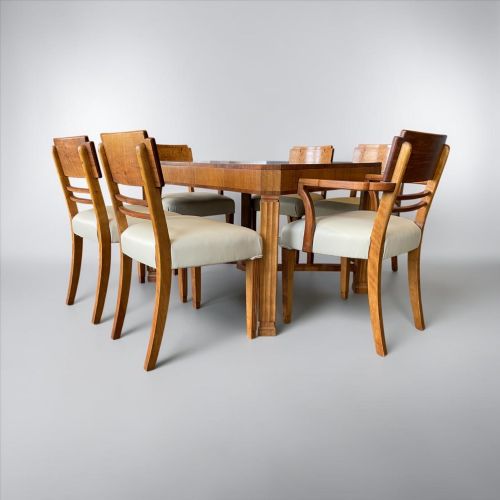
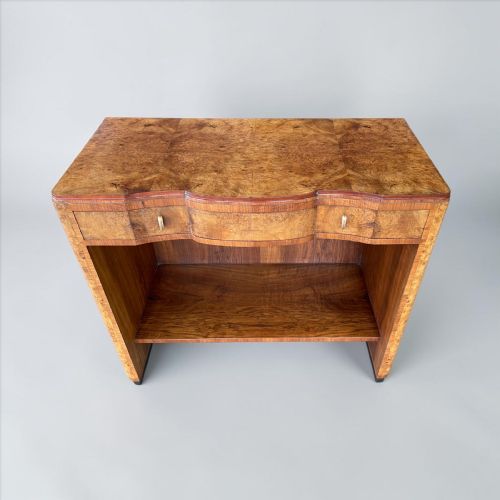
Vintage walnut dining furniture encompasses large dining suites, extending tables, sideboards, buffets, and sets of chairs designed for hosting meals. These items emerge from diverse periods including the Victorian era, the Edwardian period, and the nineteen-thirties.
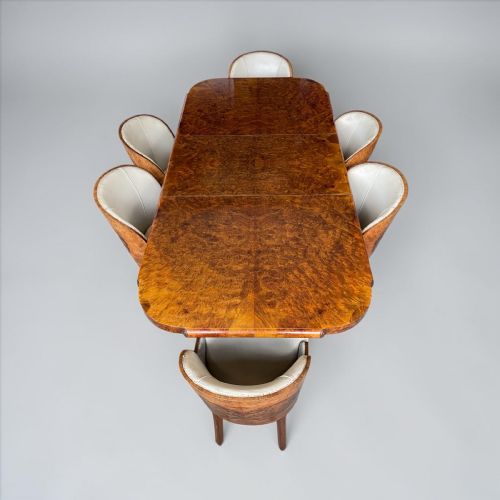
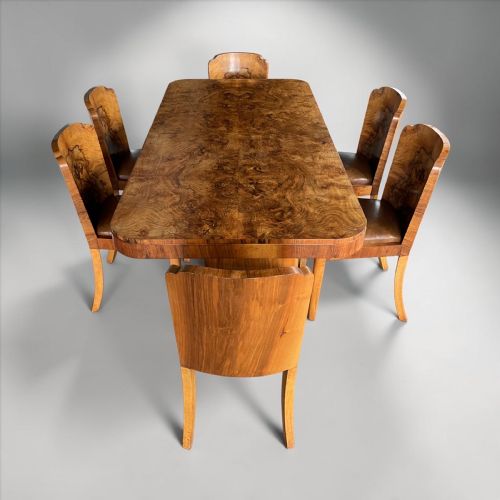
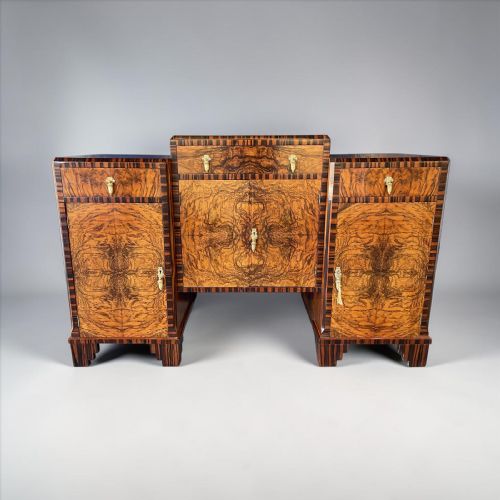
Buyers seeking vintage walnut dining furniture will frequently encounter art deco dining sets and sideboards alongside queen anne revival tables and chairs. Solid timber items sit alongside veneered and burr walnut constructions.
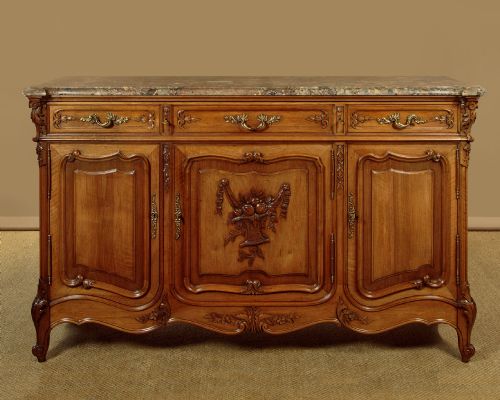
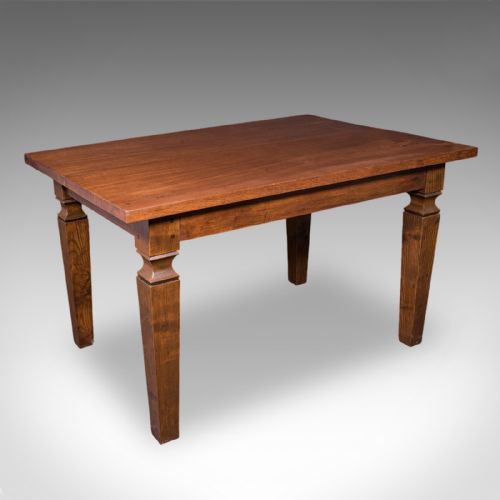
Dining tables and matching chair sets dominate the offerings, often accompanied by serving tables, cocktail cabinets, and credenzas. Pieces originate from English, French, Italian, and Spanish workshops across multiple centuries.
Materials and Craftsmanship
Craftsmen utilised solid walnut, hardwood, and decorative walnut veneer to build these dining pieces, frequently selecting burr walnut for highly figured surfaces. Supplementary materials such as marble, brass, leather, and fabric appear on tabletops, handles, and seating upholstery.
Construction techniques combine traditional timber framing with specialised veneering methods to display the distinctive grain patterns of the wood. Carved bases and inlaid details reflect the stylistic preferences of periods ranging from eighteenth-century Spanish production to twentieth-century art deco design.
Vintage Walnut Dining Furniture Retail Price Guide 2026
Typical asking prices for vintage walnut dining furniture among the pieces listed under this phrase on Sellingantiques today, from the lower quarter to the upper quarter. They describe what is for sale here now, not the wider market.
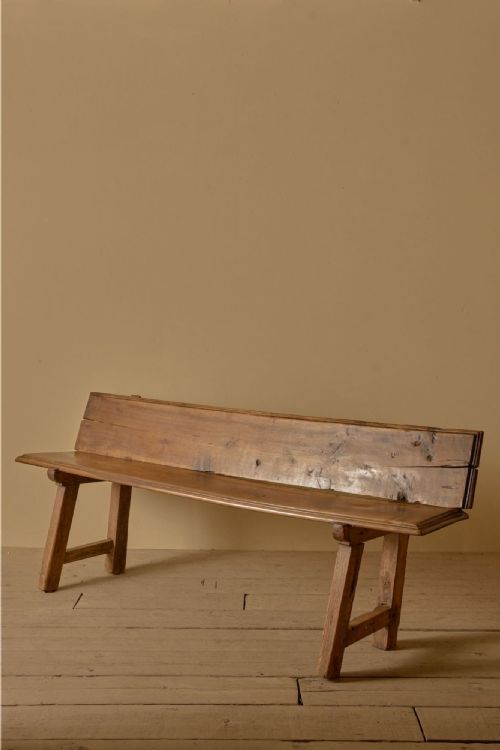
Object types range from dining sets and extending tables to sideboards, buffets, cocktail cabinets, hall benches, and individual side chairs.
Markers of Quality
Quality in vintage walnut dining furniture rests upon the selection of timber and the complexity of the veneer work, particularly in how grain patterns align across large surfaces like sideboard doors and tabletops. Pieces featuring burr walnut show superior decorative ambition compared to plain timber items.
The integrity of the construction, from carved wooden bases to the joinery of dining chairs and extending tables, separates standard production from exceptional cabinet-making. Recognised makers and workshops apply distinctive standards of finish that elevate the standing of a dining suite.
Maurice Adams·Harry and Lou Epstein·Hamptons of Pall Mall London·Whytock and Reid of Edinburgh·Hille London
The Vintage Walnut Dining Furniture Glossary
- Burr walnut
- A prized wood figuring obtained from the growth growths on walnut trees, yielding intricate swirling patterns. Cabinet-makers apply burr walnut veneers to focal points such as sideboard doors and tabletops.
- Sideboard
- A long serving piece equipped with cupboards and drawers, utilised for storing dining china and linens. These items range from Victorian credenzas to art deco serving tables.
- Queen Anne style
- A design aesthetic characterised by cabriole legs, pad feet, and curved chair backs originating in the eighteenth century and revived later. Surviving sets often feature walnut frames.
- Veneer
- A thin layer of superior walnut timber applied over a secondary hardwood base to create patterned surfaces without excessive weight. This technique allows symmetrical grain matching across cabinet fronts.
- Extending table
- A dining table designed with internal leaves or pull-out mechanisms to lengthen the surface for larger gatherings. These mechanisms appear across Victorian, Edwardian, and later twentieth-century examples.
Vintage Walnut Dining Furniture: Frequently Asked Questions
What periods do these pieces date from?
These dining pieces span multiple centuries, ranging from eighteenth-century Spanish and Italian workshops to Victorian, Edwardian, and nineteen-thirties productions.
Twentieth-century examples heavily feature art deco aesthetics, while earlier items display queen anne revival styling or regional country designs.
How do I identify burr walnut?
Burr walnut exhibits dense, swirling grain patterns created by knotty growths on the tree rather than straight annual rings. It is typically utilised as a decorative veneer on prominent surfaces like sideboard doors and tabletops.
Plain walnut timber shows more uniform linear graining by comparison, lacking the mottled eyes characteristic of burr figures.
Are dining sets complete with chairs?
Many listings offer paired dining tables and matching chairs, often in sets seating six individuals, though some groups accommodate up to eight or fourteen diners.
Sideboards, serving tables, and cocktail cabinets are frequently available alongside these suites as complementary dining room storage.
What materials accompany the walnut timber?
Beyond walnut solids and veneers, these items incorporate materials such as brass for handles and hardware, and marble inset into French sideboard tops.
Seating elements and benches frequently feature upholstered fabric or leather pads set upon hardwood frames.