

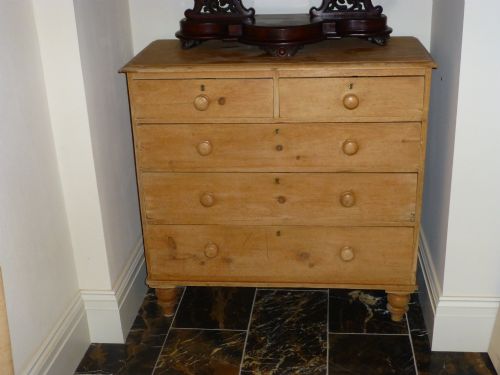
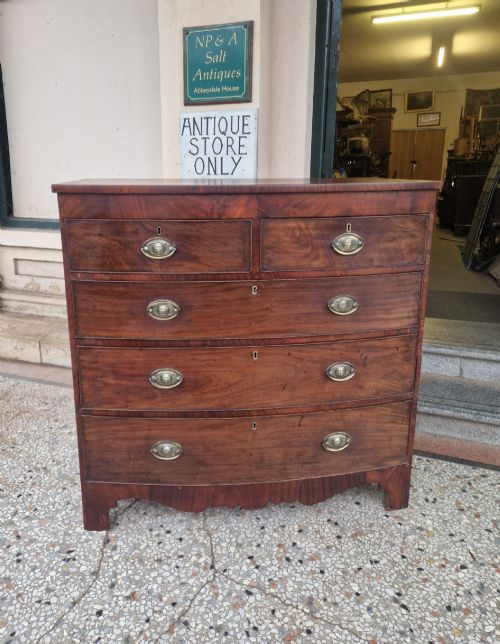
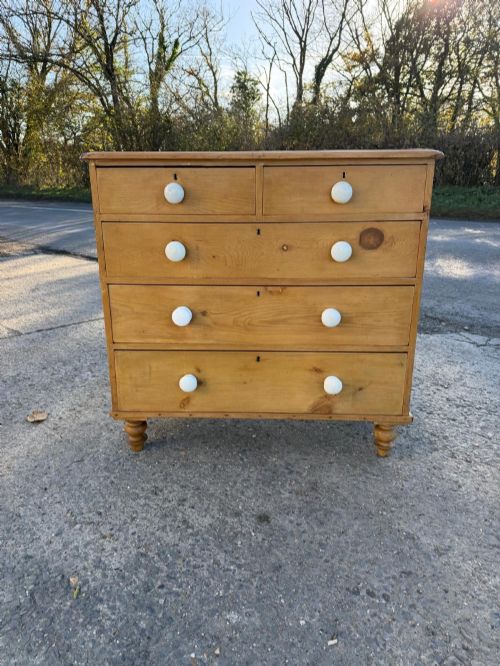
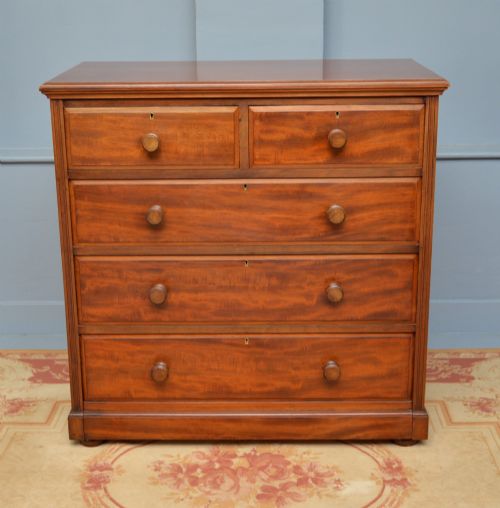
Vintage Two Over Three Chest
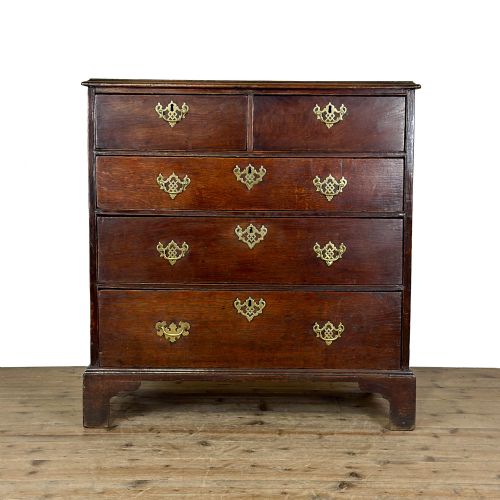
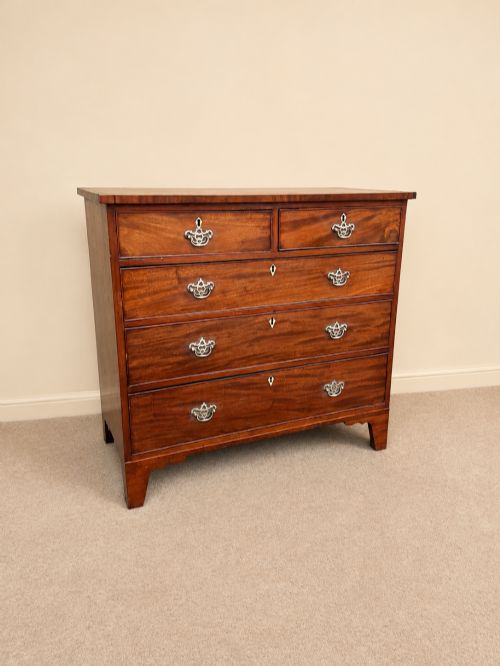
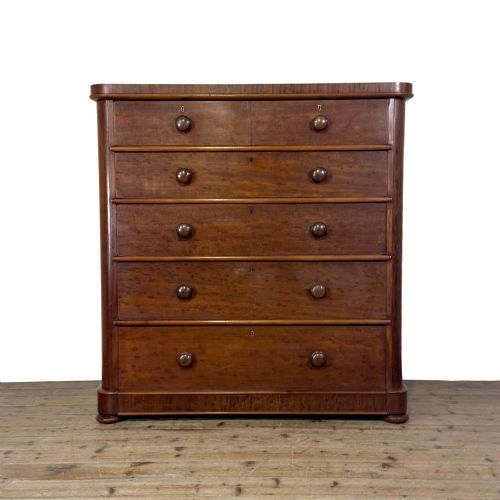
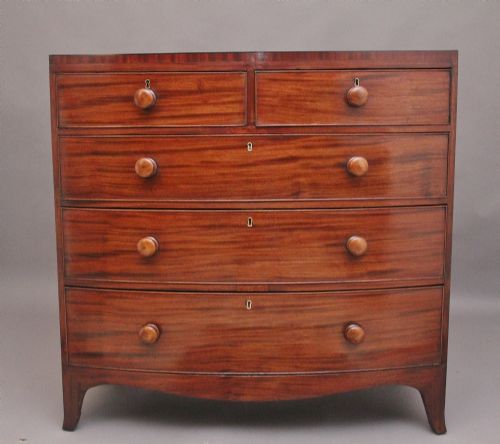
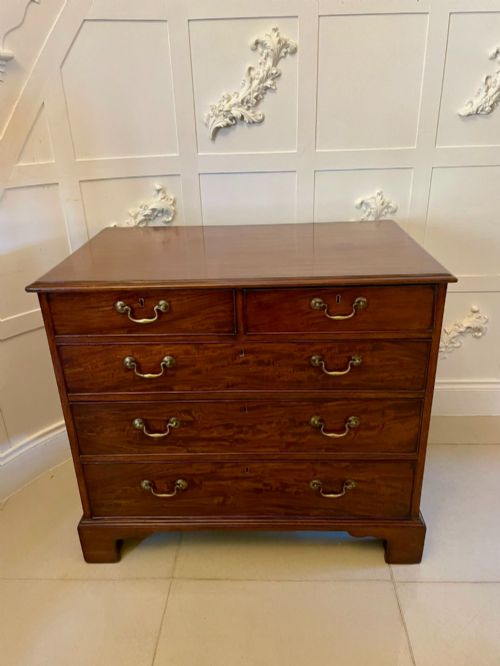
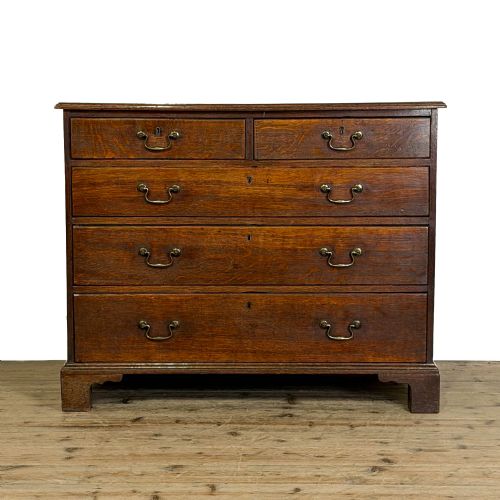
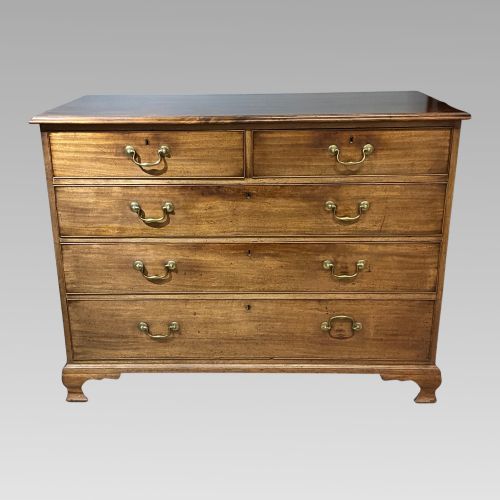
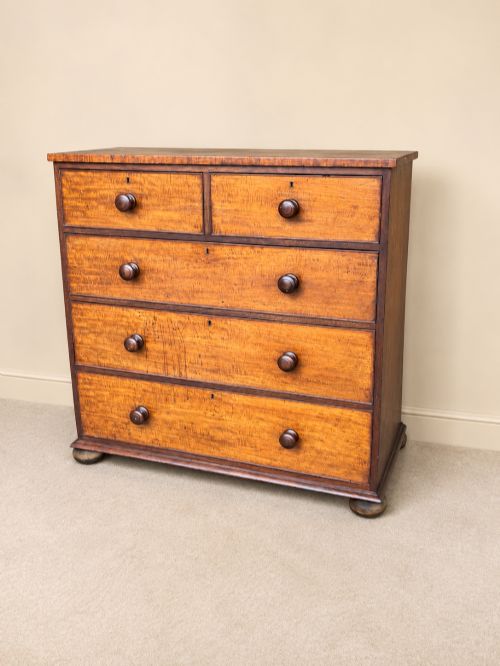
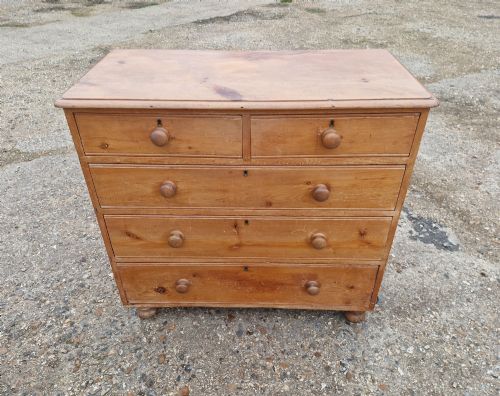
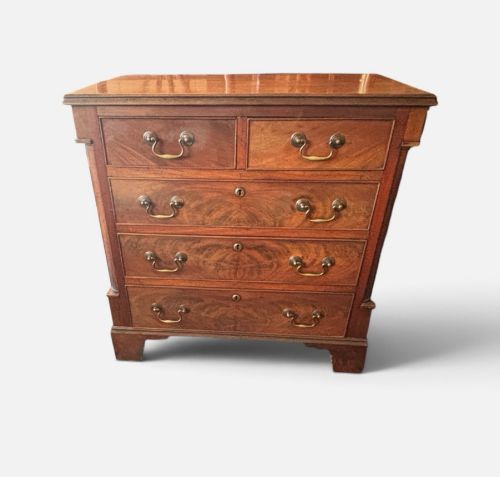
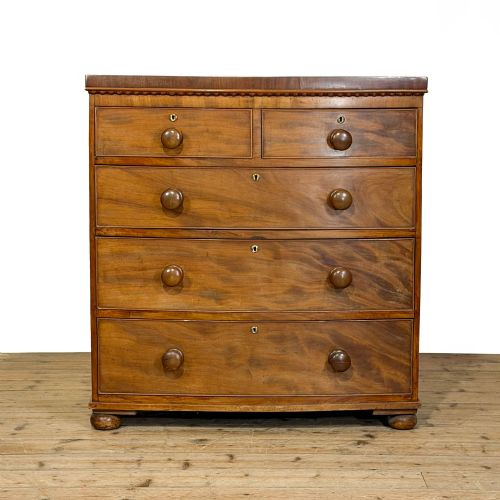
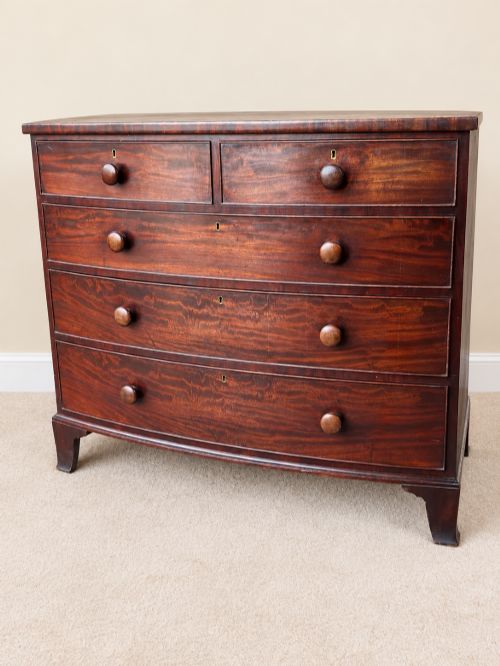
A vintage two over three chest offers practical bedroom storage through two small upper drawers above three larger graduated drawers.
Vintage Two Over Three Chest
A vintage two over three chest provides traditional bedroom storage through a specific drawer configuration of two smaller drawers positioned above three wider ones. This layout appears across pieces from the Georgian, Victorian, and Edwardian periods.
The pieces listed here span multiple eras including the nineteenth century and the early twentieth century, showing both formal cabinetmaking and country workshop traditions. Mahogany and pine are the most frequent materials found on this page.
Buyers will encounter variations ranging from bow front designs and flame mahogany veneers to painted pine surfaces with original graining. Each example displays the proportions typical of its specific decade of manufacture.
Materials and construction methods
Cabinetmakers utilised timbers such as mahogany, oak, walnut, pine, and ash to build the carcase and drawer structures. Flame mahogany veneer and floral inlay details were applied to finer surfaces for visual depth.
Metal hardware such as brass cup handles and brass acorn handles were fitted to drawers alongside decorative bracket feet and raised galleries. Painted finishes, including modern paint finishes and original graining, also appear on pine pieces.
Vintage Two Over Three Chest Retail Price Guide 2026
Typical asking prices for vintage two over three chest among the pieces listed under this phrase on Sellingantiques today, from the lower quarter to the upper quarter. They describe what is for sale here now, not the wider market.
Listings feature mahogany, pine, oak, walnut, and ash across Victorian, Georgian, Edwardian, and Regency periods.
What separates the standard of pieces
The choice of primary timber and decorative veneer dictates much of the distinction between standard examples and finer works. Solid mahogany and figured flame mahogany represent a higher level of cabinetmaking than utility pine.
Detailing such as refined inlay work, original brass hardware, and well-executed bracket feet separate simpler regional pieces from sophisticated urban outputs. The preservation of original surface treatments, whether polish or early paint, alters the character of the piece.
The Vintage Two Over Three Chest Glossary
- Two over three
- A drawer arrangement featuring two smaller drawers side by side above three full-width graduated drawers. This layout balances smaller accessories with bulkier garments.
- Bow front
- A convex curved front contour popular on late Georgian and Victorian case furniture. This shape softens the profile of a room.
- Flame mahogany veneer
- A sliced timber veneer showing a distinctive flickering flame pattern derived from the branch junctions of the tree. Cabinetmakers utilised this to create striking symmetrical patterns on drawer fronts.
- Bracket foot
- A structural and decorative foot shape supporting the base corners of a chest. It lifts the carcase slightly off the floor.
- Raised gallery
- A low wooden upstand positioned along the top rear edge of a chest. It prevents items placed on the surface from sliding off the back.
Vintage Two Over Three Chest: Frequently Asked Questions
What is a two over three chest?
A two over three chest is a drawer unit featuring two smaller drawers at the top placed over three wider graduated drawers below.
This specific layout provides versatile storage for smaller items alongside larger garments.
How do I date a wooden chest?
Dating a chest involves examining the timber species, construction methods, hardware styles, and overall proportions.
Georgian pieces often display simpler internal framing and bracket feet, while Victorian examples frequently utilise heavier mahogany or pine with turned wooden or brass handles.
Where were these chests used?
These chests served primarily as bedroom storage furniture for clothing and personal belongings.
They also found placement in hallways and dressing rooms across Georgian, Victorian, and Edwardian homes.
How do I care for antique wood?
Antique wood requires stable indoor humidity levels away from direct heat sources and strong sunlight.
Regular dusting with a dry cloth and occasional application of traditional wax helps maintain the finish.