




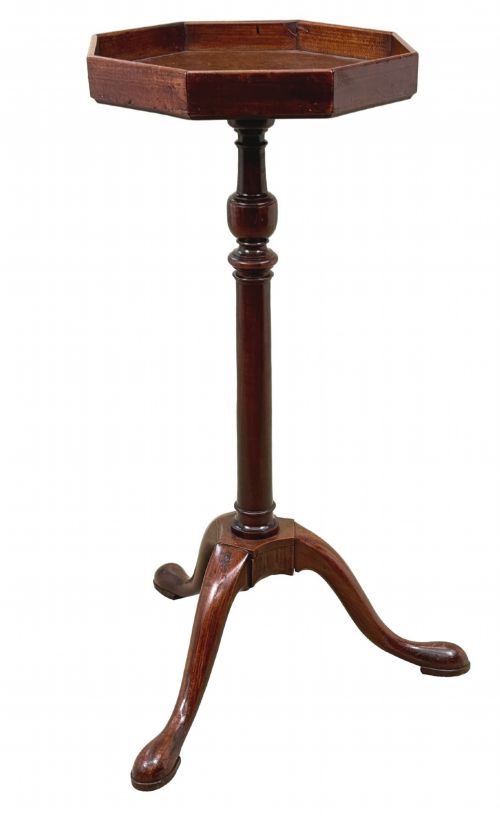


Vintage Torchere Table
A vintage torchere table holds plants, lamps or candles, bringing height and proportion to dark corners.
Vintage Torchere Table
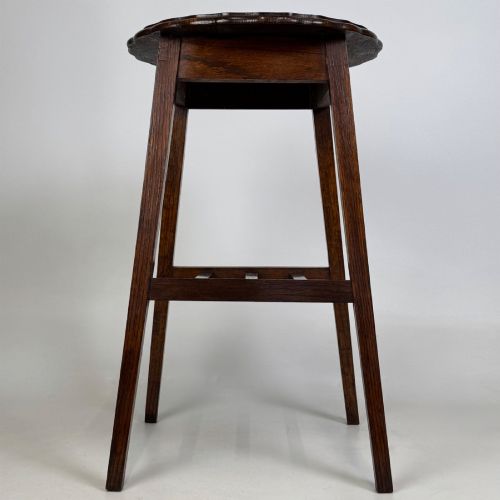
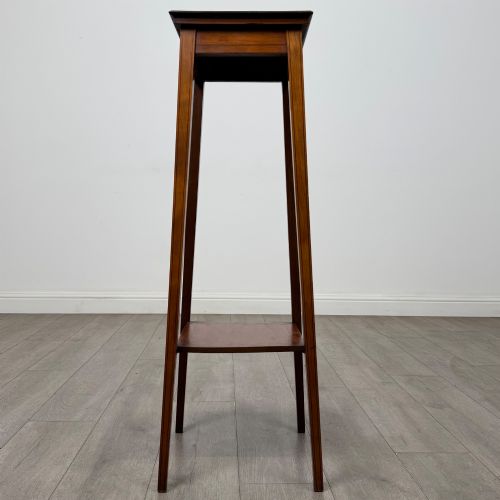
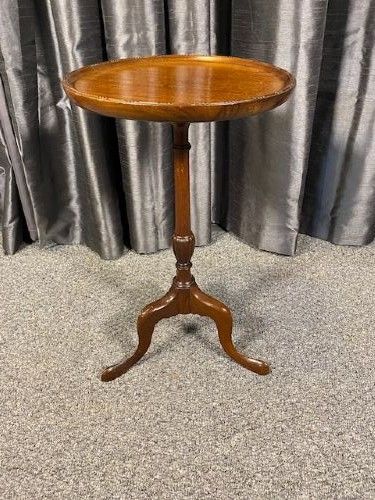
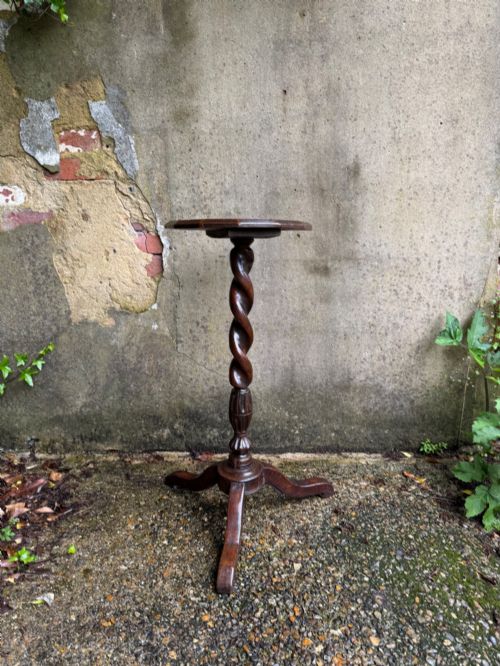
A vintage torchere table combines the tall, slender profile of a candle stand with the practical surface of an occasional table. When searching for a vintage torchere table, buyers encounter forms ranging from 18th-century Georgian mahogany candle stands to Edwardian satinwood plant stands and later Art Deco designs. These pieces function primarily as elevated platforms for display rather than heavy dining furniture.
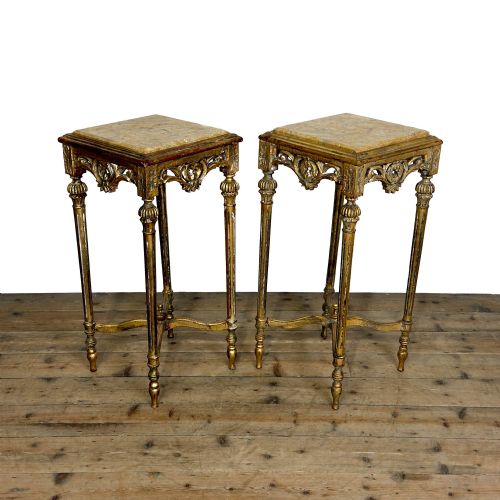
The selection on this page demonstrates considerable variety in origin and form, including French giltwood, walnut, and oak examples. Object types span plant stands, jardiniere stands, and table lamps alongside traditional torcheres. Most items serve to showcase decorative objects, trailing plants, or lighting within a room.
Materials and construction methods
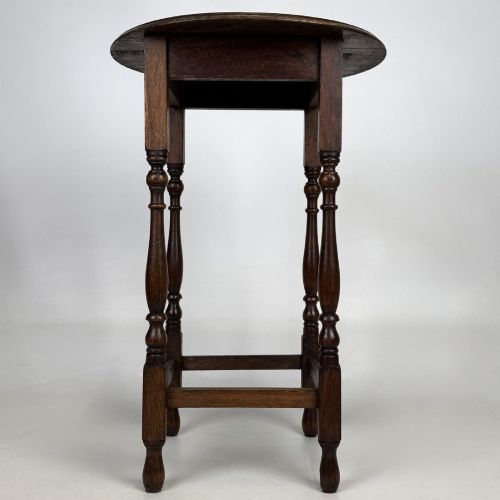
Construction relies heavily on timbers such as mahogany, oak, walnut, and satinwood, frequently enhanced by decorative veneers and inlay work. Master cabinetmakers turned slender columns and carved supports to bear elevated tops without bulk.
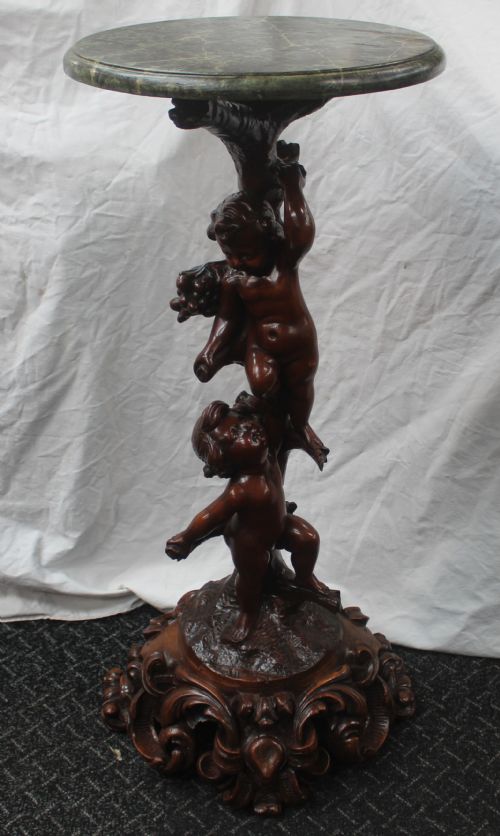
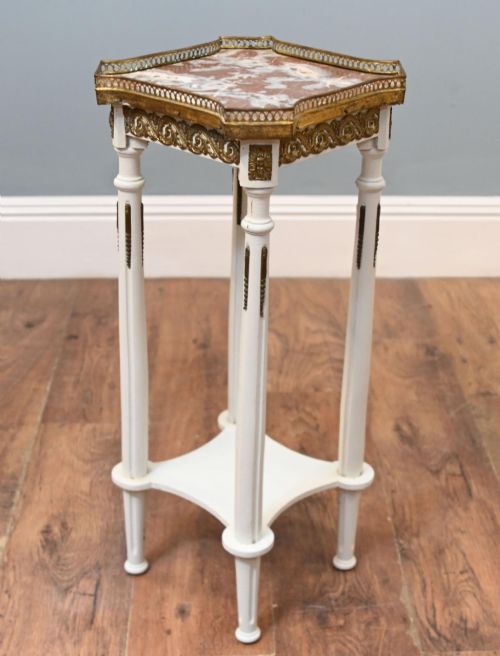
In addition to timber, these pieces incorporate marble tops, brass mounts, and giltwood finishes. Some variations feature painted surfaces, carved wood details, or spelter elements, particularly in French and later styles.
Vintage Torchere Table Retail Price Guide 2026
Typical asking prices for vintage torchere table among the pieces listed under this phrase on Sellingantiques today, from the lower quarter to the upper quarter. They describe what is for sale here now, not the wider market.
Listings feature woods spanning mahogany, oak, walnut, satinwood, and burr elm, paired with marble and brass.
Assessing quality in tall stands
Quality rests in the stability of the central shaft and the precision of the joinery connecting the top to the base. Slender stands require tight joints and balanced proportions to prevent wobbling when supporting a lamp or planter.
Surface finish and material selection define the upper tier of pieces. Finer examples display carefully chosen burr veneers, crisp carving, or subtle inlay, whereas utilitarian pieces rely on straightforward timber construction.
Shoolbred·Rolls Royce
The Vintage Torchere Table Glossary
- Torchere
- A tall stand designed to support a candle, lamp, or decorative object. The form originated to hold lighting before electric illumination became standard.
- Jardiniere
- A decorative pot or stand for plants and flowers. These stands often feature waterproof inserts or marble tops to protect the wood from moisture.
- Satinwood
- A pale, lustrous timber native to India and the West Indies. Cabinetmakers utilised it for fine stringing and contrasting inlay on Georgian and Edwardian tables.
- Giltwood
- Wood that has been coated with thin gold leaf or gilt powder. This finish appears frequently on decorative French occasional tables and pedestals.
Vintage Torchere Table: Frequently Asked Questions
What is a torchere table used for?
A torchere table elevates lamps, plants, and decorative items to draw the eye upward in a room. They occupy minimal floor space while adding vertical interest to corners and empty wall spaces.
Historically designed for lighting, modern interiors utilise them to display trailing foliage or sculptural table lamps.
How do I spot an 18th-century candle stand?
Eighteenth-century candle stands typically feature dense mahogany or burr oak with hand-turned pillars and tripod legs. The joinery employs pegged tenons and traditional cabinetmaking methods.
Older surfaces show natural patination and wear consistent with age rather than uniform machine finishing.
Can these tables support heavy plants?
Most stands handle moderate weights such as table lamps or small potted plants quite comfortably. Slender proportions mean heavier planters require careful balancing.
Marble-topped versions offer durable surfaces resistant to water rings from plant pots.
Where should I place a torchere in a room?
These pieces suit dark corners, hallways, or flanking larger furniture items where a narrow profile fits best. Their height brings light sources or greenery to eye level.
Avoid high-traffic walkways where narrow legs might be easily knocked.