
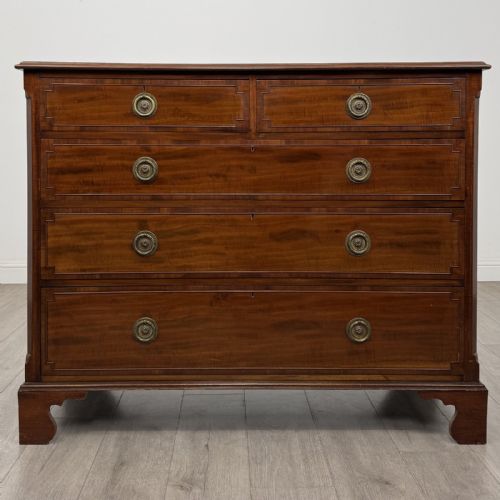
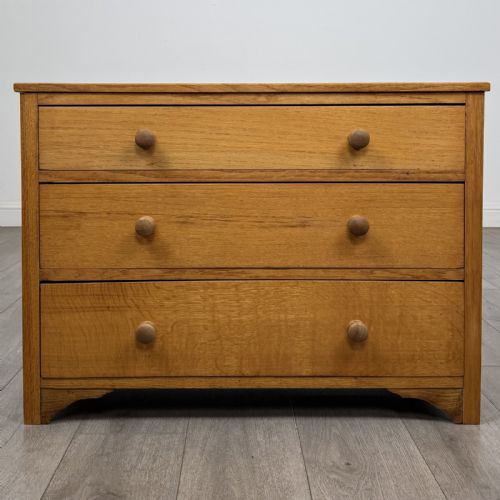
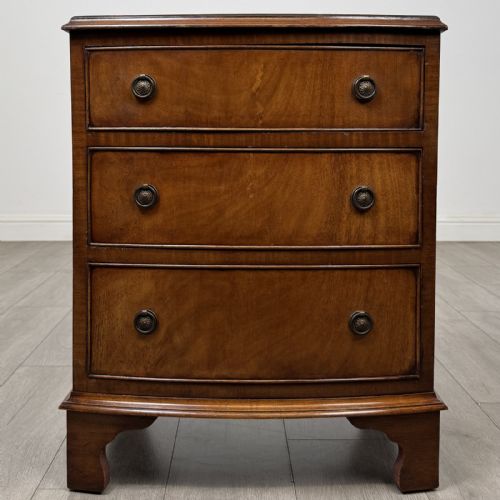
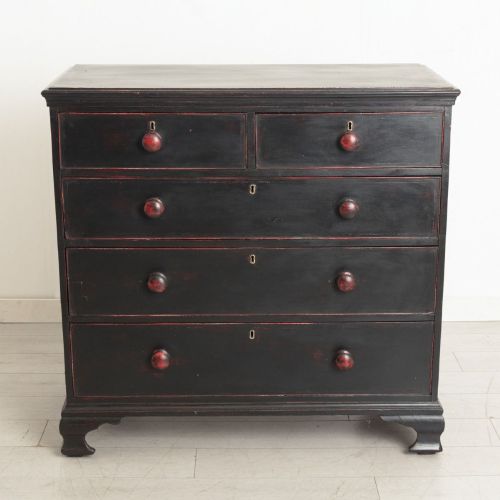
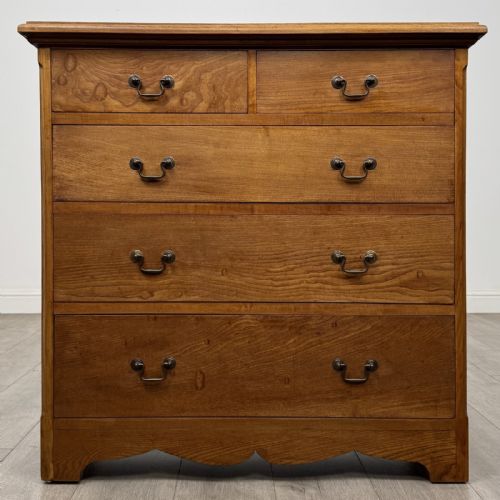
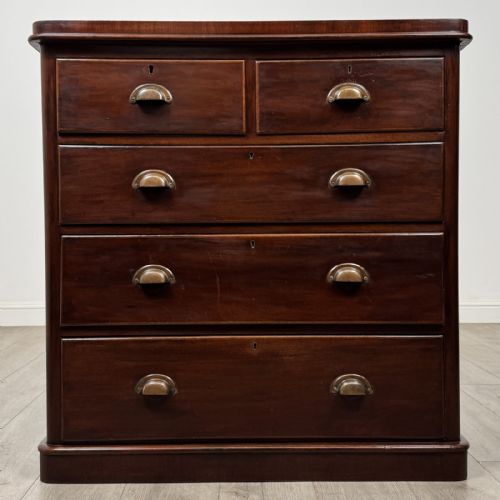
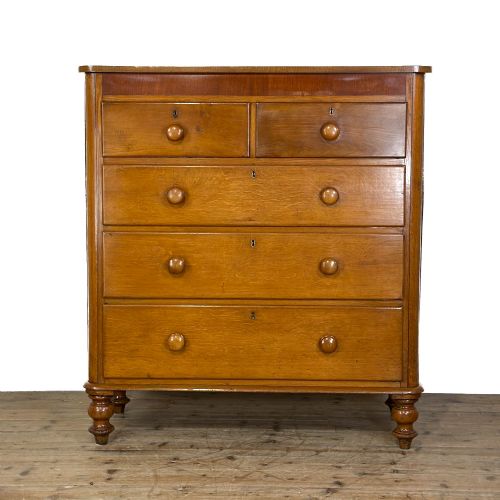
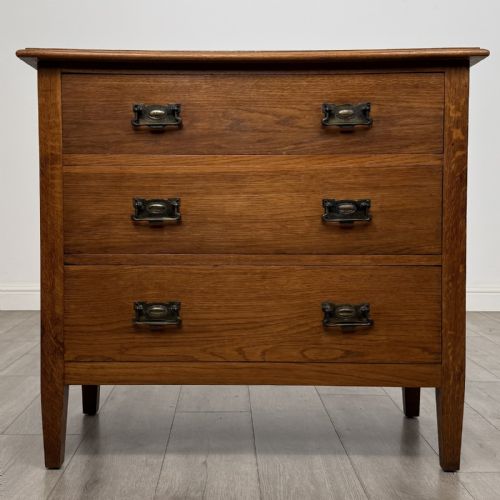
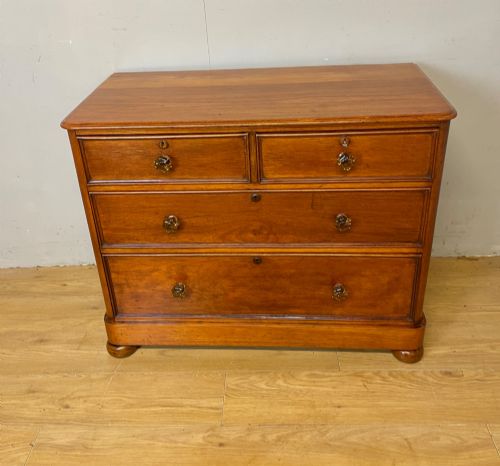
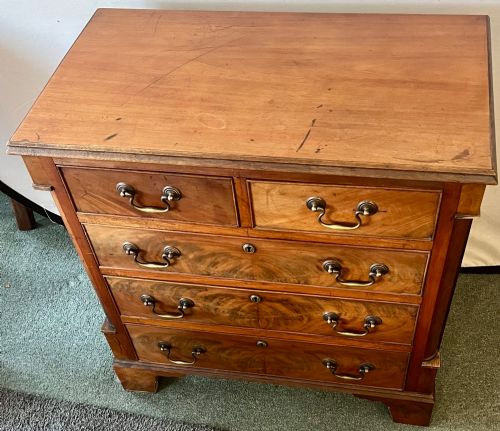
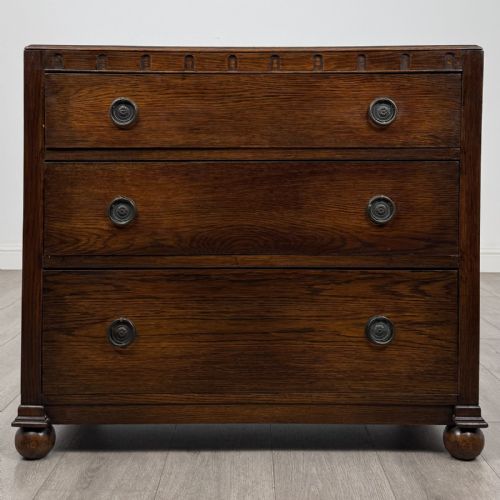
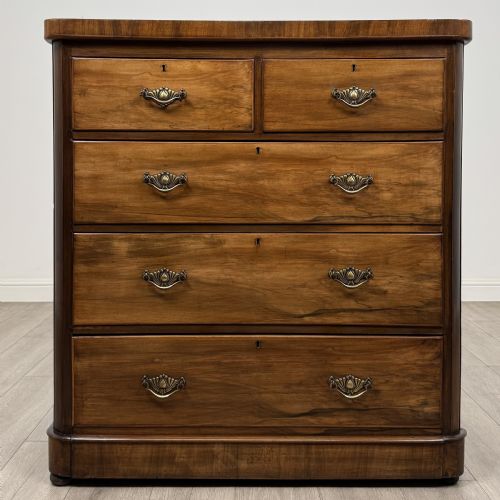
Vintage Three Drawer Chest
A vintage three drawer chest provides compact bedside storage or hallway utility, uniting period timber with practical room proportions.
Vintage Three Drawer Chest
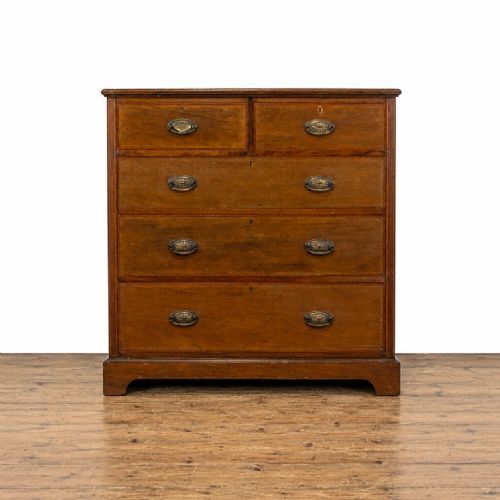
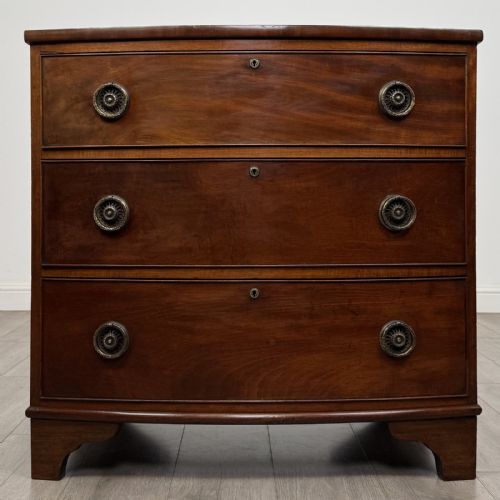
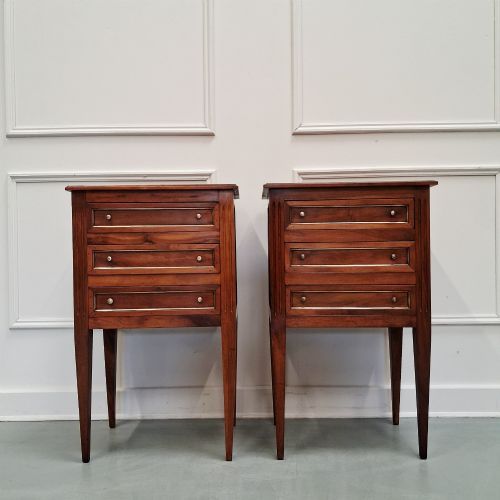
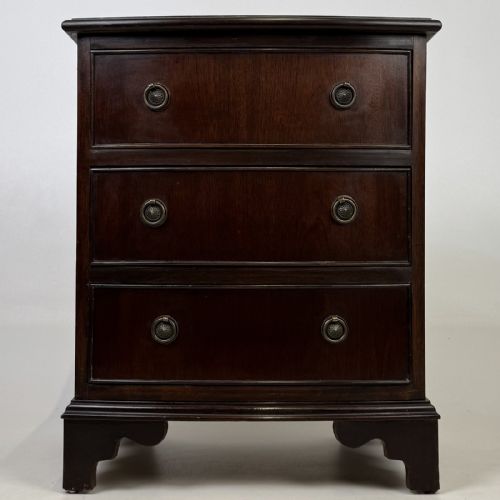
A vintage three drawer chest functions as a low storage unit designed for bedrooms and smaller living spaces. Buyers encounter pieces spanning the Georgian, Victorian, Edwardian, and Regency periods, alongside later twentieth-century examples.
The form appears in several distinct timbers and regional styles, ranging from English country pine to formal mahogany and walnut designs. Many items present standard horizontal drawer configurations, while others utilise bow fronts or serpentine shapes.
Makers constructed these storage pieces to hold clothing and domestic items within domestic chambers. The selection on this page demonstrates both simple utilitarian pine builds and finely finished veneered surfaces.
Materials and Construction
Cabinet makers utilised solid timbers including mahogany, oak, pine, and walnut, often applying flame mahogany veneer to primary display surfaces. Workshops combined these woods with brass handles, escutcheons, and occasional marble tops on continental commodes.
Construction methods relied on traditional joinery for drawer boxes and carcases, ensuring stability across centuries of domestic use. Carpenters shaped timbers into straight, bow front, or serpentine profiles depending on the regional style and period fashion.
Listings feature items built from solid oak, mahogany, pine, and walnut, alongside decorative flame mahogany veneer.
Evaluating Quality and Finish
Quality rests in the selection of timber grain, the crispness of the joinery, and the preservation of original brass hardware. Pieces featuring figured flame mahogany veneer or well-executed inlay display greater refinement than standard utility items.
Surface finish impacts the visual hierarchy, with untouched waxed or polished patinas holding more character than heavily restored exteriors. The integrity of the internal drawer construction and smooth running action distinguish superior cabinet work.
T G Seddon
The Vintage Three Drawer Chest Glossary
- Bow front
- A cabinet front that curves outward in a convex shape. This profile gained popularity during the Georgian and Regency periods to soften room angles.
- Serpentine
- A furniture front characterised by a wavy line with a convex centre flanked by concave ends. It demands advanced woodworking skill to execute properly.
- Commode
- A low chest of drawers or cabinet originating in French furniture design. These pieces frequently feature marble tops and decorative veneer work.
- Flame mahogany
- Timber cut from the fork of the mahogany tree to produce a distinctive flickering flame pattern. Cabinet makers reserved this veneer for principal drawer fronts.
- Escutcheon
- A protective plate surrounding a keyhole. These elements are commonly cast in brass and match the drawer pulls.
Vintage Three Drawer Chest: Frequently Asked Questions
How do I style a three drawer chest in a bedroom?
Place the unit beside a bed to serve as a low bedside table or position it beneath a mirror for surface display. The compact height allows for lamps, books, and decorative objects without overwhelming the wall space.
Ensure the timber tone complements existing furniture in the room. Mixing pine or mahogany pieces adds visual depth to an interior scheme.
What is the difference between Georgian and Victorian chests?
Georgian pieces often display restrained proportions, elegant bracket feet, and choice mahogany or oak timbers. Victorian examples tend to be heavier in scale, utilising dense mahogany or pine with turned wooden knobs.
Examine the drawer construction and hardware style to determine the period. Earlier pieces rely on hand-cut dovetails, whereas late nineteenth-century items show machine assistance.
Can I use a antique chest in a hallway?
A compact three drawer chest fits narrow hallways effectively, providing concealed storage for letters, keys, and daily accessories. The flat top surface accommodates a catchall tray or a small floral arrangement.
Verify the depth of the unit against your hallway clearance before placement. Bow front and serpentine variants require slightly more floor space than flat-fronted models.
How do I care for antique wood surfaces?
Maintain the timber by dusting regularly with a soft, dry cloth and applying natural beeswax polish sparingly. Avoid placing chests in direct sunlight or near heat sources to prevent the wood from drying and splitting.
Protect the top surface from moisture by using coasters under glasses or vases. Gentle cleaning preserves the historic patina developed over generations.