

Vintage Table
When you handle a vintage table, you are choosing a piece that grounds a room through honest function and enduring timber.
Vintage Table
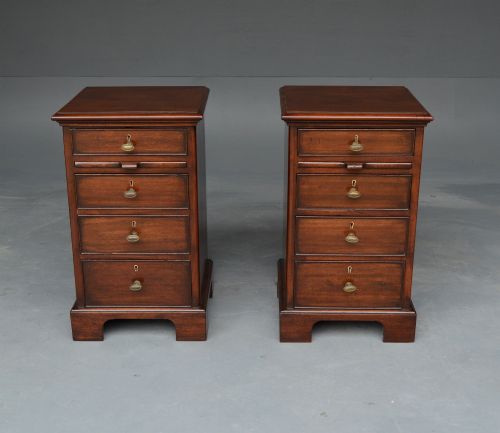
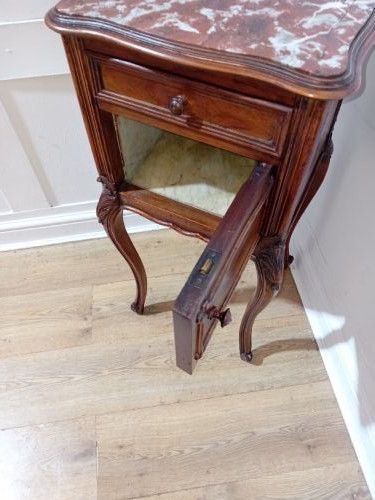
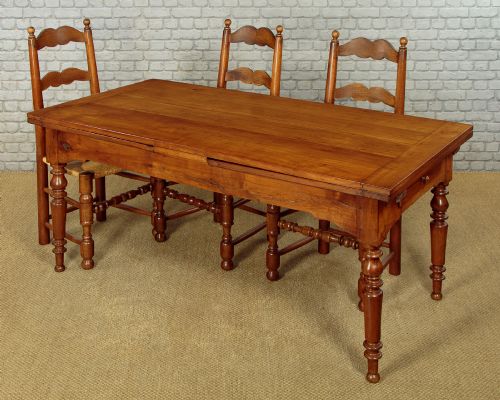
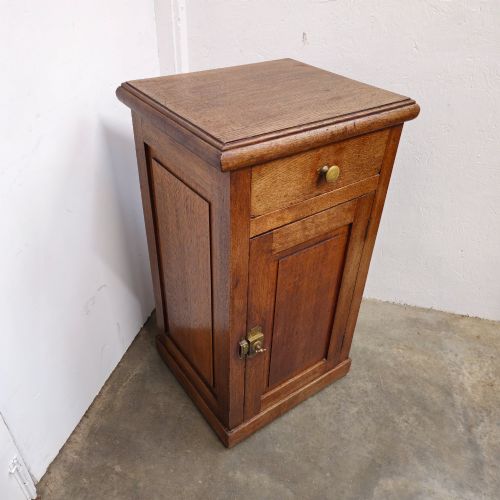
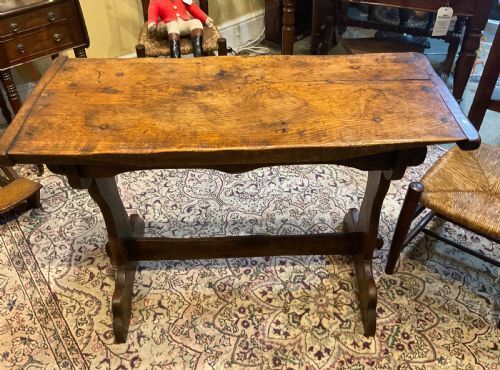
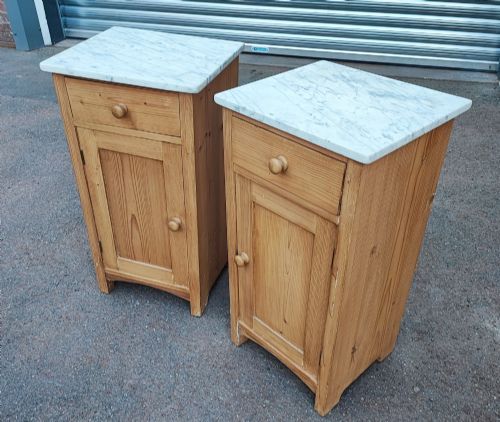
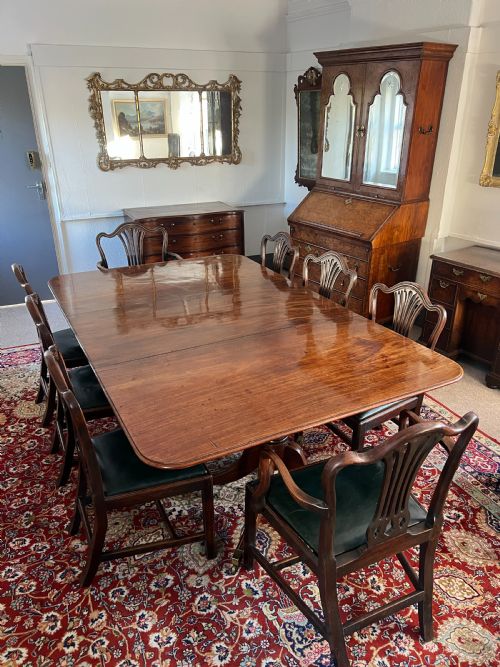
A vintage table covers everything from compact bedside cabinets and occasional lamp surfaces to expansive dining pieces and partners desks. You will find items originating across the nineteenth and twentieth centuries, spanning periods from Georgian craftsmanship through Victorian proportions to Art Deco geometry.
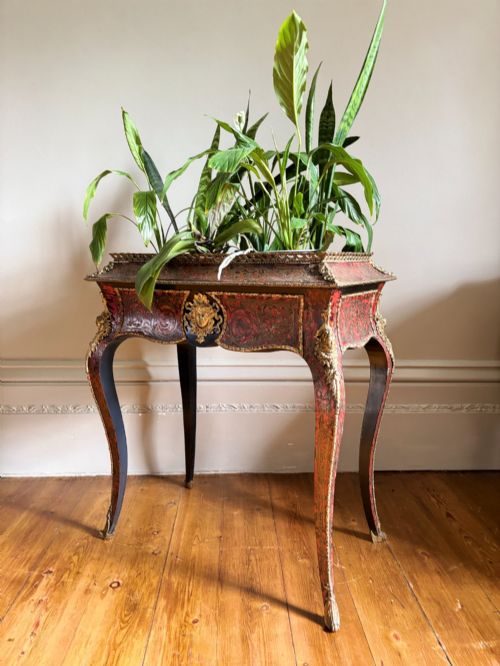
Origin and style vary widely, encompassing Chinese export hardwood coffee tables, Edwardian inlaid side tables, and Arts and Crafts oak designs. Buyers encounter both simple utilitarian items and elaborate statement furniture intended for formal reception rooms.
Materials and construction
Makers relied heavily on sturdy timbers such as mahogany, oak, walnut, and exotic hardwoods like oriental hardwood. These woods were chosen for structural integrity and grain figure, often enhanced with inlay, marble tops, or leather inserts.
Construction techniques involve traditional joinery suited to the period, including pedestal supports, cabriole legs, and fitted drawers. Brass handles, mounts, and galleries frequently provide functional and decorative accents to the wooden frames.
Vintage Table Retail Price Guide 2026
Typical asking prices for vintage table among the pieces listed under this phrase on Sellingantiques today, from the lower quarter to the upper quarter. They describe what is for sale here now, not the wider market.
The selection includes specialised forms such as pedestal desks, bedside cabinets, folding coffee tables, and nesting occasional tables.
Distinctions in quality
Quality rests in the selection of figured veneers and solid timber stocks, where uniform grain and careful book-matching elevate a piece above standard utility furniture. Finer examples display crisp carving, precise inlay work, and robust structural joinery that withstands decades of daily use.
Bath Cabinet Makers·Gillows
The Vintage Table Glossary
- Pedestal desk
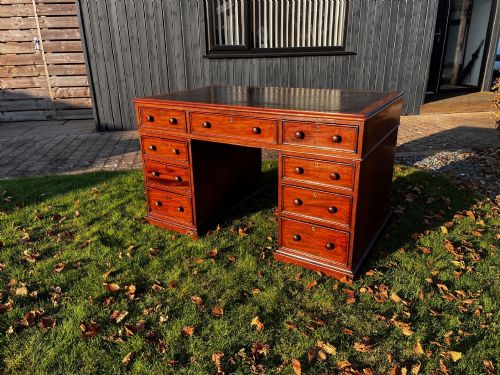
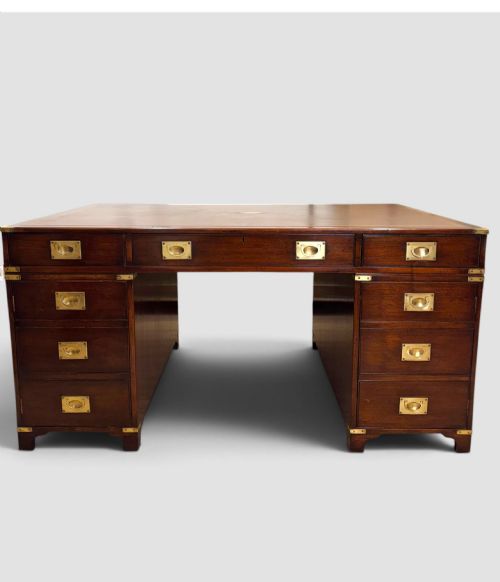
- A large freestanding desk featuring two separate pedestals of drawers supporting a central writing surface. These often incorporate leather writing inserts and swan neck handles.
- Occasional table
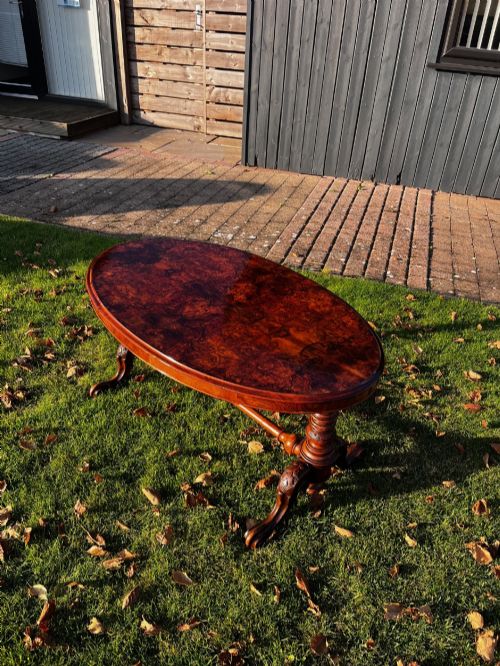
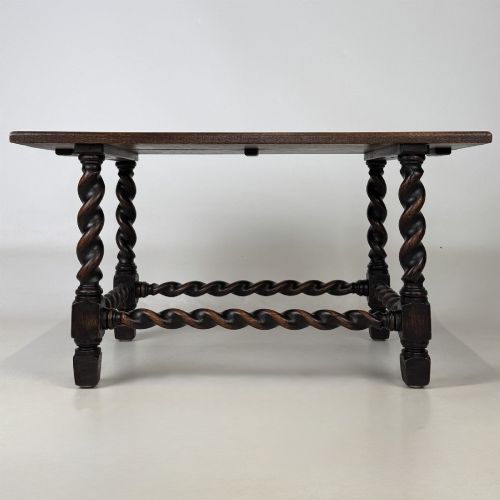
- A small, movable accent table designed for specific, intermittent tasks such as holding a lamp or book. They appear in styles ranging from Edwardian mahogany to Oriental hardwood.
- Partners desk
- A double-sided writing desk built to accommodate two people working face to face simultaneously. They are typically constructed from solid mahogany with substantial storage capacity.
- Inlay
- A decorative technique where contrasting materials like wood or marble are embedded into the primary surface. This adds intricate patterns to tabletops and cabinet doors.
Vintage Table: Frequently Asked Questions
How do I choose the right size vintage table?
Measure your available floor space carefully, keeping clearance in mind for chairs or doors if the piece includes drawers or leaves. Consider how the height of the table aligns with surrounding seating or bedframes.
Matching the scale of the furniture to the proportions of the room prevents the piece from dominating the space. Lighter occasional tables offer flexibility in smaller areas, while pedestal desks require a dedicated perimeter.
Can I use a vintage writing table as a home office desk?
Many vintage writing tables and pedestal desks translate well into modern home offices, offering ample surface area and practical drawer storage for laptops and paperwork. Their traditional dimensions often suit contemporary seating heights.
Verify the kneehole clearance and surface depth before purchase to ensure daily comfort during prolonged computer work. Protect antique leather or polished wood tops with a bespoke desk blotter if needed.
How do I care for antique wood surfaces?
Maintain timber surfaces by dusting regularly with a soft, dry cloth and avoiding excessive moisture or direct sunlight that can fade polished finishes. Periodically nourish the wood with appropriate wax to preserve the natural grain.
Keep tables away from direct heat sources such as radiators to prevent the solid wood or veneers from splitting. Promptly wipe away any liquid spills to protect the historic polish.
What is the difference between an occasional table and a side table?
An occasional table is designed to be moved around a room as needed, serving temporary functions like holding a cup of tea or a lamp. A side table typically remains stationary against a wall or beside a seating arrangement.
Both forms utilise similar decorative styles and timbers, but occasional tables often feature lighter frames or nesting configurations for easy relocation.