

Vintage Style Mirror
A vintage style mirror brings depth and historic character to a room through traditional forms and antiqued glass.
Vintage Style Mirror
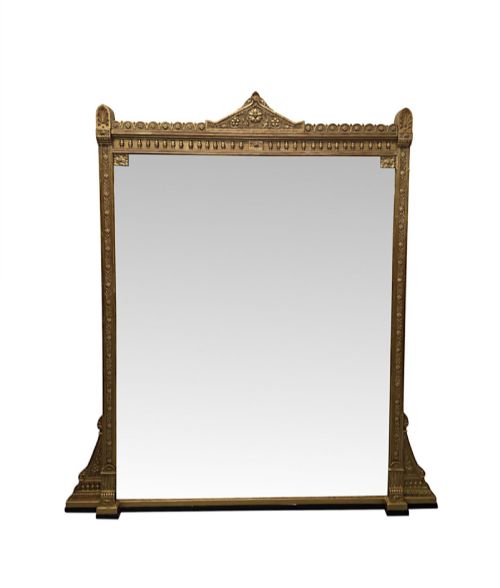
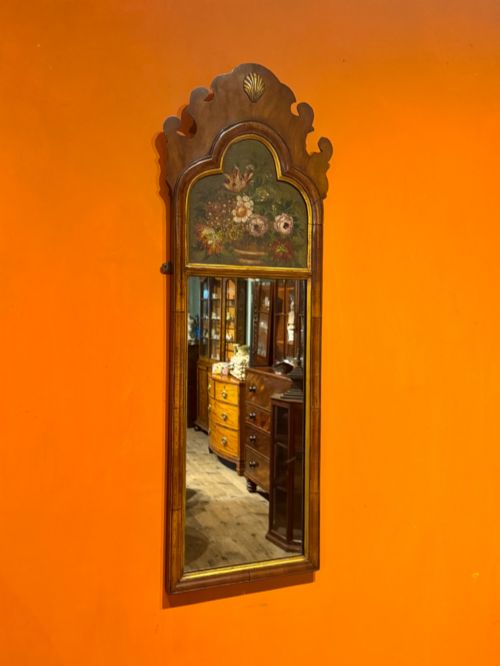
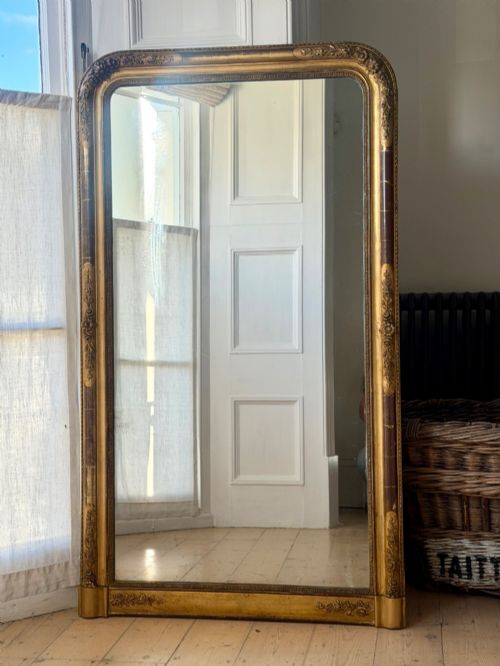
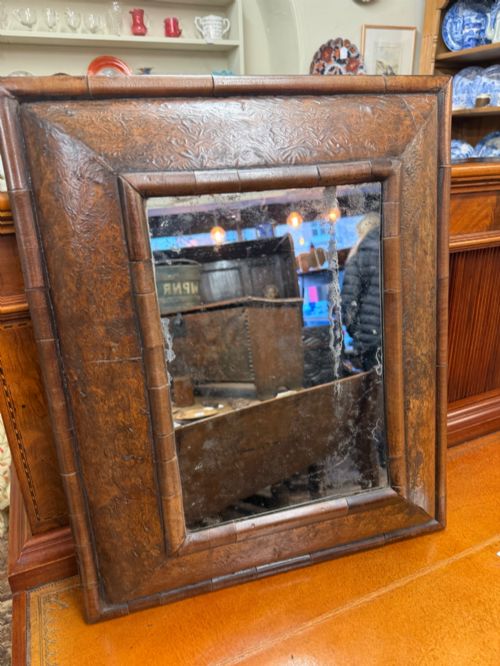
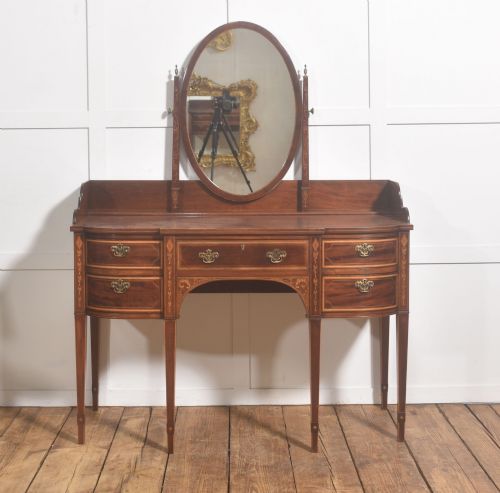
When you search for a vintage style mirror, you encounter wall mirrors, overmantel mirrors, and dressing table mirrors spanning several centuries. The selection includes eighteenth-century walnut and giltwood examples alongside nineteenth-century pieces and early twentieth-century revivals.
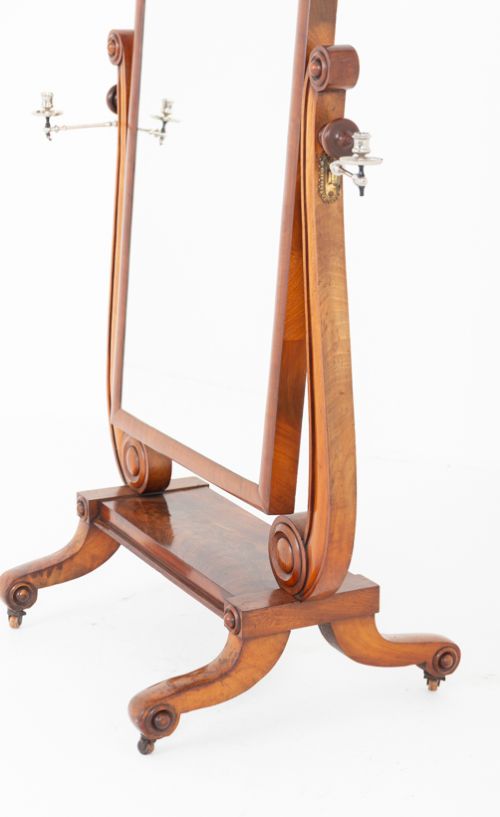
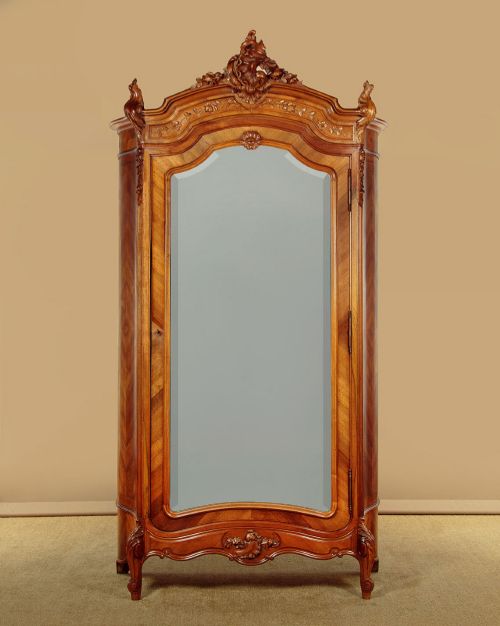
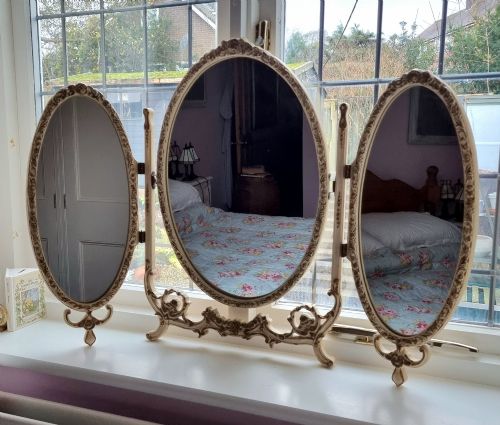
The forms vary from grand overmantel mirrors designed for chimney breasts to smaller cheval mirrors and toilet mirrors. Many follow historical aesthetics such as Georgian mahogany fretwork, Rococo Revival curves, and French Louis Philippe designs.
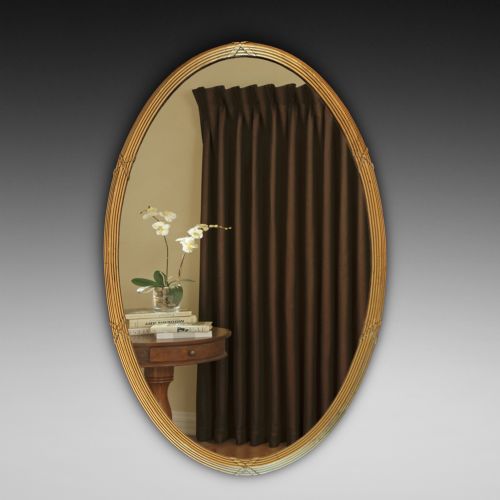
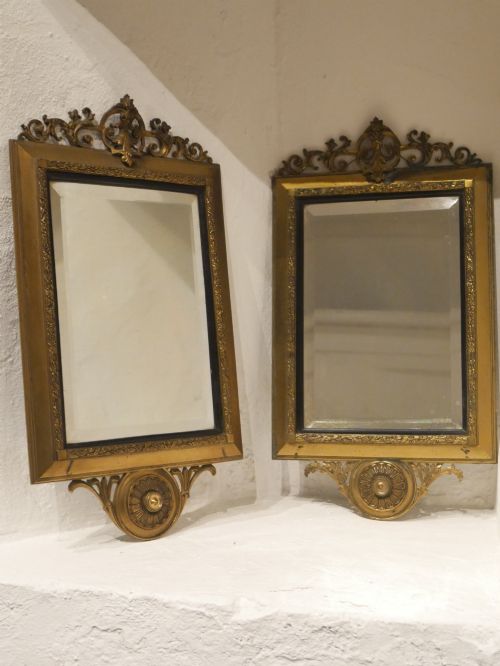
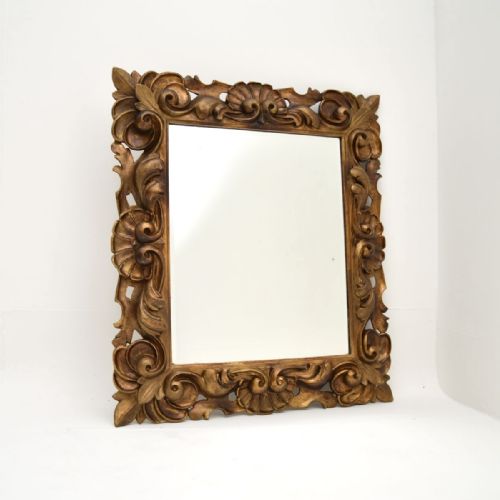
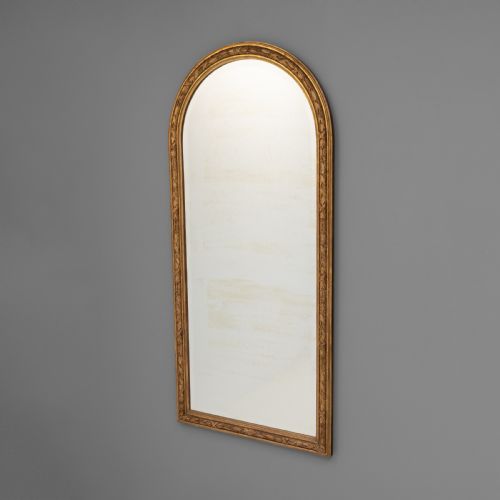
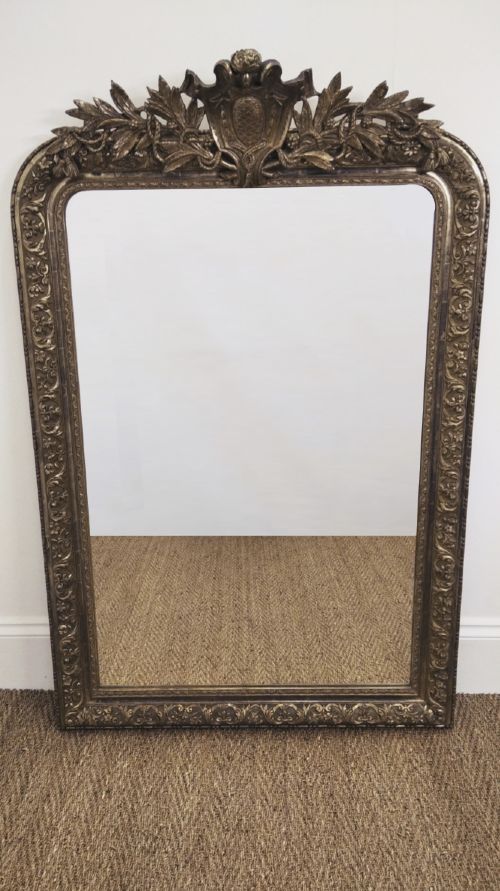
Wall mirrors dominate the selection, often featuring carved wood frames, gesso ornamentation, or parcel-gilt details. Buyers find both English craftsmanship and continental European pieces, particularly from French and Italian workshops.
How they were made
Frames rely heavily on carved wood, including oak, walnut, and mahogany, often built up with gesso to receive intricate ornamentation. Giltwood and gold leaf application create rich reflective surfaces that define many of these traditional pieces.
Glass production utilises traditional techniques, with mercury glass and antique plates appearing in period items. Etched glass and eglomise details add decorative complexity to the mirror plates themselves.
Vintage Style Mirror Retail Price Guide 2026
Typical asking prices for vintage style mirror among the pieces listed under this phrase on Sellingantiques today, from the lower quarter to the upper quarter. They describe what is for sale here now, not the wider market.
Some nineteenth-century mirrors retain faint handwritten chalk inscriptions on their original wooden backboards left by past framers.
What varies in quality
The depth and crispness of the carving distinguish finer frames from simpler productions. Hand-carved wooden details and precise gesso work retain sharper definition than cast or mass-produced substitutes.
The condition and age of the mirror plate itself influence the character of the piece. Original mercury glass or early antique plates develop natural foxing and oxidation that modern replacements cannot replicate.
The Vintage Style Mirror Glossary
- Giltwood
- Wood that has been coated with gold leaf or gold paint. This technique creates a luminous frame finish common in formal period mirrors.
- Gesso
- A plaster-like mixture applied to wood frames to create a smooth surface for carving and gilding. It allows for intricate relief ornamentation.
- Mercury glass
- A type of double-walled glass blown in the nineteenth century with a silvering mixture inserted between the layers. It produces a distinctive mottled reflection.
- Eglomise
- A technique where design and gilding are applied to the reverse side of glass. This creates a mirrored panel with deep decorative detail.
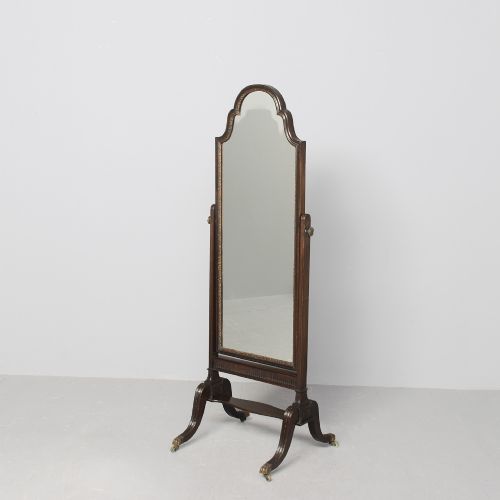
- Cheval mirror
- A full-length freestanding mirror suspended in a frame that allows it to tilt. These pieces often stand on four legs or sturdy pedestals.
Vintage Style Mirror: Frequently Asked Questions
How do I date a mirror?
Dating relies on examining the construction of the wooden frame, the backboards, and the fixings. Secondary woods and joinery methods often point to specific periods like the Georgian or Victorian eras.
The mirror plate provides further clues. Bevelled edges, original mercury backing, or hand-drawn distortions indicate older manufacture compared to modern float glass.
What is an overmantel mirror?
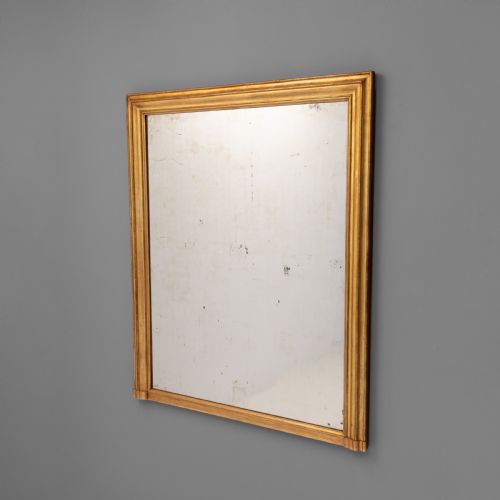
An overmantel mirror is designed specifically to hang above a fireplace mantelpiece. These pieces tend to be wide and substantial to match the scale of the hearth.
They often feature landscape orientations and ornate giltwood or gesso frames that reflect light across the room from a central position on the wall.
How should I hang a heavy mirror?
Large giltwood and overmantel mirrors carry considerable weight due to their dense wooden frames and thick glass plates. Secure wall fixings into structural studs or masonry rather than relying on standard plasterboard hooks.
Professional installation is recommended for oversized pieces to ensure the weight distributes safely across the wall support.