

Vintage Storage
Vintage storage pieces are functional containers crafted in past centuries, offering character and practical organisation for the home.
Vintage Storage
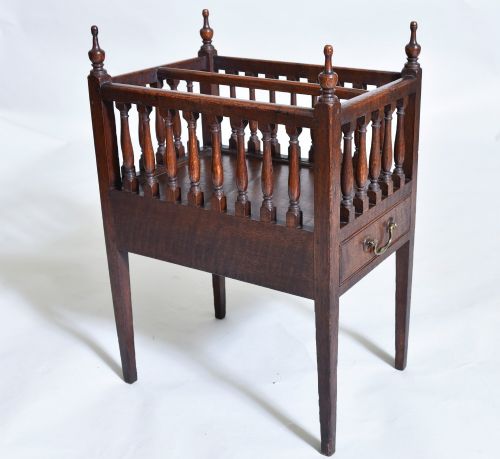
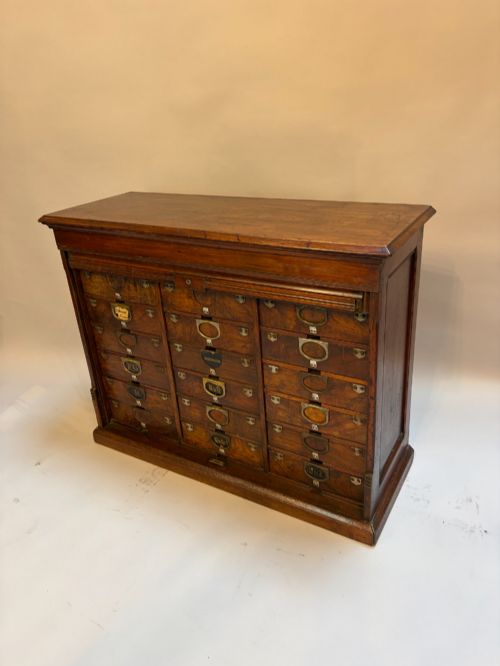
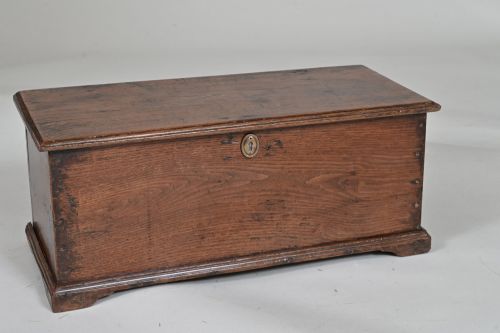
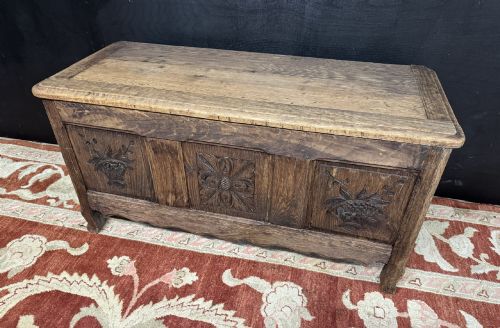
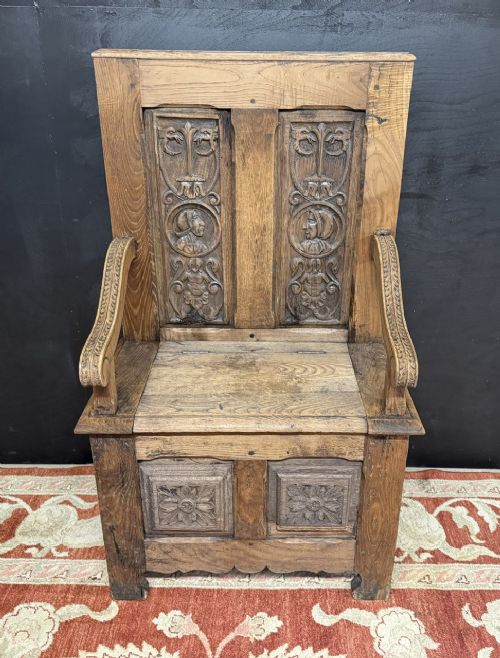
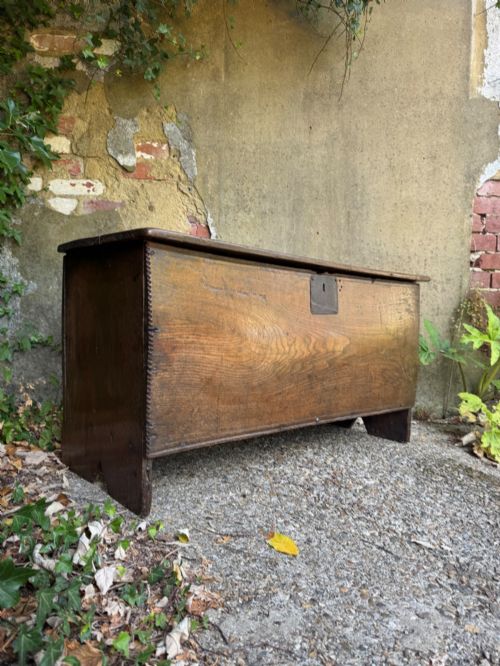
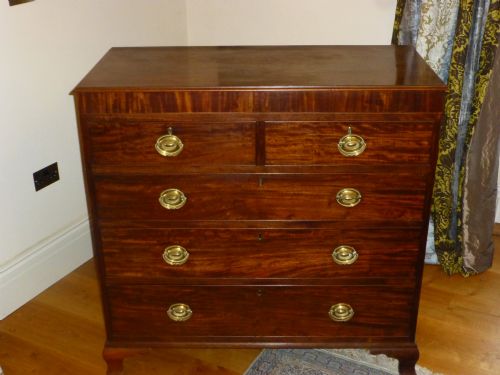
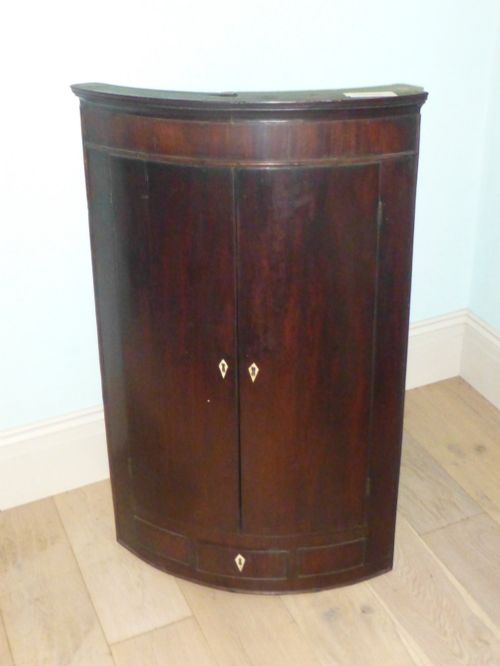
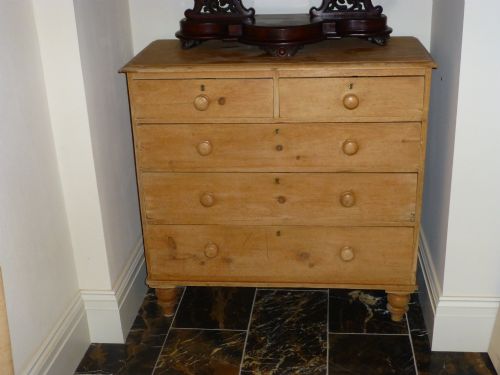
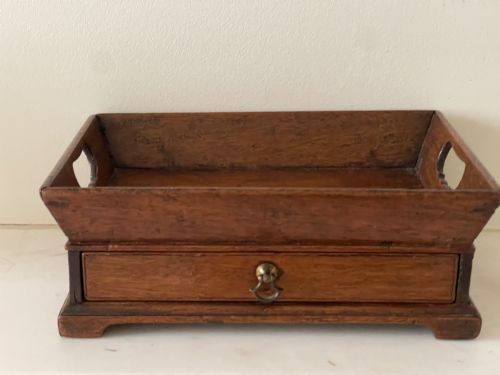
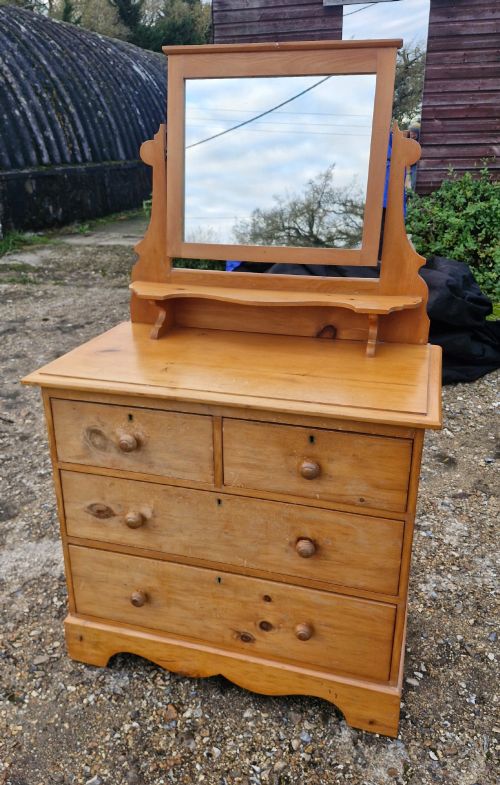
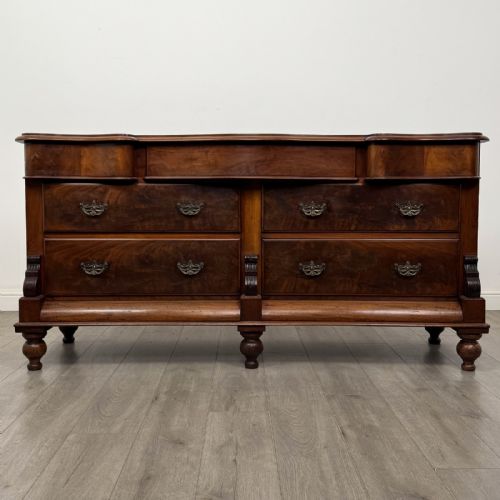
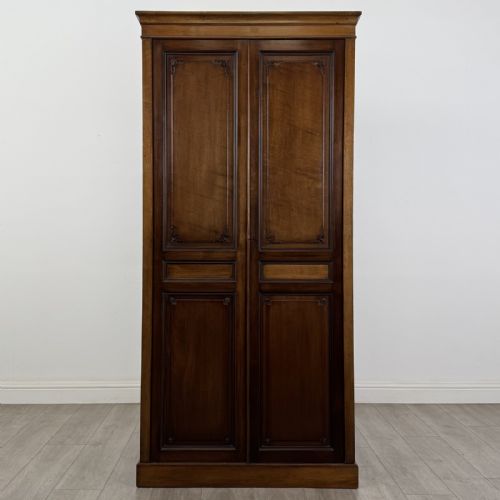
When searching for vintage storage, buyers encounter a diverse range of furniture designed to hold and organise belongings, spanning multiple centuries and stylistic traditions. The selection includes chests of drawers, wardrobes, bookcases, side cabinets, blanket boxes, and trunks originating from periods such as the Georgian era, the Victorian age, and the early twentieth century.
The most common forms met in these listings are sturdy oak and mahogany chests of drawers, alongside wardrobes and side cabinets from the nineteen-twenties. These pieces reflect the domestic needs of their original owners, ranging from large linen presses and tall cupboards to compact table top drawers and bedside cabinets.
Origins vary from country houses to urban workshops, encompassing styles from Arts and Crafts and Art Deco to Jacobean Revival and Mid-Century Modern. Each object retains the functional utility devised by its maker while serving contemporary interior requirements.
Materials and construction methods
Cabinet makers relied predominantly on solid hardwoods like oak and mahogany, often selecting figured timbers such as burr walnut and flame mahogany for visible surfaces. Pine served frequently for utilitarian boxes and internal components, while secondary woods provided structural stability.
Construction techniques visible across the pieces include pegged joinery, dovetailed drawer boxes, and fielded panels, alongside decorative elements like lunette friezes, inlaid stringing, and raised galleries. Metal fittings in brass and iron provided functional hardware for hinges, locks, and binding on trunks.
Vintage Storage Retail Price Guide 2026
Typical asking prices for vintage storage among the pieces listed under this phrase on Sellingantiques today, from the lower quarter to the upper quarter. They describe what is for sale here now, not the wider market.
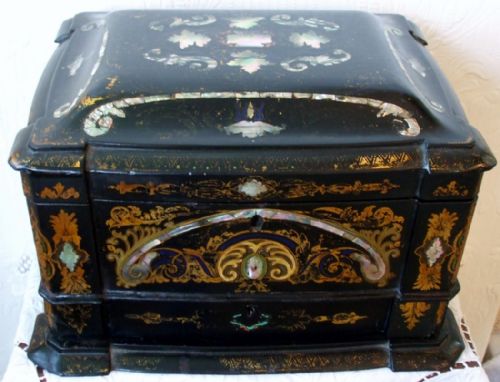
One remarkably specific piece records its former life housing the tools of a Victorian watch and clock repairer.
Distinctions in construction and finish
Quality separates examples through the selection of timber and the precision of the joinery, distinguishing utilitarian items from bespoke commissions. The grain matching on burr walnut or flame mahogany fronts indicates the care taken by the cabinet maker.
The integrity of secondary woods, original backboards, and undamaged drawer linings further separates better pieces. Surface finish and the retention of original hardware play a significant role in determining the standard of the manufacture.
Heals Of London
The Vintage Storage Glossary
- Bow Front
- A convex curved cabinet or chest front that swells outward in the centre. This shape gained popularity during the Georgian and Edwardian periods.
- Linen Press
- A tall double wardrobe featuring sliding trays or shelves in the upper section for storing textiles, above lower drawers. These items typically date from the Georgian and Regency eras.
- Fielded Panel
- A wooden panel with bevelled edges set into a frame to allow for wood movement. This technique is commonly found on seventeenth and eighteenth-century doors and panelling.
- Raised Gallery
- A low decorative railing or superstructure affixed to the top surface of a cabinet or chest. It prevents items from sliding off the back or sides.
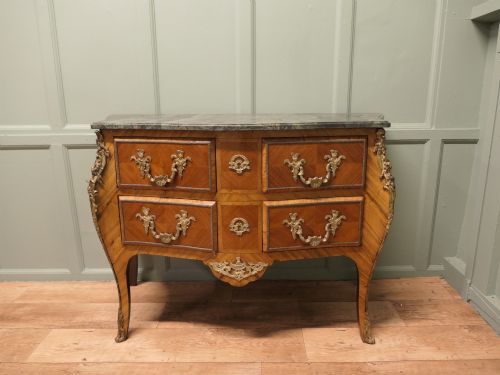
- Commode
- A low French or continental cabinet fitted with doors or drawers. They frequently feature decorative veneers such as walnut.
Vintage Storage: Frequently Asked Questions
How do I date a wooden chest of drawers?
Examine the construction of the drawer boxes and the type of timber used in the secondary framing. Hand-cut dovetails and vernacular woods often indicate an eighteenth or nineteenth-century origin.
Look for style indicators such as bracket feet, inlaid stringing, or brass hardware that correspond to periods like the Georgian or Edwardian eras.
Where were side cabinets used in the home?
Side cabinets and cupboards served primarily in dining rooms and hallways for storing tableware, linens, and household supplies. Their varied depths accommodated specific domestic storage requirements.
In bedrooms, smaller versions functioned as bedside cabinets or compact wardrobes for daily garments.
Can I use a vintage blanket box in a modern bedroom?
Blanket boxes provide robust internal space suitable for storing spare bedding, pillows, or winter garments at the foot of a bed. Their solid construction allows them to double as occasional seating.
Ensure the interior is clean and dry before storing textiles to prevent any transfer of odours from older timbers.
What is the difference between an oak trunk and a blanket box?
Trunks frequently incorporate metal binding, iron handles, and reinforced corners designed for travel or heavy-duty utility. Blanket boxes generally feature more decorative woodwork, such as carved panels or polished finishes suited for domestic interiors.
Both forms offer deep lidded storage compartments.