

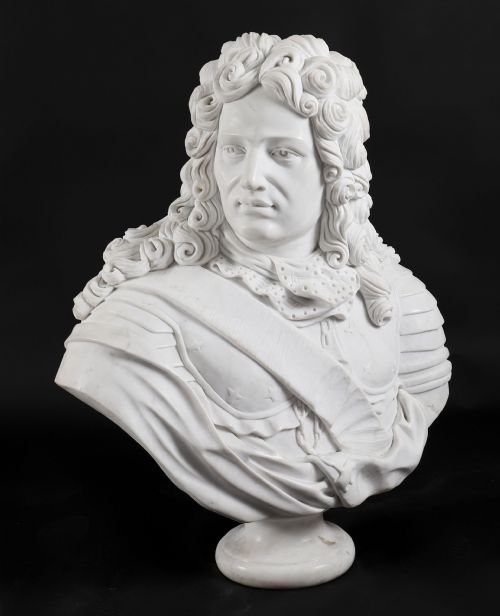
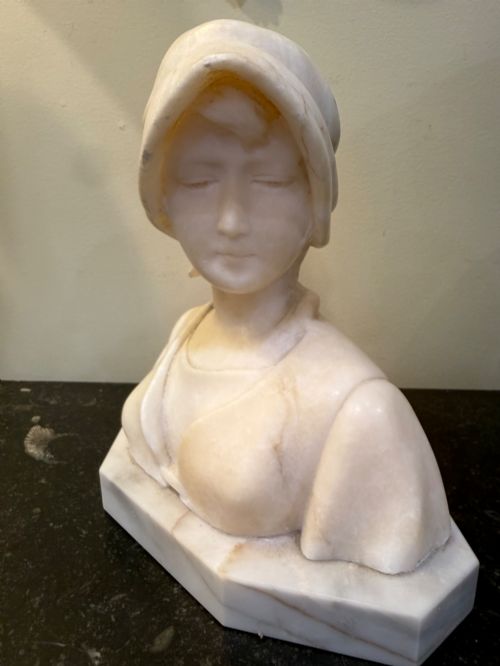
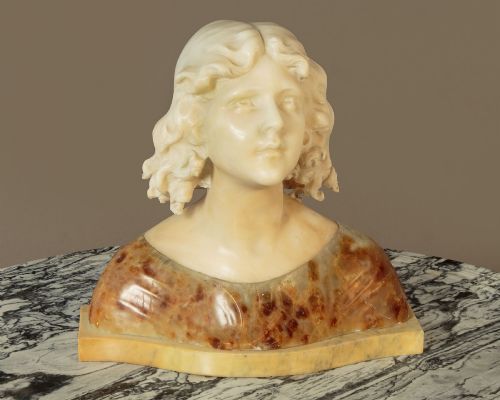
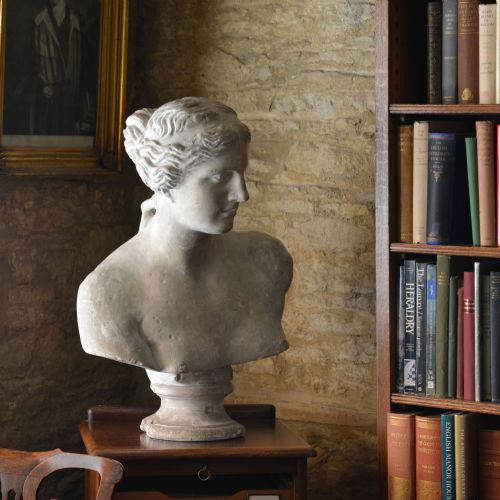



Vintage Stone Bust
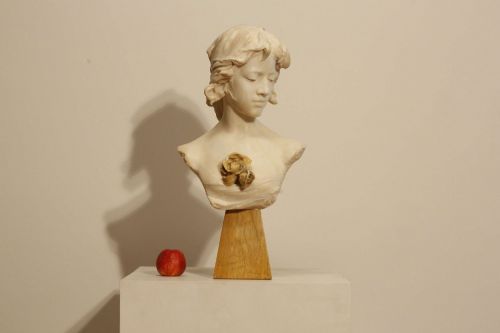
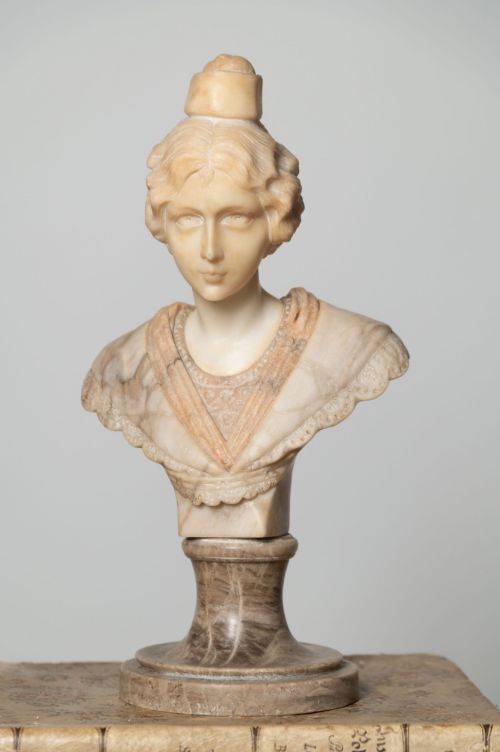
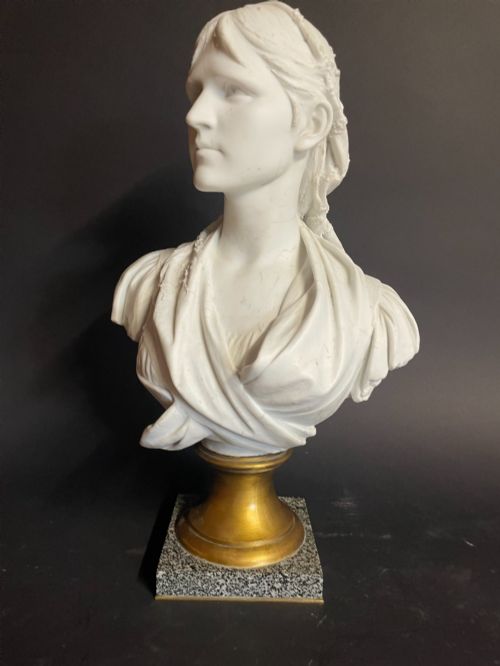
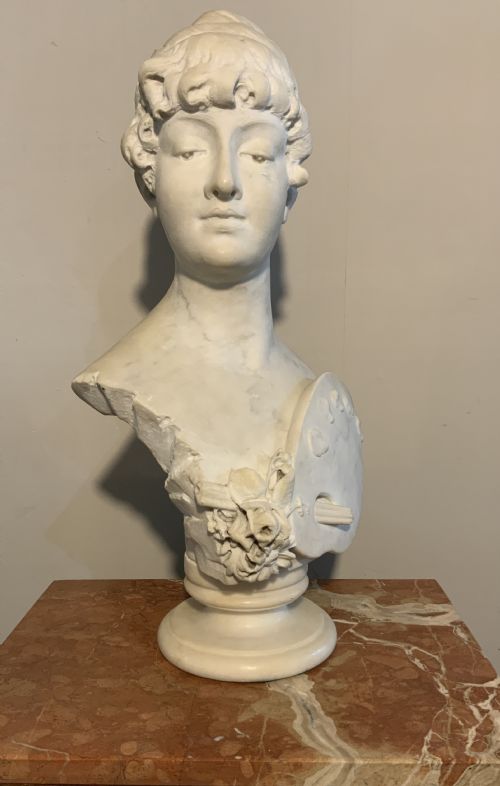
A vintage stone bust brings classical presence and carved detail into a room, offering the enduring character of carved marble, alabaster and stone.
Vintage Stone Bust
When searching for a vintage stone bust, you encounter sculptural depictions of historical figures, literary icons, noblemen and classical maidens carved from various mineral materials. These pieces range from substantial garden statuary designed to weather out of doors to finely carved library busts intended for interior display on plinths.
The selections span the nineteenth and twentieth centuries, encompassing Victorian, Edwardian, Art Nouveau and Art Deco aesthetics alongside neoclassical and baroque revivals. Italian and French workshops provide many of the carved marble and alabaster pieces, while English and Indian origins appear in garden and architectural contexts.
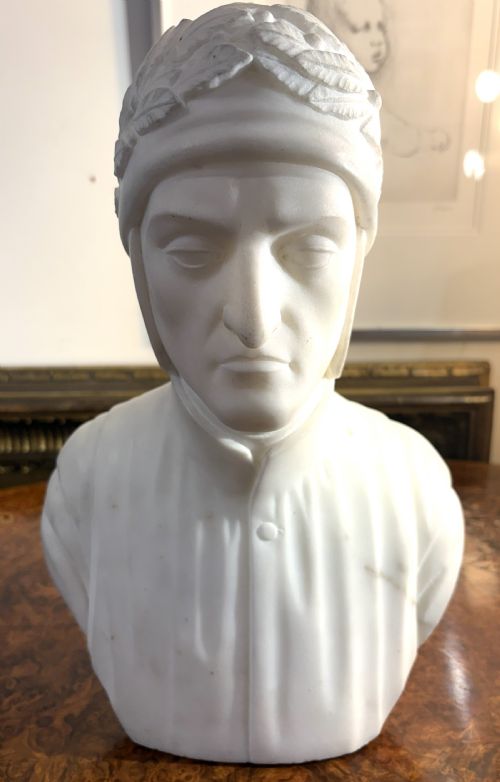
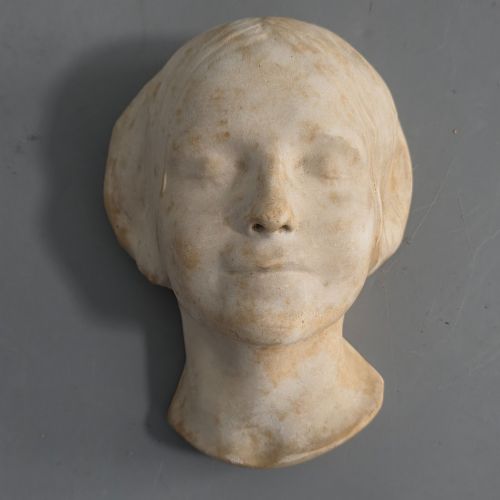
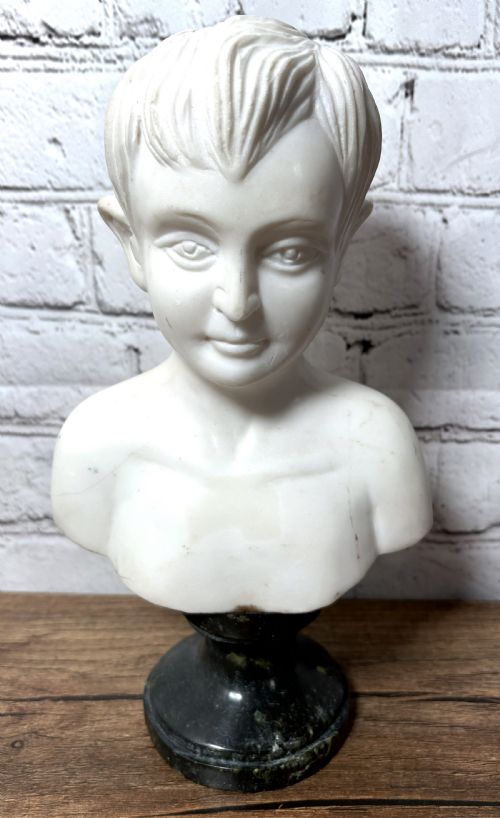
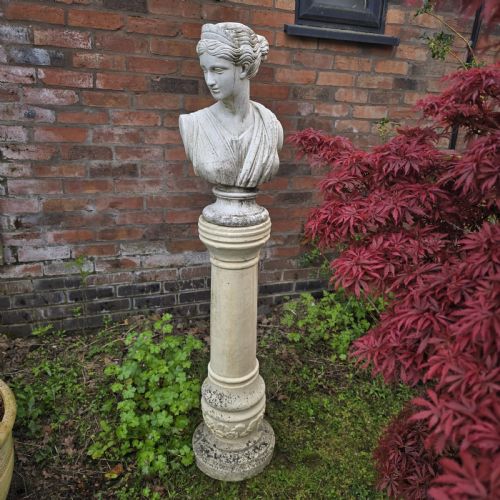
Smaller library studies contrast with garden busts mounted on separate plinths, while specialised subjects include death masks and literary portraits such as Dante and Shakespeare. Material variety runs from brilliant white Carrara marble to translucent alabaster and rugged cast stone.
Materials and carving techniques
Makers shaped these sculptures from natural stones including dense marble, fine-grained alabaster and porous limestone, as well as moulded compositions like plaster and reconstituted stone. Carrara marble offered a bright, uniform medium for detailed facial expressions and drapery, whereas alabaster provided a softer, translucent surface suited to indoor cabinet pieces.
Carvers utilised chisels, rasps and drills by hand to release the likeness from the block, finishing the surface with abrasives to achieve varying degrees of polish. Plaster examples originated from wet moulds taken from original models, sometimes finished with patination to simulate aged stone or bronze.
Vintage Stone Bust Retail Price Guide 2026
Typical asking prices for vintage stone bust among the pieces listed under this phrase on Sellingantiques today, from the lower quarter to the upper quarter. They describe what is for sale here now, not the wider market.
Listings feature periods from the nineteenth and twentieth centuries, utilising materials such as Carrara marble, alabaster, plaster and cast stone.
Factors influencing quality
Quality rests upon the skill of the carver in rendering human anatomy, expression and the fall of drapery with conviction. A superior sculpture captures subtle shifts in muscle and mood, whereas lesser works rely on rigid symmetry and flat, uninspired planes.
The choice of material dictates the potential for fine detail, with high-grade translucent alabaster and pure white marble allowing for delicate undulations that coarser cast stone or plaster cannot sustain. The handling of the hair, eyes and collar determines whether a portrait possesses life or remains merely decorative.
Raffaelo Monti·Mieczyslaw Leon Zawiejski·Joseph Gott·Greuze
The Vintage Stone Bust Glossary
- Alabaster
- A soft, fine-grained stone that allows light to penetrate slightly beneath its surface. It was frequently used for indoor Victorian and Edwardian portrait sculptures.
- Carrara Marble
- A white or blue-grey marble quarried in the city of Carrara in Tuscany, Italy. It served as the primary material for classical and neoclassical European sculpture.
- Plinth
- A heavy base or pedestal upon which a bust is mounted. Many garden and library sculptures are raised on these architectural supports.
- Neoclassical
- A style inspired by the classical art and culture of ancient Greece and Rome. It dominated European sculpture and decorative arts through the nineteenth century.
- Reconstituted Stone
- A composite material made from crushed stone mixed with a binder. It is cast in moulds to create durable garden statuary and architectural ornaments.
Vintage Stone Bust: Frequently Asked Questions
Where should I place a heavy marble bust?
Library and interior busts require a sturdy surface such as a heavy sideboard, desk or dedicated column where their weight is fully supported. Positioning them away from direct heat sources prevents thermal stress on the stone.
Garden statuary and reconstituted stone pieces tolerate outdoor placement, though sheltered spots reduce frost damage and weathering during winter months.
How do I clean an alabaster sculpture?
Alabaster is water-soluble and soft, meaning moisture can permanently damage the surface polish and dissolve fine details. Dusting with a dry, soft brush is the safest method for routine maintenance.
Harsh chemical cleaners and damp cloths must be avoided entirely to preserve the delicate translucent finish characteristic of nineteenth-century carvings.
How can I distinguish marble from plaster?
Marble feels cool to the touch and has a crystalline structure visible under magnification, reflecting the natural geological formation of the stone. It resists scratching from steel blades and possesses genuine heft.
Plaster feels warmer, lacks crystalline depth, and often reveals mould seams or a hollow sound when tapped gently. Painted surfaces on plaster can also chip to reveal a chalky white interior.
What is a library bust?
Library busts are scaled-down portrait sculptures created for display within domestic studies, libraries and drawing rooms. They frequently depict classical philosophers, poets, or historical figures intended to inspire intellectual pursuits.
These pieces typically measure smaller than monumental outdoor statuary and focus heavily on facial character and scholarly attire.