

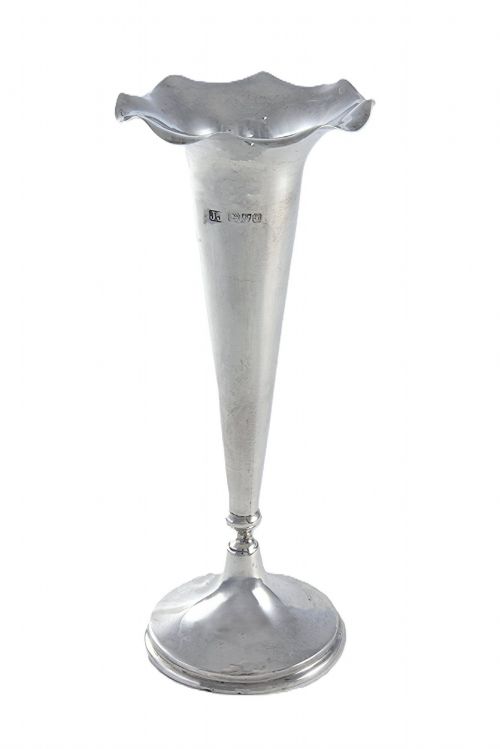


Vintage Spill Vases
These vintage spill vases kept taper candles ready by the hearth, and today they bring painted porcelain and silver to a mantelpiece.
Vintage Spill Vases
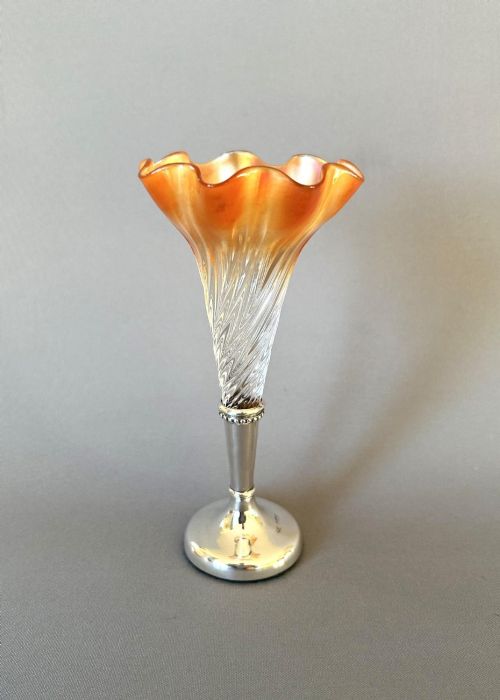
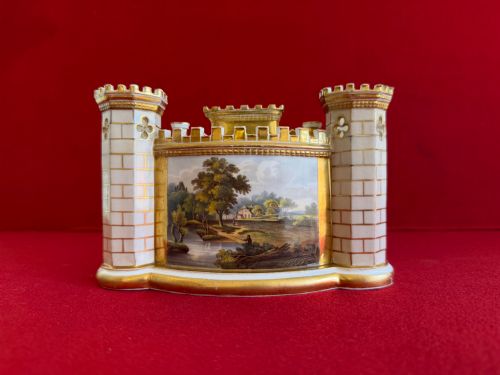
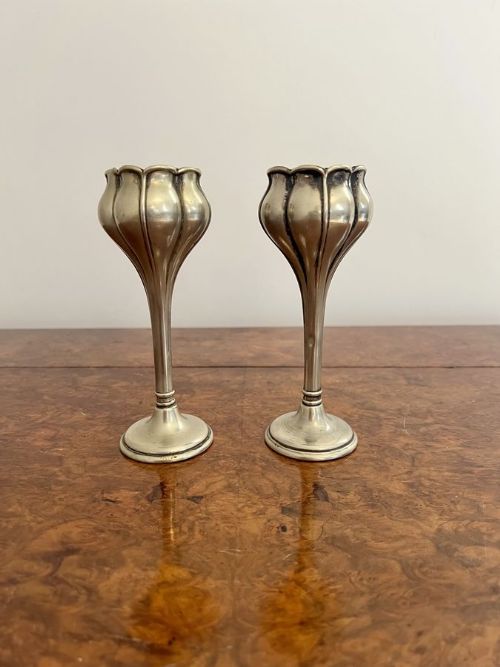
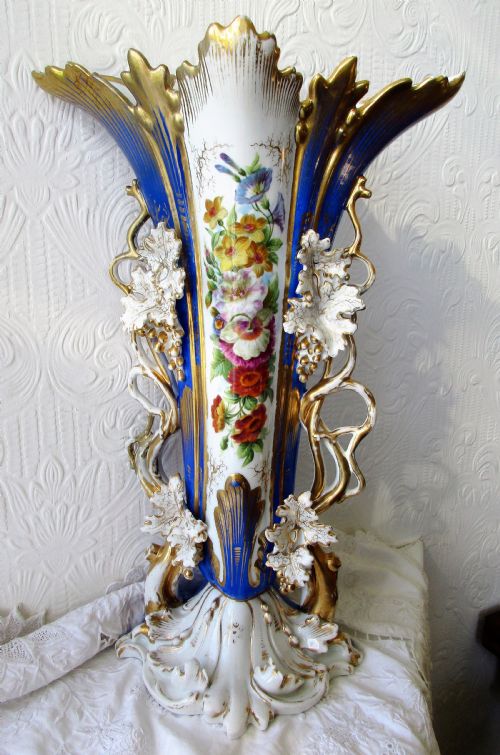
Vintage spill vases take many forms across the evidence, appearing as porcelain castles, Staffordshire figures, cut glass cylinders, and slender silver vessels. They were made to hold thin tapers of rolled paper or wood known as spills, which transferred fire from the hearth to a pipe, candle, or lamp.
The pieces listed on this page span several eras, reaching from the Regency period through the Victorian years and into the twentieth century. Earthenware, porcelain, silver plate, and sterling silver make up the primary bodies of these small vessels.
You will frequently encounter Royal Worcester porcelain examples alongside silver plated and sterling pieces from the Edwardian and Art Deco decades. Some take the shape of decorative figurines and flatback figures rather than simple tubular holders.
How they were made
Ceramic examples rely on porcelain and earthenware bodies, shaped by hand or mould before receiving detailed hand painting. Factories such as Royal Worcester employed skilled artists to decorate surfaces with cattle, fruit, and landscapes.
Metal versions utilise silver plate and sterling silver, often combined with cut glass inserts or mounted on heavy bases. Hallmarks stamped into the silver record the assay office and year of creation, pointing directly to cities like Chester and Birmingham.
Gilding and gold leaf frequently accent the rims and borders of porcelain vessels, while enamel adds coloured detail to metal and ceramic surfaces alike.
Vintage Spill Vases Retail Price Guide 2026
Typical asking prices for vintage spill vases among the pieces listed under this phrase on Sellingantiques today, from the lower quarter to the upper quarter. They describe what is for sale here now, not the wider market.
The listings on this page span porcelain, earthenware, sterling silver, and silver plate across the nineteenth and twentieth centuries.
What varies in quality
The skill of the hand painting sets individual porcelain pieces apart, particularly on signed works where named artists executed detailed scenes of cattle and fruit. Crisp details in moulded earthenware and porcelain figures distinguish finer examples from simpler production wares.
In silver and plated pieces, the weight of the metal and the precision of the cut glass inserts define the standard of the object. Maker marks and clear hallmarks provide an additional measure of distinction for metal vessels.
The preservation of original gilding and enamel without excessive rubbing indicates how carefully a piece has survived the decades since its manufacture.
Royal Worcester
The Vintage Spill Vases Glossary
- Spill
- A thin slip of paper or wood used to transfer a flame from the fire to a candle or pipe. These vessels held those tapers upright on the mantel.
- Flatback
- A ceramic figure designed with a finished front and a flat, unglazed or plain back intended to sit flush against a wall. This technique was common in nineteenth century Staffordshire production.
- Bisque
- Unglazed white porcelain that has been fired once, offering a matte texture resembling marble. It was frequently used for nineteenth century figures.
- Hallmark
- A stamp impressed into precious metals indicating the standard of purity, the assay office, and the year of manufacture. Sterling silver pieces carry these official marks.
- Gilding
- A thin layer of gold applied to the surface of porcelain or metal for decoration. It is often found highlighting the rims of spill vases.
Vintage Spill Vases: Frequently Asked Questions
What is a spill vase?
A spill vase is a small container designed to hold thin wooden or paper tapers near a fireplace. These tapers were lit from the hearth fire and used to transport the flame.
Over time, the vessels evolved from simple utility items into decorative ceramic and silver mantelpiece ornaments.
How do I date a silver spill vase?
Silver spill vases carry hallmarks that provide precise dates through town marks, maker stamps, and date letters. These small struck symbols identify the assay office and the exact year of production.
Matching the hallmark symbols against official assay records reveals the origin of the piece.
Who painted Royal Worcester vases?
Royal Worcester employed specialist artists who signed their work on the painted surface of the porcelain. Names such as Stinton, Davis, and Ricketts appear on fine landscape and animal scenes.
These painted panels transformed standard spill holders into distinct works of art.
Where were spill vases placed?
Spill vases sat predominantly on mantelpieces and hearths where fires provided a ready source of flame. Their placement kept tapers within arm reach of the hearth.
They also appeared on tables and desks where candles provided secondary lighting.